


Thank you! Your submission has been received!
Oops! Something went wrong while submitting the form.
September 22, 2025

The role of a Registered Behavior Technician (RBT) has emerged as a cornerstone in the field of Applied Behavior Analysis (ABA), particularly as the demand for qualified professionals continues to surge. This certification not only signifies a commitment to ethical standards and effective intervention strategies but also plays a crucial role in enhancing the quality of care for individuals with autism and other developmental disabilities.
As the landscape of behavioral therapy evolves, what challenges and opportunities lie ahead for those pursuing this vital career path? The need for RBTs is not just a trend; it reflects a growing recognition of the importance of trained professionals in delivering effective behavioral interventions.
Are you prepared to navigate this dynamic field? With the right resources and support, you can position yourself for success in this rewarding career.
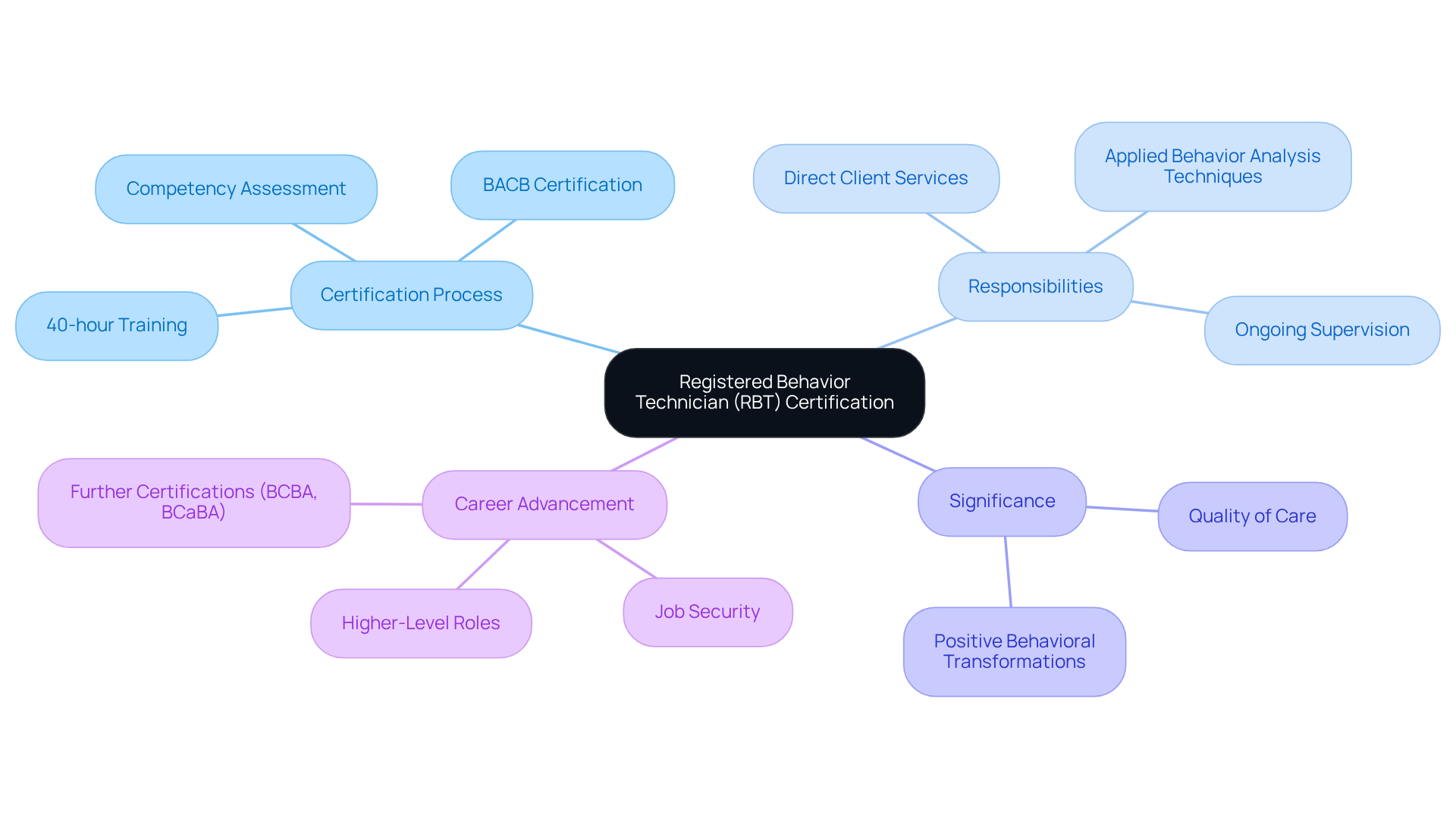
A represents a vital credential within the field of behavior analysis, recognized by the Behavior Analyst Certification Board (BACB). With the demand for qualified professionals on the rise, (RBT) is an excellent move. To achieve this certification, individuals must complete a comprehensive 40-hour training course, pass a competency assessment, and secure certification from the BACB. This rigorous process ensures that are well-equipped to deliver analysis-based services under the supervision of a Board Certified Behavior Analyst (BCBA) or a Board Certified Assistant Behavior Analyst (BCaBA).
The primary responsibility of is to provide direct services to clients, particularly those with autism and other developmental disabilities. They employ techniques rooted in , a proven methodology for fostering positive behavioral changes. This certification guarantees that the registered behavior technician (RBT) possesses the necessary for effective behavioral interventions. Additionally, ongoing supervision by a BCBA or BCaBA is crucial for maintaining fidelity to treatment plans.
Why is ? It enhances the quality of care delivered to clients and improves overall outcomes in behavior analysis. Registered Behavior Technicians are essential in executing personalized treatment plans and fostering positive behavioral transformations. To support behavior technicians in their , Hire ABA offers tailored resume evaluations that utilize advanced job fit scoring. This service ensures that registered behavior technicians (RBTs) are matched with roles that align with their skills, preferences, and desired locations, ultimately enhancing the (RBTs) and expanding their career opportunities within the ABA therapy sector.
Are you facing challenges in hiring qualified behavior technicians? Consider and connect you with the right professionals. Elevate your team's effectiveness and improve client outcomes by leveraging the expertise of .
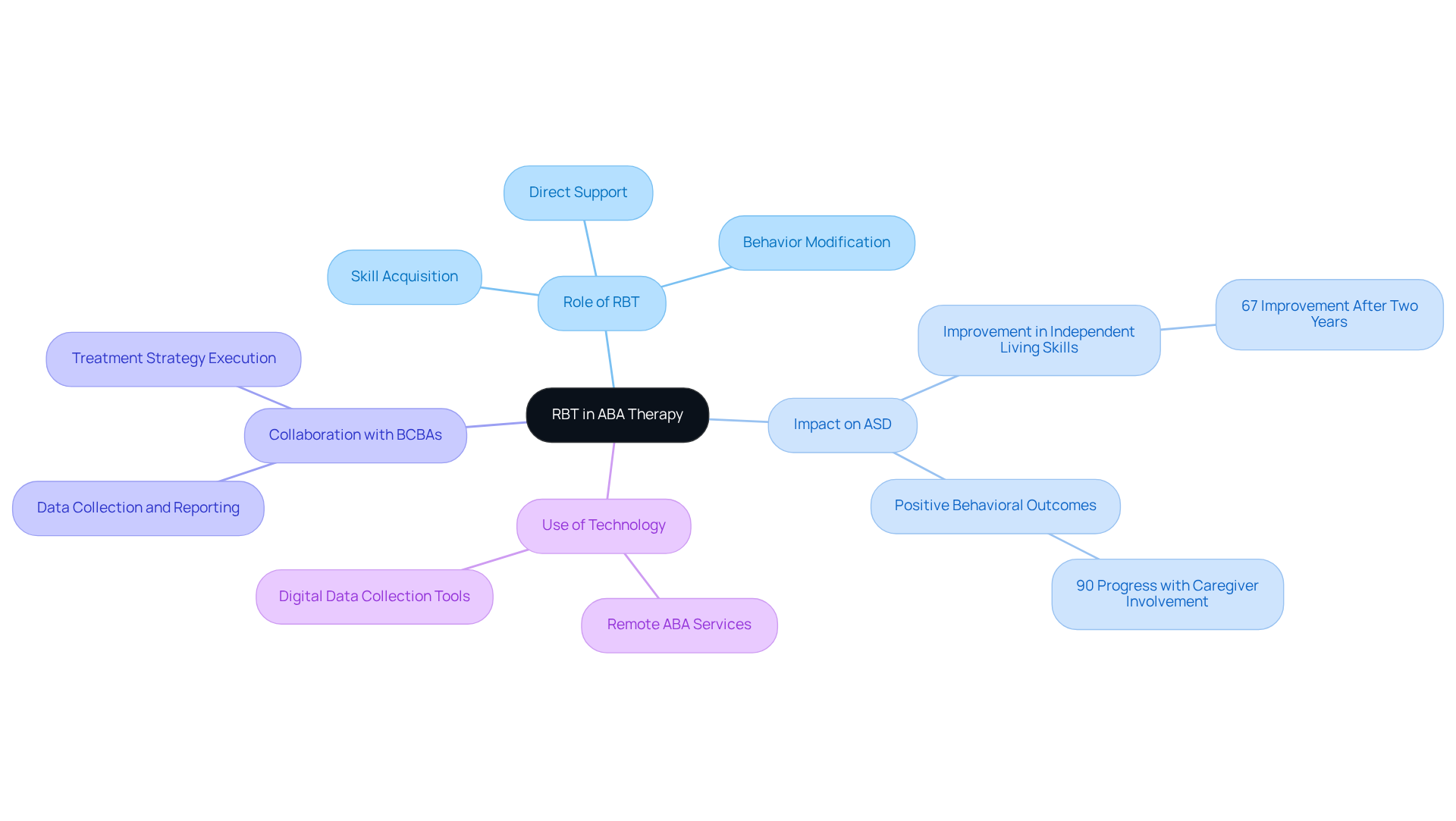
Certified Therapy Technicians are indispensable in the realm of Applied Analysis therapy, especially as the demand for qualified professionals escalates. With (ASD) impacting approximately 1 in 36 children, the urgency for is at an all-time high. The role of registered behavior technicians (RBT) is crucial in executing treatment strategies devised by , as they provide direct support to individuals in both one-on-one and small group settings. Their active involvement fosters , which are vital for achieving positive therapeutic outcomes.
Research indicates that individuals receiving consistent support from in independent living skills after two years of therapy. This direct interaction not only amplifies the effectiveness of treatment but also enables BCBAs to focus on the development and refinement of intervention strategies. The synergistic relationship between BCBAs and guarantees that clients receive high-quality, consistent care, ultimately resulting in superior outcomes in managing ASD and associated behavioral challenges.
Moreover, case studies highlight that professionals who leverage technology for data collection and documentation can significantly enhance the , thereby elevating the overall quality of care delivered. As the field evolves, the role of is anticipated to expand, highlighting their importance in delivering . Are you facing challenges in hiring qualified professionals? Consider how can streamline your recruitment process and ensure you have the best talent to meet the growing needs in this critical field.
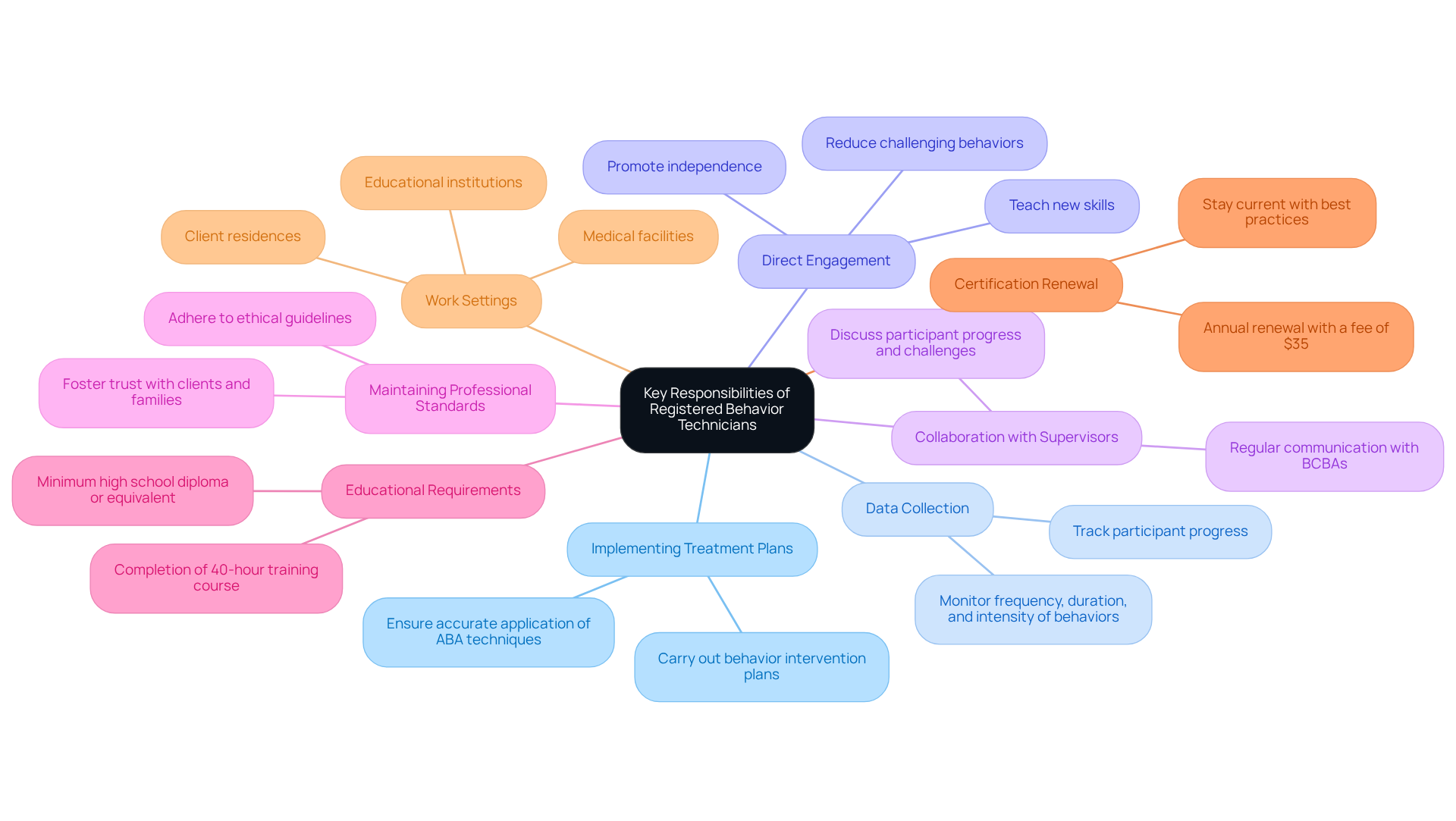
are essential in providing therapy, taking on several key responsibilities that greatly impact client outcomes.
Through these responsibilities, RBTs not only contribute to the immediate success of ABA therapy but also play a crucial role in the broader context of and related conditions.
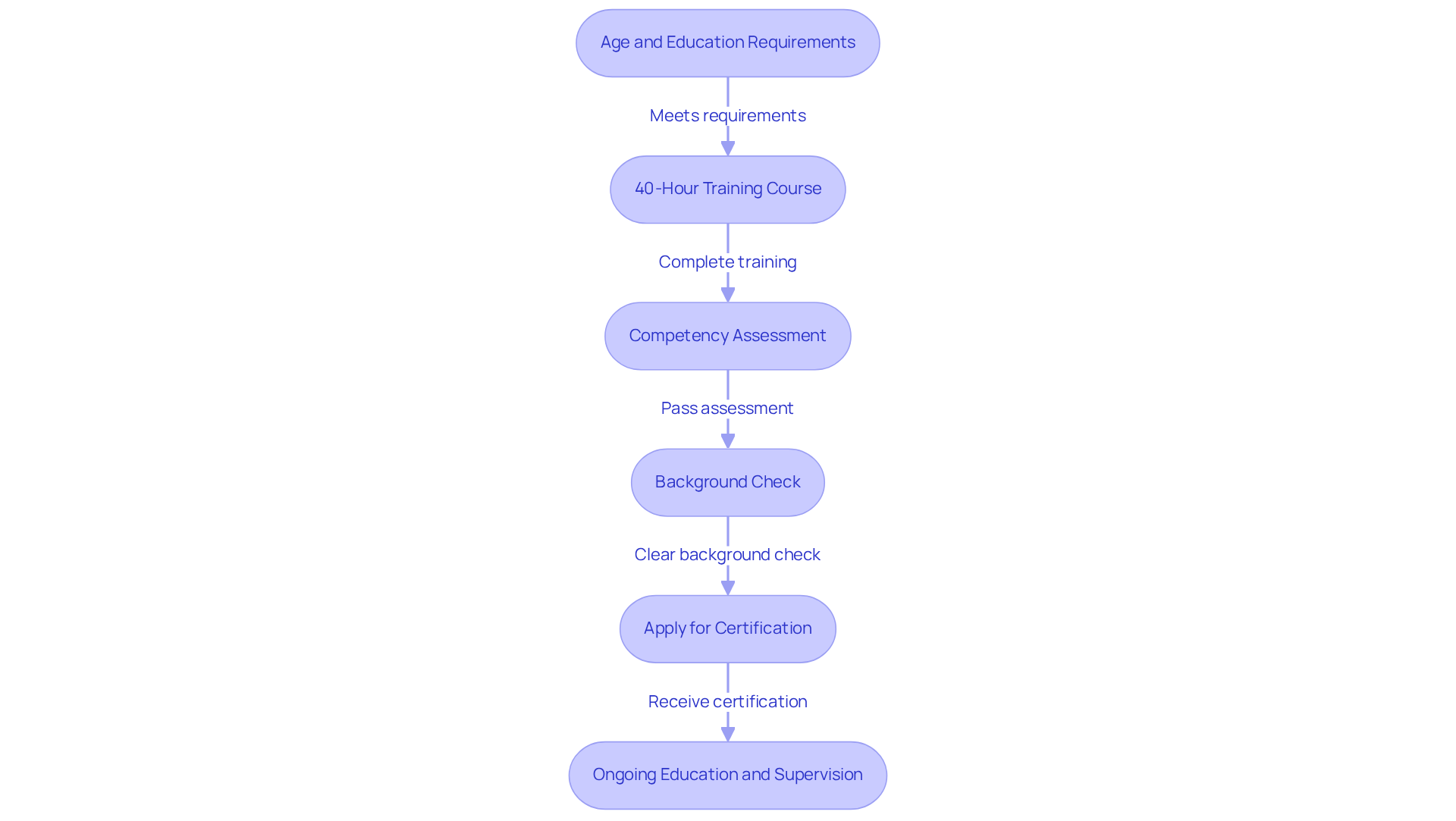
To become a , candidates must fulfill specific to ensure they are well-prepared for their roles in .
A comprehensive is required for prospective Registered Behavior Technicians, which takes approximately 42 hours to complete and aligns with the . This course covers essential topics such as ethical guidelines, data collection methodologies, and . It equips candidates with the knowledge needed to support individuals effectively. Studies indicate that well-structured training significantly enhances RBT effectiveness, as evidenced by participants reporting increased confidence and competence in applying ABA principles.
Once the training and skill evaluation are successfully completed, candidates can apply for the certification through the Analyst Certification Board (BACB). This certification is a vital step in establishing professional credibility in the field of behavior analysis.
Ongoing supervision and are necessary for registered behavior technicians (RBTs), who are required to work under the supervision of a or a Board Certified Assistant Behavior Analyst (BCaBA). Additionally, they must engage in to maintain their certification, which ensures they remain informed about the latest best practices and developments in ABA therapy. Engaging with peers in study groups can further enhance their understanding and provide valuable support during their professional development. This ongoing professional development is essential for enhancing the quality of care provided to individuals with behavioral challenges.
The role of a Registered Behavior Technician (RBT) is pivotal in the field of Applied Behavior Analysis (ABA), serving as a cornerstone for delivering effective behavioral interventions to individuals, particularly those with autism and developmental disabilities. The certification process ensures that RBTs are not only trained but also continuously supervised, which is essential for maintaining high standards of care and achieving positive therapeutic outcomes.
As we examine the RBT's responsibilities, training requirements, and their significant impact on client success, it becomes evident that these professionals are indispensable in executing treatment plans and fostering behavioral change. From implementing strategies developed by Board Certified Behavior Analysts (BCBAs) to collecting data that informs ongoing interventions, RBTs enhance the effectiveness of therapy and improve clients' quality of life.
Given the rising demand for qualified behavior technicians, it is crucial to recognize the importance of investing in their training and professional development. For those seeking to enter this rewarding field or organizations looking to hire skilled technicians, understanding the qualifications and the critical role RBTs play can lead to better outcomes for clients and a more effective therapeutic environment. Embracing this knowledge not only supports the growth of individuals with behavioral challenges but also advances the overall field of ABA therapy.
What is a Registered Behavior Technician (RBT)?
A Registered Behavior Technician (RBT) is a certification recognized by the Behavior Analyst Certification Board (BACB) that signifies a qualified professional in the field of behavior analysis.
What are the requirements to become an RBT?
To become an RBT, individuals must complete a 40-hour training course, pass a competency assessment, and obtain certification from the BACB.
What is the primary role of an RBT?
The primary responsibility of an RBT is to provide direct services to clients, particularly those with autism and other developmental disabilities, using techniques based on Applied Behavior Analysis (ABA).
How does RBT certification impact the quality of care?
RBT certification enhances the quality of care delivered to clients and improves overall outcomes in behavior analysis by ensuring that technicians are equipped with essential skills and adhere to ethical standards.
Who supervises RBTs in their work?
RBTs work under the supervision of a Board Certified Behavior Analyst (BCBA) or a Board Certified Assistant Behavior Analyst (BCaBA).
What support does Hire ABA offer to RBTs?
Hire ABA offers tailored resume evaluations that utilize advanced job fit scoring, helping RBTs find roles that align with their skills, preferences, and desired locations.
How can organizations benefit from hiring RBTs?
Organizations can enhance their team's effectiveness and improve client outcomes by connecting with qualified RBTs through services like those offered by Hire ABA.
Our expert recruitment strategies and AI-driven sourcing ensure that you receive top-notch candidates quickly, without compromising on quality. Whether you’re looking for BCBAs, Clinical Directors, or RBTs, we’ve got you covered.


