


Thank you! Your submission has been received!
Oops! Something went wrong while submitting the form.
August 30, 2025

Mastering the RBT exam is a crucial milestone for aspiring behavior analysts, particularly in a field where the demand for Board Certified Behavior Analysts (BCBAs) is ever-increasing. Yet, many candidates find themselves overwhelmed by its complexities, with pass rates often falling below 80%. Understanding the exam structure and employing effective study strategies is essential for not just passing, but excelling in this competitive landscape.
How can candidates navigate these challenges and optimize their preparation to achieve success? This article explores essential strategies, resources, and mental readiness techniques designed to transform exam anxiety into triumph.
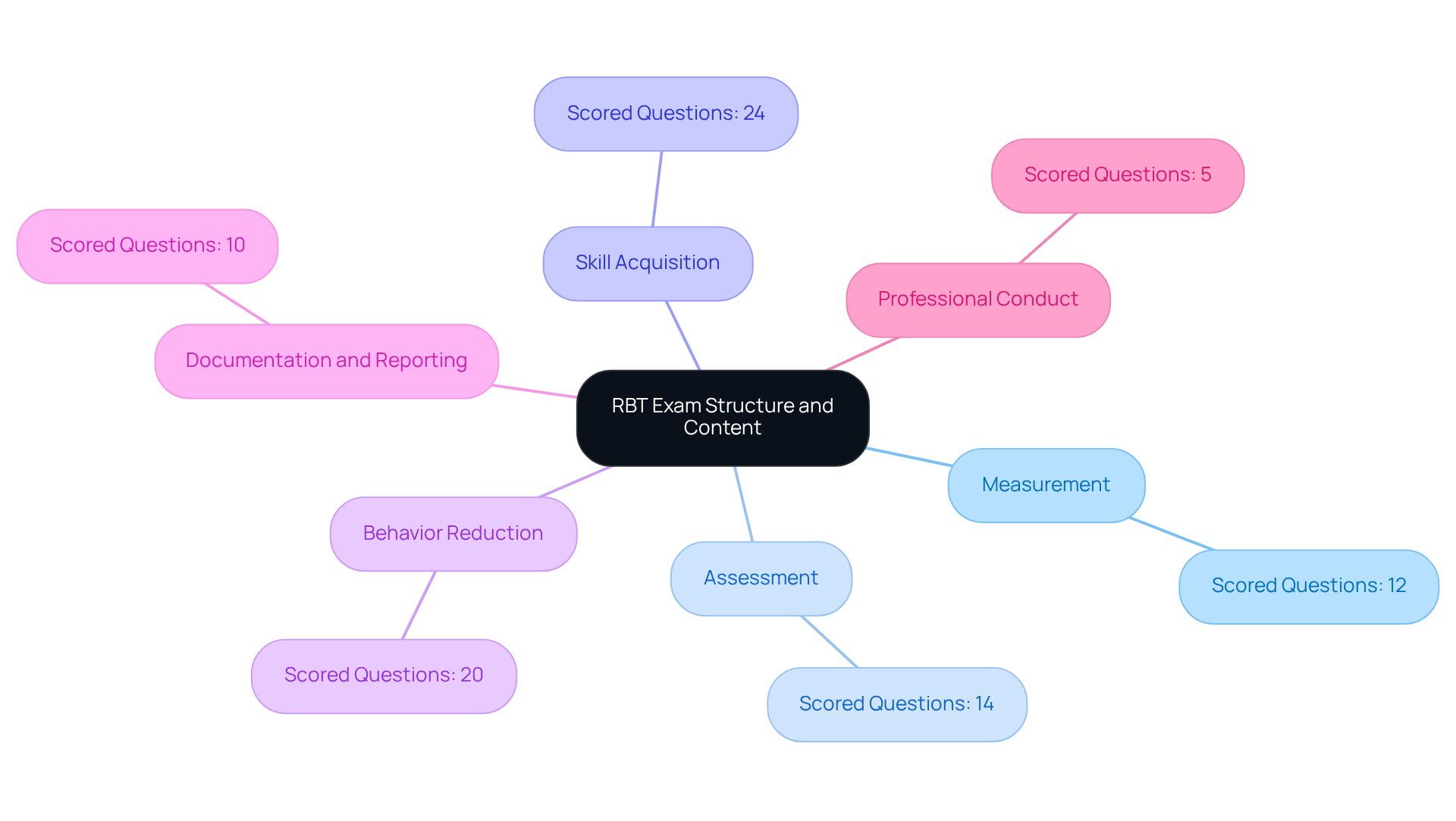
The consists of 85 multiple-choice questions, including 75 evaluated questions and 10 unscored pilot questions. Candidates have 90 minutes to complete the assessment, which is divided into six main content areas:
Each area features a specific number of scored questions, which candidates should prioritize in their study time. For example, Measurement includes 12 scored questions, while Skill Acquisition comprises 24.
Candidates are required to arrive at the testing center at least 30 minutes before their scheduled appointment to ensure a smooth check-in process. Familiarizing oneself with the , which outlines the necessary knowledge and skills for the assessment, is essential for .
The national average pass rate for the , setting realistic expectations for candidates regarding their likelihood of success. Understanding the utilized by the BACB to determine the passing score enhances the evaluation process of the assessment.
Furthermore, candidates have the opportunity to retake the up to eight times within a 12-month period if they do not succeed, which can alleviate some anxiety. This structured approach to prep allows individuals to allocate their preparation time effectively across all subjects, thereby improving their chances of success.
As Daniel Carter states, 'By mastering the , employing effective learning techniques, and maintaining a structured , you can pass the RBT assessment and advance in your career in behavior analysis.
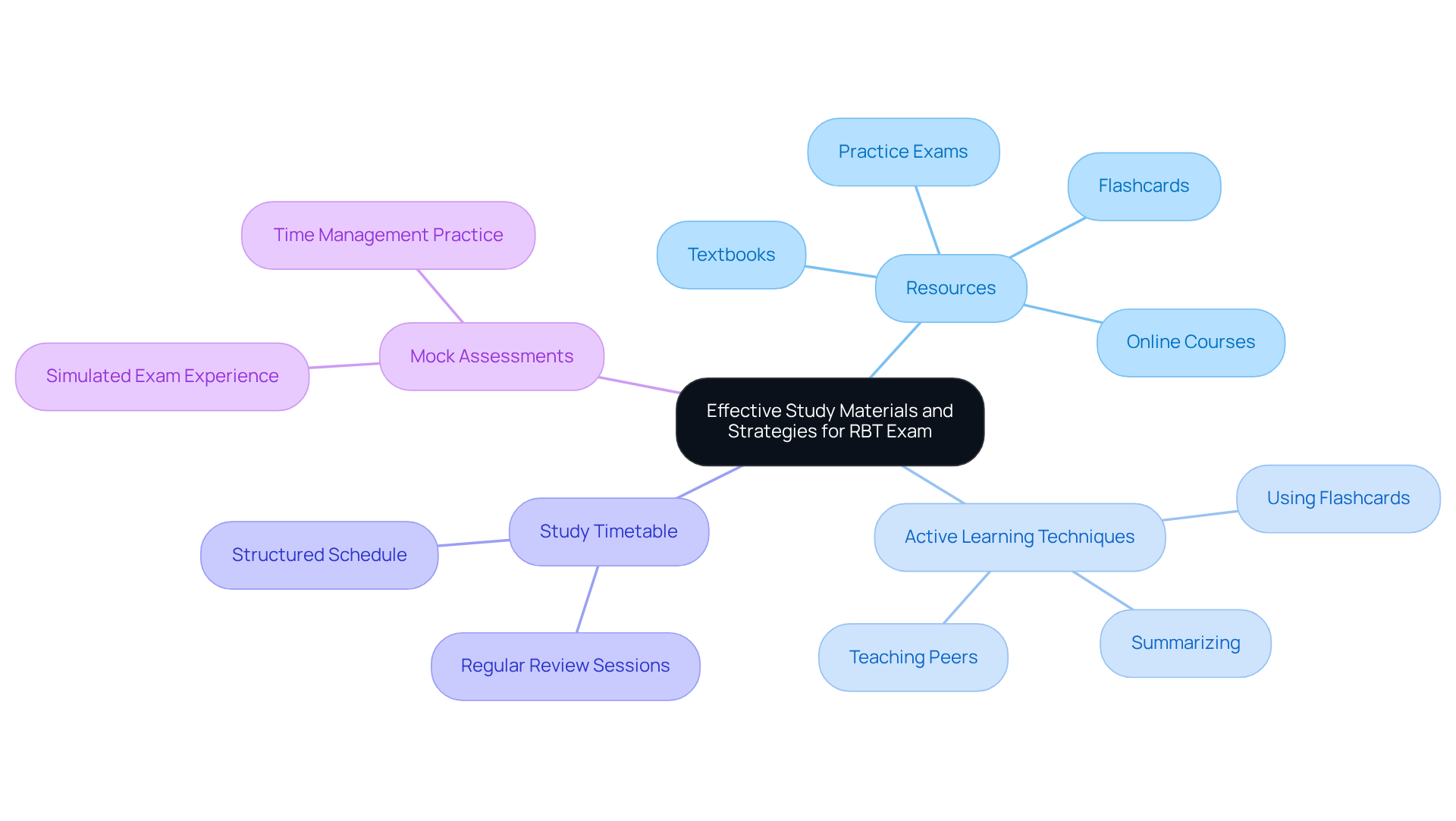
To prepare effectively for the , candidates must compile a diverse array of resources, such as textbooks, online courses, flashcards, and practice exams. Key resources such as the and the BACB's official preparation guide are crucial for understanding the essential skills and knowledge required. —summarizing information in one's own words, teaching concepts to peers, and using flashcards for key terms—significantly enhance retention and comprehension. Research suggests that active learning strategies can reduce achievement gaps, with evidence showing a 45% improvement in passing rates and a 33% decrease in examination score disparities.
Creating a that divides content into manageable sections enhances focus and guarantees . Candidates should aim to spend around 2.4 minutes per question during the assessment to manage their time effectively. Frequent review meetings and cooperative group study not only strengthen learning but also cultivate a supportive atmosphere that can result in enhanced test performance.
for efficient , helping participants manage time and reduce anxiety. By incorporating these strategies, individuals can significantly enhance their likelihood of succeeding in [](https://kidsfirstservices.com/first-insights/rbt-exam-study-guide) and progressing their careers in .
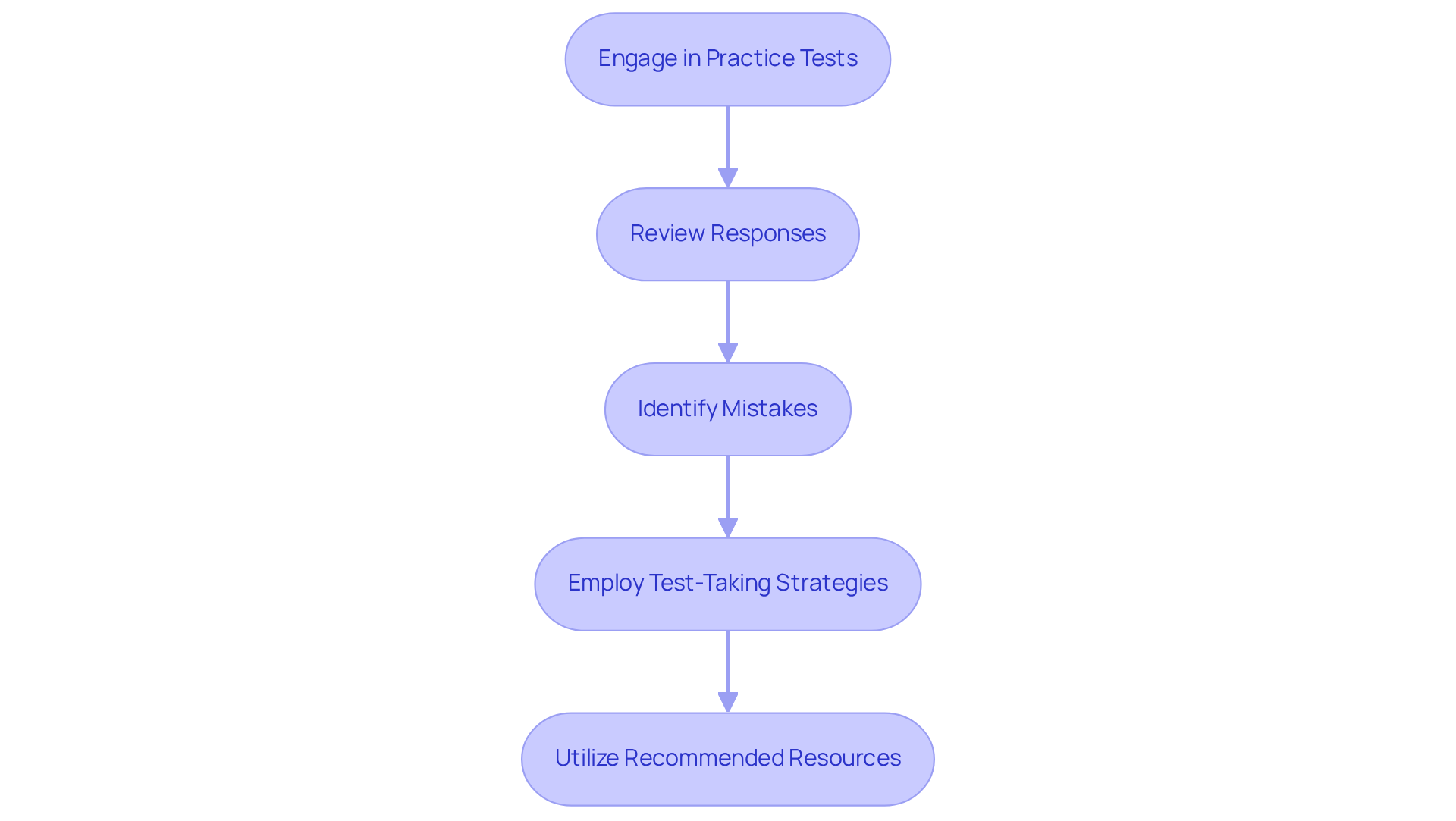
To excel in the , candidates must engage in through multiple to familiarize themselves with the format and question types. This strategy not only evaluates knowledge but also sharpens time management skills critical for the actual exam. By simulating real test conditions—timing practice assessments and minimizing distractions—candidates can further enhance their preparedness.
After completing these , reviewing responses, particularly incorrect ones, is vital for identifying mistakes and deepening understanding. Employing effective test-taking strategies, such as:
can significantly boost performance on assessment day. Educators emphasize that thorough , which includes an understanding of the and practice with simulated tests, is essential for achieving , with candidates aiming for scores above 80% to maximize their chances of success.
The average pass rate for hovers around 70-80%, underscoring the importance of these strategies. Candidates are strongly encouraged to leverage recommended resources, such as the and preparation books, to bolster their readiness. Moreover, awareness of common pitfalls, including and inadequate study time, can help individuals sidestep errors and improve their overall preparedness.
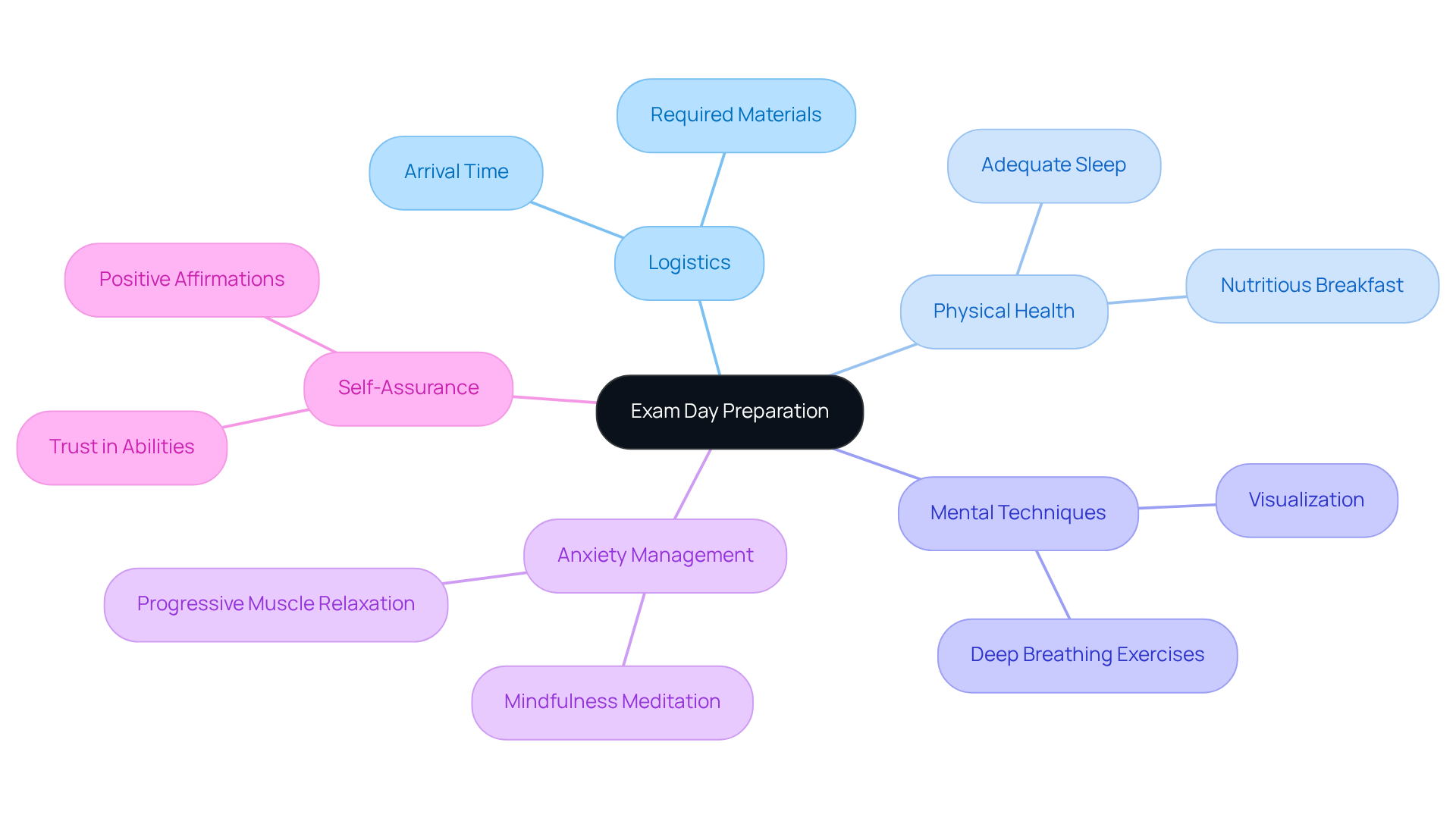
On test day, it is imperative that individuals ensure they possess all required materials, including identification and confirmation of their appointment. Arriving early is essential; it alleviates stress and provides valuable time to acclimate to the testing environment.
Maintaining a healthy routine in the days leading up to the test is crucial. This includes obtaining adequate sleep and enjoying a nutritious breakfast to energize both body and mind. , such as visualization and deep breathing exercises, are effective strategies for calming nerves and sharpening focus.
Psychologists emphasize the importance of managing for candidates. Techniques like deep breathing, progressive muscle relaxation, and mindfulness meditation are recommended to soothe nerves. can significantly enhance performance, while .
Candidates should also remind themselves of their thorough preparation and trust in their abilities; this self-assurance can substantially boost confidence as they approach the test. Notably, 85% of UK students report experiencing , underscoring the necessity of fostering a positive attitude to effectively tackle this challenge.
Furthermore, understanding the is vital for candidates to allocate study time efficiently, enabling them to navigate the exam's challenges with composure.
Mastering the RBT exam necessitates a thorough understanding of its structure and content, coupled with strategic preparation techniques. By concentrating on critical areas such as:
candidates can allocate their study time effectively and boost their chances of success. Familiarity with the RBT Task List and the array of available resources is essential for establishing a solid foundation in the knowledge and skills required for the assessment.
Key strategies include:
These methods not only enhance retention and comprehension but also equip candidates with vital test-taking skills. Furthermore, preparing for the logistics of exam day and fostering mental readiness through relaxation techniques can significantly influence performance. Acknowledging the importance of these elements empowers candidates to navigate the challenges of the RBT exam with confidence.
Ultimately, success in the RBT assessment is attainable through diligent preparation and a structured approach. Candidates are encouraged to adopt these strategies, harness their knowledge, and cultivate a positive mindset as they approach the exam. By prioritizing effective study habits and mental readiness, individuals can not only pass the RBT exam but also advance their careers in behavior analysis, contributing to the field with competence and assurance.
What is the structure of the RBT exam?
The RBT exam consists of 85 multiple-choice questions, including 75 evaluated questions and 10 unscored pilot questions.
How much time do candidates have to complete the RBT assessment?
Candidates have 90 minutes to complete the assessment.
What are the main content areas covered in the RBT exam?
The RBT exam is divided into six main content areas: Measurement, Assessment, Skill Acquisition, Behavior Reduction, Documentation and Reporting, and Professional Conduct.
How many scored questions are in each content area?
The number of scored questions in each area is as follows: Measurement has 12 scored questions, Assessment has 14, Skill Acquisition has 24, Behavior Reduction has 18, Documentation and Reporting has 4, and Professional Conduct has 3.
When should candidates arrive at the testing center?
Candidates are required to arrive at the testing center at least 30 minutes before their scheduled appointment.
What resource is essential for RBT exam preparation?
Familiarizing oneself with the RBT Task List, which outlines the necessary knowledge and skills for the assessment, is essential for RBT exam prep.
What is the national average pass rate for the RBT assessment?
The national average pass rate for the RBT assessment typically falls below 80%.
How does the BACB determine the passing score for the RBT assessment?
The BACB uses the Modified Angoff approach to determine the passing score, which enhances the evaluation process of the assessment.
How many times can candidates retake the RBT assessment if they do not pass?
Candidates can retake the RBT assessment up to eight times within a 12-month period if they do not succeed.
What strategies can help candidates prepare for the RBT exam?
Candidates can improve their chances of success by mastering the RBT Task List, employing effective learning techniques, and maintaining a structured RBT exam prep plan.
Our expert recruitment strategies and AI-driven sourcing ensure that you receive top-notch candidates quickly, without compromising on quality. Whether you’re looking for BCBAs, Clinical Directors, or RBTs, we’ve got you covered.


