


Thank you! Your submission has been received!
Oops! Something went wrong while submitting the form.
October 20, 2025

The landscape of behavioral health is rapidly evolving, and the Registered Behavior Technician (RBT) certification has emerged as a vital credential for aspiring professionals in this field. With the demand for qualified RBTs surging, understanding the financial implications of obtaining this certification is crucial. This article delves into the costs associated with the RBT exam, revealing not only the monetary investments required but also the significant benefits that accompany this qualification.
How can candidates effectively navigate these expenses while maximizing their career potential in a growing job market?
The certification, established by the , is essential for individuals delivering behavior-analytic services. To qualify as an RBT, candidates must meet several requirements:
As of 2025, the number of individuals certified as has surged, reflecting the growing demand for qualified professionals in the field. The quantity of increased from 328 in 2014 to over 100,000 in 2021, showcasing the rapid expansion of this credential. Furthermore, the job outlook for ABA therapists is projected to grow at a remarkable rate of 22% from 2019 to 2029, underscoring the rising demand for across various settings.
The RBT role is crucial in , as these technicians implement treatment plans under the supervision of . Their contributions significantly enhance the quality of care provided to individuals with , making the a critical pathway for aspiring professionals in this rewarding field. According to the BACB, the RBT credential ensures a baseline level of training for front-line staff, which is essential for delivering effective ABA services. Additionally, the average salary for RBTs is around $24 per hour, making this a competitive and appealing career choice for many.

It is crucial for candidates to understand , as the expenses associated with it can vary significantly. Here’s a detailed breakdown of the primary :
In addition to these main expenses, candidates must consider potential charges for background checks, which can range from $30 to $60, along with fingerprinting fees of $10 to $25, varying by location. Furthermore, candidates should allocate funds for competency evaluations, which may cost between $50 and $500, depending on the provider. Overall, the total projected expenses for RBT accreditation, including , can vary from $300 to $1,500, influenced by several factors. By budgeting for these costs, candidates can effectively prepare for the financial obligations associated with the RBT credentialing process.
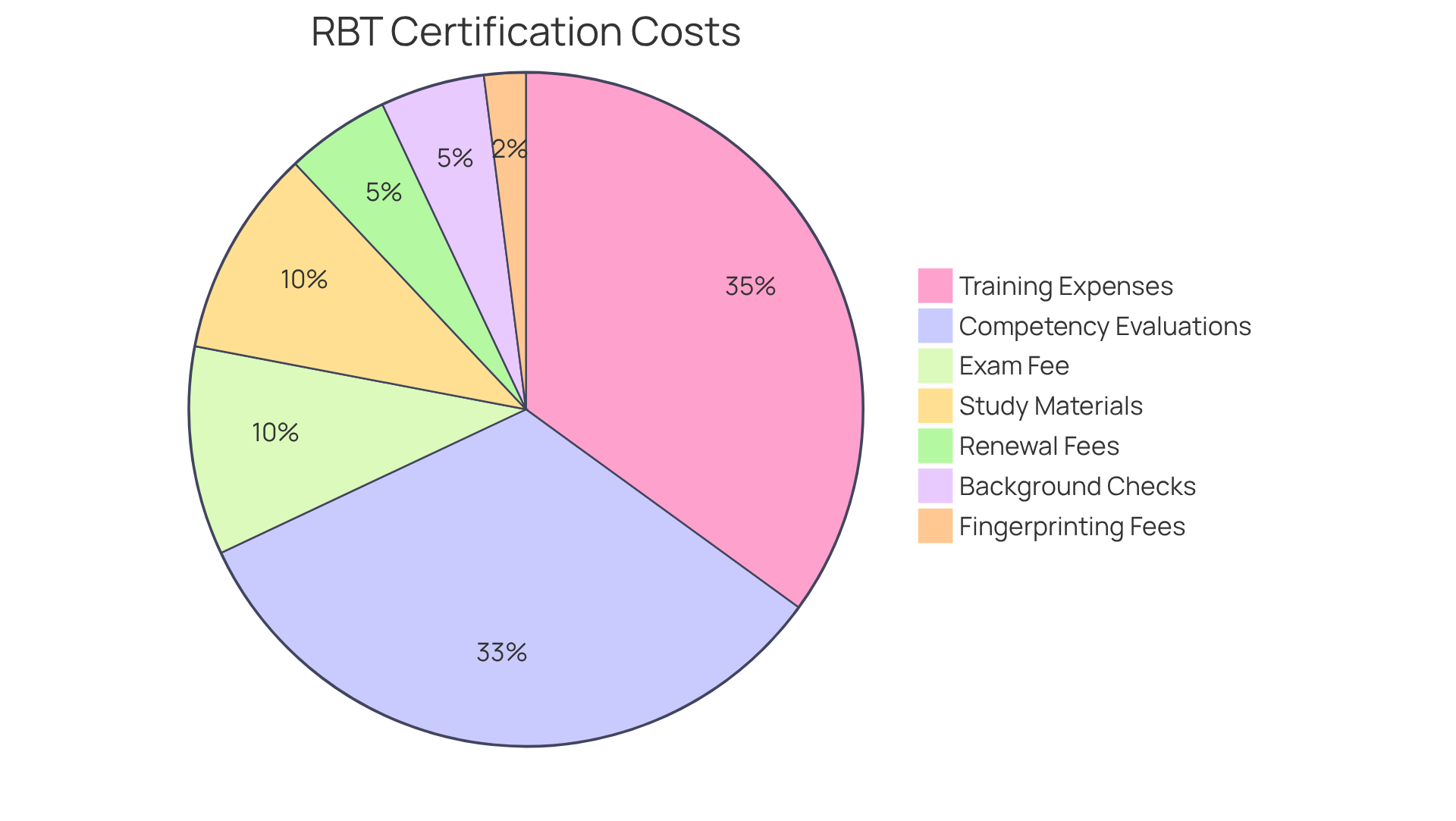
In addition to the primary costs associated with , candidates should consider several potential expenses that may impact their financial planning.
By considering these additional costs and exploring financial assistance options, candidates can effectively manage the financial aspects of acquiring their RBT qualification.

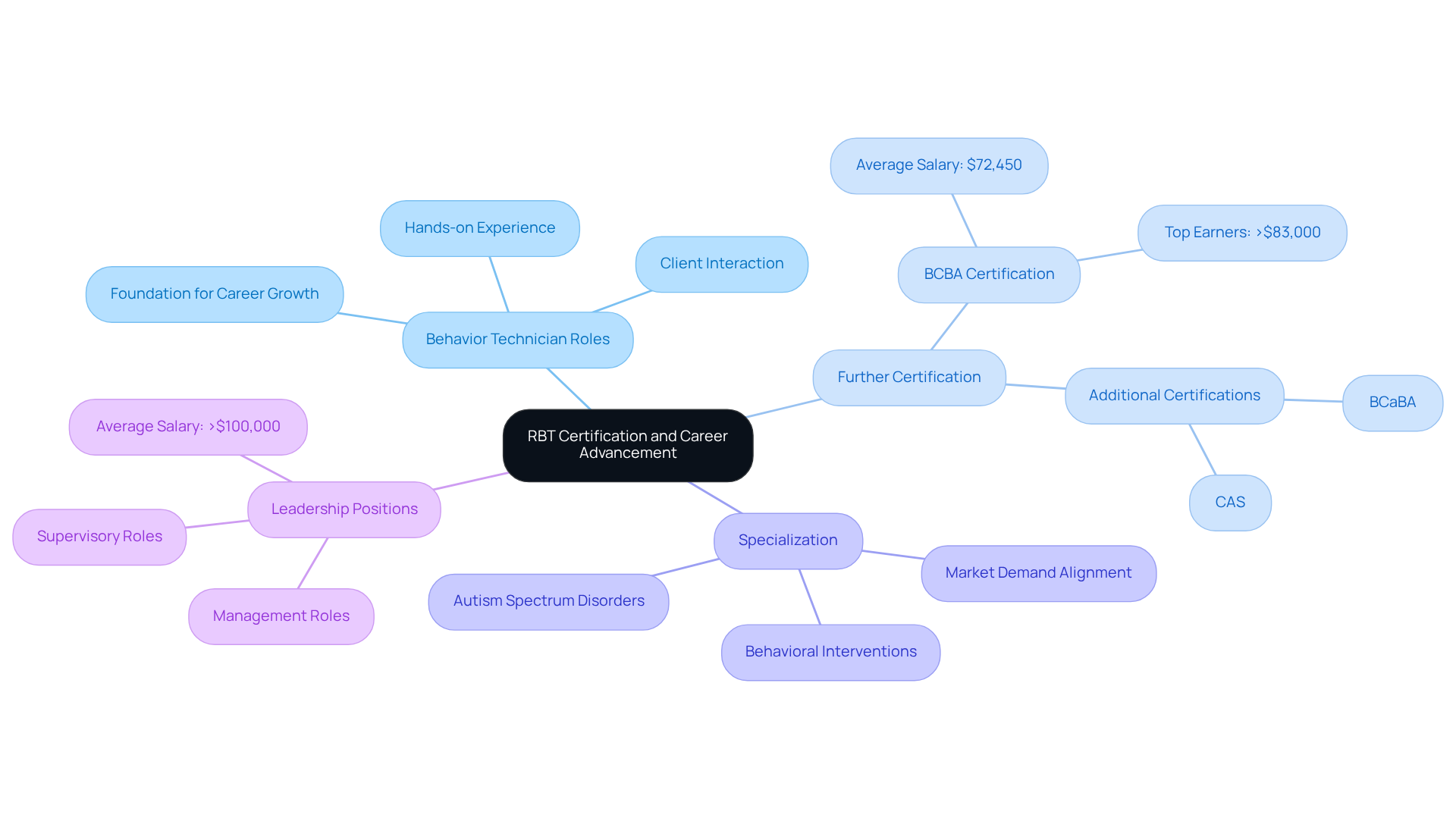
The demand for is on the rise, creating a wealth of within the Applied Behavior Analysis (ABA) field. is a strategic move that opens doors to various pathways for .
is not merely a career choice; it is a strategic decision for those looking to advance in ABA, particularly when they inquire about how much is the rbt exam. By embracing this certification, you position yourself for higher earning potential and diverse job opportunities. Are you ready to take the next step in your ABA career?
The journey to becoming a Registered Behavior Technician (RBT) is not just about understanding the certification process; it involves recognizing the associated costs and potential benefits that come with this vital role. The RBT exam stands as a critical gateway for individuals eager to make a significant impact in the field of Applied Behavior Analysis (ABA). By investing in this certification, candidates position themselves for a rewarding career that aligns with the growing demand for qualified professionals in behavior analysis.
Key points highlighted throughout this article include a breakdown of costs related to the RBT exam, which can range from $300 to $1,500 based on various factors. This detailed examination of expenses—covering training fees, study materials, and renewal costs—underscores the necessity of financial planning for prospective RBTs. Furthermore, the potential for financial aid and employer support can significantly alleviate the burden of these expenses. Beyond the immediate costs, pursuing RBT certification unlocks numerous career advancement opportunities, from direct client interaction to specialized roles and leadership positions within the ABA field.
Embracing the RBT certification not only enhances professional qualifications but also translates into long-term career benefits, including competitive salaries and job security. With the demand for behavior analysts on the rise, now is the opportune moment for aspiring RBTs to take decisive action. By preparing for the RBT exam and carefully considering the financial aspects involved, candidates can embark on a fulfilling career that positively impacts the lives of individuals with autism spectrum disorder and beyond.
What is the RBT certification?
The Registered Behavior Technician (RBT) certification is established by the Behavior Analyst Certification Board (BACB) and is essential for individuals delivering behavior-analytic services.
What are the requirements to become an RBT?
To qualify as an RBT, candidates must be at least 18 years old, possess a high school diploma or equivalent, complete a mandatory 40-hour training program focused on behavior analysis principles, undergo a criminal background check, and pass the RBT exam.
How has the number of certified RBTs changed over the years?
The number of individuals certified as registered behavior technicians has increased significantly, from 328 in 2014 to over 100,000 in 2021, reflecting the growing demand for qualified professionals in the field.
What is the job outlook for RBTs and ABA therapists?
The job outlook for ABA therapists, including RBTs, is projected to grow at a remarkable rate of 22% from 2019 to 2029, indicating a rising demand for registered behavior technicians across various settings.
What is the role of an RBT in ABA therapy?
RBTs implement treatment plans under the supervision of Board Certified Behavior Analysts (BCBAs), playing a crucial role in enhancing the quality of care provided to individuals with autism spectrum disorder (ASD).
Why is the RBT certification process important?
The RBT certification process ensures a baseline level of training for front-line staff, which is essential for delivering effective ABA services.
What is the average salary for RBTs?
The average salary for RBTs is around $24 per hour, making it a competitive and appealing career choice for many.
Our expert recruitment strategies and AI-driven sourcing ensure that you receive top-notch candidates quickly, without compromising on quality. Whether you’re looking for BCBAs, Clinical Directors, or RBTs, we’ve got you covered.


