


Thank you! Your submission has been received!
Oops! Something went wrong while submitting the form.
October 28, 2025

Applied Behavior Analysis (ABA) therapy stands as a pivotal approach in understanding and modifying behaviors, particularly for individuals with autism spectrum disorder (ASD). This evidence-based method, grounded in learning theory, not only aims to foster positive behaviors but also seeks to mitigate harmful ones.
Yet, this raises an essential question: does ABA therapy truly work? As families and professionals delve into the effectiveness of ABA, they encounter varying outcomes and success rates. This prompts a deeper investigation into its principles, techniques, and the tangible benefits it offers to both individuals and their families.
What lies beneath the surface of ABA therapy's promise? How can its principles be harnessed to maximize developmental progress?
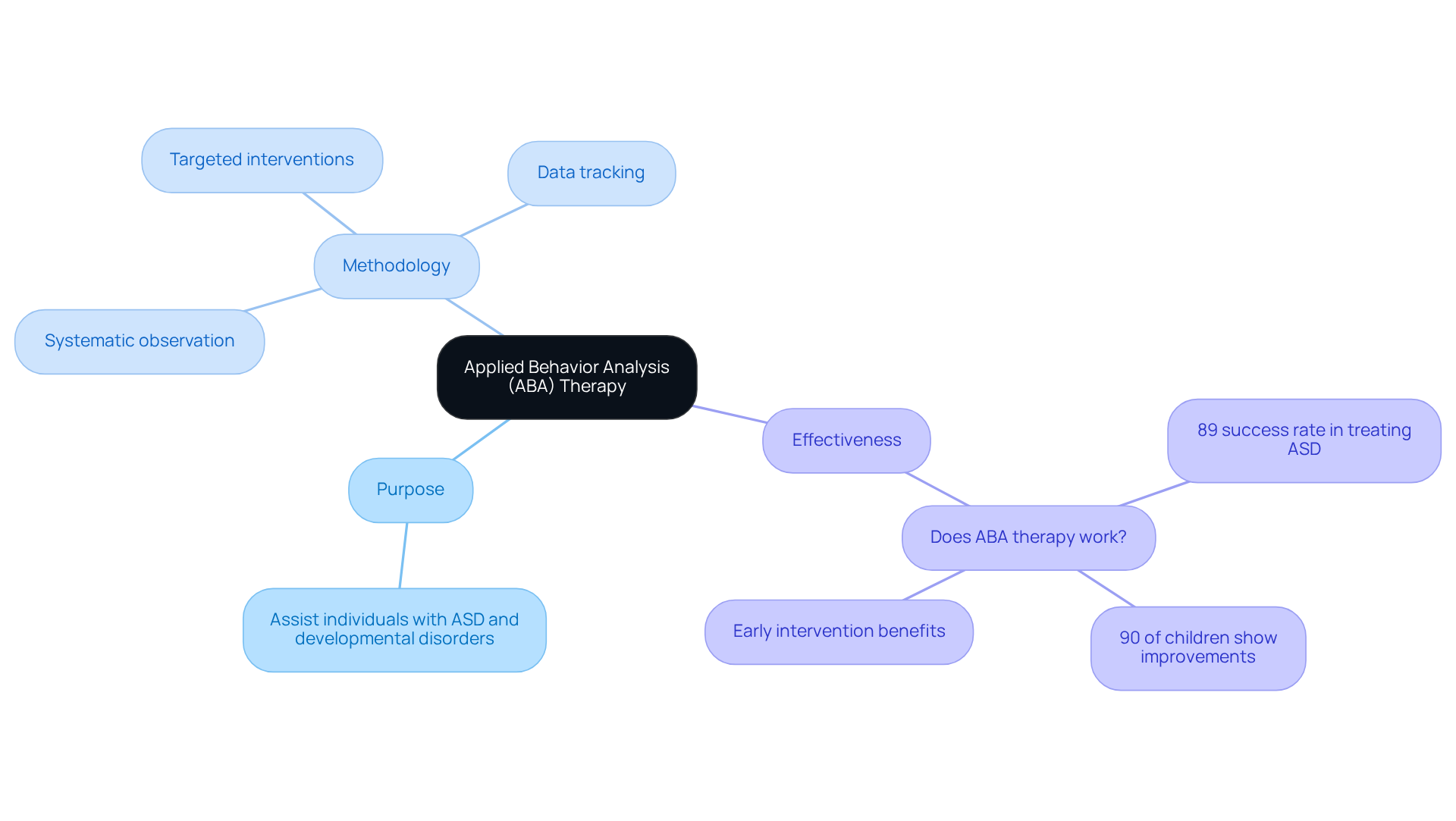
serves as a scientific method to understand and change behaviors, leading to the inquiry of ? It is primarily employed to assist (ASD) and other developmental disorders, raising the question of whether by leveraging to foster positive behaviors and mitigate harmful ones.
Central to ABA is the , followed by targeted interventions designed to reinforce desired actions while minimizing those that are undesirable. This therapeutic approach is characterized by its focus on and the application of data to track progress and outcomes. As a result, many people ask, as a systematic and ?
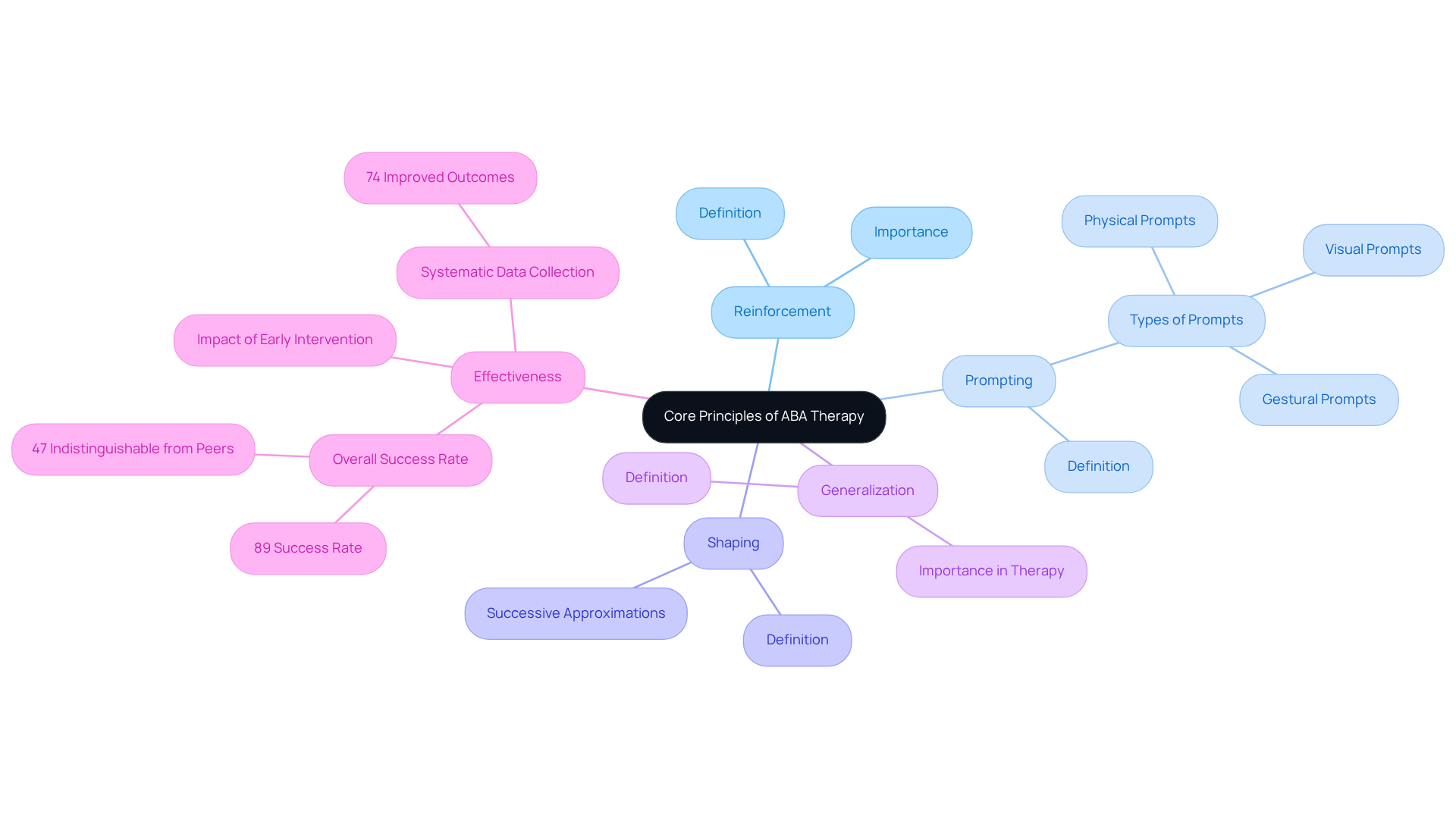
The foundational principles of encompass reinforcement, prompting, shaping, and generalization.
These methods are carefully utilized to create that meet the distinct requirements of every client, significantly improving the overall efficiency of the intervention. Research indicates that interventions utilizing provide evidence that , yielding success rates of approximately 89%. Additionally, interventions involving systematic data collection have led to 74% improved results, highlighting the in ABA.
Beginning ABA interventions before the age of 2 can result in more significant improvements in communication skills. Notably, 47% of children who participated in ABA methods were later indistinguishable from their peers, which raises the question of whether in positively affecting children's development.
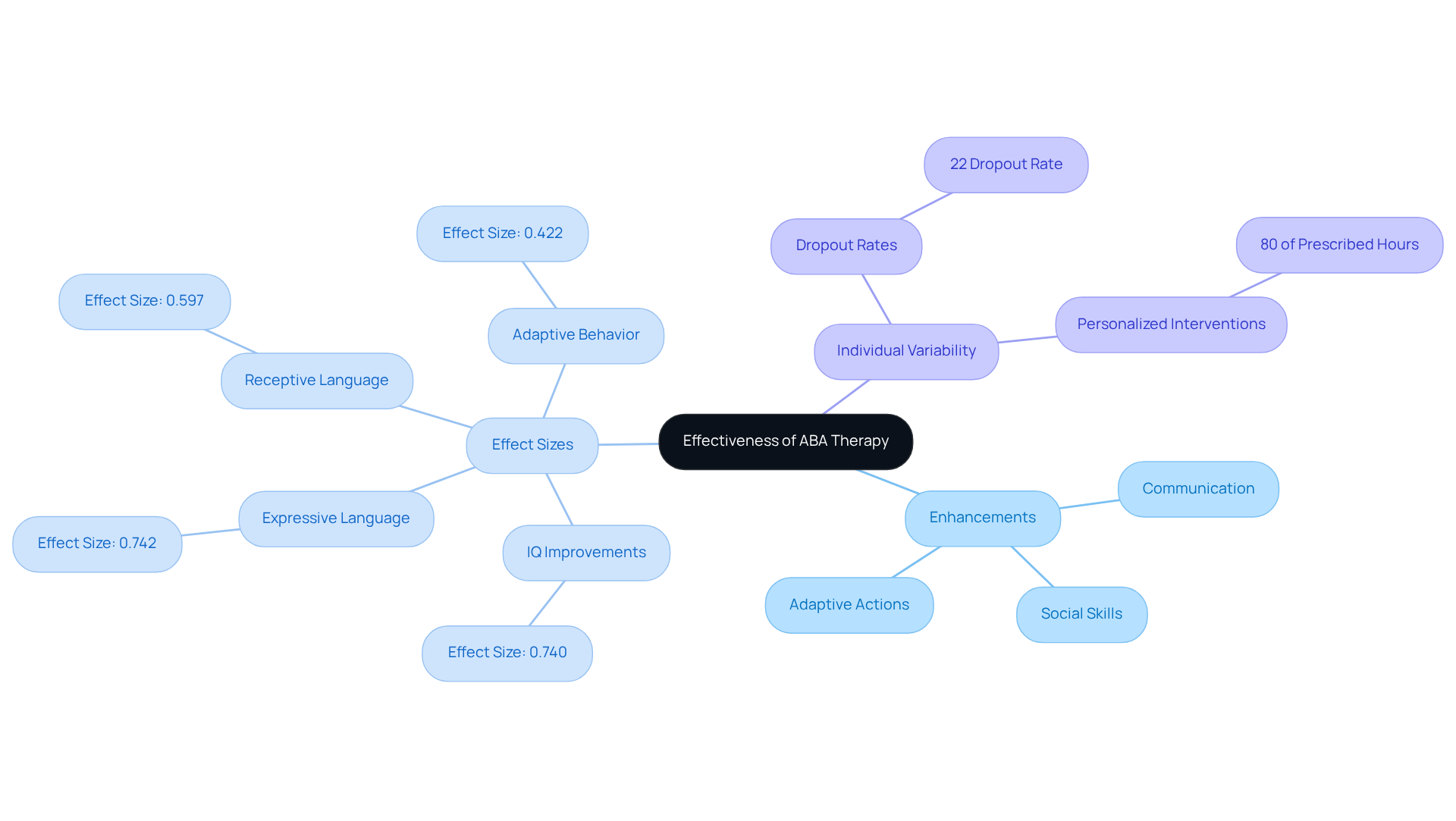
Extensive research has consistently demonstrated that a key question is whether works in enhancing outcomes for . Intensive and long-term ABA interventions are associated with . Recent meta-analyses indicate that yields small to moderate enhancements in adaptive behavior, particularly in areas such as socialization and expressive language, with effect sizes of 0.740 for IQ improvements and 0.742 for expressive language. For instance, research indicates that youngsters who participate in extensive ABA programs demonstrate .
However, it is essential to acknowledge that the extent of enhancement can differ greatly among individuals. Some studies indicate that a portion of youth may not experience considerable advancement. Significantly, a study by Howard and associates discovered a , highlighting the difficulties encountered in sustaining consistent treatment engagement. Furthermore, children benefiting from at least 80% of prescribed ABA hours show noticeable gains, reinforcing the need for .
This variability underscores the significance of to ensure optimal effectiveness and assistance for every individual undergoing ABA. The American Psychological Association acknowledges that works as an , further validating its role in improving developmental outcomes.
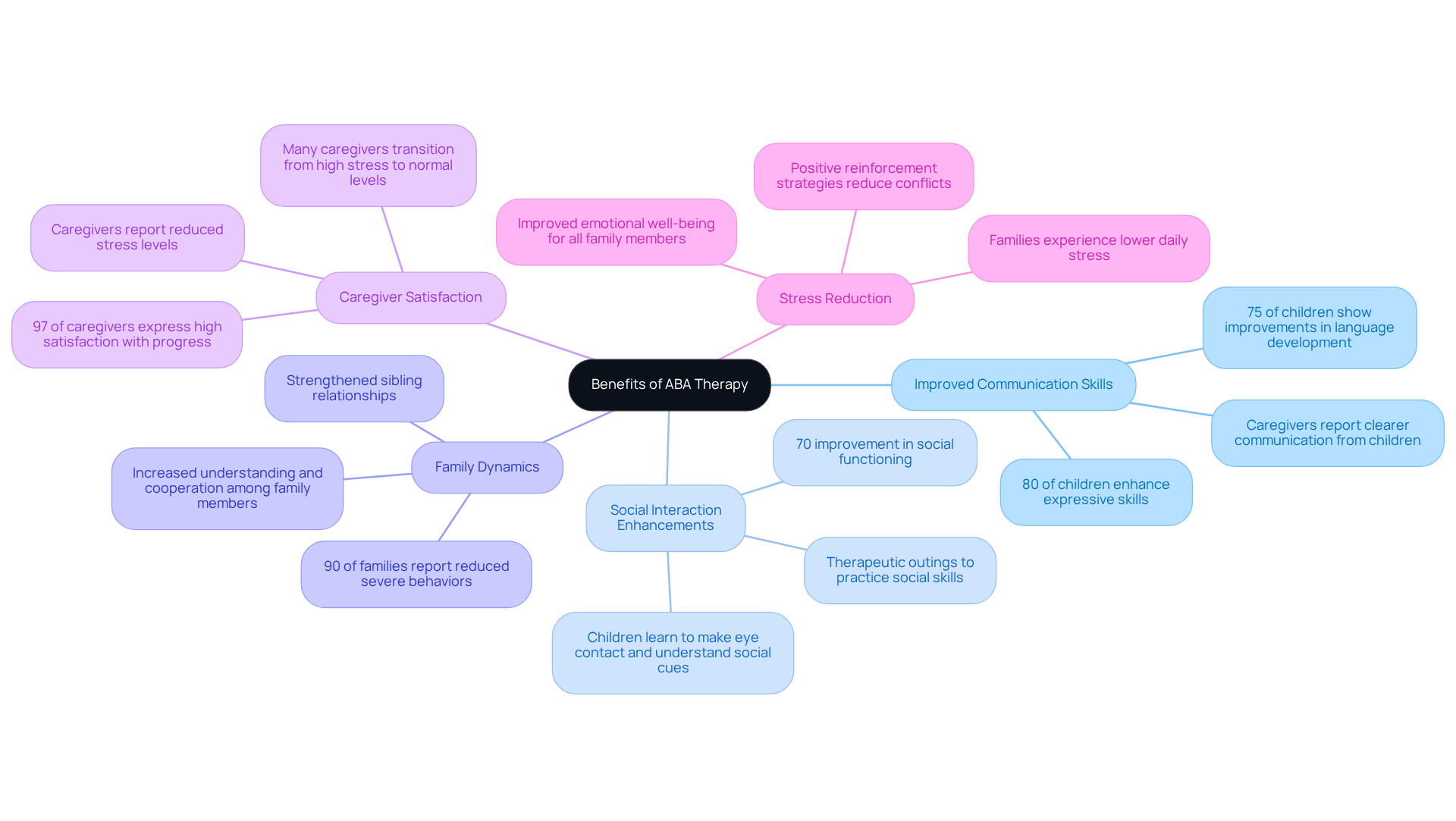
offers substantial benefits not just for individuals with autism but also for their families. Children receiving often experience , social interactions, and independence in daily activities. Research indicates that approximately 90% of families report a , contributing to a more harmonious home environment. Furthermore, over 97% of caregivers express high satisfaction with their offspring's progress, highlighting the treatment's effectiveness. As young individuals advance in treatment, families often undergo lowered stress levels, with numerous caregivers transitioning from clinically elevated stress to normal ranges after only 12 months of services, as shown by PSI-4 results. This shift is crucial, as it fosters healthier family dynamics and .
Moreover, provide families with . Parents learn that not only reduce daily stress but also promote a collaborative approach to learning. For instance, a family in California noted that their eight-year-old son made substantial improvements in communication skills, leading to reduced frustrations and strengthened family bonds. Furthermore, families engaged in report increased understanding and cooperation among members, which enhances sibling relationships and reduces parental stress.
Overall, many wonder how well does ABA therapy work, as the significantly enhance the quality of life for both individuals and their families, making it an invaluable intervention in the treatment of autism.
The effectiveness of Applied Behavior Analysis (ABA) therapy in fostering positive behavioral changes and improving the lives of individuals with autism spectrum disorder (ASD) is well-documented. By employing systematic observation and targeted interventions, ABA therapy not only enhances communication and social skills but also creates a supportive environment for families. This evidence-based approach demonstrates that ABA therapy works, leading to significant improvements for many individuals.
Key insights reveal that the principles of reinforcement, prompting, and shaping are critical to the success of ABA interventions. Research indicates that early intervention yields the most substantial benefits, with many children showing remarkable progress. Moreover, the satisfaction rates among families underscore the therapy's positive impact, as they report reduced stress and improved family dynamics. However, it is essential to recognize the variability in outcomes, emphasizing the need for personalized treatment plans that cater to each individual's unique needs.
In light of these findings, it is clear that ABA therapy is not merely a method for behavior modification; it is a transformative approach that enhances the quality of life for individuals with autism and their families. As our understanding of ABA continues to evolve, ongoing research and advocacy will be vital in ensuring that more individuals can access these life-changing interventions. Embracing the principles of ABA therapy can pave the way for a brighter future, fostering independence and connection for those affected by autism.
What is Applied Behavior Analysis (ABA) therapy?
Applied Behavior Analysis (ABA) therapy is a scientific method used to understand and change behaviors, primarily aimed at assisting individuals with autism spectrum disorder (ASD) and other developmental disorders.
How does ABA therapy work?
ABA therapy works by leveraging principles of learning theory to foster positive behaviors and reduce harmful ones through systematic observation, measurement of behaviors, and targeted interventions that reinforce desired actions.
What is the focus of ABA therapy?
The focus of ABA therapy is on observable behaviors, using data to track progress and outcomes, and applying interventions to promote behavioral change.
Is ABA therapy considered effective?
Yes, many people inquire about the effectiveness of ABA therapy, and it is recognized as a systematic and evidence-supported method for facilitating behavioral change.
Our expert recruitment strategies and AI-driven sourcing ensure that you receive top-notch candidates quickly, without compromising on quality. Whether you’re looking for BCBAs, Clinical Directors, or RBTs, we’ve got you covered.


