


Thank you! Your submission has been received!
Oops! Something went wrong while submitting the form.
September 4, 2025
The field of behavior analysis is experiencing unprecedented growth, with the demand for skilled professionals reaching an all-time high. Board certified assistant behavior analysts (BCaBAs) are pivotal in this landscape, providing essential behavior-analytic services that range from conducting assessments to developing treatment plans. This guide serves as a comprehensive roadmap for aspiring BCaBAs, detailing the educational requirements, examination process, and ongoing certification maintenance needed to excel in this rewarding profession. Given the numerous steps involved, what strategies can ensure a successful journey toward becoming a certified assistant behavior analyst?
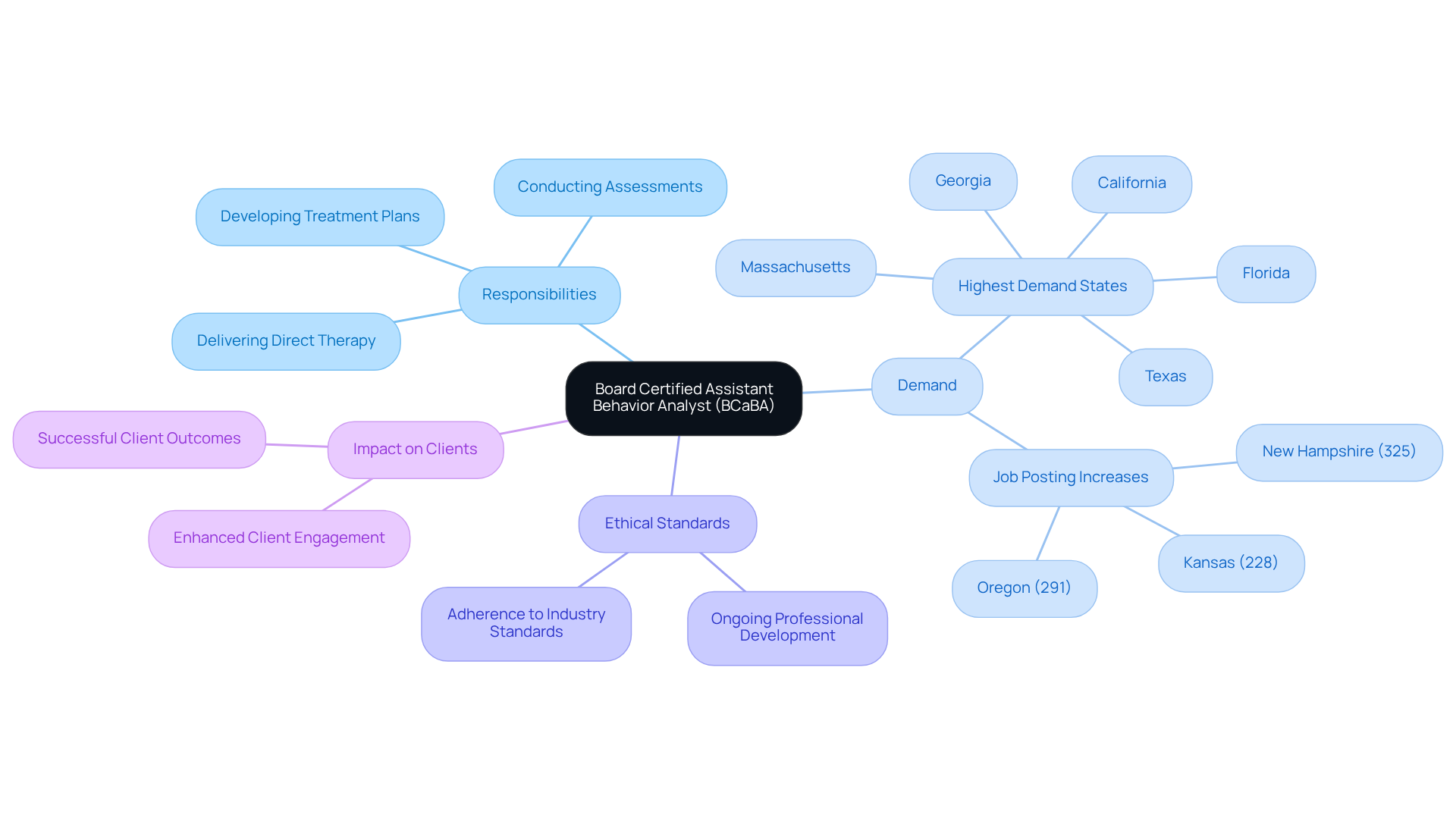
A board certified assistant behavior analyst is a vital asset in the field of behavior analysis, holding an undergraduate-level certification and operating under the supervision of a board certified behavior analyst. The demand for board certified assistant is increasing, reflecting the critical role they play in implementing . These services encompass a range of responsibilities, including:
In the United States, thousands of board certified assistant collaborate with BCBAs, illustrating the increasing necessity for these specialists in Applied Behavior Analysis (ABA).
The responsibilities of behavior analysts extend beyond client success; they are bound by . These guidelines ensure that behavior analysts maintain industry standards, which are essential for achieving successful client outcomes and meeting regulatory requirements. For instance, behavior analysts are expected to engage in and supervision, which keeps them informed of best practices and ethical considerations in their field.
The successful by certified assistants can be demonstrated through various case studies. In a recent initiative, for example, behavior analysts were pivotal in crafting tailored that significantly enhanced client engagement and outcomes. Such instances highlight the importance of within the broader context of ABA therapy, showcasing their contributions not only to individual client success but also to the overall effectiveness of behavioral interventions.
Are you facing challenges in hiring qualified behavior analysts? Consider how Hire ABA can streamline your recruitment process and connect you with the right professionals to meet your needs. The reliability of our platform can help you build a strong team of board certified assistant behavior analysts and BCBAs, ensuring that your organization excels in delivering exceptional .
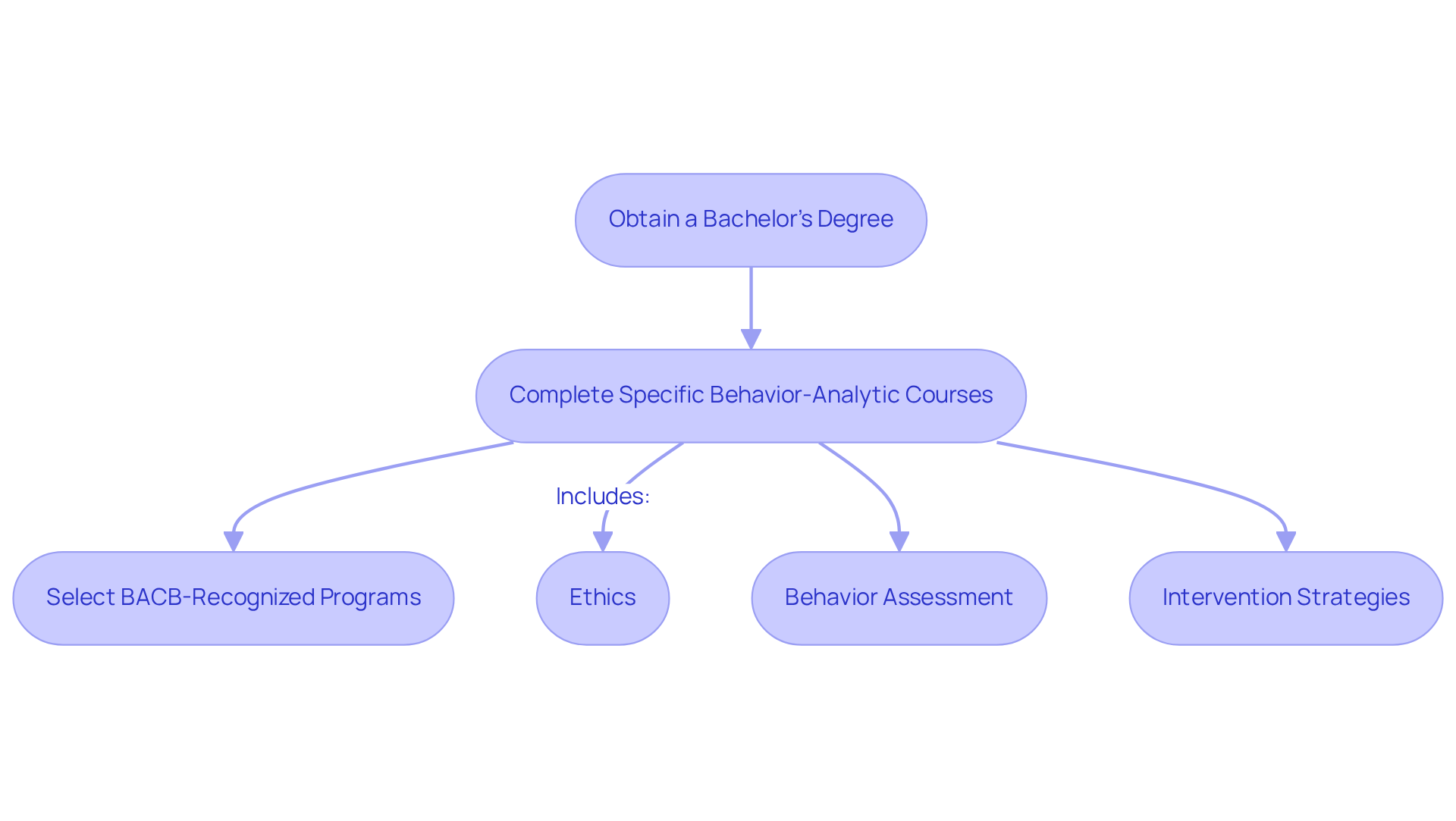
To become a (BCaBA), individuals must complete a bachelor's degree from an accredited institution. While this degree can be in any field, pursuing coursework in psychology, special education, or is highly beneficial. Moreover, applicants are required to finish that meet the standards set by the (BACB) to qualify as a . These courses typically cover essential topics such as:
It is advisable to select programs recognized by the BACB to ensure that the education received prepares individuals to become s.
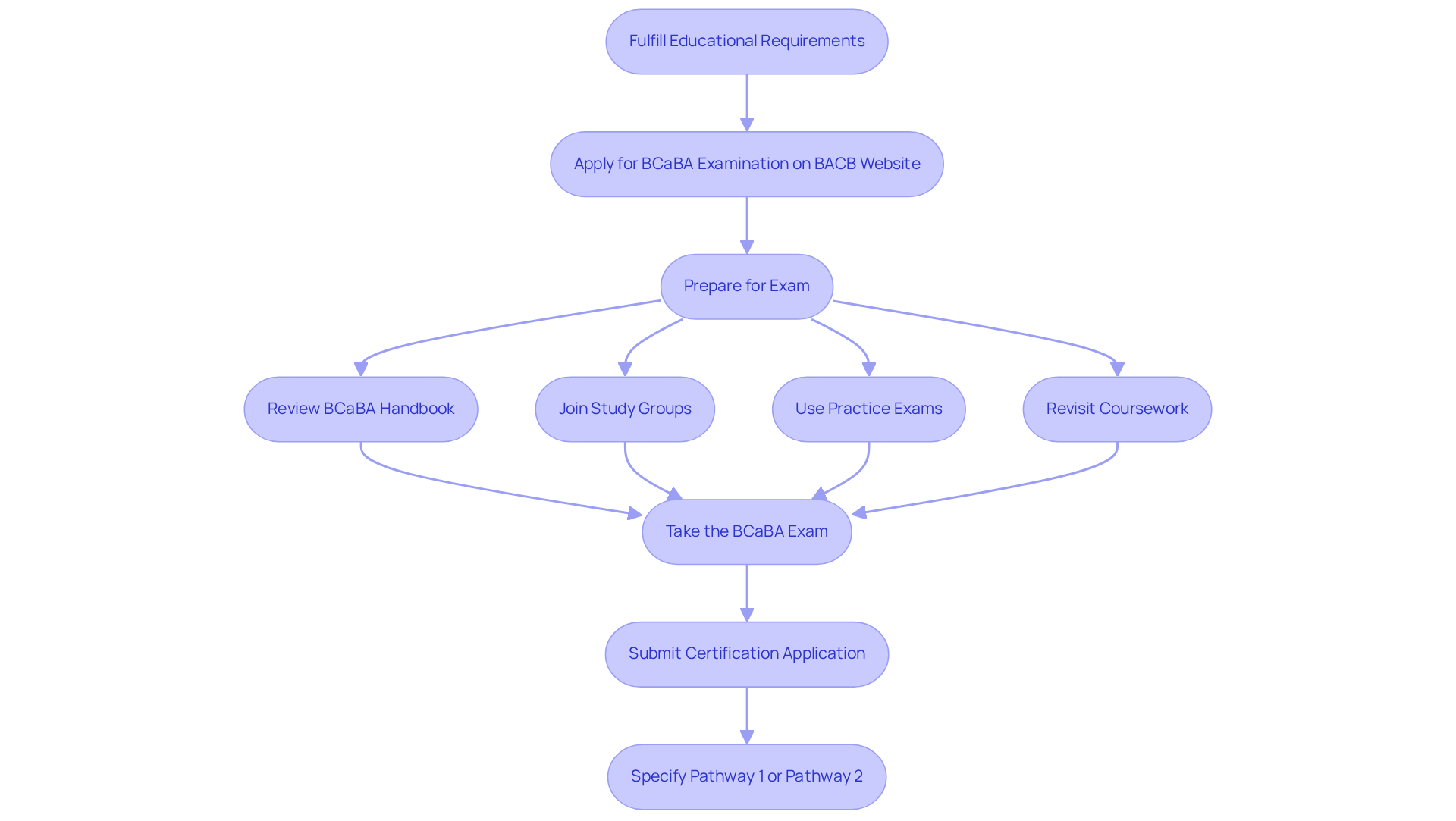
After fulfilling the educational requirements, individuals are required to apply for the via the BACB website. This examination consists of multiple-choice questions aimed at assessing one's knowledge of behavior analysis principles and practices.
To ensure effective preparation, individuals are strongly encouraged to:
These strategies can significantly bolster comprehension and retention of the material. , recommending an average commitment of 10 to 15 hours each week dedicated to exam preparation.
Additionally, candidates should budget approximately $1,000 for textbooks and software. Notably, in 2022, 100% of USF MA students who attempted the BCaBA exam achieved success on their first attempt, highlighting the effectiveness of thorough preparation.
Upon passing the exam, applicants may proceed to submit their to the BACB, ensuring that all required documentation and fees are included. It is crucial for applicants to specify the correct pathway (Pathway 1 or Pathway 2) in their application to avoid any complications.
This structured approach not only streamlines the certification process but also equips candidates with the essential tools to thrive in their future roles as .
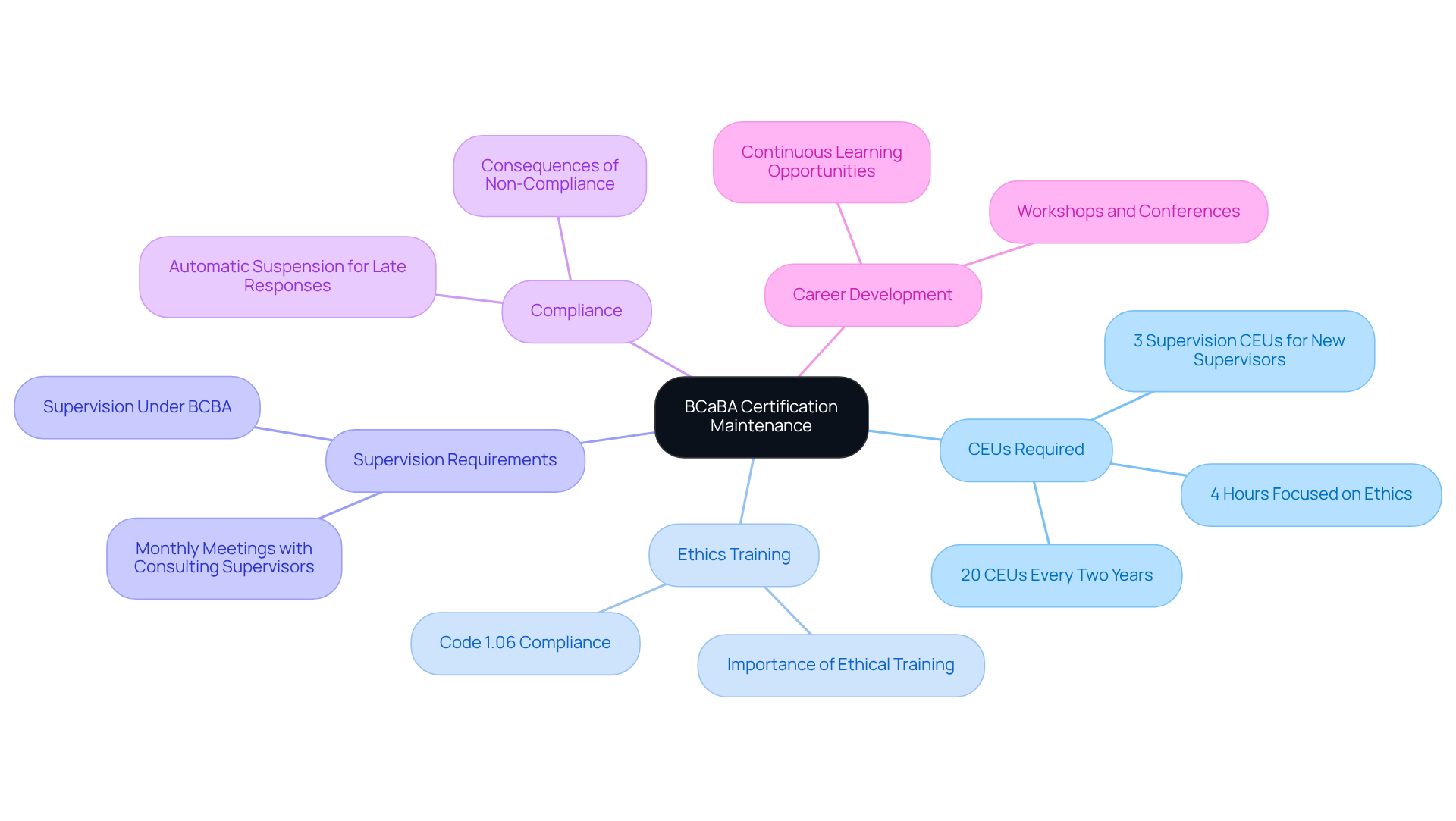
To retain the certification, individuals must complete 20 (CEUs) every two years. Notably, these CEUs must encompass at least 4 hours focused on ethics. Furthermore, new supervisors are required to accumulate a minimum of three .
Continuous is crucial for staying informed about best practices and advancements in behavior analysis. , ensuring they consistently receive guidance and support in their roles. Regularly reviewing the BACB's guidelines, along with participating in workshops, conferences, and online courses, can aid behavior analysts in fulfilling their while enhancing their skills.
It is imperative to understand that failing to respond to the BACB by the designated deadline may result in automatic suspension of certification, highlighting the necessity for compliance. Statistics indicate that a significant number of behavior analysts successfully meet their CEU requirements through a combination of organized workshops and independent study, underscoring the importance of an active approach to .
Moreover, case studies reveal that professionals acting as board certified assistant behavior analysts who prioritize are better equipped to navigate the complexities of their roles, ultimately leading to . New supervisors are ethically bound to uphold professional competence as outlined in , which emphasizes the critical role of ethical training in their supervisory practices.
Becoming a Board Certified Assistant Behavior Analyst (BCaBA) is not just a career choice; it is a vital step in a growing field that demands expertise and dedication. The demand for Board Certified Behavior Analysts (BCBAs) continues to rise, highlighting the importance of this certification in enhancing career prospects while significantly improving the effectiveness of behavior-analytic services. By grasping the responsibilities, educational requirements, and the certification process, individuals can position themselves as indispensable resources in the ABA community.
This guide has underscored essential aspects such as the necessity of educational qualifications, the rigorous examination process, and the commitment to ongoing professional development through continuing education. Success in this field hinges on a comprehensive preparation approach and strict adherence to ethical standards. Additionally, the collaborative nature of the BCaBA role showcases the importance of teamwork and supervision in achieving positive client outcomes.
Reflecting on the significance of becoming a BCaBA, it is evident that this pathway not only fosters personal and professional growth but also elevates the quality of care provided in behavior analysis. Are you ready to take proactive steps in your educational journey? Aspiring behavior analysts must remain committed to ethical practices and continuous learning. By doing so, they can ensure their contributions lead to meaningful advancements in the lives of those they serve, ultimately reinforcing the significance of this vital profession.
What is the role of a Board Certified Assistant Behavior Analyst (BCaBA)?
A BCaBA is an undergraduate-level certified professional who operates under the supervision of a Board Certified Behavior Analyst (BCBA) and is involved in implementing behavior-analytic services.
What are the key responsibilities of a BCaBA?
The key responsibilities of a BCaBA include conducting assessments, developing treatment plans, and delivering direct therapy to clients.
Why is the demand for BCaBAs increasing?
The demand for BCaBAs is increasing due to their critical role in providing behavior-analytic services and the growing need for these specialists in the field of Applied Behavior Analysis (ABA).
What ethical standards must behavior analysts adhere to?
Behavior analysts are bound by ethical standards that require ongoing professional development and supervision, ensuring they stay informed about best practices and ethical considerations in their field.
How do BCaBAs contribute to client success?
BCaBAs contribute to client success by implementing tailored treatment plans that enhance client engagement and outcomes, as demonstrated through various case studies.
How can organizations find qualified behavior analysts?
Organizations can streamline their recruitment process and connect with qualified professionals, including BCaBAs and BCBAs, through platforms like Hire ABA, which helps build strong teams for delivering behavior-analytic services.
Our expert recruitment strategies and AI-driven sourcing ensure that you receive top-notch candidates quickly, without compromising on quality. Whether you’re looking for BCBAs, Clinical Directors, or RBTs, we’ve got you covered.


