


Thank you! Your submission has been received!
Oops! Something went wrong while submitting the form.
June 22, 2025

The demand for Board Certified Behavior Analysts (BCBAs) is rapidly increasing, with projections indicating a remarkable 25% rise by 2026. This surge not only underscores the pressing need for skilled professionals in Applied Behavior Analysis (ABA) but also highlights the critical role of effective prompting strategies in therapy. Among these, the least-to-most prompting technique emerges as a powerful method that promotes independence while facilitating skill acquisition. Yet, how can practitioners ensure they are employing this approach effectively to address the diverse needs of their learners? This article delves into nine essential strategies designed to enhance the implementation of least-to-most prompting, ultimately ensuring successful outcomes in ABA therapy.
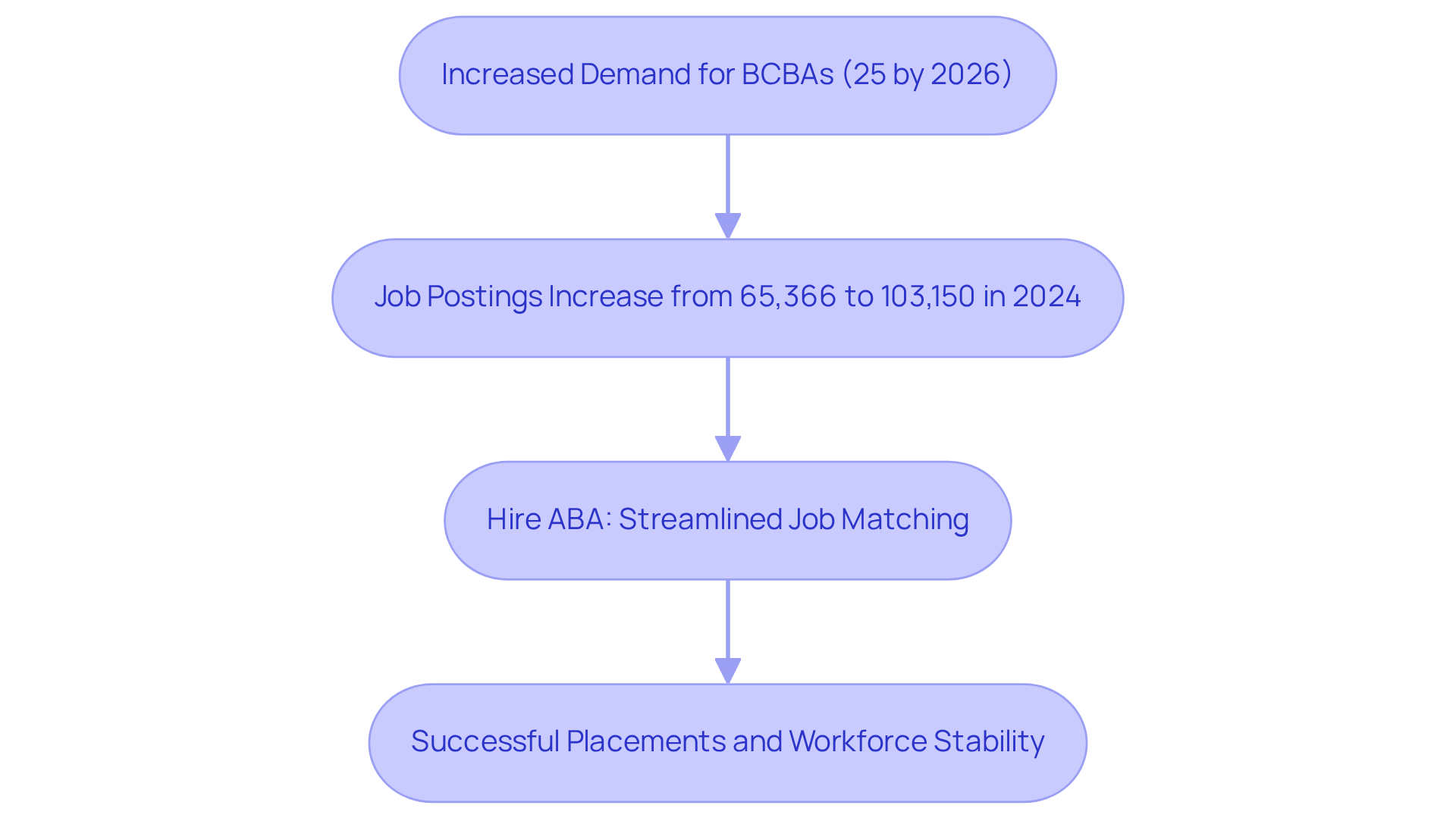
The demand for Board Certified Behavior Analysts (BCBAs) is projected to by 2026. This significant increase highlights the urgent need for qualified professionals in the swiftly growing sector of Applied Behavior Analysis (ABA). In 2024 alone, skyrocketed from 65,366 to 103,150, underscoring the faced by employers.
Hire ABA functions as a that effectively links BCBAs with top job opportunities. By streamlining the hiring process through , Hire ABA ensures that candidates can easily find roles that align with their skills and career aspirations. Are you struggling to navigate the competitive field of ABA? Hire ABA is committed to offering , empowering job seekers to maneuver effectively.
By leveraging , Hire ABA enhances the likelihood of successful placements. This not only addresses the immediate hiring needs but also contributes to the growth and stability of the ABA workforce. Trust in Hire ABA to connect you with the talent you need to thrive in this dynamic field.
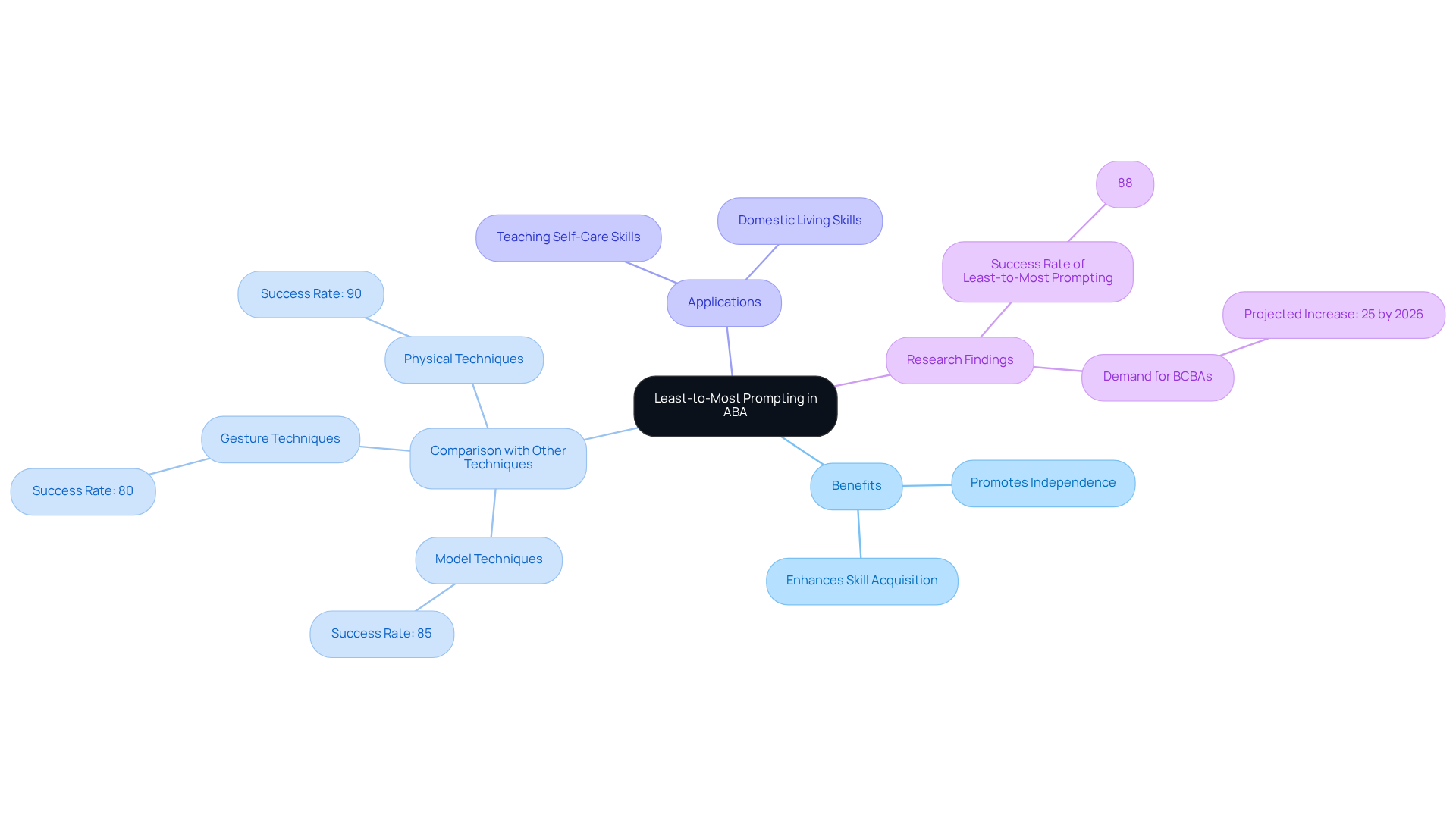
The anticipated demand for is projected to rise by 25% by 2026, underscoring the critical need for in the field of ABA therapy. emerges as a pivotal teaching strategy that begins with the least intrusive prompt, progressively increasing assistance as necessary. This method not only enables individuals to engage with tasks independently before receiving further assistance but also fosters a sense of achievement and . By initiating with minimal prompts, practitioners can accurately assess learners' capabilities and provide tailored support that facilitates success without overwhelming them.
Research validates the effectiveness of this approach; studies indicate that the can soar to an impressive 88%. In comparison, other elicitation techniques demonstrate varying effectiveness, with Model Techniques achieving 85%, Gesture Techniques at 80%, and Physical Techniques reaching 90%. These findings reinforce the importance of in promoting independence and skill generalization across diverse settings.
Behavior analysts emphasize the necessity of employing the to elicit the desired response, thereby nurturing independence. As one BCBA aptly stated, "The goal is to use the necessary to elicit the desired response, fostering independence." Successful applications of have been documented across various studies, demonstrating its effectiveness in teaching essential skills, including self-care and domestic living tasks, to individuals with Intellectual Developmental Disorders (IDD).
Recent studies further highlight the advantages of least-to-most guidance, revealing that it not only enhances learning outcomes but also boosts self-assurance among individuals. By strategically applying this technique, therapists can effectively balance support with autonomy, ensuring individuals develop the skills necessary for independent functioning. Moreover, avoiding prompt dependence is crucial, as it empowers learners to take ownership of their educational journeys. The rising demand for BCBAs accentuates the need for effective strategy implementation in this evolving landscape. How prepared is your organization to meet this challenge? Consider how Hire ABA can assist in your recruitment efforts.
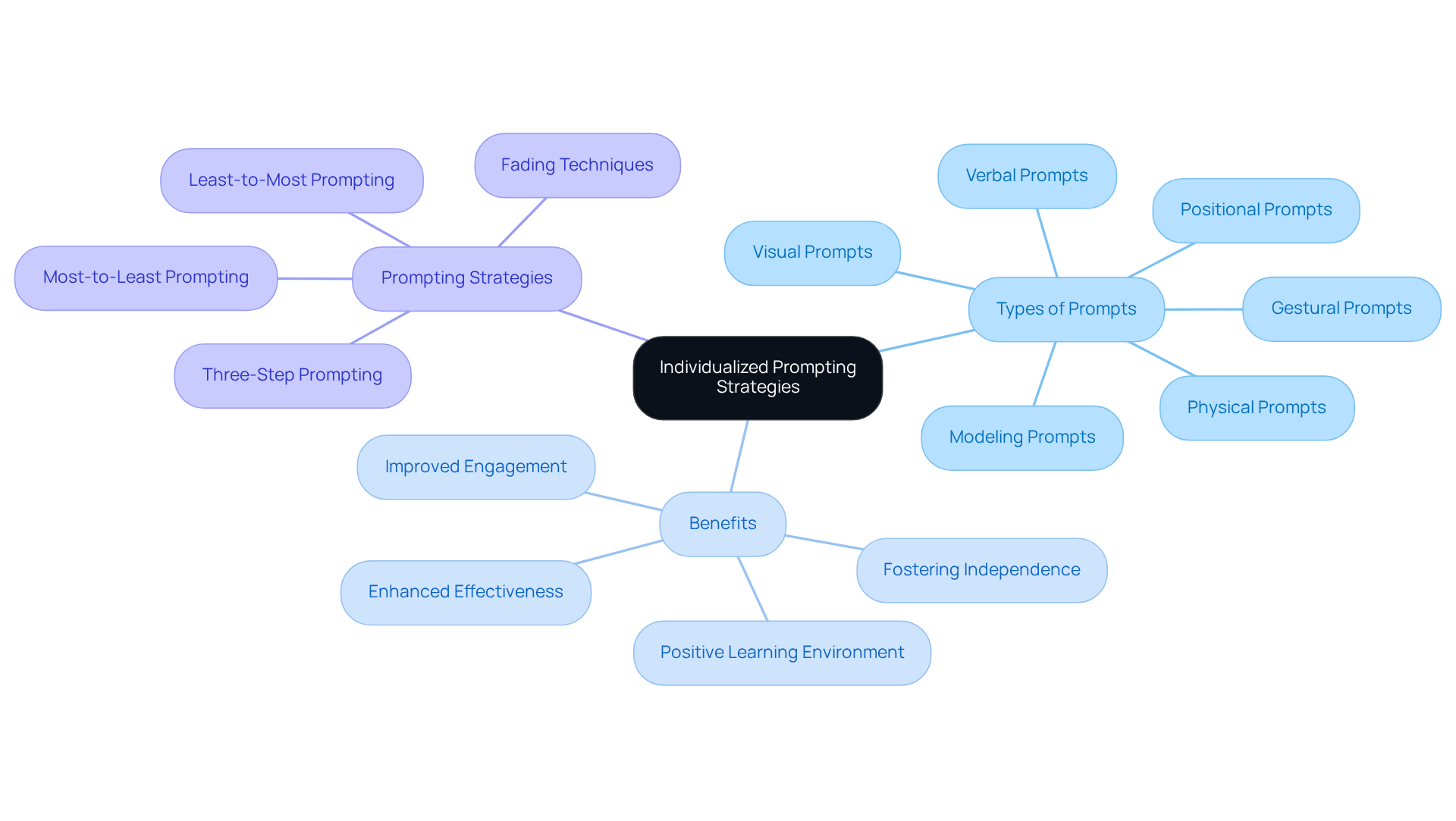
Individualizing prompting strategies is crucial in . Each student presents unique needs, making it essential to , utilizing , to significantly enhance the .
By assessing the individual's abilities and preferences, practitioners can select the most suitable prompts, employing a strategy of , whether verbal, gestural, or physical, to . This method not only improves engagement but also fosters a more .
Consider how the precision of and lead to better outcomes for your students.
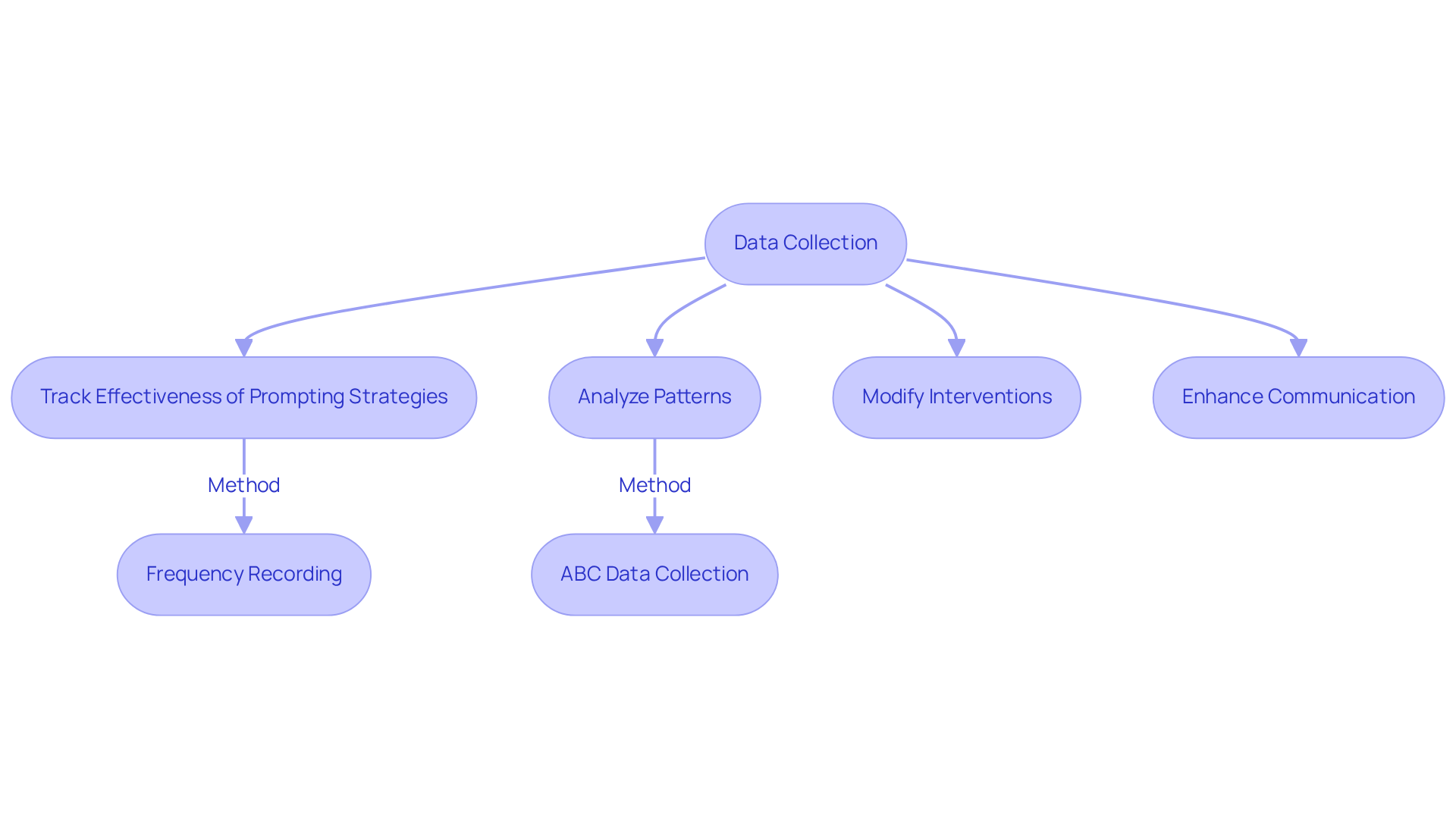
Utilizing is vital for tracking the effectiveness of . By systematically documenting the individual's responses to various prompts, practitioners can analyze patterns and determine which strategies yield the best results, using . This , ensuring that each student receives the most effective support .
Consistent regarding the student's progress, encouraging effective cooperation. Open communication between parents and therapists enhances and treatment outcomes.
Furthermore, incorporating specific can significantly enhance the tracking process, providing a clearer picture of the learner's development. Using data is not only considered best practice for behavior analysts but is also mandated by the , underscoring the ethical importance of this practice.
Training staff on is not just beneficial; it is essential for ensuring consistent implementation across therapy sessions. With the increasing demand for effective , organizations must prioritize that delve into the principles of cues, the significance of personalized approaches, and data gathering techniques. By equipping personnel with these essential skills and knowledge, organizations can significantly enhance the . This improvement translates into better outcomes and fosters increased independence for those being taught. Are you prepared to to meet these critical demands?
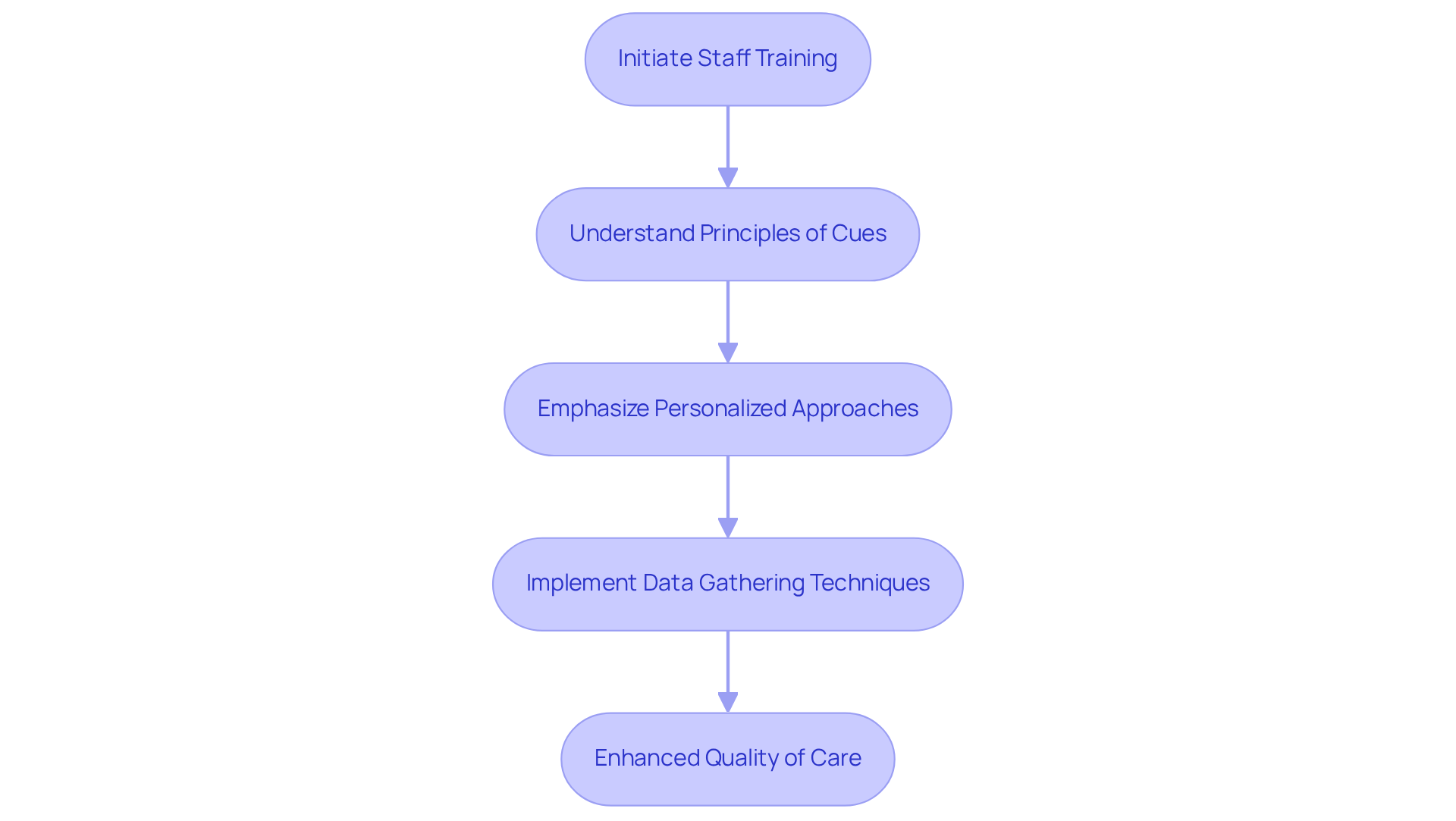
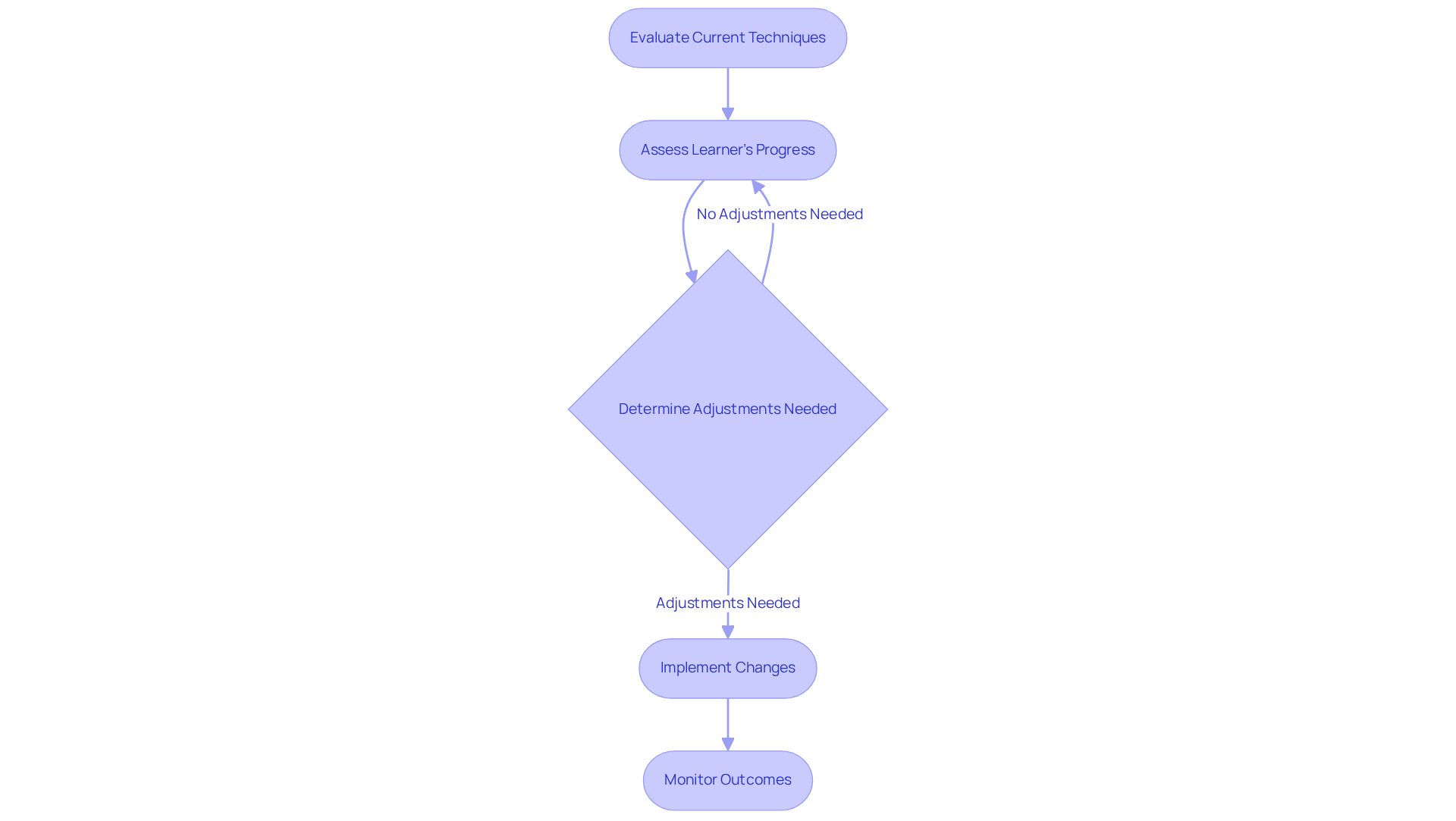
Evaluating and modifying is essential for preserving their effectiveness over time. As individuals acquire new abilities and gain more autonomy, the extent of guidance needed may vary. Regular assessments should be conducted to evaluate the student's progress and determine if adjustments to the are necessary. This proactive approach ensures that interventions remain aligned with the learner's evolving needs, .
For instance, contribute to , with one case reporting an increase from 5 to 12 requests per week—a 100% improvement. Experts highlight that consistent is crucial for making informed adjustments, ultimately using a approach.
As Yitz Diena states, 'Monitoring progress in treatment is essential for for individuals, especially those with autism spectrum disorder.
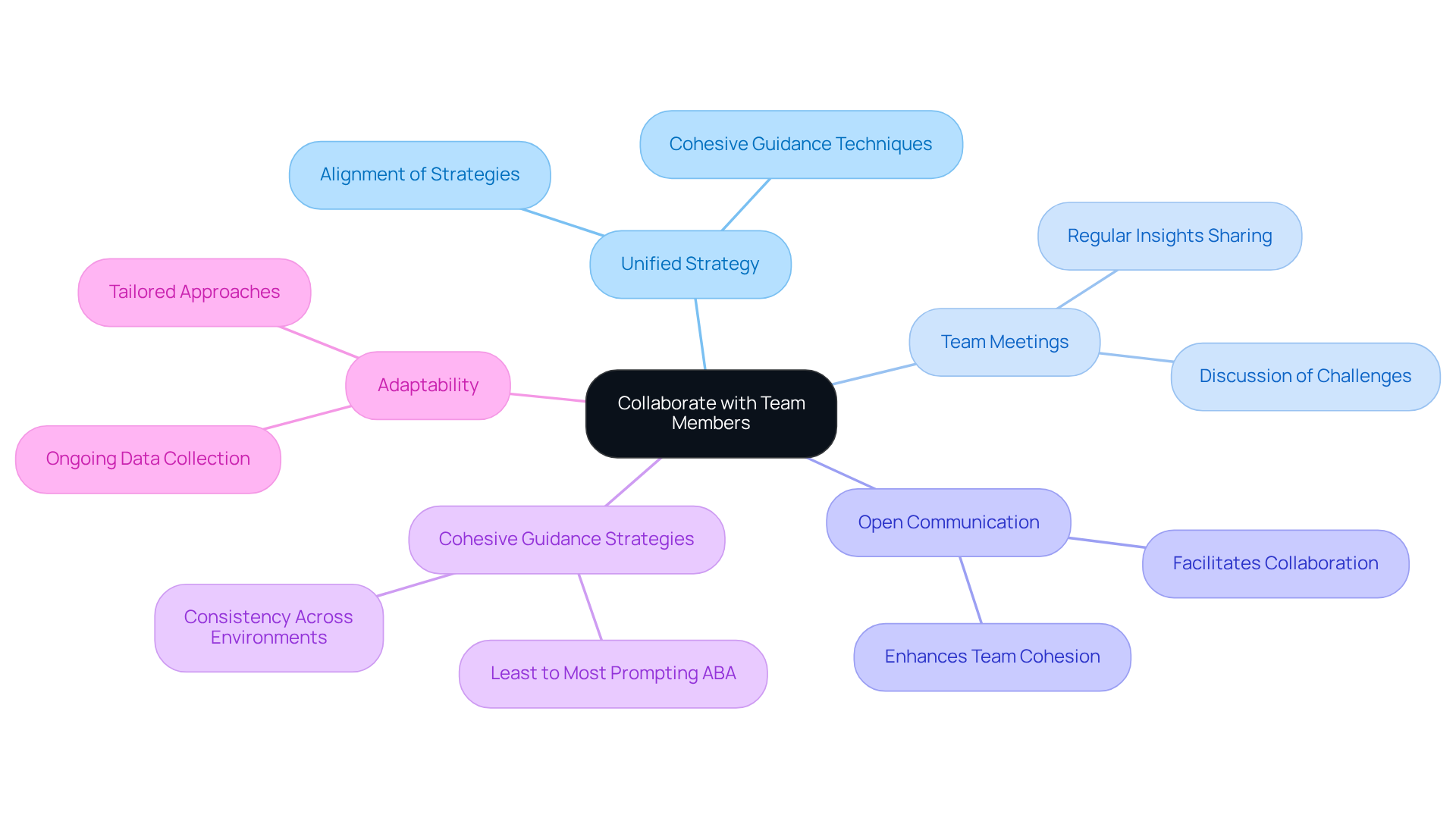
Cooperation among team members is vital for crafting a unified strategy for intervention in . Did you know that the success rate of exceeds 89%? This statistic underscores the necessity of . Regular team meetings and open communication channels not only facilitate the sharing of insights but also foster discussions about challenges, enabling practitioners to align their strategies effectively. This collaboration ensures that , particularly those using , are consistently implemented across various environments, significantly enhancing the overall efficiency of interventions and supporting the learner's advancement.
Behavior analysts emphasize that , such as least to most prompting ABA, enhance individual outcomes and cultivate a supportive environment that empowers both practitioners and clients. By prioritizing and integrating regular assessments, practitioners can based on collective experiences and ongoing data collection. This adaptability ultimately leads to more , particularly when using least to most prompting ABA strategies.
Are you facing challenges in your current hiring process? Consider how a platform like can streamline your recruitment efforts and improve your team's effectiveness.
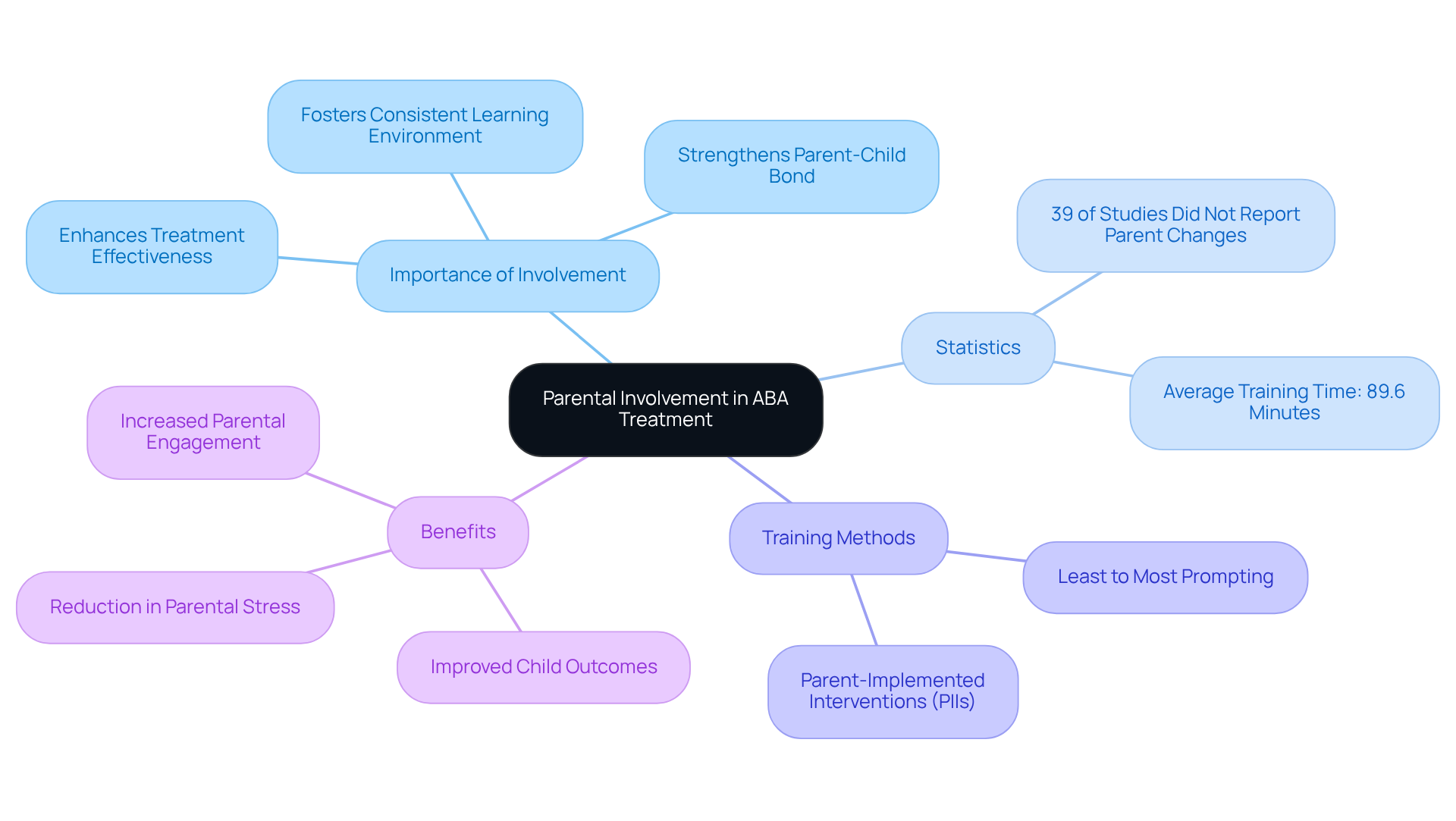
Involving parents in the encouragement process is crucial for enhancing the effectiveness of in practical environments. Did you know that 39% of studies did not report to work with their children? This statistic underscores the necessity of effective training.
By , parents create additional opportunities for practice and , essential for their child's development. ABA methods not only empowers them to assist their child's learning beyond treatment sessions but also enhances the overall therapeutic experience.
This collaborative approach strengthens the and fosters a consistent learning environment, ultimately leading to more meaningful outcomes in the child's progress. Experts emphasize that parental involvement is crucial for a child's success. On average, parents received 89.6 minutes of training, highlighting the commitment required for effective engagement.
Furthermore, (PIIs) promote engagement and address behavior support, communication, and daily living skills, with an average effect size of 0.55, demonstrating their effectiveness in improving child outcomes.
How can we ensure that parents are adequately trained and involved in their child's therapy? The answer lies in prioritizing and support.
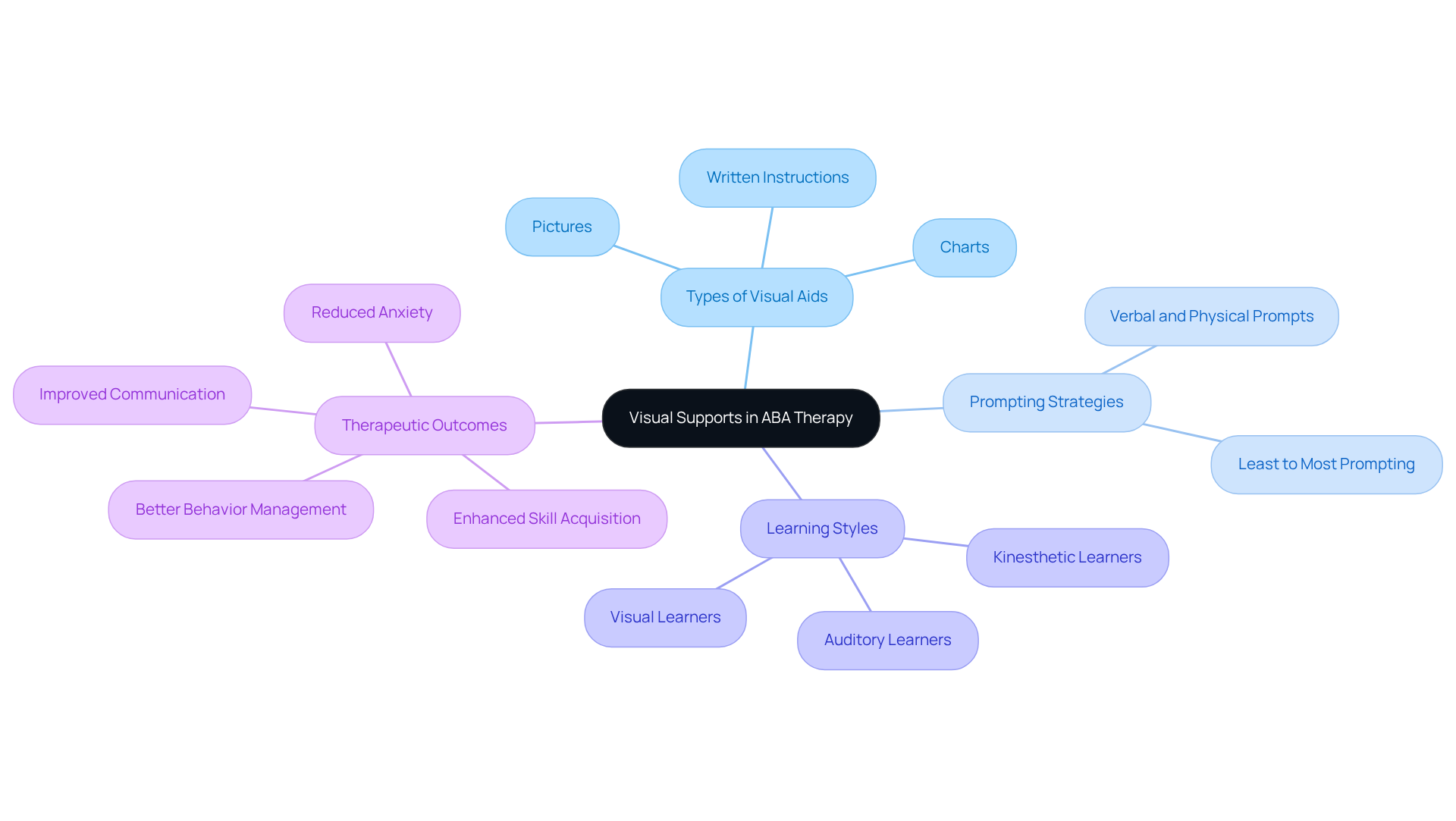
Incorporating into and engagement in . Visual aids—such as charts, pictures, and written instructions—serve as clear cues that facilitate learners' grasp of concepts. By integrating with verbal and physical prompts, practitioners can develop a . This strategy not only boosts the but also promotes , ultimately leading to .
The exploration of least-to-most prompting strategies in Applied Behavior Analysis (ABA) reveals a transformative approach to teaching that emphasizes independence and skill acquisition. With the demand for skilled Board Certified Behavior Analysts (BCBAs) surging, it is imperative for organizations to adopt effective recruitment strategies. By starting with minimal prompts and gradually increasing assistance as needed, practitioners can effectively support learners while fostering their confidence and autonomy.
Key strategies have been highlighted throughout this article, including:
Each of these elements contributes to a cohesive approach that enhances the overall effectiveness of ABA interventions. Moreover, involving parents in the process and incorporating visual supports further enrich the learning experience, ensuring that interventions are not only effective in therapy but also applicable in real-world settings.
The success of least-to-most prompting in ABA hinges on a well-rounded strategy that prioritizes individualized support, data-driven decisions, and collaborative efforts. As the demand for BCBAs continues to rise, organizations must embrace these strategies to cultivate a skilled workforce and improve outcomes for individuals in therapy. Are you facing challenges in hiring qualified BCBAs? By actively engaging in these practices, practitioners can empower learners to achieve greater independence and success in their daily lives. Consider leveraging platforms like Hire ABA to address your recruitment needs effectively.
What is the projected demand for Board Certified Behavior Analysts (BCBAs)?
The demand for BCBAs is projected to surge by 25% by 2026.
How many job postings for BCBAs were there in 2024?
In 2024, job postings for BCBAs increased from 65,366 to 103,150.
What does Hire ABA do?
Hire ABA is a dedicated recruitment platform that connects BCBAs with top job opportunities and streamlines the hiring process through advanced job fit scoring.
How does Hire ABA support job seekers in the field of ABA?
Hire ABA offers expert support throughout the hiring process, helping job seekers navigate the competitive field of Applied Behavior Analysis.
What is least-to-most prompting in ABA?
Least-to-most prompting is a teaching strategy that starts with the least intrusive prompt and progressively increases assistance as needed, allowing individuals to engage with tasks independently.
What are the success rates of least-to-most prompting compared to other techniques?
The success rate for least-to-most prompting can reach 88%, while other techniques like Model Techniques achieve 85%, Gesture Techniques at 80%, and Physical Techniques at 90%.
Why is it important to use the least invasive prompt in ABA?
Using the least invasive prompt helps elicit the desired response while fostering independence in learners, allowing them to take ownership of their educational journeys.
How can individualized prompting strategies enhance ABA therapy?
Individualizing prompting strategies tailors the type and level of prompts to each student's unique needs, significantly improving engagement and learning outcomes.
What skills can least-to-most prompting help teach?
Least-to-most prompting has been documented as effective for teaching essential skills, including self-care and domestic living tasks, especially to individuals with Intellectual Developmental Disorders (IDD).
Our expert recruitment strategies and AI-driven sourcing ensure that you receive top-notch candidates quickly, without compromising on quality. Whether you’re looking for BCBAs, Clinical Directors, or RBTs, we’ve got you covered.


