


Thank you! Your submission has been received!
Oops! Something went wrong while submitting the form.
June 30, 2025

In the dynamic landscape of Applied Behavior Analysis (ABA), the ability to accurately assess and interpret behavior is paramount. With the demand for Board Certified Behavior Analysts (BCBAs) on the rise, time sampling techniques emerge as a streamlined approach to data collection that enhances practitioner effectiveness. However, with various methods available, how can professionals ensure they select the most suitable technique for their specific needs? This article delves into seven essential time sampling techniques that not only optimize data gathering but also equip ABA practitioners with the insights necessary for impactful interventions.
The demand for is projected to grow by an impressive 22% by 2029, according to . This statistic underscores a critical need for qualified professionals in the expanding field of . is a specialized recruitment platform that connects BCBAs with top-tier , addressing this rising demand head-on.
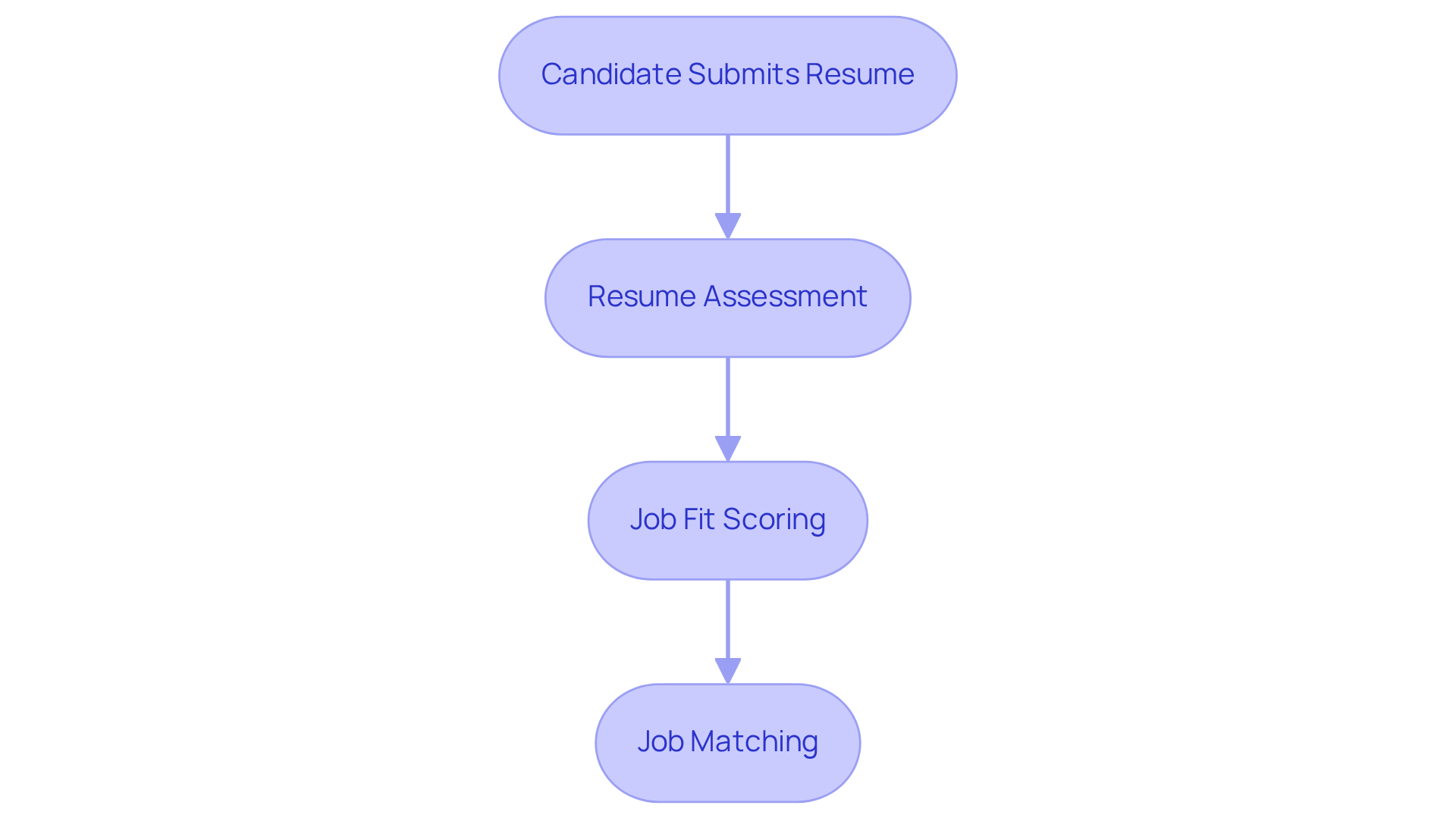
By streamlining the hiring process, ensures that candidates find roles that align with their expertise and career aspirations. allow BCBAs to submit their resumes for evaluation, where our team meticulously assesses their experience and career goals. Utilizing advanced job fit scoring, we identify opportunities that match their skills, preferences, and desired locations.
This platform not only simplifies job searching but also enhances the overall experience for candidates looking to advance their careers in . Have you faced challenges in finding the right ? By focusing on specialized recruitment, significantly impacts the job market, facilitating successful job matches that benefit both professionals and healthcare employers.
The number of job postings , reflecting a vibrant job market. This makes an essential resource for aiming to elevate their careers in . Don’t miss out on the opportunity to connect with your next career move—explore today.
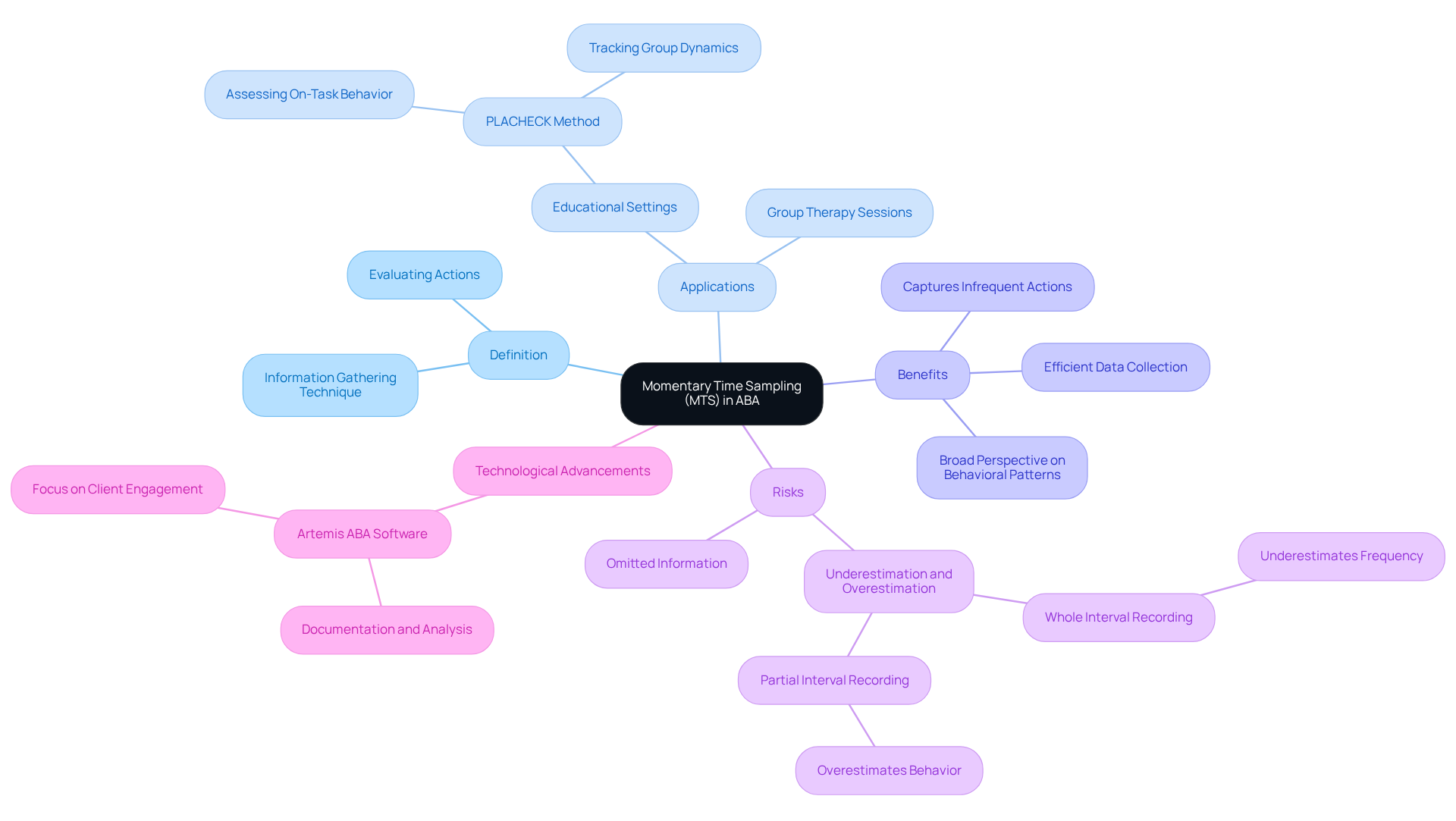
Time sampling, specifically (MTS), serves as a pivotal information gathering technique in , aimed at evaluating and scrutinizing actions by determining whether a target action occurs during specific instances within an observation period. This technique proves particularly beneficial in settings where continuous observation is impractical, such as classrooms or group therapy sessions. By recording the occurrence or nonoccurrence of an action at predetermined intervals, practitioners can effectively compile data that illustrates behavioral trends over time.
The extensive utilization of time sampling is particularly important in educational environments where is paramount. For instance, the (PLACHECK) method—a variant of time sampling focused on group behaviors—enables educators to assess children's on-task behavior during group activities, tracking engagement in the final minute of five-minute intervals. This approach not only streamlines but also provides invaluable insights into group dynamics and individual participation.
recognize the efficacy of time sampling, particularly for its ability to capture infrequent actions and present a broader perspective on behavioral patterns. However, it is essential to acknowledge that MTS carries a significant risk of omitted information, which can lead to skewed representations of actions. Furthermore, methods such as whole interval recording may underestimate behavior frequency, while partial interval recording could result in overestimations. Thus, selecting the appropriate measurement technique is critical for accurate .
Recent advancements in highlight a shift towards more effective, technology-driven solutions. Tools like facilitate the documentation and analysis of , allowing professionals to focus more on client engagement rather than data management. This technological integration enhances the reliability of and supports informed decision-making in intervention planning.
In practical applications, MTS has demonstrated its value across various contexts, including time sampling in classroom environments and group therapy sessions. Its effectiveness in monitoring student involvement and participation underscores its importance in behavioral analysis, establishing it as an essential method for ABA professionals aiming to refine their . Practitioners are urged to clarify their objectives when gathering discontinuous data to ensure that the selected methods align with their specific requirements.
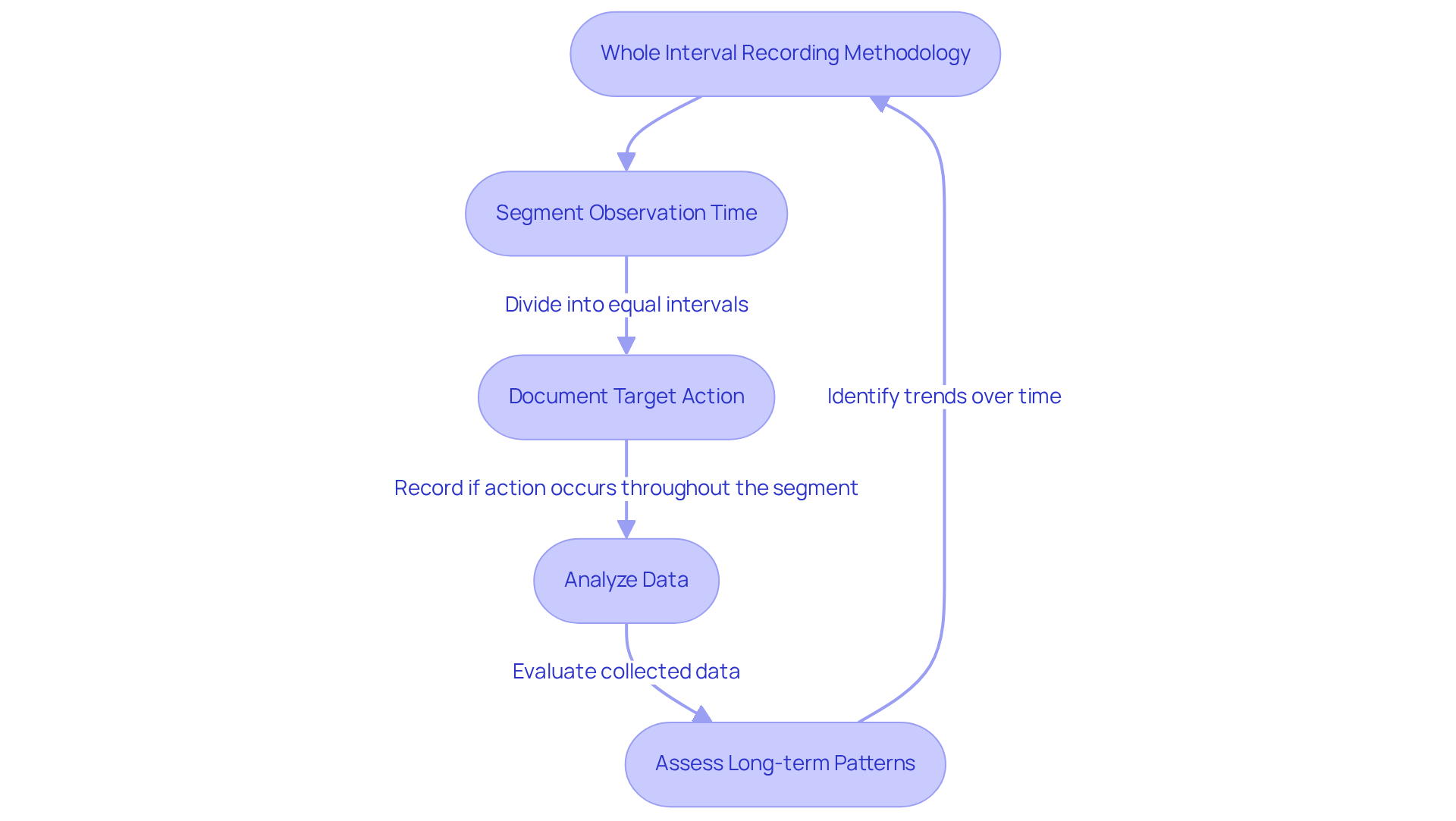
is a methodical strategy that segments an observation timeframe into equal segments, requiring professionals to document whether a target action occurs for the entire length of each segment. This technique is particularly advantageous for assessing , as it offers a comprehensive perspective on patterns over time. One of the main benefits of is its ability to provide , enabling professionals to track progress efficiently and make informed decisions about .
Recent research indicates that can enhance the precision of measuring actions, especially those intended to be increased, such as sustaining attention or engagement. For instance, studies show that utilizing can result in a 20% improvement in the accuracy of tracking actions compared to alternative methods. By concentrating on the entire duration, this approach minimizes the risk of underestimating the occurrence of actions, a common issue with other measurement techniques. Statistics suggest that professionals employing often see a 15% increase in the reliability of information and a clearer understanding of behavior patterns.
Moreover, have found that supports a systematic approach to , based on observed behaviors. As one professional stated, " is ideal for observing both high-frequency actions and behaviors that may not have a clear beginning or end." This method not only facilitates effective but also aligns with , ensuring that interventions are tailored to meet the specific needs of individuals receiving services. However, it is essential to recognize that may undervalue actions that do not persist throughout the entire duration, highlighting the need for practitioners to consider the context of the behaviors being assessed.
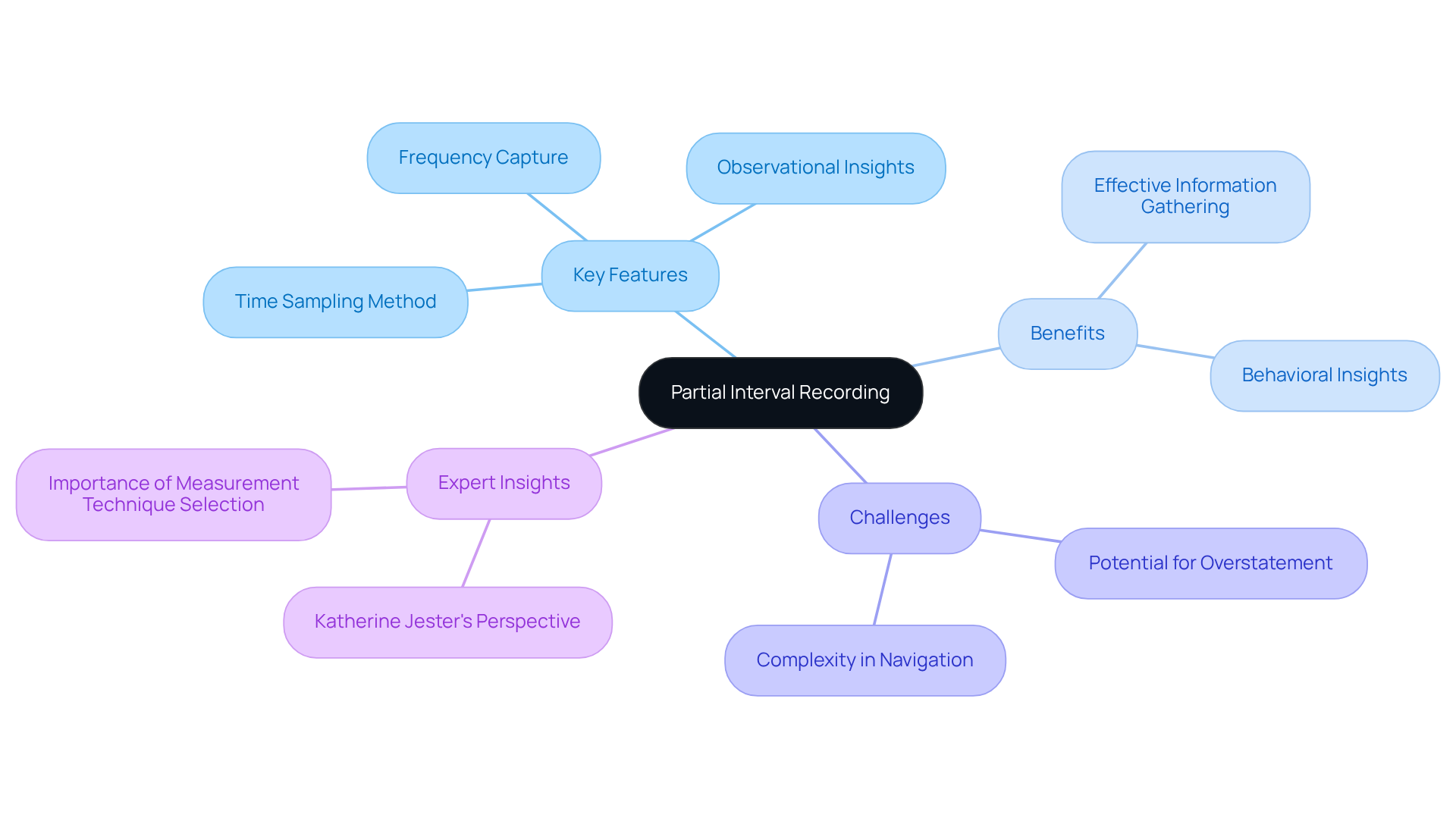
serves as a pivotal method in , where an observer notes if a target action occurs at any moment during a specified interval. This technique is particularly advantageous for actions that are brief or occur sporadically, especially in the context of . While it may overstate the duration of an action, provides , making it a valuable tool for many .
The benefits of partial are manifold, including its effectiveness in information gathering and its ability to shed light on behaviors that may not be consistently observable. However, it is essential to acknowledge that , which involves recording in partial time segments, can be intricate and prone to errors, necessitating careful navigation by practitioners. This complexity can impact the accuracy of the information collected, particularly if the timeframes are not appropriately defined.
Experts in the field underscore the necessity of , including , based on the behavior's nature and the specific objectives of the observation. Katherine Jester, an experienced BCBA, asserts that while non-continuous data collection techniques, such as and partial duration recording, require meticulous monitoring, they can significantly . She notes that these techniques demand a time commitment, which can pose challenges for professionals.
Statistics indicate that partial time recording, also known as , can effectively capture the , especially when used in conjunction with other measurement methods. This approach utilizes , which is particularly beneficial for behaviors that occur infrequently, as it allows professionals to assess the presence of a behavior without the need for continuous observation. Furthermore, , such as and , enhance observer independence during non-recording phases, thereby improving the overall efficacy of information collection. By weighing the advantages and disadvantages of partial time recording, can refine their and bolster intervention outcomes.
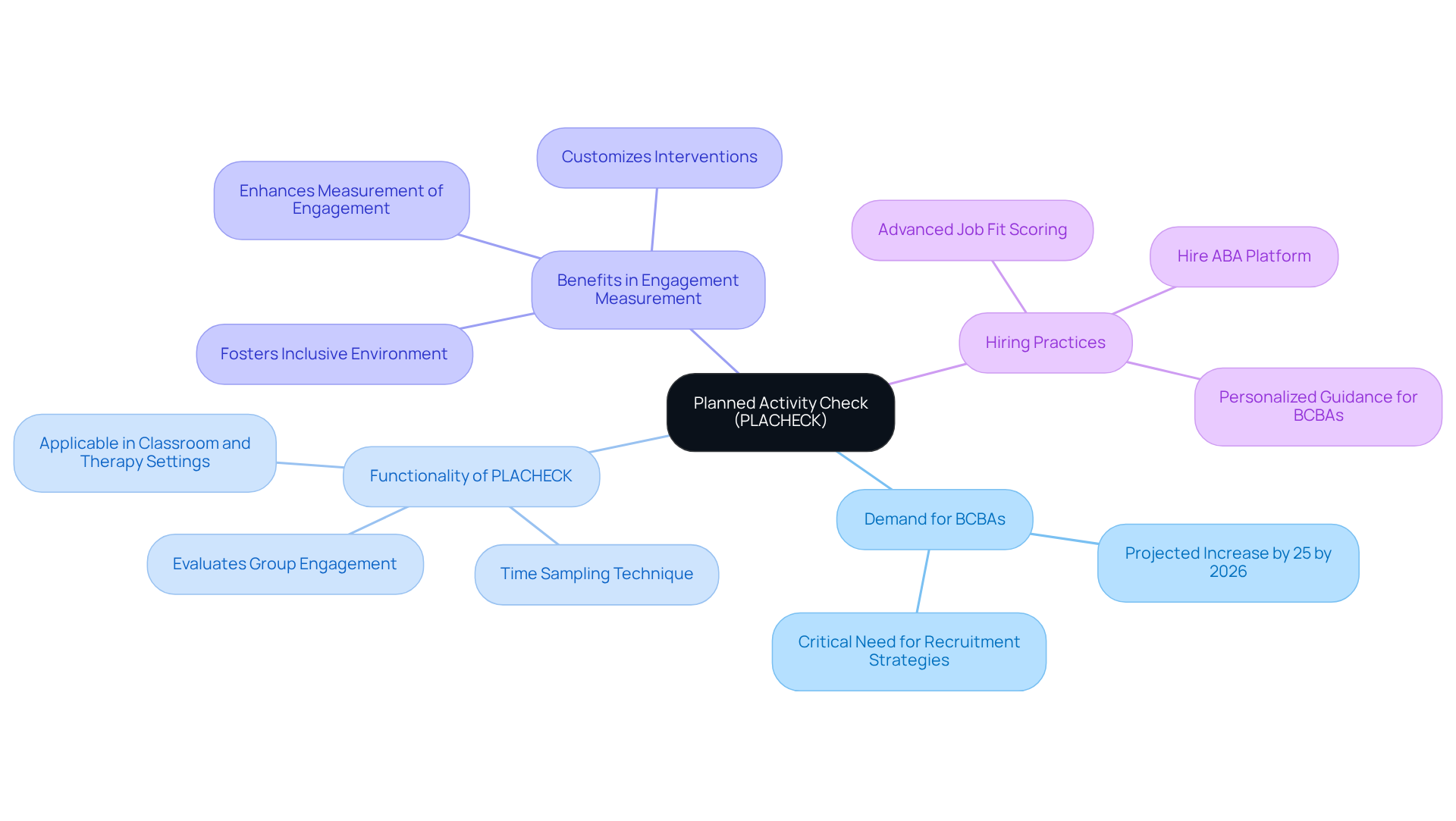
The demand for is projected to surge by 25% by 2026, highlighting the critical need for . One such strategy is the , a specialized form of time sampling designed to evaluate group engagement during specific activities. By systematically recording whether each individual in a group is engaged in the target behavior at predetermined intervals using time sampling, PLACHECK provides valuable insights into group dynamics. This technique is particularly beneficial in classroom settings and group therapy sessions, enabling professionals to and make necessary adjustments to interventions.
Recent studies indicate that , fostering an inclusive environment where all participants are actively involved. As the landscape of ABA therapy evolves, methods like PLACHECK become vital resources for professionals aiming to and ensure that interventions are of various groups.
How can you ensure that your hiring practices align with these growing demands? enhances this process by offering and personalized guidance. This platform connects BCBAs with roles that allow them to effectively implement techniques like PLACHECK in their practice, ultimately enhancing their career paths and contributing to the growth of ABA therapy. Take action today to leverage this powerful resource and secure the right talent for your organization.
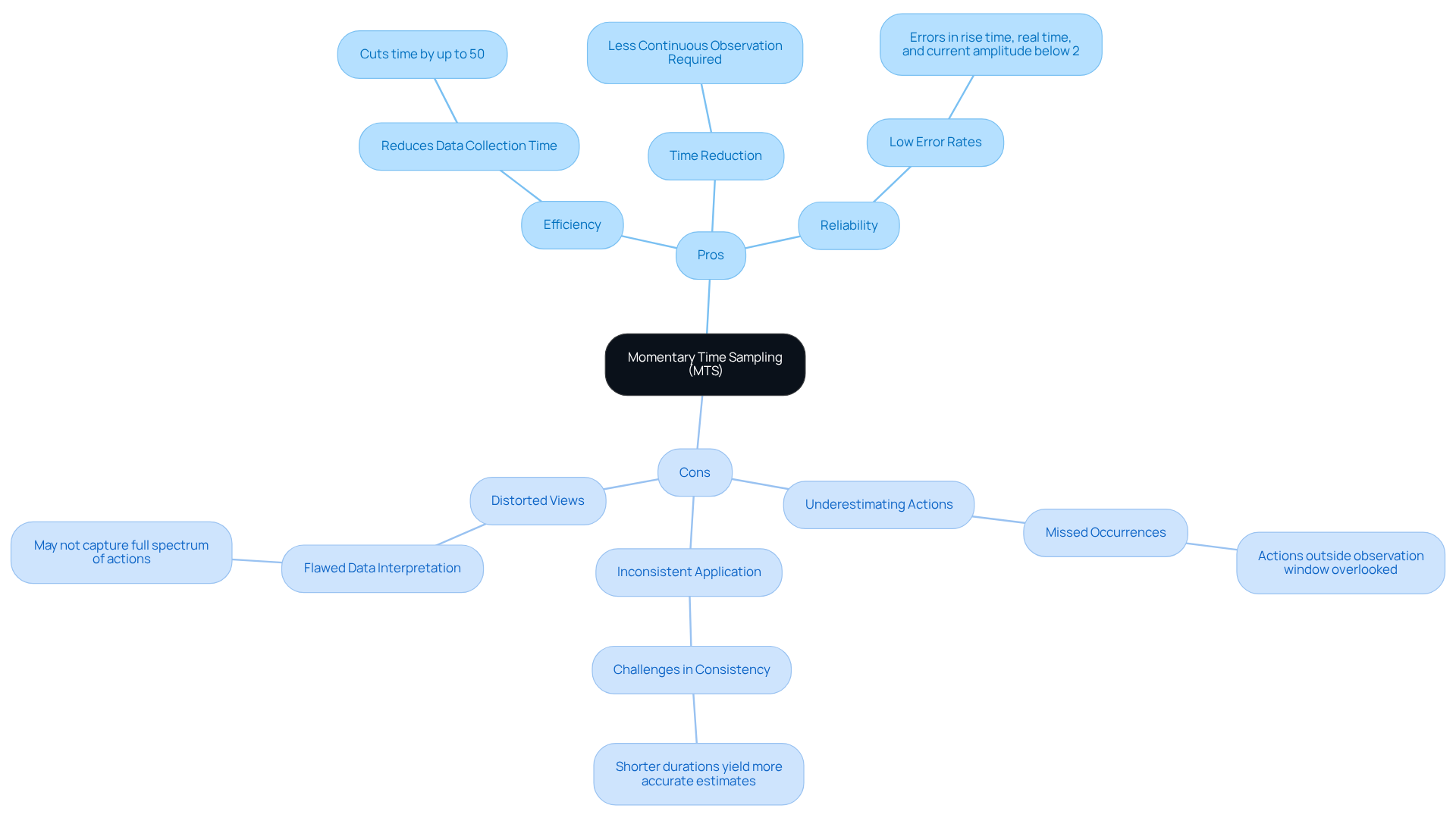
, particularly (MTS), stands out for its efficiency in information collection, allowing practitioners to gather without the need for continuous observation. This method can significantly reduce the time spent on data gathering, with studies indicating that can cut information collection time by up to 50% compared to traditional methods. Furthermore, , real time, and current amplitude in are all below 2%, underscoring the .
However, it is crucial to recognize the limitations associated with in MTS. One notable drawback of is the potential for underestimating actions, as occurrences that do not transpire at the precise moment of observation may be overlooked. Research indicates that with shorter durations in MTS yields more , yet it can be challenging to apply consistently. Experts have noted that while MTS is practical, it may not capture the full spectrum of a student's actions, particularly if those actions are sporadic or occur just outside the observation window.
For instance, if a child engages in an action during a period but ceases just before the period concludes, this can lead to flawed data. Moreover, critiques of MTS highlight that it may present a distorted view of actions, especially in environments where shows actions frequently beginning and ending. As one analyst observed, 'Comprehending the purpose of an action is a cornerstone of ,' suggesting that reliance solely on may overlook essential .
Additionally, generally underestimates actions, providing conservative feedback on intervention effectiveness. Therefore, professionals must carefully weigh these advantages and disadvantages when determining the suitability of MTS and for their specific collection needs.
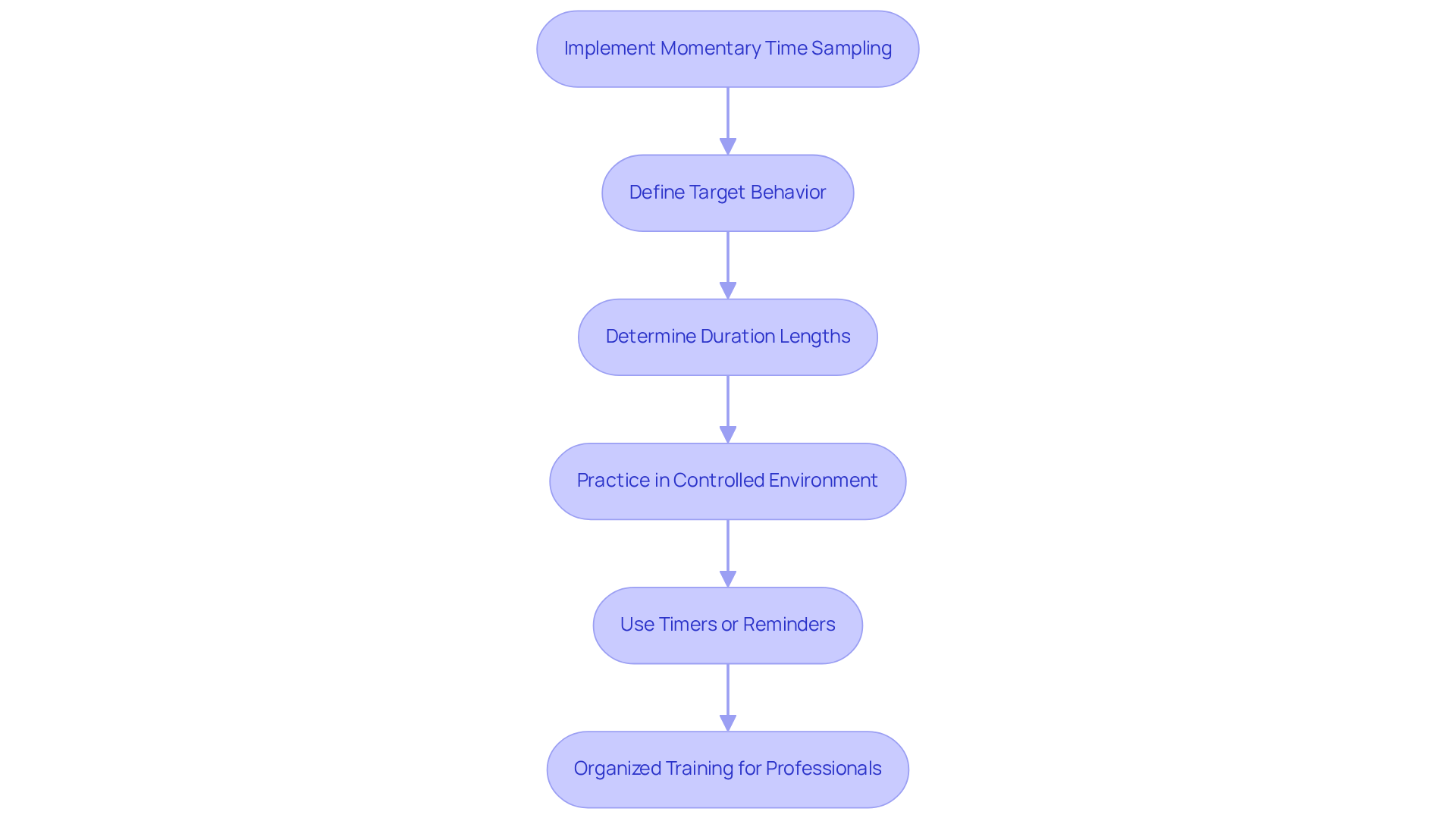
To effectively implement in , practitioners must begin by clearly defining the . This definition should be specific and measurable, allowing for accurate observation. Have you considered how the impacts your outcomes?
Determining suitable duration lengths is essential; these must be customized to the context of the observation to gather pertinent information efficiently. Practicing the MTS method in a controlled environment before applying it in real-world scenarios can enhance confidence and accuracy.
Employing timers or reminders is also suggested to guarantee observations take place regularly at specified intervals, which enhances the dependability of the information gathered. Moreover, research suggests that organized training for greatly enhances their efficiency in applying techniques such as MTS.
Studies reveal a notable rise in information accuracy and when professionals are well-trained. By adhering to these , can of , leading to more informed decision-making and improved outcomes for clients.
Are you ready to elevate your practice with these strategies?
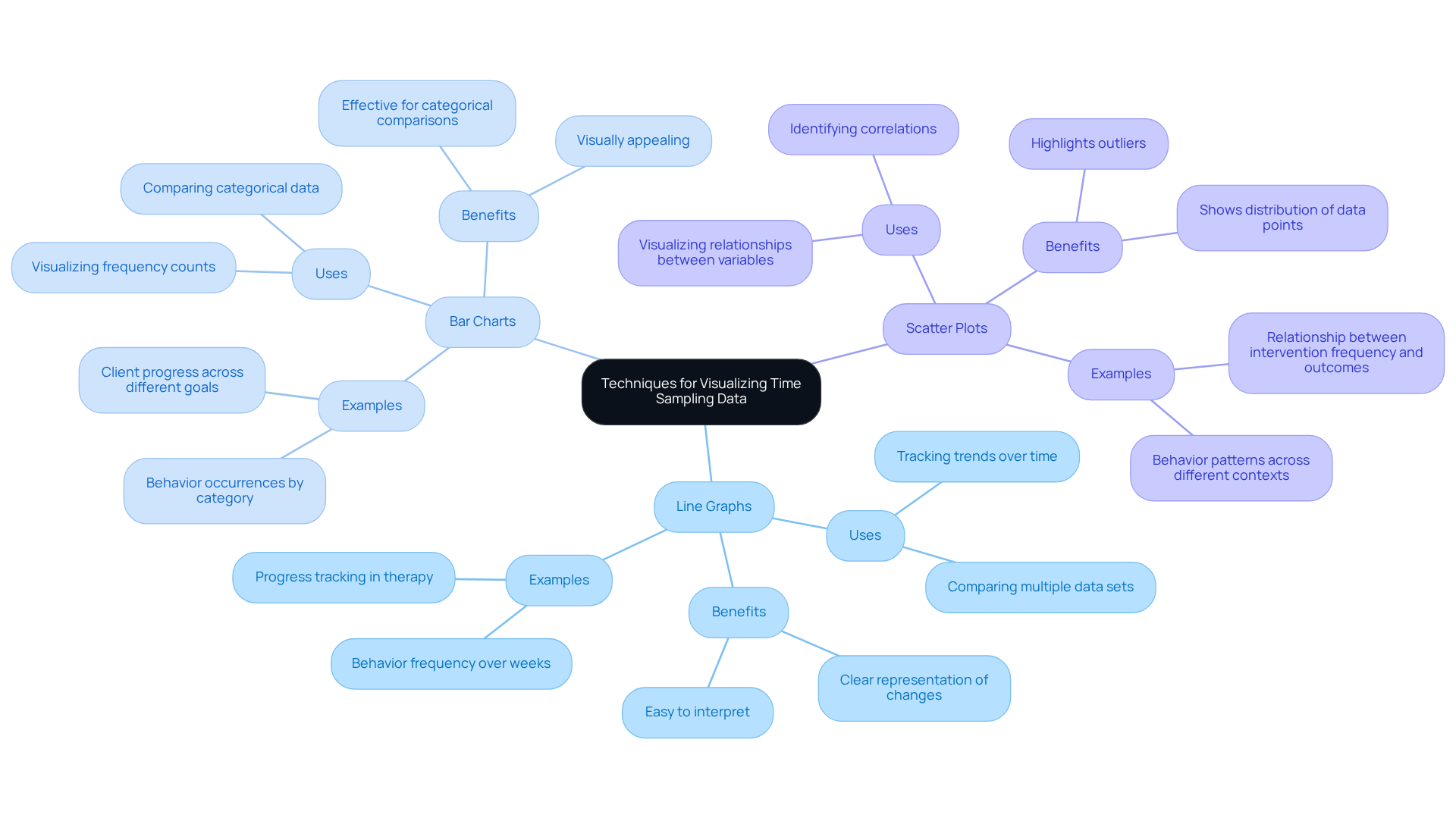
is essential for . Techniques such as line graphs, bar charts, and scatter plots serve as powerful tools to convey over time. These not only enhance understanding but also facilitate of findings to clients, parents, and other stakeholders.
Furthermore, employing for significantly improves the clarity and impact of the presented details, ensuring that practitioners can convey their insights with confidence and precision.
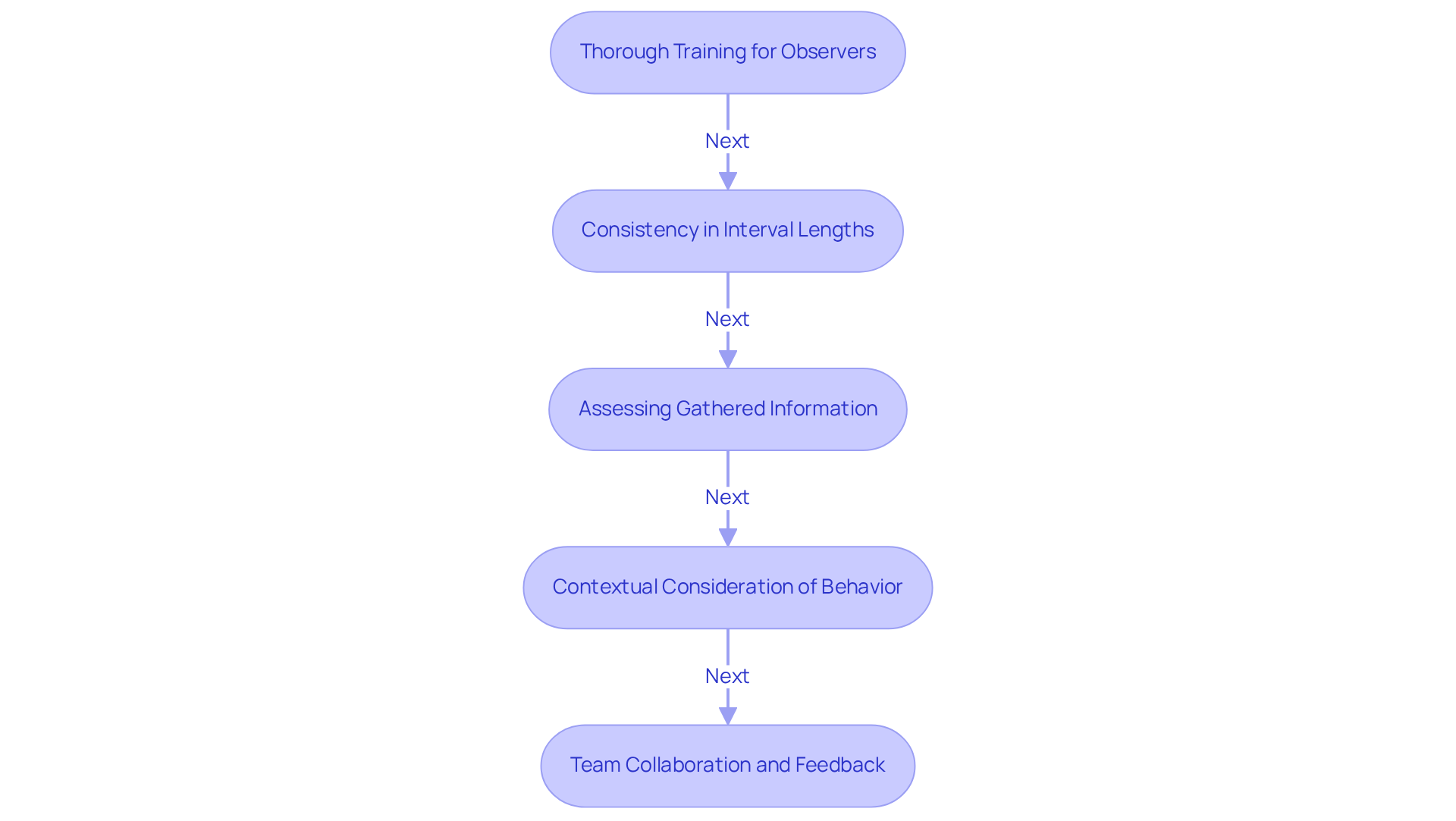
Effective time sampling in information collection for is pivotal, hinging on several . Primarily, guaranteeing that observers undergo thorough training in the chosen technique is essential. Research indicates that well-trained observers can enhance the reliability of information collected by up to 30%, significantly improving accuracy when practitioners engage in . Furthermore, maintaining consistency in interval lengths is crucial; this uniformity enables more dependable comparisons across sessions and actions. Consistently assessing aids in recognizing any inconsistencies or trends that might necessitate modifications in the observation approach.
Additionally, of the behavior being observed. Tailoring methods to fit the and circumstances can yield more relevant and actionable insights. For instance, in a classroom setting, time sampling can effectively capture student engagement without disrupting the learning process. As one ABA professional noted, 'Consistency in is essential for comprehending behavior patterns and making knowledgeable choices.' Consistent feedback and collaboration among team members further enhance the process, fostering a culture of ongoing improvement. By incorporating these methods, ABA professionals can ensure that their efforts are both efficient and effective, ultimately resulting in .
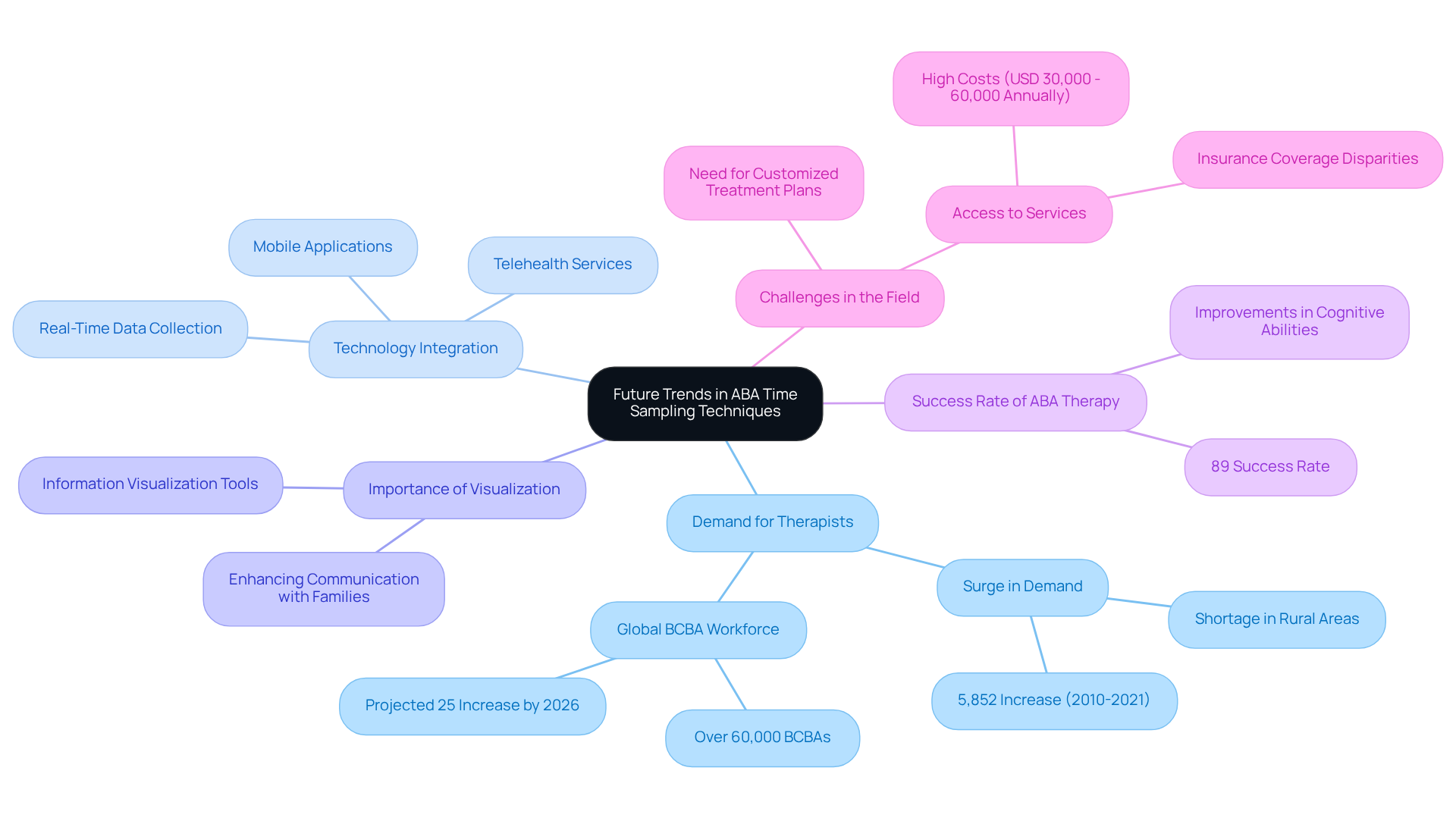
The future of in techniques is set for significant transformation through the integration of technology. Recent statistics reveal a staggering 5,852% from 2010 to 2021, underscoring a growing trend towards . Mobile applications and advanced software are increasingly enabling real-time information gathering and analysis, allowing professionals to capture more efficiently and accurately. This evolution is not just a trend; it is a necessity for enhancing the effectiveness of therapy.
Moreover, developments in information visualization tools are improving professionals' capacity to convey findings efficiently, simplifying the sharing of insights with families and stakeholders. As Steven Zauderer, CEO & Founder, emphasizes, "Ensuring information accuracy and reliability is crucial for optimizing through ." The landscape of ABA continues to change, and professionals must remain flexible and receptive to integrating these innovative methodologies. This integration not only enhances the precision of information gathering through but also improves the overall effectiveness of therapy.
With demonstrating an over 89% success rate, the cannot be overstated. However, practitioners face challenges such as the shortage of in rural areas. This reality makes the integration of technology even more vital in addressing these issues. Are you prepared to leverage these advancements to overcome your hiring challenges? The time to act is now.
In the realm of Applied Behavior Analysis (ABA), the mastery of time sampling techniques stands as a cornerstone for effective data collection and analysis. The exploration of seven essential methods—including Momentary Time Sampling, Whole Interval Recording, Partial Interval Recording, and the Planned Activity Check (PLACHECK)—reveals their unique advantages. These techniques empower practitioners to assess behaviors accurately while adapting to the specific needs of their clients and environments.
Selecting the appropriate time sampling technique is paramount, influenced by the behavior being observed and the goals of the analysis. The efficiency of Momentary Time Sampling and the comprehensive insights offered by Whole Interval Recording illustrate how understanding these methods can enhance data collection strategies for ABA professionals. Moreover, the integration of technology is revolutionizing the ABA landscape, facilitating more accurate and timely information gathering—an essential aspect in a field experiencing significant growth.
As the demand for qualified ABA practitioners continues to surge, leveraging these time sampling techniques alongside technological advancements will be pivotal for professionals striving to optimize their practice. By refining data collection methods, ABA practitioners can ensure they are equipped to deliver effective interventions, ultimately improving outcomes for their clients. The future of ABA is bright; embracing these essential techniques will pave the way for continued success in the field.
What is Hire ABA and its purpose?
Hire ABA is a specialized recruitment platform that connects Board Certified Behavior Analysts (BCBAs) with job opportunities, addressing the growing demand for qualified professionals in the field of Applied Behavior Analysis (ABA) therapy.
How does Hire ABA streamline the job matching process for BCBAs?
Hire ABA streamlines the hiring process by offering personalized resume assessments and utilizing advanced job fit scoring to identify opportunities that match candidates' skills, preferences, and desired locations.
What recent trend has been observed in the job market for ABA practitioners?
The number of job postings for ABA practitioners surged by 58% from 2023 to 2024, indicating a vibrant job market for those in the field.
What is Momentary Time Sampling (MTS) and its application in ABA?
Momentary Time Sampling (MTS) is a technique used in Applied Behavior Analysis to evaluate actions by determining whether a target action occurs at specific moments during an observation period, particularly useful in settings where continuous observation is impractical.
How does MTS benefit educational environments?
MTS is beneficial in educational settings as it allows practitioners to monitor student engagement and participation during group activities, providing insights into behavioral trends and group dynamics.
What are some limitations of Momentary Time Sampling?
MTS carries a risk of omitted information, which can skew representations of actions, and may not accurately reflect behavior frequency compared to other methods like whole interval or partial interval recording.
What is Whole Interval Recording and its advantages?
Whole Interval Recording is a method that segments observation time into equal parts, requiring documentation of whether a target action occurs for the entire duration of each segment, providing in-depth insights into long-term behavioral patterns.
How does Whole Interval Recording improve data accuracy?
Research indicates that Whole Interval Recording can improve the accuracy of tracking actions by 20% compared to alternative methods, minimizing the risk of underestimating occurrences.
What should practitioners consider when using Whole Interval Recording?
Practitioners should consider the context of the behaviors being assessed, as Whole Interval Recording may undervalue actions that do not persist throughout the entire duration of the observation segment.
Our expert recruitment strategies and AI-driven sourcing ensure that you receive top-notch candidates quickly, without compromising on quality. Whether you’re looking for BCBAs, Clinical Directors, or RBTs, we’ve got you covered.


