


Thank you! Your submission has been received!
Oops! Something went wrong while submitting the form.
September 10, 2025

In the realm of Applied Behavior Analysis (ABA) therapy, the precision of duration measurement techniques is paramount for unlocking effective interventions and fostering positive behavioral changes. As the demand for Board Certified Behavior Analysts (BCBAs) surges, understanding how to accurately capture and analyze the duration of behaviors becomes increasingly vital. Yet, practitioners face a challenge: selecting the right measurement methods amidst a landscape filled with both continuous and discontinuous techniques.
How can they navigate these options to enhance their therapeutic strategies and ensure optimal outcomes for their clients? This is where the importance of reliable recruitment platforms like Hire ABA comes into play, providing the expertise needed to address these challenges effectively.
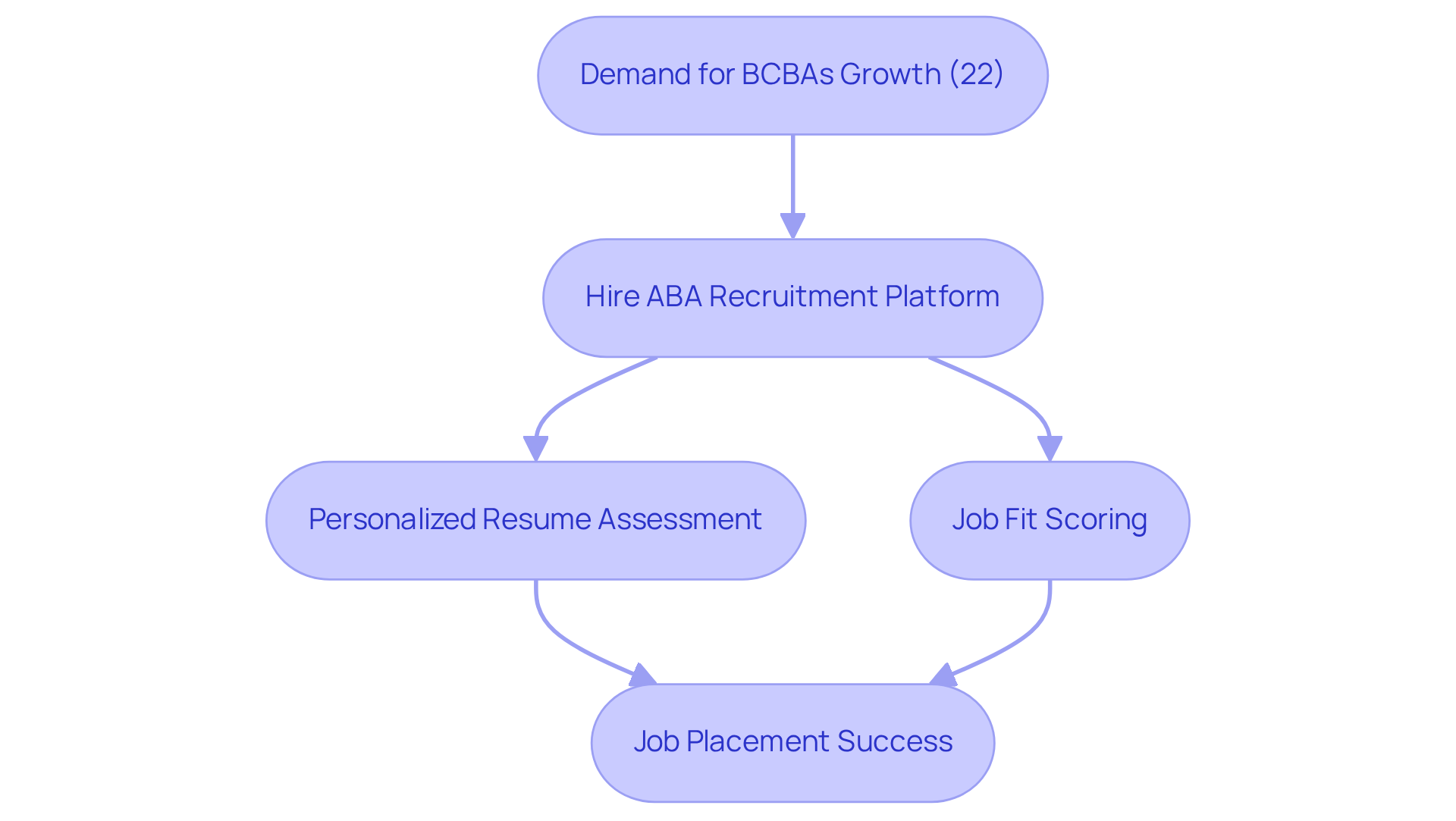
The demand for is projected to grow by an impressive 22% over the next decade. In this thriving landscape, Hire ABA stands out as a designed to connect BCBAs with premier . This growth presents both challenges and opportunities for job seekers and employers alike.
Hire ABA plays a crucial role in , ensuring that . Our personalized resume assessments allow candidates to submit their resumes for evaluation, where our expert team meticulously assesses their experience and career goals. By employing advanced job fit scoring, we identify opportunities that match their skills, preferences, and desired locations.
The platform's commitment to operational efficiency and a makes it an in the ABA sector. Are you facing challenges in finding the right candidates or positions? Let . By leveraging , we significantly improve job placement success, enabling BCBAs to excel in a competitive job market characterized by .
Join us at Hire ABA and take the next step toward a fulfilling career or an effective hiring process. Experience the difference that a specialized recruitment platform can make in your journey.
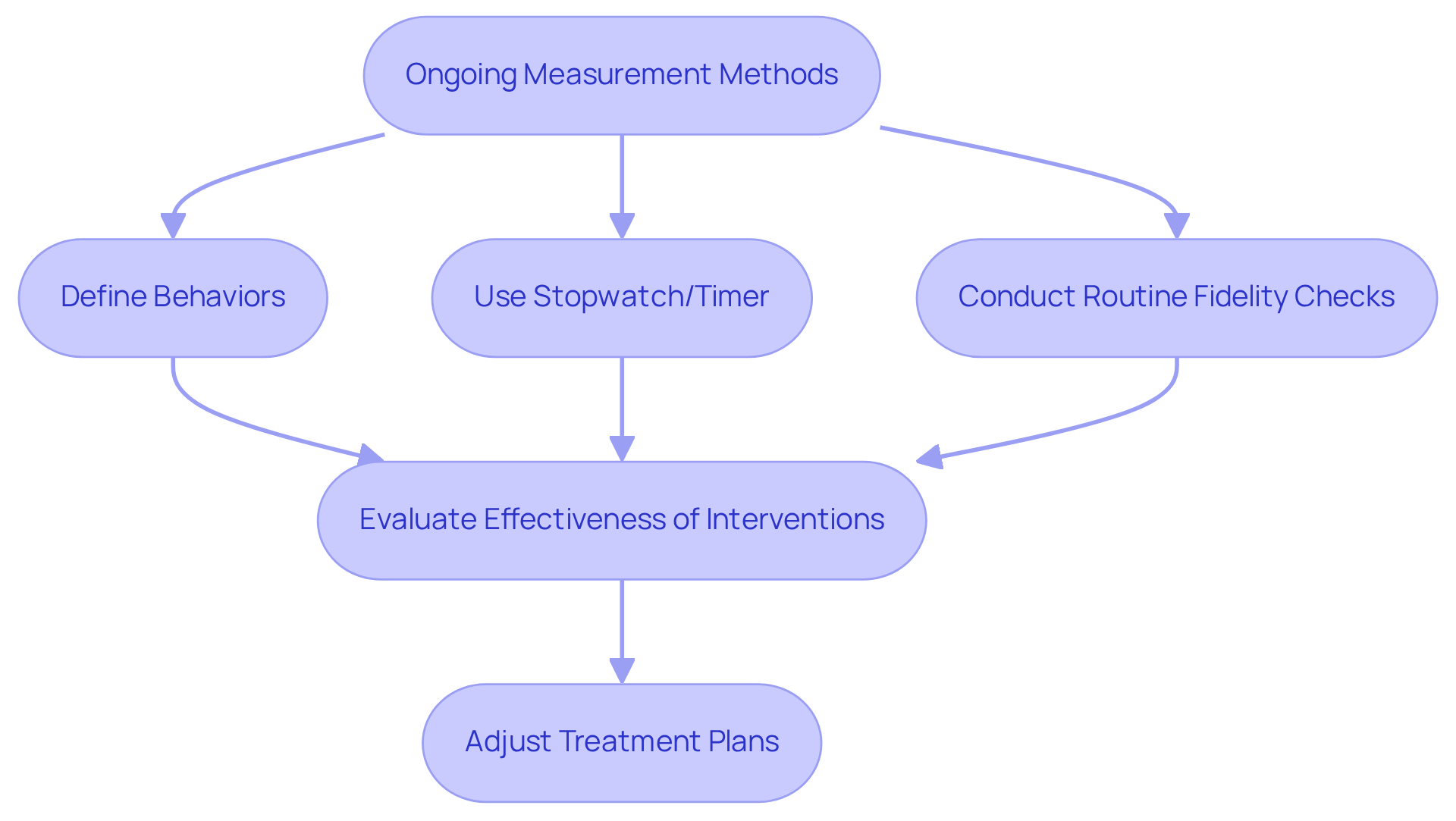
Ongoing measurement methods are indispensable for , particularly for those expected to occur frequently or over extended periods. For example, practitioners can utilize a stopwatch or timer to accurately gauge the duration of specific behaviors, such as tantrums or periods of on-task engagement.
Torres emphasizes that is a vital diagnostic tool for identifying problematic behavior and . Recent studies underscore that can significantly enhance intervention strategies, allowing practitioners to evaluate the intensity and frequency of behaviors with clear start and end points. This data not only informs the effectiveness of interventions but also directs necessary adjustments to treatment plans.
Optimal strategies for involve clearly defining the behaviors being monitored and conducting routine fidelity checks to ensure data accuracy. Remarkably, 90% of individuals show substantial progress when recommended hours are fully implemented with active caregiver involvement. By prioritizing [ongoing assessment](https://theralytics.net/blogs/continuous-measurement-in-aba), ABA professionals can make informed decisions that elevate the therapeutic journey and .
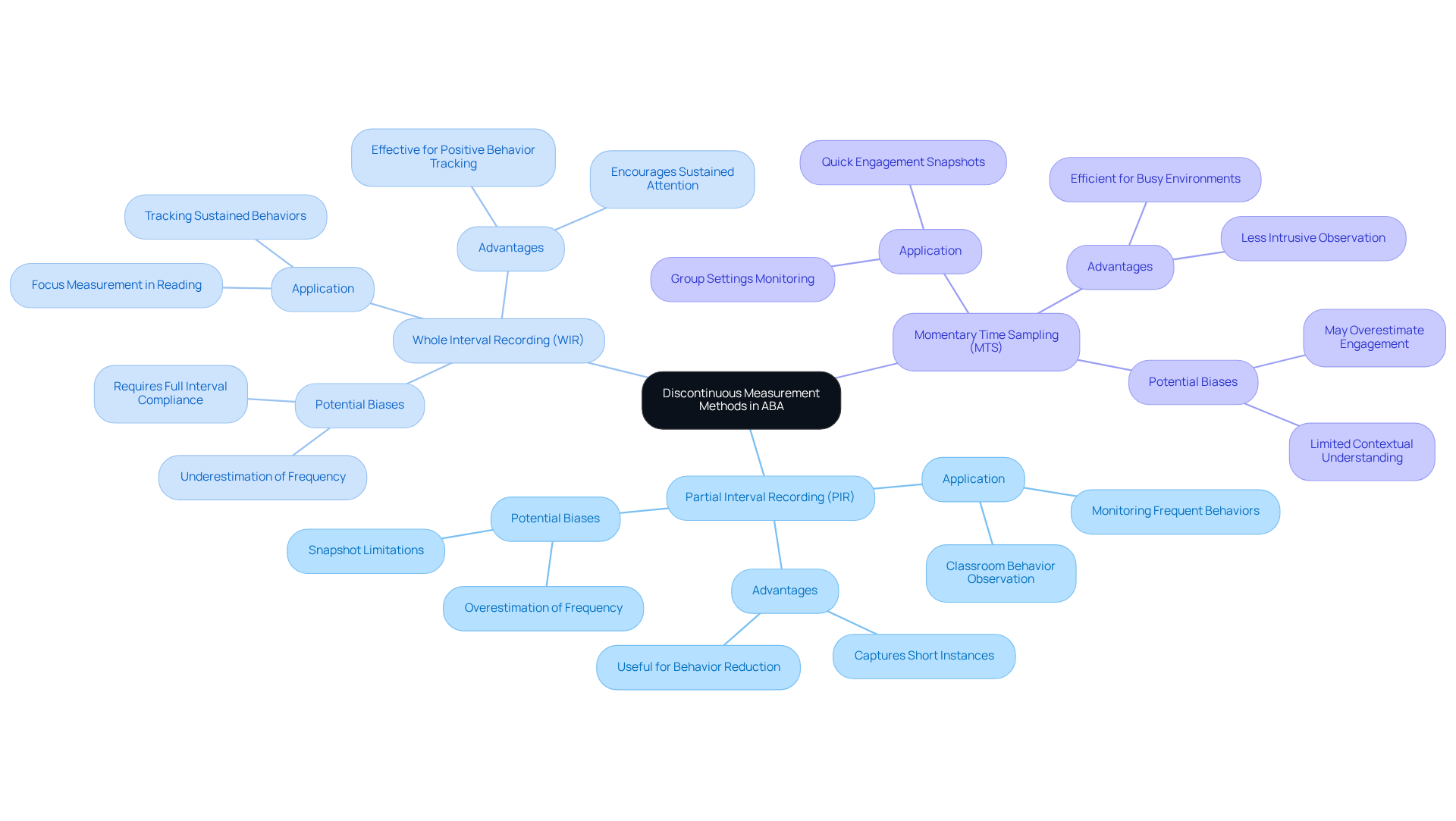
are essential in because they allow for the sampling of actions at specific intervals, which is important for assessing the of behaviors rather than monitoring every occurrence. Techniques such as , Whole Interval Recording (WIR), and enable practitioners to effectively estimate occurrences of actions over the duration aba. For instance, in PIR, the observer notes whether an action occurred at any moment during the specified interval, providing a snapshot of activity without the need for continuous observation. This approach is particularly advantageous in crowded settings where ongoing measurement may be impractical, facilitating while capturing frequent actions.
Research indicates that PIR is effective for monitoring behaviors that occur frequently, offering valuable insights into patterns of conduct. However, it is crucial to recognize that this method may overestimate the frequency of actions, as marking an action once can imply it occurred throughout the entire duration aba. Practitioners must remain vigilant of this potential bias and consider it when analyzing data.
For example, in a classroom environment, a might employ PIR to observe instances of off-task behavior during a lesson. By documenting whether the behavior occurred at any moment during the duration aba of brief intervals, the data collected can inform adjustments to teaching strategies, thereby enhancing student engagement. Moreover, utilizing electronic data collection tools can streamline this process, reducing human error and improving accuracy.
Despite its benefits, practitioners encounter challenges with discontinuous measurement methods. As April Torres notes, it can be time-consuming and repetitive to conduct ongoing data collection for behaviors that occur very frequently. Careful preparation is necessary to define objectives and select appropriate observation periods, ensuring that the data gathered is both relevant and actionable. Furthermore, as H. James Harrington stated, " and eventually to improvement." This underscores the importance of accurate data collection in ABA therapy.
Ultimately, the integration of rigorous like PIR into duration aba therapy not only but also supports personalized interventions tailored to each child's unique needs. For healthcare employers, effectively implementing PIR may require training staff on clearly defining target behaviors and selecting appropriate intervals based on the specific context of their practice.
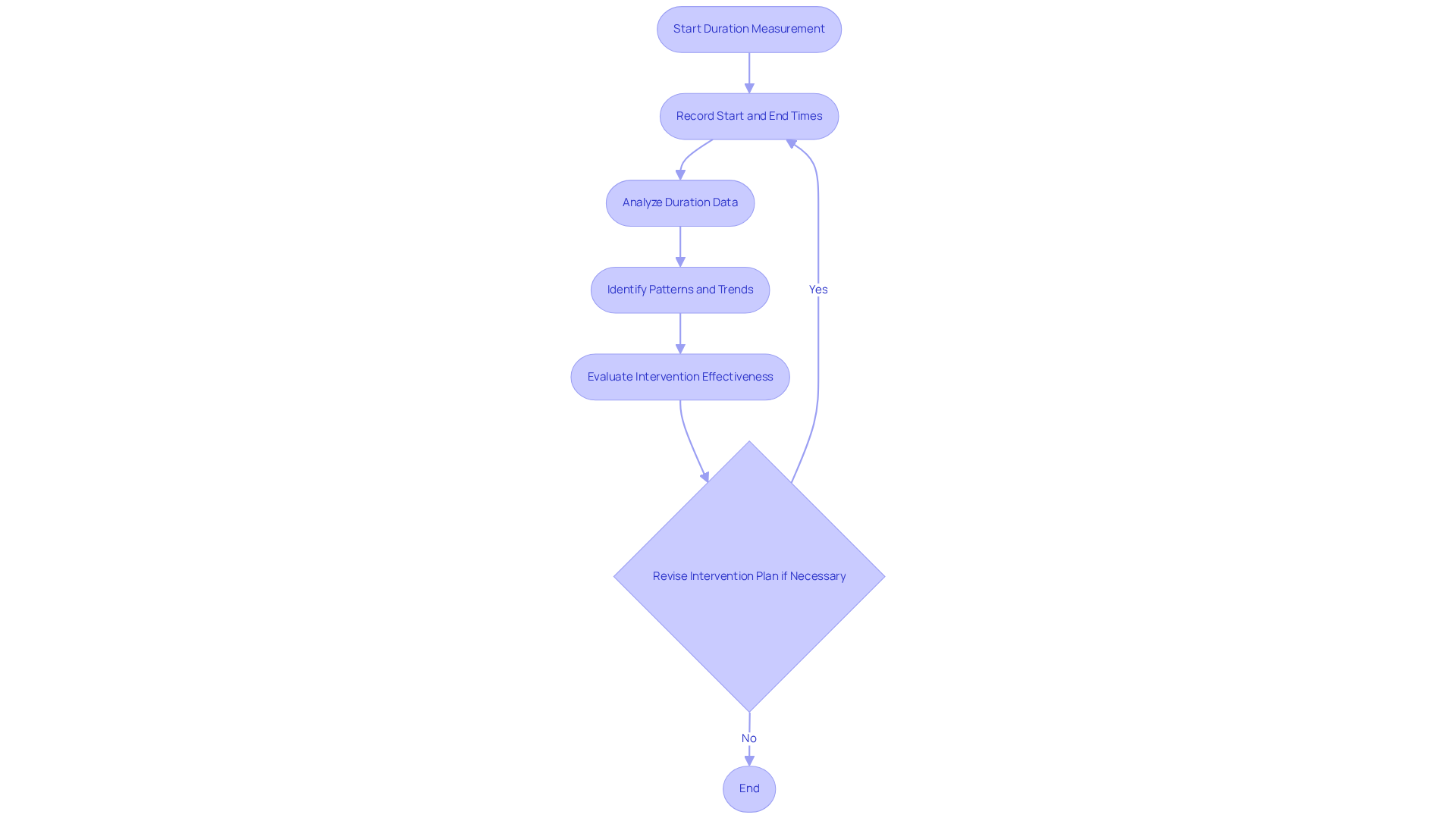
in various contexts within , particularly for , on-task conduct during academic tasks, and social interactions. involves recording the start and end times of an action to determine its length. By meticulously documenting the duration ABA of these actions, can identify significant patterns and trends, , and make informed, .
For instance, a case study revealed that a child exhibited temper tantrums lasting 20 minutes daily. Through , therapists observed a gradual decrease over time, indicating the effectiveness of the implemented strategies. Conversely, if tantrum durations remain constant or escalate, it may signal the necessity for a revised intervention plan.
Additionally, a child engaged in 30 minutes of repetitive stimming during a session, illustrating how reflects intensity and informs . Graphing duration ABA information allows BCBAs to analyze the level, trend, and variability of behavior, thereby enhancing their understanding of behavioral patterns.
As one BCBA noted, 'Accurate duration ABA assessment is essential for refining intervention strategies and ensuring they align with the child's evolving needs.' By leveraging duration ABA information, therapists can celebrate progress and adapt their methods to promote continued growth and success in therapy.
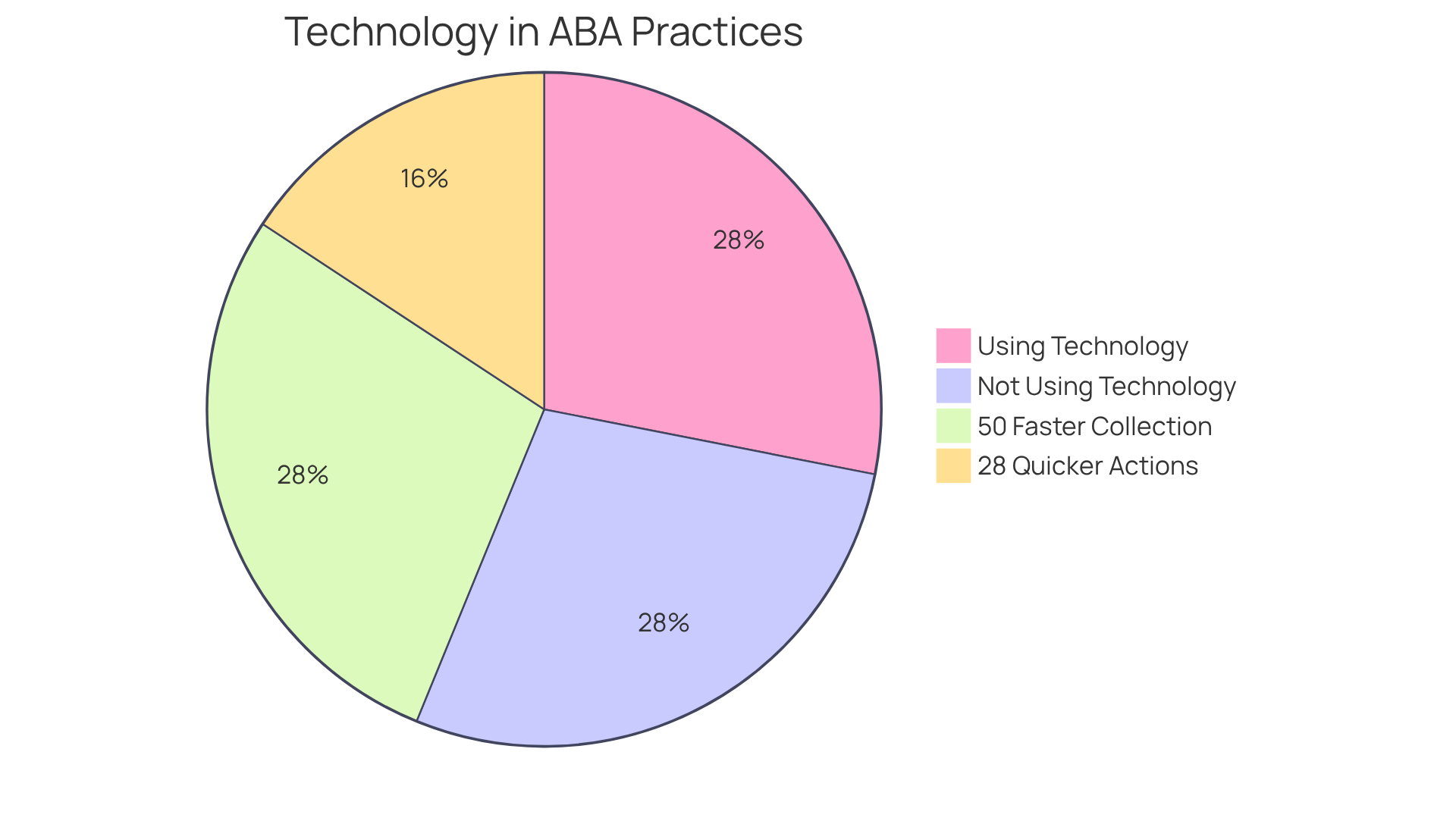
Duration measurement techniques are crucial in , especially during , as they offer significant advantages such as , improved , and . These techniques provide a clear and objective evaluation of conduct, enabling (BCBAs) to make informed decisions regarding treatment strategies. When a child exhibits a behavior, allows BCBAs to identify patterns and adjust interventions accordingly. This precision is vital; for instance, a tantrum with a duration aba of ten minutes is perceived as more intense than one with a duration aba of just one minute, illustrating how duration information can guide intervention strategies.
Moreover, duration aba information acts as an essential with families and stakeholders, providing concrete evidence of a child's progress and highlighting areas needing focus. This transparency fosters trust and collaboration between therapists and families, creating a supportive environment for the child's development. As Clive Humby aptly stated, 'Information is the new oil,' underscoring that is paramount for effective ABA therapy. By integrating duration aba assessment into their practice, BCBAs can significantly enhance the effectiveness of their interventions, ultimately leading to improved for children. Additionally, tools such as stopwatches and smartphones can be employed for recording duration data, further streamlining the process.
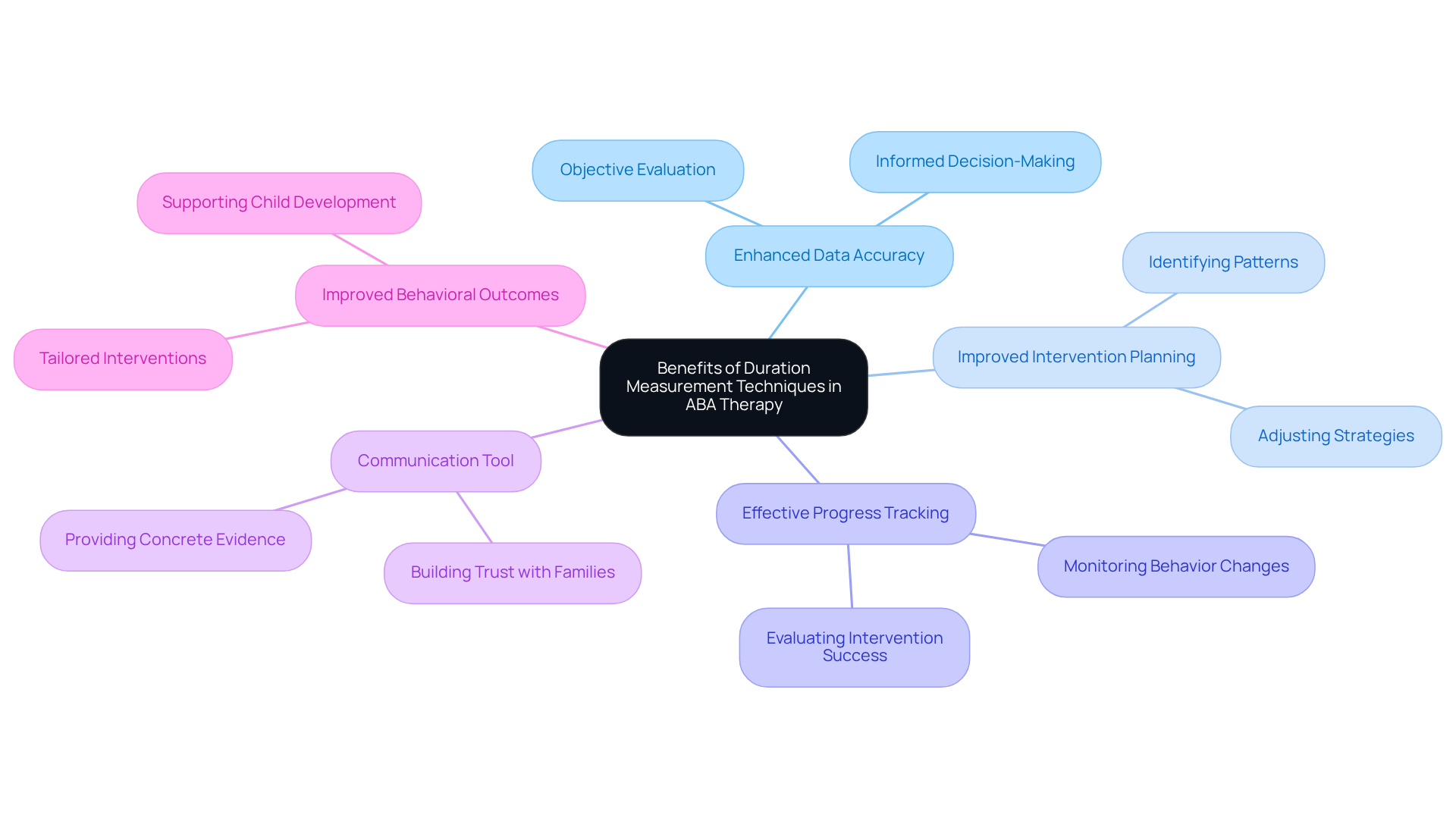
Duration are essential in therapy, yet they come with . The process of precisely recording the length of actions can be time-consuming, often requiring significant resources—particularly in hectic therapy settings. Consider actions that lack clear definitions or have vague starting and finishing points; these can complicate .
Moreover, relying exclusively on may not provide a complete understanding of a child's development, as it overlooks the frequency or intensity of actions. This limitation underscores the importance of . can offer a more comprehensive perspective on actions and assist in effective .
As Ralph Moller, a , noted, ', offering a more precise depiction of the conduct over time.' Additionally, the availability of resources can significantly influence the choice of evaluation techniques, further complicating the data-gathering process in therapy environments.
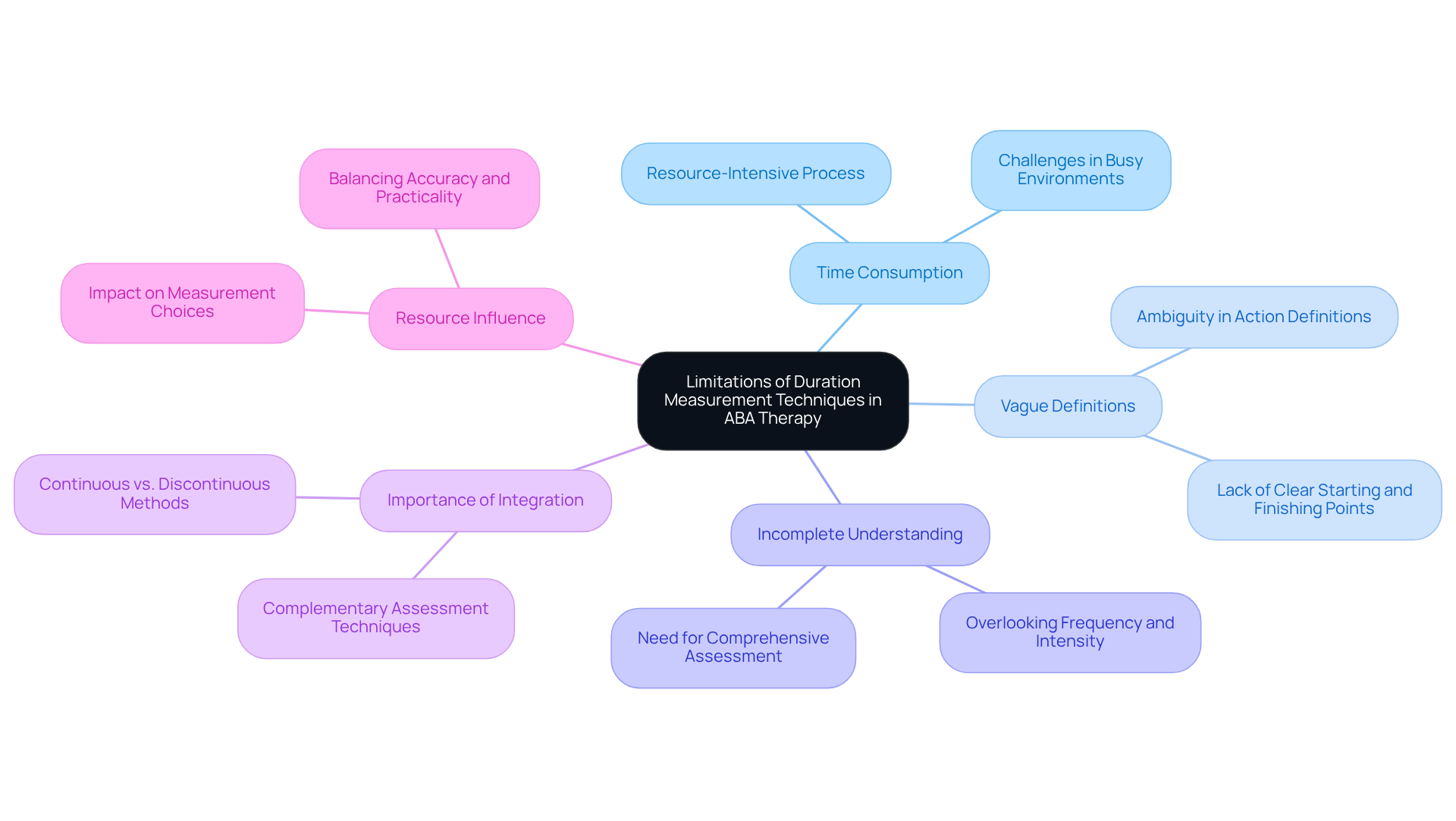
Choosing the appropriate in is influenced by several critical factors, including the target action, the objectives of the intervention, and the context in which the evaluation occurs. Practitioners must determine whether continuous or are more suitable based on the frequency and nature of the behavior.
As one practitioner insightfully stated, "Measurement is not marking how you did at the end; it needs to be done at the beginning." This underscores the from the outset.
Additionally, practitioners should for data gathering, such as time and personnel, alongside the specific outcomes they aim to achieve. For instance, if a child exhibits hand flapping 10 times during a 30-minute session, the recorded frequency of 10 illustrates the effectiveness of ongoing tracking.
By thoroughly assessing these elements and considering foundational information, practitioners can select the most effective to enhance the quality and impact of their ABA interventions. A practical recommendation for practitioners is to routinely assess and adjust their evaluation strategies based on continuous data analysis, ensuring alignment with intervention objectives.
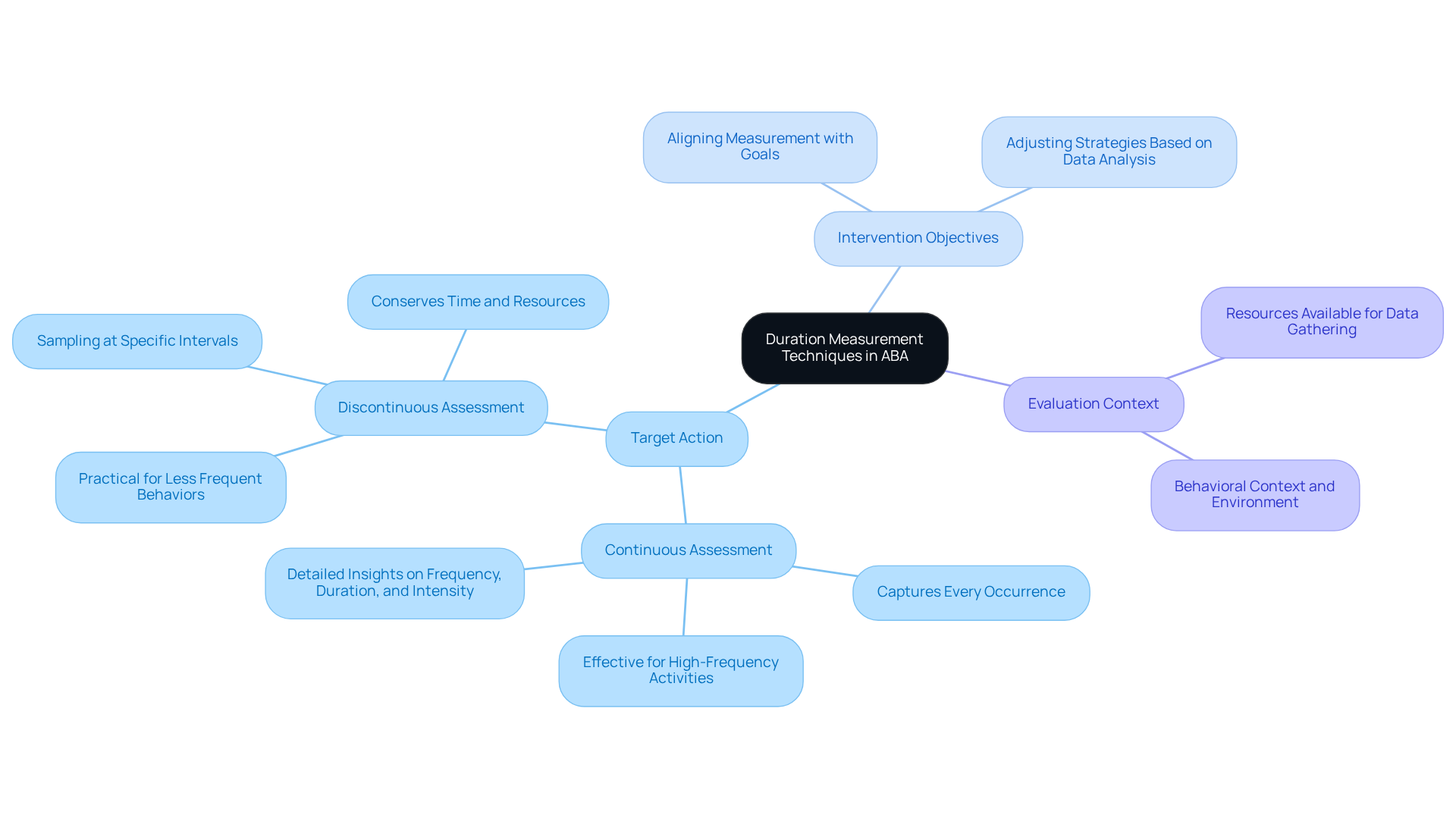
Technology significantly enhances duration practices in therapy, providing a variety of and specialized software. These innovations empower practitioners to document duration with greater efficiency and precision, effectively reducing human error and allowing therapists to dedicate more time to direct client interaction.
Consider mobile applications designed for ABA , like the Rethink app and Behavior Tracker Pro. Studies indicate that therapists utilizing these tools can gather information 50% faster than traditional methods while maintaining comparable accuracy levels. Furthermore, the ability to analyze information in real-time enables (BCBAs) to make timely adjustments to interventions based on insights gathered during therapy sessions.
Programs that leverage achieve target actions 28% quicker than those relying on weekly assessments, underscoring the efficiency of immediate analysis. As the industry increasingly embraces digital solutions, approximately 50% of now incorporate these tools, signaling a growing trend towards more effective and .
Dr. Janet Twyman aptly notes, 'Precise, consistent information enables therapists to track behaviors, assess intervention effectiveness, and customize treatments to individual needs.' This highlights the critical importance of into ABA practices for enhanced outcomes.
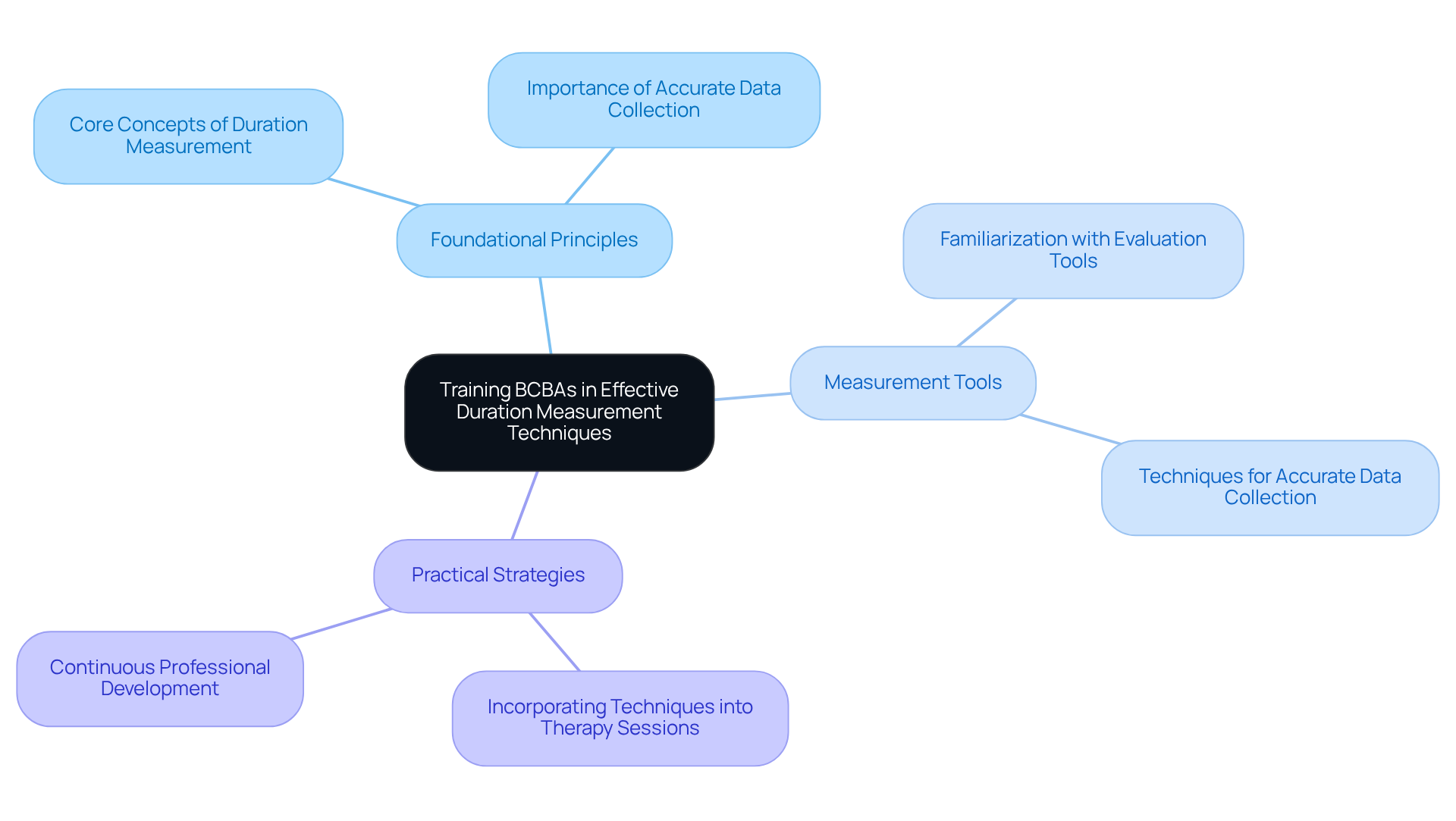
Training in effective is crucial for ensuring precise data collection and analysis in . With the over the next decade, cannot be overstated.
These programs should encompass the foundational principles of , the application of various evaluation tools, and these techniques into therapy sessions.
Key Aspects of Training Programs:
Moreover, to stay updated on the latest progress in evaluation practices and technology. but also significantly improves the quality of care delivered to clients.
Industry leaders emphasize that continuous professional development is essential for maintaining high standards in behavioral analysis, ensuring that practitioners are equipped to meet the evolving needs of their clients effectively. As the landscape of ABA therapy evolves, are you prepared to meet these challenges? Consider how investing in training can elevate your practice and the care you provide.
In conclusion, the importance of cannot be overstated. Equip your team with the skills necessary to thrive in this growing field.
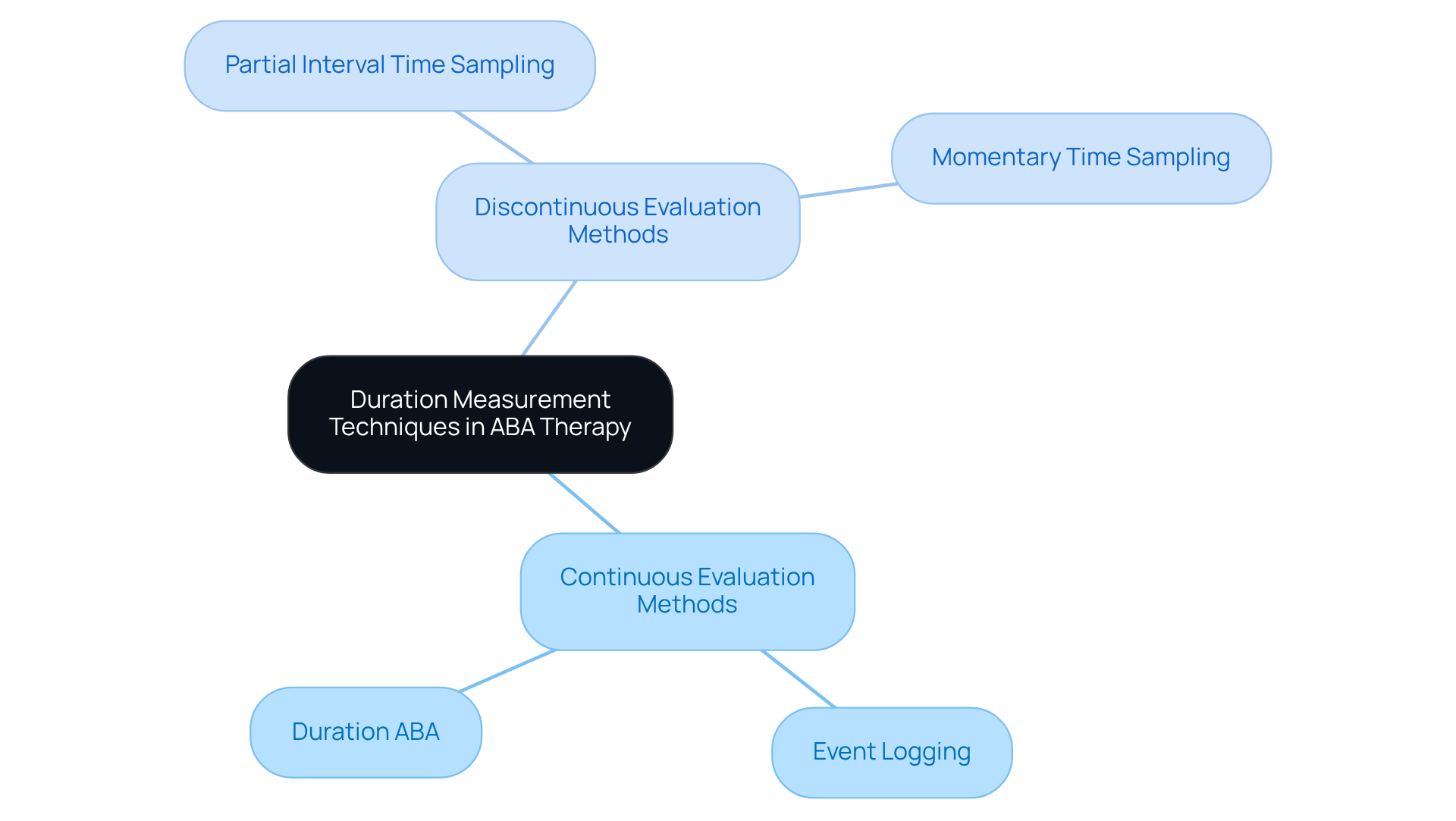
Duration ABA evaluation methods are crucial in , providing essential insights into conduct patterns and the effectiveness of interventions. , such as event logging—counting each occurrence of an action as it occurs—and duration aba, which captures the total time an action takes place, effectively record every instance of behavior. These methods provide detailed data suitable for high-frequency actions or actions with a long duration aba. In contrast, discontinuous , including partial interval time sampling, which records whether an action occurred at any point during an interval, and momentary time sampling, which checks if the action is occurring at the end of each interval, enable practitioners to estimate occurrences when resources are limited or actions are brief.
emphasize that are essential in ABA, guiding and monitoring changes over time. Ralph Moller notes that 'by assessing actions, ABA practitioners can collect objective information to monitor progress, make informed choices, and adjust interventions as needed.' Collaborating with ABA experts ensures that the appropriate method is employed to gather valid, reliable, and actionable data on actions.
Real-world applications of these techniques showcase their significant impact on therapy outcomes. For example, utilizing can help practitioners identify trends in behavior episodes, facilitating . Data indicates that effective evaluation strategies substantially contribute to the success of ABA interventions. With a projected increase in , the importance of these skills in practice cannot be overstated. However, challenges related to ongoing evaluation, such as being time-consuming and resource-intensive, must also be acknowledged. By understanding and applying both , BCBAs can elevate the quality of care provided to their clients, ensuring that interventions are both effective and responsive to individual needs.
The significance of duration measurement techniques in Applied Behavior Analysis (ABA) therapy cannot be overstated. As the demand for Board Certified Behavior Analysts (BCBAs) continues to surge, mastering these techniques becomes essential for practitioners aiming to deliver effective interventions. By employing both continuous and discontinuous measurement methods, practitioners gain invaluable insights into behavior patterns and intervention effectiveness. This precision in data collection is crucial for tailoring interventions to meet the unique needs of each client, ultimately enhancing treatment outcomes and fostering a deeper understanding of behavioral dynamics.
Key arguments underscore the necessity of selecting appropriate measurement techniques based on the nature of the behavior. Additionally, integrating technology for efficient data collection and ensuring comprehensive training for BCBAs are vital components in this process. Each element plays a critical role in ensuring that interventions are not only effective but also responsive to the individual needs of clients, leading to improved behavioral outcomes.
As practitioners invest in training and utilize advanced tools, they elevate their practices and enhance the quality of care provided to clients. Embracing these strategies strengthens the effectiveness of ABA therapy and contributes to the broader goal of fostering positive behavioral changes in those they serve. Reflect on your current hiring challenges: how can platforms like Hire ABA assist you in addressing these issues? The time to act is now—prioritize mastering duration measurement techniques and elevate your practice to meet the growing demand.
What is Hire ABA and how does it assist Board Certified Behavior Analysts (BCBAs)?
Hire ABA is a specialized recruitment platform that connects BCBAs with job opportunities in the field of Applied Behavior Analysis (ABA) therapy. It streamlines the hiring process by offering personalized resume assessments and advanced job fit scoring to match candidates with suitable positions based on their skills and preferences.
What is the projected job growth for BCBAs in the next decade?
The demand for Board Certified Behavior Analysts (BCBAs) is projected to grow by 22% over the next decade.
How does Hire ABA enhance the recruitment strategy for employers?
Hire ABA improves recruitment strategies by leveraging advanced recruitment techniques, ensuring that employers find qualified candidates efficiently, which increases job placement success in a competitive job market.
What are continuous measurement techniques in ABA therapy?
Continuous measurement techniques are methods used to monitor behaviors in real-time, particularly those that occur frequently or over extended periods. They involve using tools like stopwatches or timers to accurately gauge the duration of specific behaviors.
Why is measuring the duration of actions important in ABA therapy?
Measuring the duration of actions is vital for diagnosing problematic behaviors and evaluating the effectiveness of intervention plans. It allows practitioners to assess the intensity and frequency of behaviors, which informs necessary adjustments to treatment plans.
What are discontinuous measurement methods and why are they used in ABA?
Discontinuous measurement methods are techniques that sample behaviors at specific intervals rather than monitoring every occurrence. They are used to estimate the duration of behaviors, making data collection more practical in settings where continuous observation is challenging.
Can you provide examples of discontinuous measurement techniques?
Examples of discontinuous measurement techniques include Partial Interval Recording (PIR), Whole Interval Recording (WIR), and Momentary Time Sampling (MTS). These methods allow practitioners to capture snapshots of behavior without needing continuous observation.
What challenges do practitioners face when using discontinuous measurement methods?
Practitioners may find it time-consuming and repetitive to conduct ongoing data collection for frequently occurring behaviors. Careful preparation is necessary to define objectives and select appropriate observation periods to ensure the data is relevant and actionable.
How can electronic data collection tools benefit ABA practitioners?
Electronic data collection tools can streamline the data collection process, reducing human error and improving accuracy, which enhances the overall effectiveness of monitoring behaviors in ABA therapy.
Our expert recruitment strategies and AI-driven sourcing ensure that you receive top-notch candidates quickly, without compromising on quality. Whether you’re looking for BCBAs, Clinical Directors, or RBTs, we’ve got you covered.


