


Thank you! Your submission has been received!
Oops! Something went wrong while submitting the form.
September 27, 2025

Understanding the various types of reinforcement schedules is essential for anyone involved in Applied Behavior Analysis (ABA) therapy. As the demand for effective behavioral strategies continues to rise, therapists and educators alike must grasp how these schedules can enhance learning and behavior retention. This article delves into the nuances of reinforcement schedules, exploring their unique advantages and applications in real-world scenarios.
How can practitioners effectively leverage these strategies to not only promote immediate behavioral change but also ensure long-term engagement and success?
The (BCBAs) is staggering, with by an extraordinary 1,942% from 2010 to 2018. Projections suggest a robust from 2020 to 2030. In this thriving landscape, stands out as a specialized recruitment platform designed specifically for BCBAs, addressing the urgent need for these professionals in the ABA therapy sector.
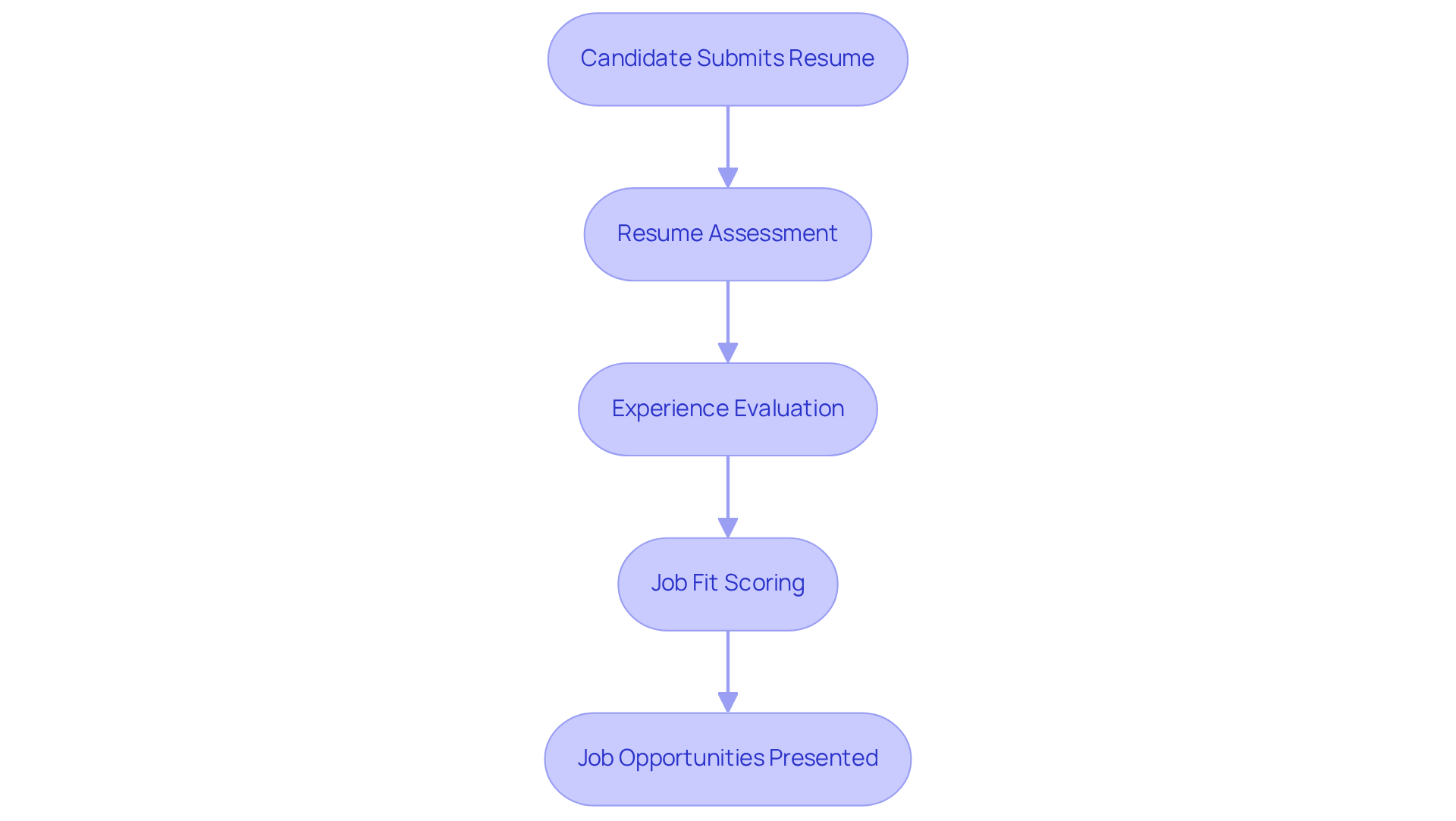
simplifies the through personalized resume assessments, allowing candidates to submit their resumes for evaluation. Our dedicated team meticulously assesses their experience and career goals, utilizing advanced job fit scoring to pinpoint opportunities that align with their skills, preferences, and desired locations. This comprehensive support fosters a nurturing environment, significantly enhancing candidates' chances of securing desirable roles in this rapidly expanding field.
As the global number of , like become increasingly vital. They ensure that both job seekers and employers can adeptly navigate this dynamic landscape. Are you facing challenges in hiring qualified BCBAs? Let be your solution. According to industry leaders, the remains exceptionally promising, with a projected growth rate of 22% over the next decade. Embrace the future of ABA recruitment with —your trusted partner in securing top talent.
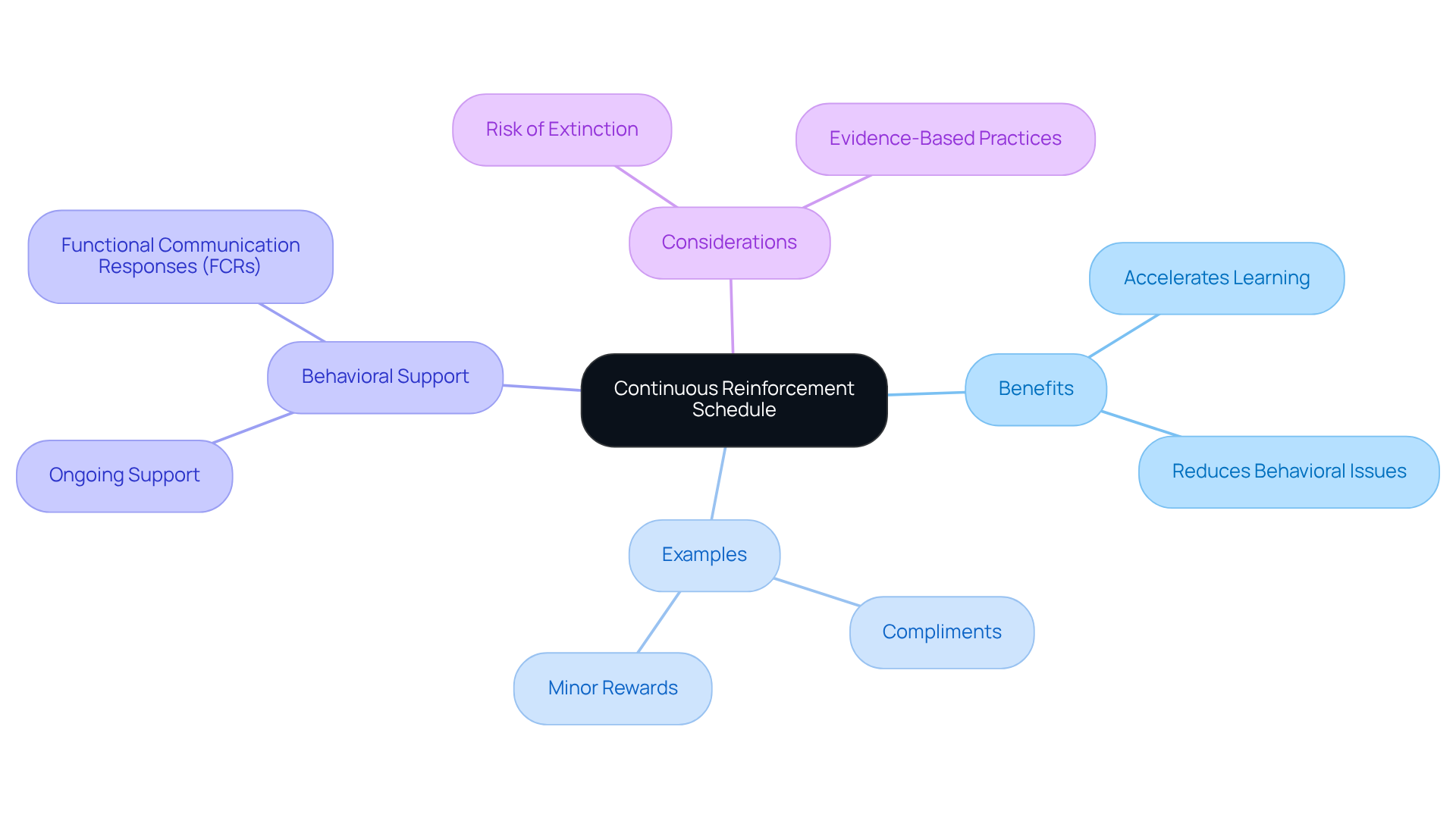
A is critical in providing a reinforcer every time a desired action is demonstrated through . This method is particularly advantageous during the , reinforcing the connection between the action and its reward.
For instance, when a child receives compliments or a minor reward each time they successfully complete a task, it steadily strengthens the action until it becomes ingrained. Studies indicate that and facilitates the quick adoption of (FCRs), while also enhancing the persistence of these actions over time.
for this approach, emphasizing its effectiveness in developing new actions and fostering a nurturing learning atmosphere. Recent research underscores that ongoing reward schedules lead to , showcasing their essential role in effective conduct modification techniques within .
However, it is vital to consider that withdrawing support for the may lead to the rapid extinction of the learned conduct. Therefore, while continuous reinforcement serves as a powerful tool, it must be applied thoughtfully within .
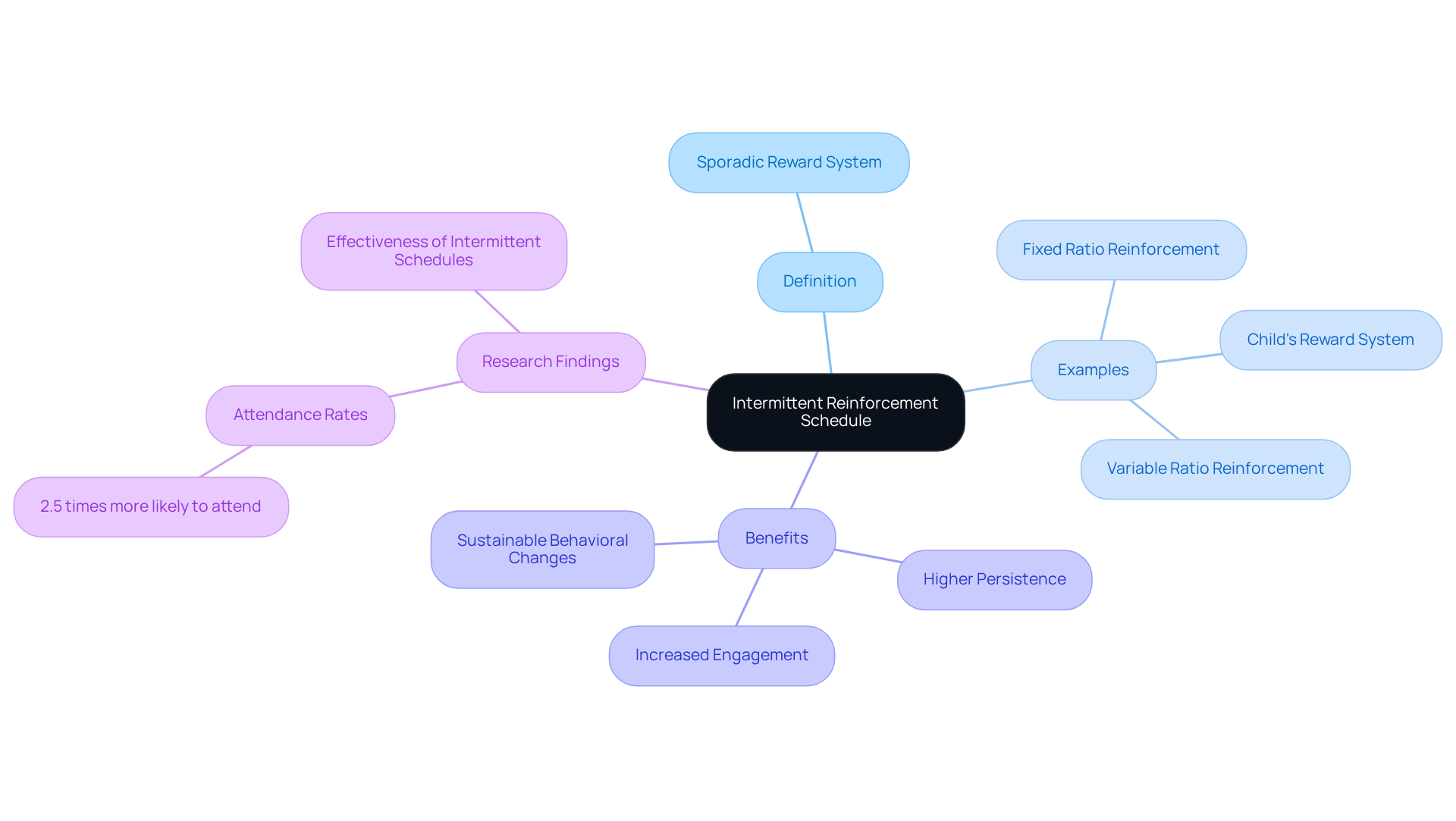
A is one of the that provides incentives only occasionally when a desired action occurs, introducing an element of unpredictability that significantly enhances . This method encourages individuals to persist in their efforts, even in the absence of consistent rewards.
For instance, a child may receive a reward upon completing a task at certain times but not at others, fostering greater persistence in actions compared to a system of consistent rewards. Research indicates that participants in that involve exhibit higher attendance and engagement rates.
Studies reveal that those in predictable intermittent situations are 2.5 times more likely to attend treatment appointments than those receiving standard treatment. Furthermore, underscore that the outcomes of actions influence their likelihood of recurrence, highlighting the , especially sporadic rewards, in shaping lasting behaviors.
By strategically implementing these principles, practitioners can enhance the effectiveness of , leading to more sustainable .
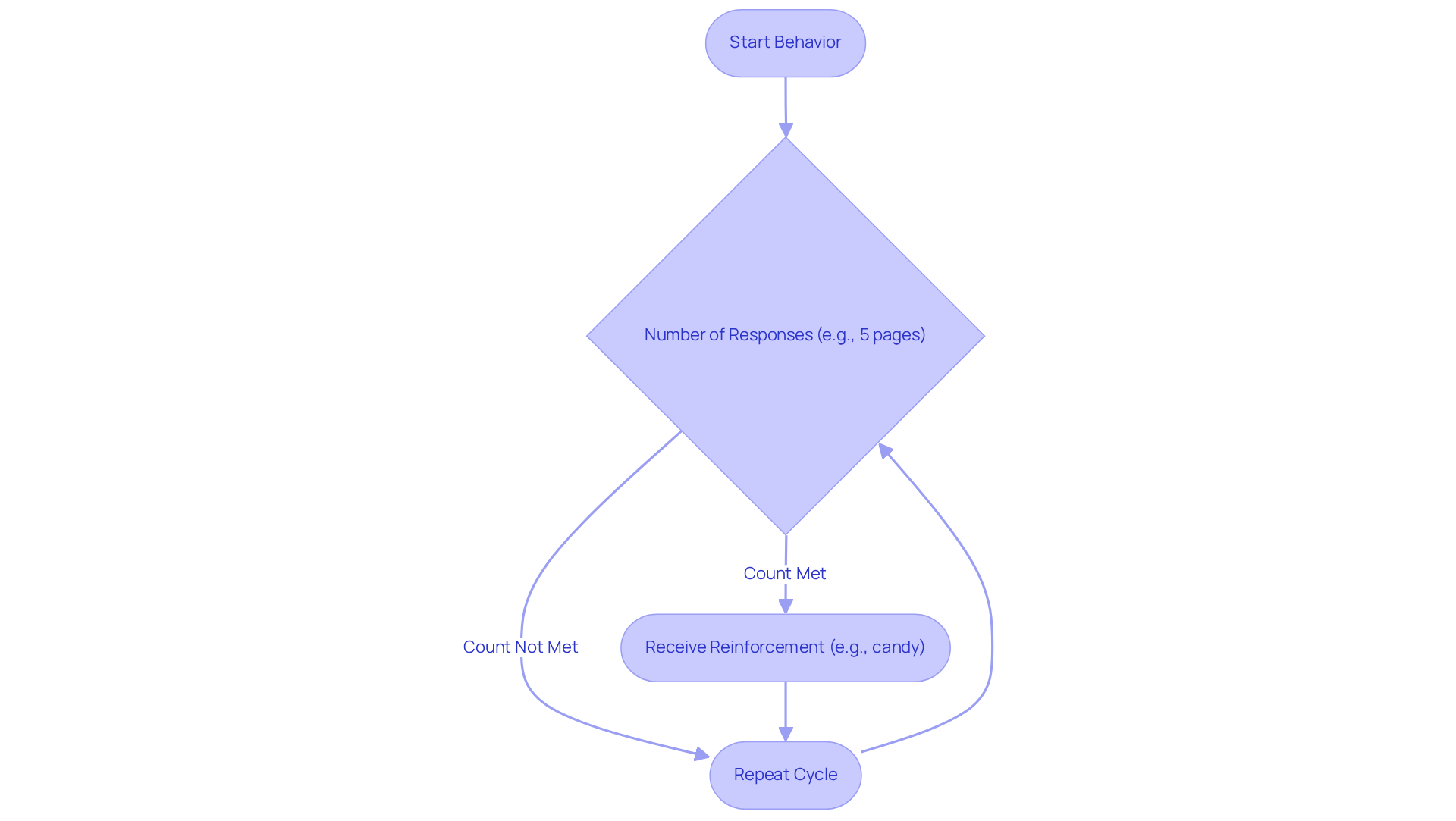
A fixed-ratio arrangement is one of the that provides reinforcement after a predetermined number of responses, effectively motivating individuals to maintain consistent behaviors. For example, a child may receive candy after completing five pages of a textbook. This framework fosters a clear understanding that their efforts will lead to rewards following a specific number of actions, resulting in a .
Research demonstrates that , specifically , can significantly enhance behavioral consistency, with studies indicating that children show improved engagement and motivation when rewards are tied to specific performance metrics. note that such plans not only promote prompt adherence but also facilitate long-term , as individuals learn to associate their efforts with .
Kendra Cherry, a psychosocial rehabilitation expert, states, 'One benefit of the , particularly a , is that it results in a with just a short break following the presentation of the reinforcer.'
Numerous instances exist in educational settings, where educators implement , including s, to encourage by providing incentives for engagement every 30 minutes. This strategy not only enhances motivation but also fosters a , ultimately leading to sustained behavioral improvements.
However, it is essential to recognize potential drawbacks, such as the risk of exhaustion from high response rates, which may affect the overall effectiveness of the support strategy.
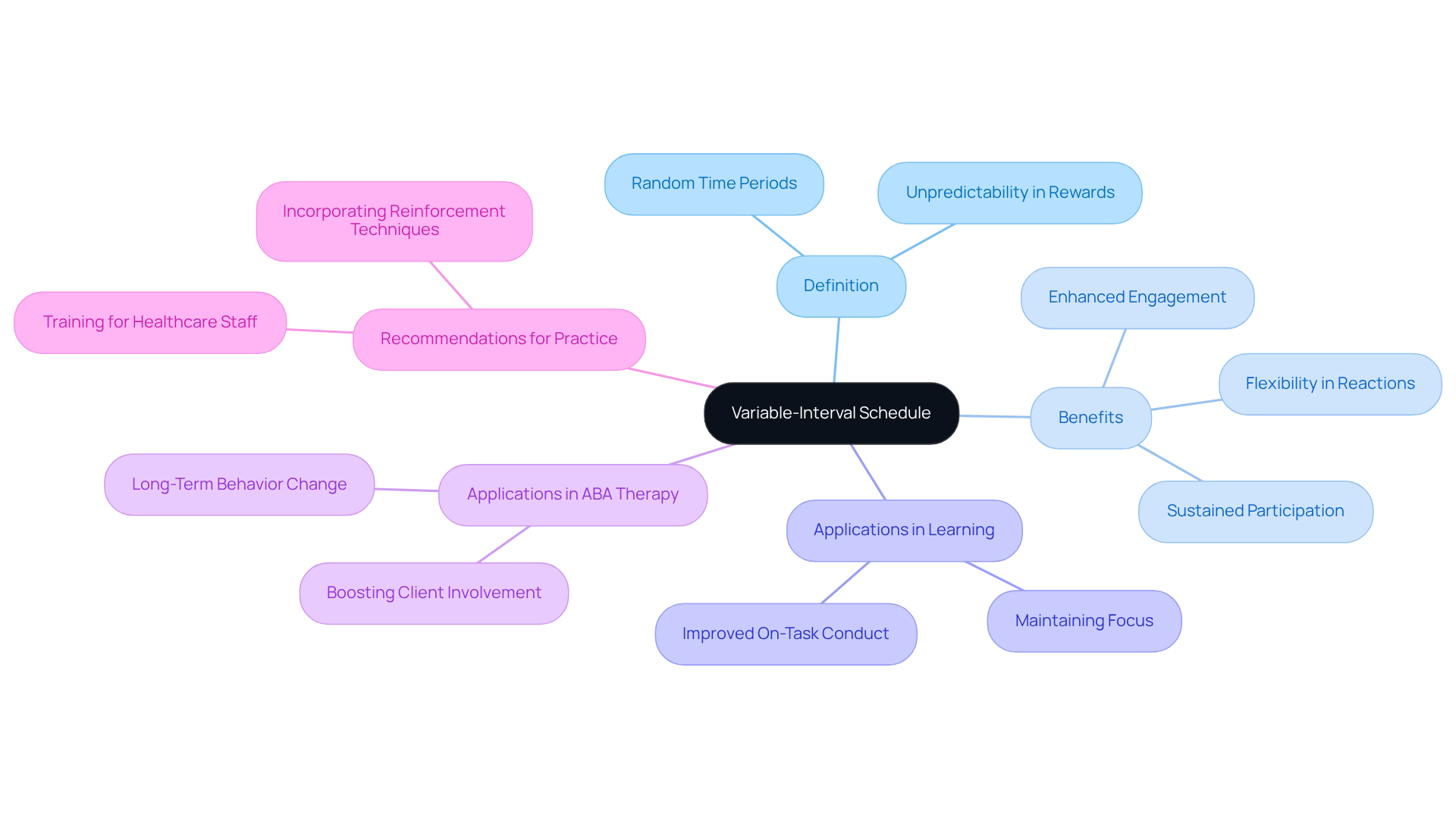
A serves as a powerful tool in , providing support after an unpredictable number of responses. This method is particularly effective for maintaining high response rates. For instance, a child might receive a reward following an average of three to five correct responses, yet the precise number fluctuates each time. This unpredictability fosters , as individuals remain hopeful for rewards with each attempt.
Research indicates that the , especially , can lead to a consistent, elevated rate of response due to the anticipation of rewards, significantly enhancing participation in therapeutic environments. have noted that when implemented correctly, these strategies not only assist in behavior maintenance but also prevent reward satiation, resulting in .
The practical applications of , particularly , can be observed across various settings, including classroom learning, where students are motivated to complete assignments without knowing when they will receive rewards, thereby .
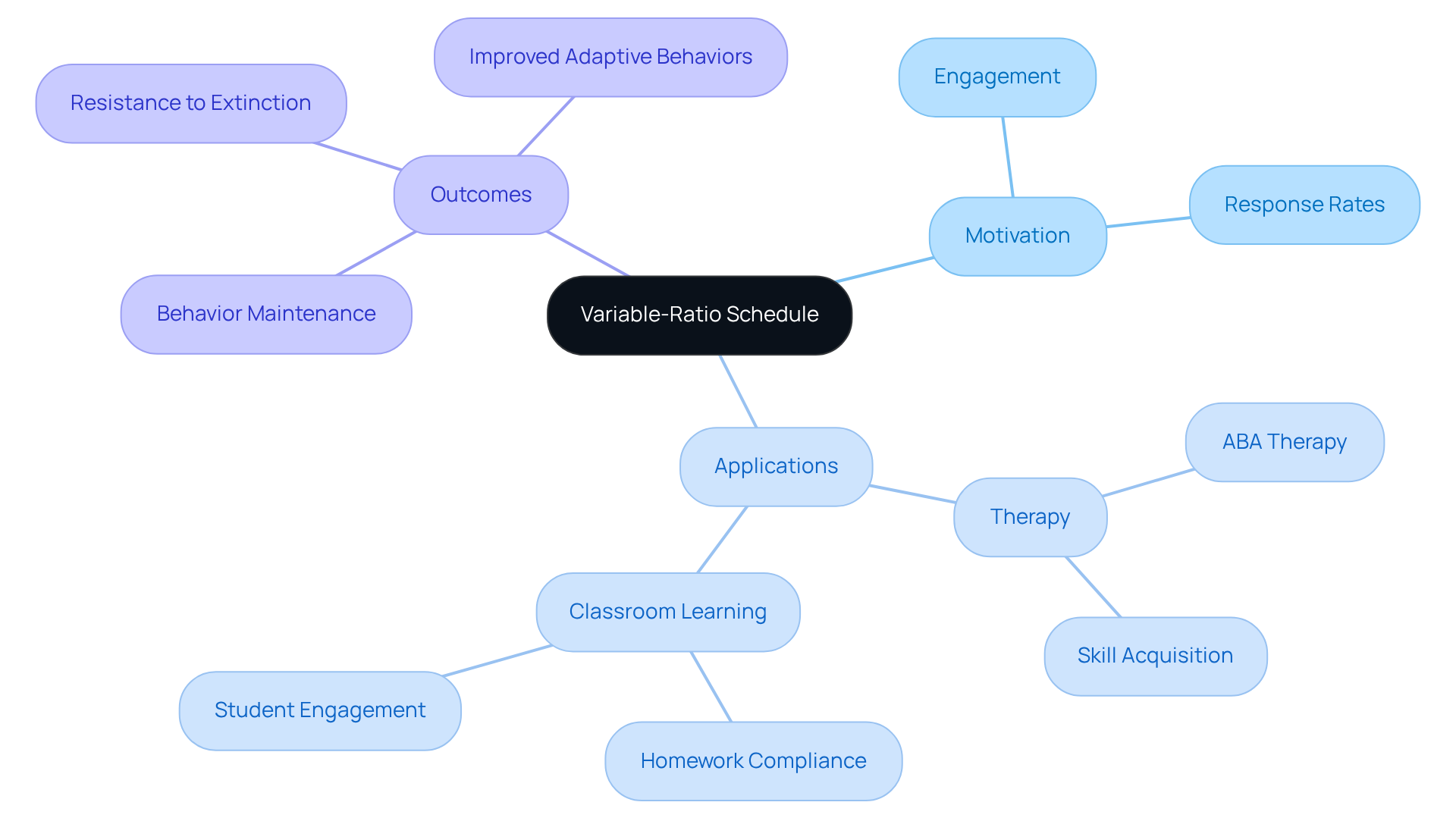
A fixed-interval arrangement is one of the that provides reinforcement after a predetermined amount of time has passed, regardless of the number of responses made. For instance, a child may earn a reward for completing a task after every 10 minutes of focused work. This approach not only fosters a consistent effort over time but also helps individuals understand that their persistence will be rewarded according to the .
Research suggests that , particularly , can significantly improve . These frameworks motivate students to engage in , particularly in educational environments. By using to reinforce behaviors at regular intervals, they encourage a , ultimately resulting in enhanced . For example, students may be more likely to complete assignments or participate in classroom activities when they know they will receive recognition or rewards after a set period.
Behavior analysts stress that the is vital when considering . As B.F. Skinner observed, 'Fixed Interval patterns frequently result in expected pauses in responses after rewards.' This insight emphasizes the significance of to enhance learning and sustain engagement. Are you leveraging these insights in your educational practices? Consider the impact of fixed-interval reinforcement on your students' learning journeys.
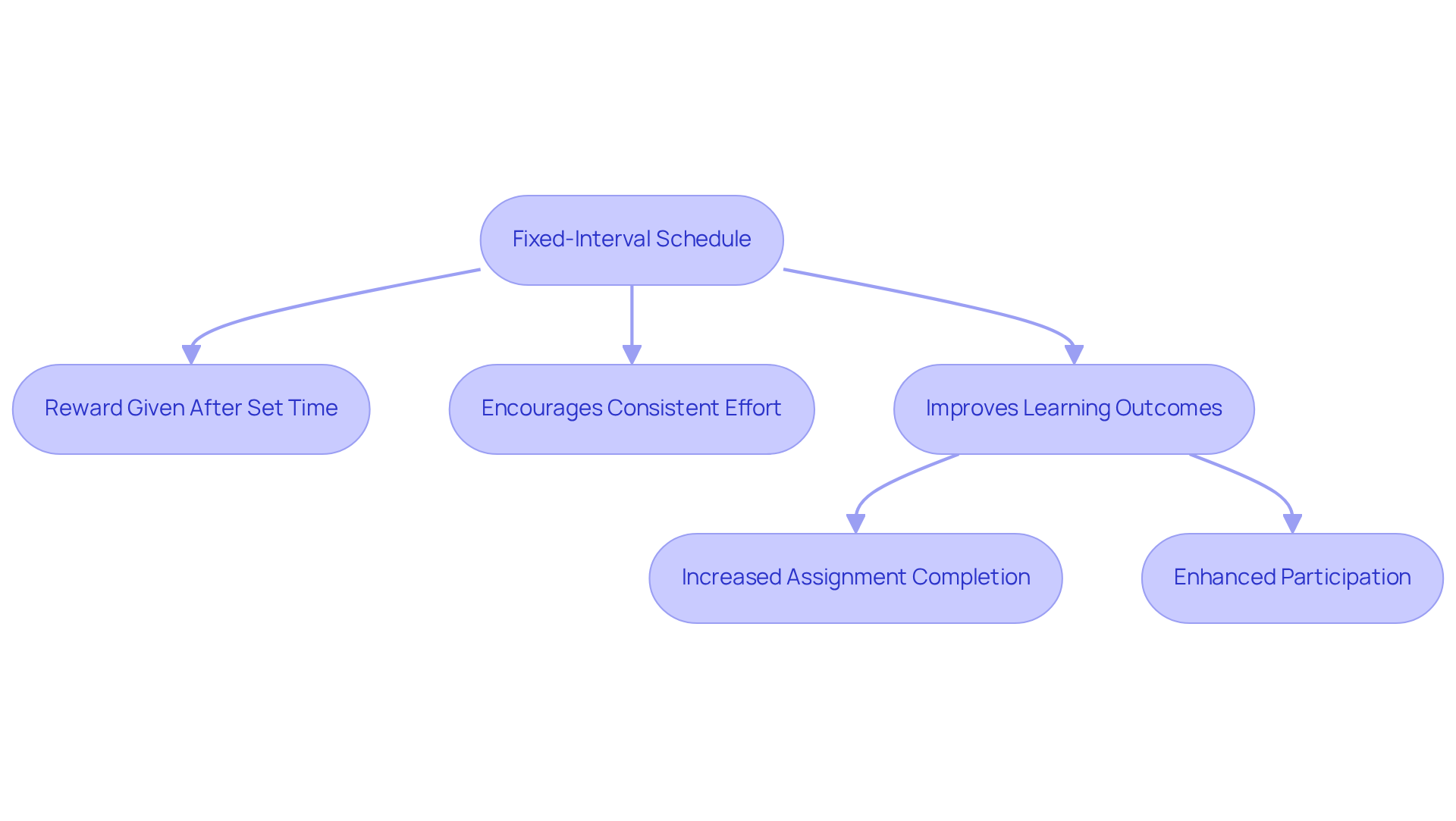
A variable-interval arrangement provides rewards after random time periods, such as giving a child a reward after 5 minutes once and 15 minutes another time. This unpredictability fosters , as individuals remain motivated to continue their efforts without knowing when the next reward will come. Recent studies indicate that this method significantly enhances engagement levels; the element of surprise encourages consistent participation.
For instance, in learning environments, educators using have noted enhanced on-task conduct among students, as the maintains their focus. Psychologists highlight that the role of unpredictability in rewards not only sustains interest but also encourages flexibility in reactions.
Consequently, , including , emerge as a powerful tool in . By incorporating these strategies, therapists can effectively boost and support .
To apply this in practice, should consider training staff on the intricacies of reinforcement techniques, ensuring they can utilize these principles effectively in their .
are pivotal in shaping both the acquisition and preservation of actions in . Understanding the intricacies of the empowers therapists to tailor their interventions for optimal outcomes.
For instance, ongoing support proves particularly beneficial during the , as it facilitates the establishment of new actions through consistent rewards. Research reveals that the average rate of actions during acquisition is 1.68, with most mice meeting acquisition criteria within five sessions (mean 4.44).
However, the transition to , such as variable ratio or fixed ratio, can markedly enhance . Notably, the that involve rewarding actions sporadically lead to stronger maintenance of behaviors and increased resistance to extinction. This aspect becomes crucial in scenarios where actions must be sustained over time, as it fosters a sense of unpredictability that can drive continued engagement.
Furthermore, analysts like Erin S. Calipari underscore the to individual needs and contexts, ensuring that interventions remain effective and relevant. By leveraging the latest insights into , including the understanding that motivation often hinges on experience, ABA therapists can significantly influence skill acquisition and promote lasting .

In the realm of , the choice between hinges on the specific objectives of the intervention. Ongoing support is especially efficient for rapidly developing new actions, as it strengthens every instance of the desired conduct, promoting a . However, this method can lead to reliance on external support, making it less sustainable in the long term.
Conversely, sporadic rewards are more beneficial for sustaining actions over time. By offering support using that involve varying intervals or ratios, this method not only fosters resilience against extinction but also keeps individuals engaged and motivated. For instance, a therapist could apply , including a variable ratio system, rewarding a child after an average of three successful attempts to interact with peers, resulting in more enduring changes in behavior.
Recent studies have underscored the significance of to meet personal requirements. One study discovered that children undergoing with exhibited 47% greater progress in adaptive behaviors compared to those with less structured interventions. This highlights the necessity for therapists to thoughtfully of each type of support when creating treatment plans.
Experienced ABA therapists emphasize the . For example, one therapist remarked, 'Selecting the appropriate reward timing greatly influences the effectiveness of ,' underscoring the essential role these strategies play in achieving therapeutic objectives. By understanding the nuances of continuous versus intermittent rewards, therapists can develop more effective and personalized treatment plans that address the unique needs of their clients.

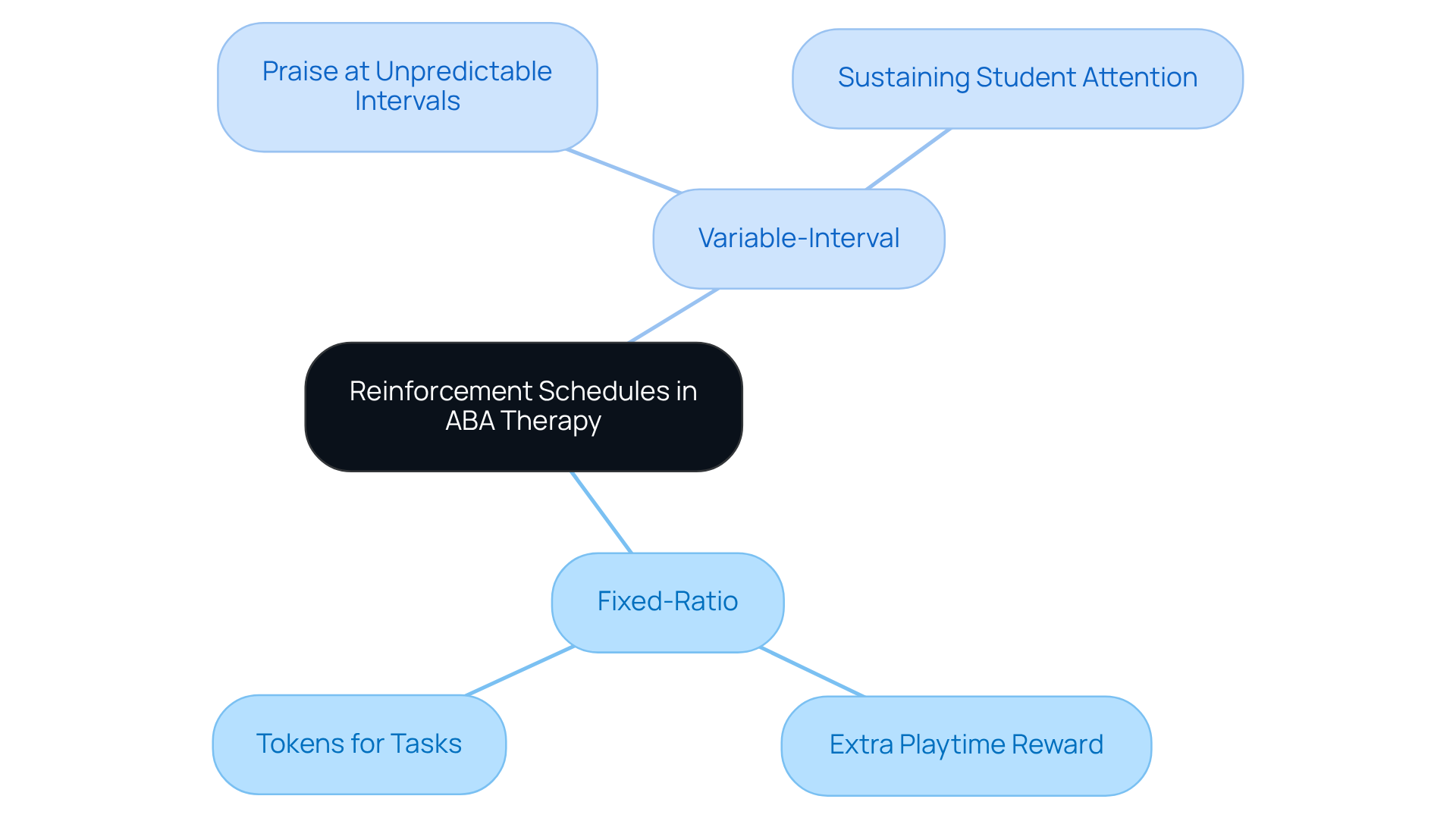
Real-life applications of are crucial in enhancing the efficacy of . Consider a scenario where a teacher implements a , rewarding students with extra playtime after they complete a designated number of assignments. This method not only motivates students but also reinforces their work ethic.
Alternatively, a therapist may utilize a , providing praise at unpredictable intervals throughout a session. This unpredictability captivates children, fostering consistent participation.
Case studies further illuminate these concepts:
These practical examples underscore the versatility of and the different , allowing ABA therapists to tailor their methodologies to meet the distinct needs of each client.
Moreover, and consistently monitoring progress are essential for optimizing the effectiveness of these strategies, ensuring that interventions are aligned with each child's unique requirements. The foundational role of in shaping desired behaviors further accentuates their importance within the broader landscape of .
Understanding the various types of reinforcement schedules is crucial for optimizing Applied Behavior Analysis (ABA) therapy. Each schedule—whether continuous, intermittent, fixed-ratio, variable-ratio, fixed-interval, or variable-interval—serves a unique purpose in shaping behavior, enhancing learning, and promoting long-term engagement. By strategically selecting the appropriate reinforcement method, therapists can create tailored interventions that not only facilitate skill acquisition but also ensure lasting behavioral change.
Key insights shared throughout the article reveal how different reinforcement schedules impact behavior.
The importance of customizing strategies to meet individual needs is emphasized, showcasing the adaptability of these methods in real-life scenarios.
Incorporating these reinforcement strategies into ABA therapy transcends mere improvement of immediate outcomes; it fosters a deeper understanding of behavior and promotes sustained change. As the demand for effective ABA interventions continues to grow, leveraging insights gained from reinforcement schedules will be essential for practitioners aiming to enhance their therapeutic practices. Embrace the potential of these strategies to transform lives and empower clients on their journey to meaningful behavioral change.
What is Hire ABA?
Hire ABA is a specialized recruitment platform designed specifically for Board Certified Behavior Analysts (BCBAs), aimed at addressing the urgent need for these professionals in the ABA therapy sector.
How has the demand for BCBAs changed over the years?
The demand for BCBAs has dramatically increased, with job postings soaring by 1,942% from 2010 to 2018, and a projected growth rate of approximately 8% from 2020 to 2030.
What services does Hire ABA provide to job seekers?
Hire ABA offers personalized resume assessments, advanced job fit scoring, and comprehensive support to help candidates identify job opportunities that align with their skills, preferences, and desired locations.
Why is Hire ABA important for employers?
Hire ABA provides effective recruitment solutions that help employers navigate the challenges of hiring qualified BCBAs in a rapidly expanding job market.
What is a continuous reinforcement schedule in ABA therapy?
A continuous reinforcement schedule is a method that provides a reinforcer every time a desired action is demonstrated, reinforcing the connection between the action and its reward, particularly during early skill acquisition.
How does continuous reinforcement benefit learning?
Continuous reinforcement accelerates the learning process, facilitates the adoption of functional communication responses, and enhances the persistence of these actions over time.
What are the potential downsides of continuous reinforcement?
Withdrawing support from continuous reinforcement can lead to the rapid extinction of learned behaviors, so it must be applied thoughtfully within evidence-based practices.
What is an intermittent reinforcement schedule?
An intermittent reinforcement schedule is a method that provides rewards only occasionally for desired actions, introducing unpredictability that enhances long-term behavior retention.
How does intermittent reinforcement affect behavior persistence?
Intermittent reinforcement encourages individuals to persist in their efforts even when rewards are not consistently given, leading to higher attendance and engagement rates.
What is the significance of B.F. Skinner's observations in relation to reinforcement schedules?
B.F. Skinner's observations highlight that the outcomes of actions influence their likelihood of recurrence, underscoring the effectiveness of reinforcement schedules, particularly sporadic rewards, in shaping lasting behaviors.
Our expert recruitment strategies and AI-driven sourcing ensure that you receive top-notch candidates quickly, without compromising on quality. Whether you’re looking for BCBAs, Clinical Directors, or RBTs, we’ve got you covered.


