


Thank you! Your submission has been received!
Oops! Something went wrong while submitting the form.
September 10, 2025

The landscape of Registered Behavior Technicians (RBT) is both promising and challenging, particularly given the surging demand for skilled professionals in this field. Aspiring candidates must not only master the complexities of the RBT training process but also prepare thoroughly for the critical interview questions that can shape their career paths. With high turnover rates and shifting ethical standards prevalent, how can candidates effectively demonstrate their expertise and knowledge? This article explores ten essential RBT interview questions, offering insights and strategies designed to empower candidates to distinguish themselves in a competitive job market.
Candidates must thoroughly understand the , which encompasses a blend of coursework, supervised fieldwork, and a . The Behavior Analyst Certification Board (BACB) outlines specific requirements that applicants must meet, including the completion of a and passing a conducted by a BCBA. Familiarizing themselves with these guidelines enables applicants to effectively articulate their training experiences during .
Notably, successful , such as those offered by the University of Kansas, boast an impressive first-time pass rate of approximately 95%. This statistic underscores the importance of selecting high-quality training. Furthermore, individuals who can demonstrate specialized training or certifications will stand out in a competitive job market, especially as the demand for qualified professionals continues to rise.
With over 150,000 currently in the field, showcasing a commitment to , including the requirement for ongoing supervision at least twice monthly, can significantly enhance an applicant's appeal to potential employers. Are you prepared to navigate the complexities of hiring qualified behavior technicians? Consider how a robust understanding of the and the can position you for success in this evolving field.

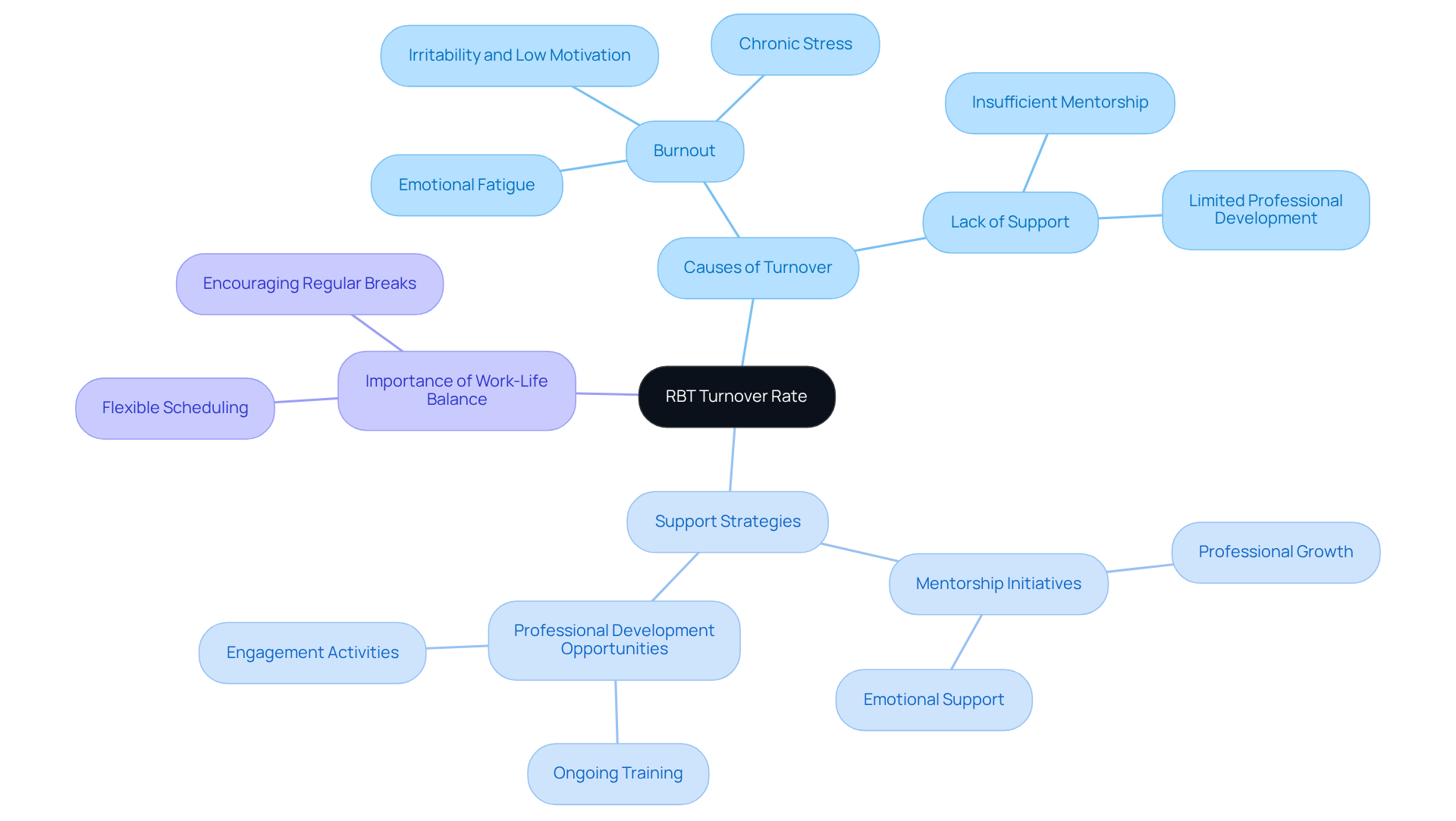
The Registered Behavior Technician (RBT) field is currently grappling with , primarily driven by . Burnout, often characterized as a persistent state of emotional fatigue, can lead to irritability and diminished motivation, ultimately prompting professionals to seek opportunities elsewhere. To combat this pressing issue, candidates should proactively inquire about the organization's when discussing . Effective programs may include:
As highlighted in external sources, prioritizing well-being through small steps can initiate recovery from burnout, making it essential for organizations to implement such strategies.
Moreover, organizations that prioritize can significantly reduce turnover rates. Implementing flexible scheduling and encouraging regular breaks can alleviate burnout, enabling behavior technicians to recharge and sustain their enthusiasm for their work. Burnout is particularly prevalent among neurodivergent individuals and overachievers, underscoring the necessity for tailored support within these demographics. As Melissa Steginus aptly states, "… Whatever the road ahead or the path you’ve taken, self-care is what keeps your motor running and your wheels turning." Complementing this, Curtis Tyrone Jones reminds us, "Just because you take breaks doesn’t mean you’re broken."
Demonstrating an understanding of these challenges not only reflects a candidate's commitment to their role but also signals to potential employers that they value a , which is often evaluated through . By addressing the root causes of burnout, often stemming from dysfunctional work environments, and actively promoting retention strategies, organizations can create a more sustainable workforce in the ABA therapy field.
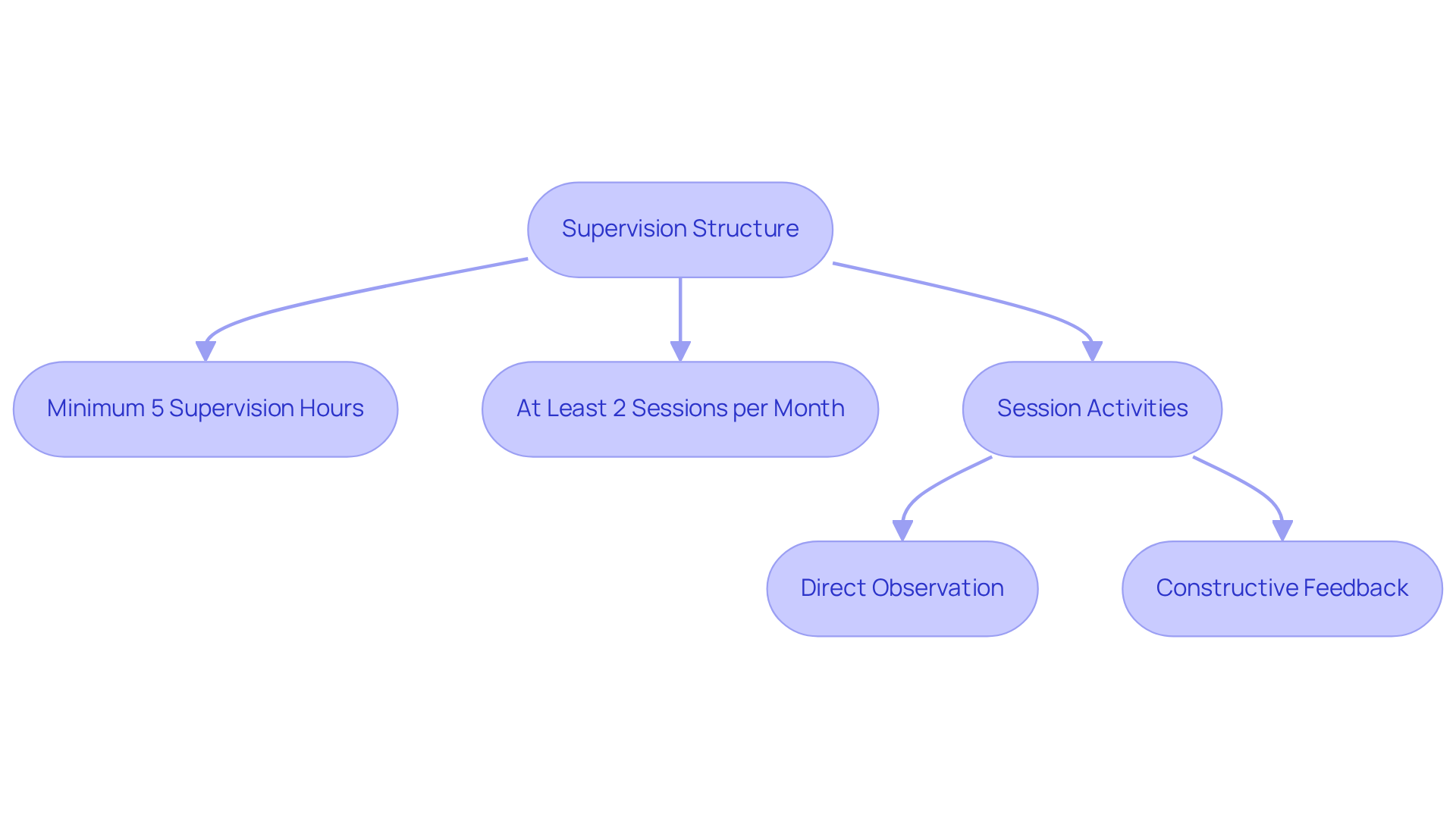
Candidates must thoroughly investigate the , focusing specifically on the frequency of supervision meetings and the types of support provided. It is essential that RBTs receive a , equating to at least two supervision sessions. These sessions should include:
This approach fosters an environment that promotes , ethical guidance, and meticulous documentation. Understanding the is critical for individuals assessing whether the organization meets their developmental needs. but also guarantees , establishing it as a pivotal aspect of .
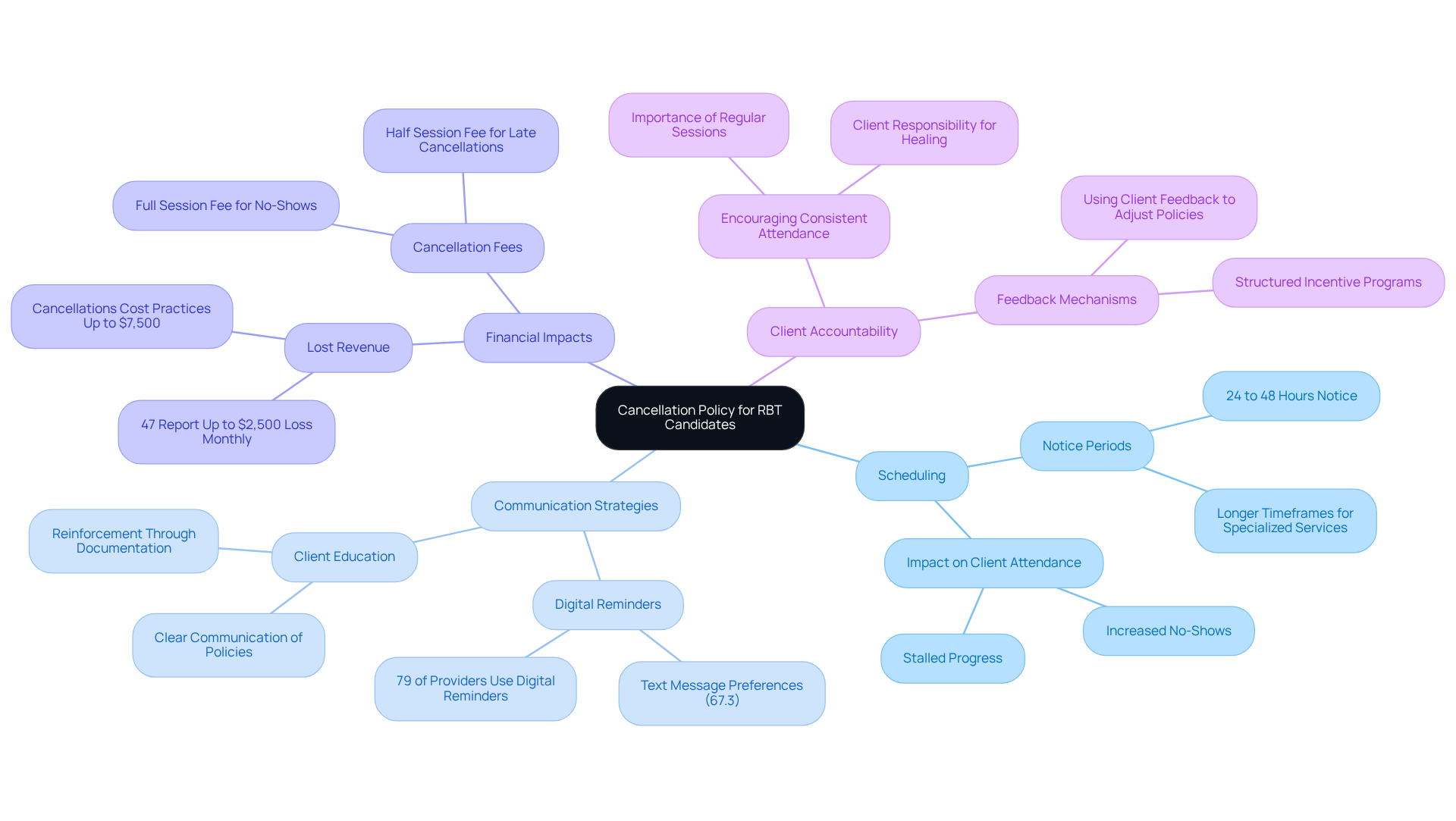
Understanding an organization's is crucial for RBT candidates, as it directly influences their scheduling and financial expectations. Clear policies outline how cancellations are managed, including any penalties for late cancellations or no-shows. For instance, many therapists require 24 to 48 hours' notice for cancellations, with some preferring even longer timeframes for . This timeframe is essential for to plan their schedules effectively and minimize disruptions.
are vital when managing cancellations. During , should ask how cancellations are conveyed to customers and what support systems are established for rescheduling sessions. Did you know that 79% of providers utilize ? This can significantly enhance attendance rates and reduce last-minute cancellations. Additionally, 54% of providers have systems in place to mitigate no-shows, and 40% of patient respondents believe more reminders would help. Establishing a fosters accountability, encouraging clients to prioritize their therapy sessions and understand the importance of consistent attendance.
The impact of cancellation policies extends beyond scheduling; they also influence the . Frequent cancellations can lead to , as many do not receive payment for canceled sessions. In fact, 47% of providers report that patient cancellations can cost practices up to $2,500 in lost revenue each month. Therefore, registered must be aware of how these policies can influence their earnings and job satisfaction. Furthermore, 71% of patients say offering more same-day or next-day appointments would help prevent no-shows, cancellations, and rescheduling, highlighting the need for flexibility in scheduling.
In summary, should focus on the importance of understanding cancellation policies, as they play a critical role in managing schedules, ensuring effective communication, and maintaining within their practice. Clients should also acknowledge the to set clear expectations.
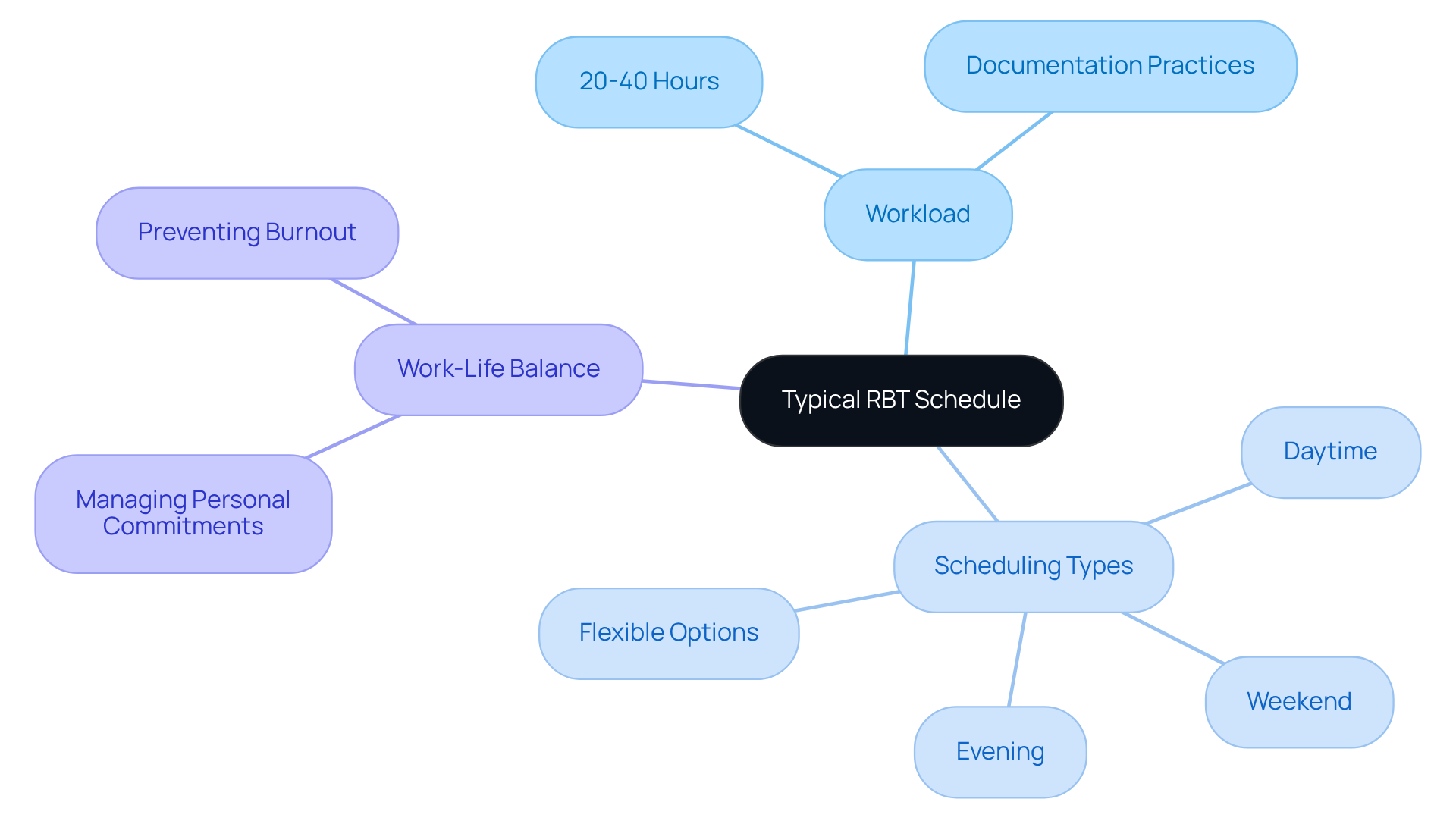
Applicants must proactively inquire about the . It is essential to focus on the number of individuals they work with, , and the time allocated for necessary paperwork. Understanding the is crucial for assessing the ability to maintain a healthy . Statistics indicate that typically work between 20 and 40 hours each week, with schedules varying according to the needs of those they serve, including daytime, evening, and weekend sessions.
Furthermore, discussing during interviews can be advantageous. This allows candidates to accommodate personal commitments while effectively managing their workload. Insights from RBTs underscore that and efficient documentation practices are vital for preventing burnout and ensuring job satisfaction. For example, one RBT emphasized, "Balancing my is essential to avoid feeling overwhelmed."
By prioritizing these discussions, candidates can better align their professional responsibilities with their personal lives, paving the way for a fulfilling career in .
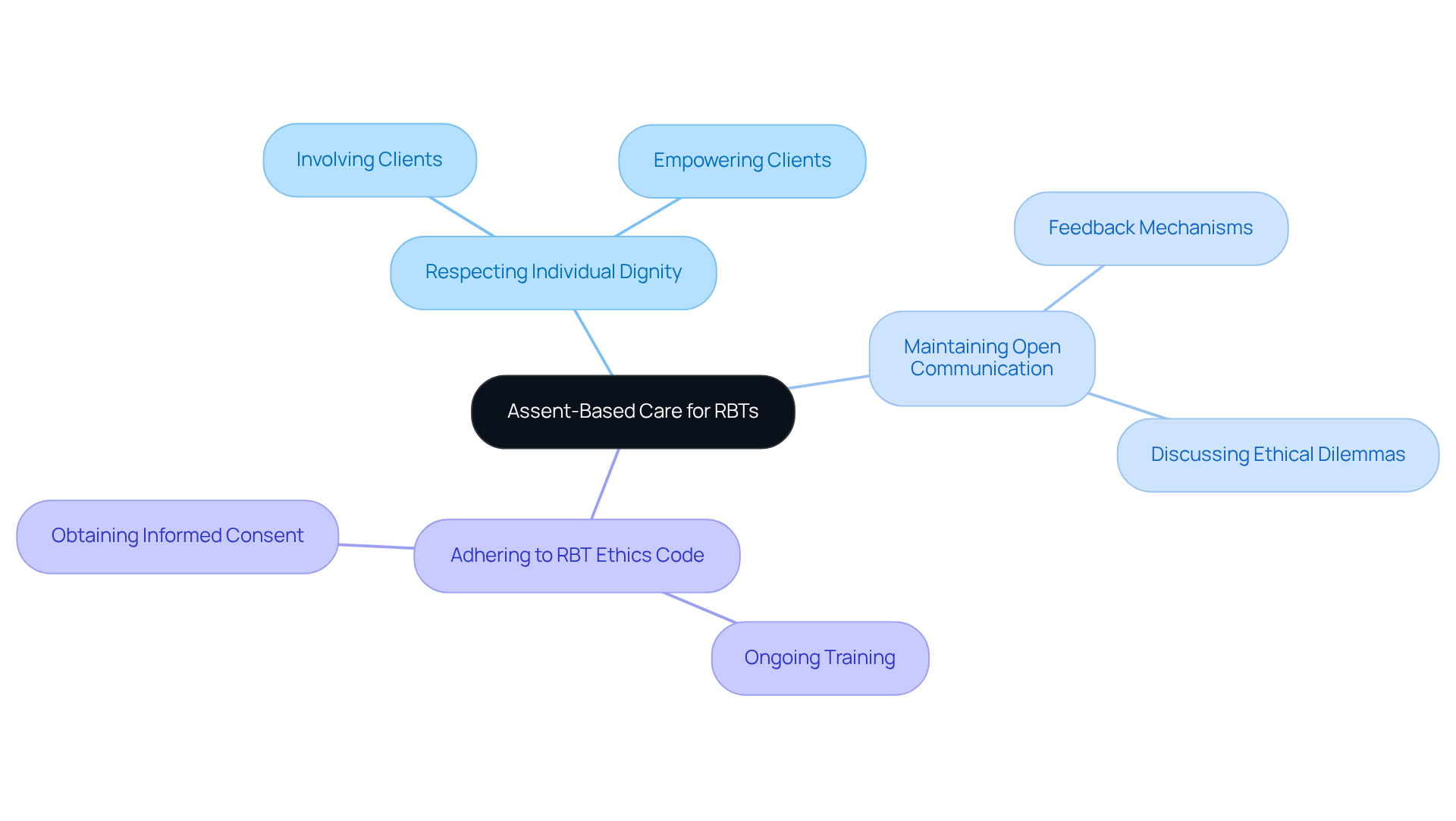
Understanding the is essential for . This method includes securing consent from customers prior to executing interventions, which is crucial for . encompass:
Behavior technicians must actively involve individuals in the treatment process, allowing them to express their preferences and concerns. This approach not only enhances the therapeutic relationship but also empowers clients to take an active role in their care.
Moreover, are critical to ensure compliance with ethical standards and effective management of the challenges they face in their roles. During RBT interview questions, candidates should be ready to discuss how their organization fosters ethical practices and supports professionals in maintaining compliance with industry standards. Highlighting specific examples, such as regular training on ethical conduct and the importance of obtaining informed consent, can demonstrate a commitment to . It is also essential to note that consent is required for individuals under the age of 18 or conserved adults, underscoring the .
Authorities in the field emphasize that maintaining ethical standards is crucial for practitioners, as it directly influences service user outcomes and the integrity of the ABA profession. As one expert noted, 'At the core of RBT ethics is the dedication to the individual's well-being.' By prioritizing ethical practices, practitioners can ensure they provide safe, respectful, and effective interventions that align with the best interests of those they serve.
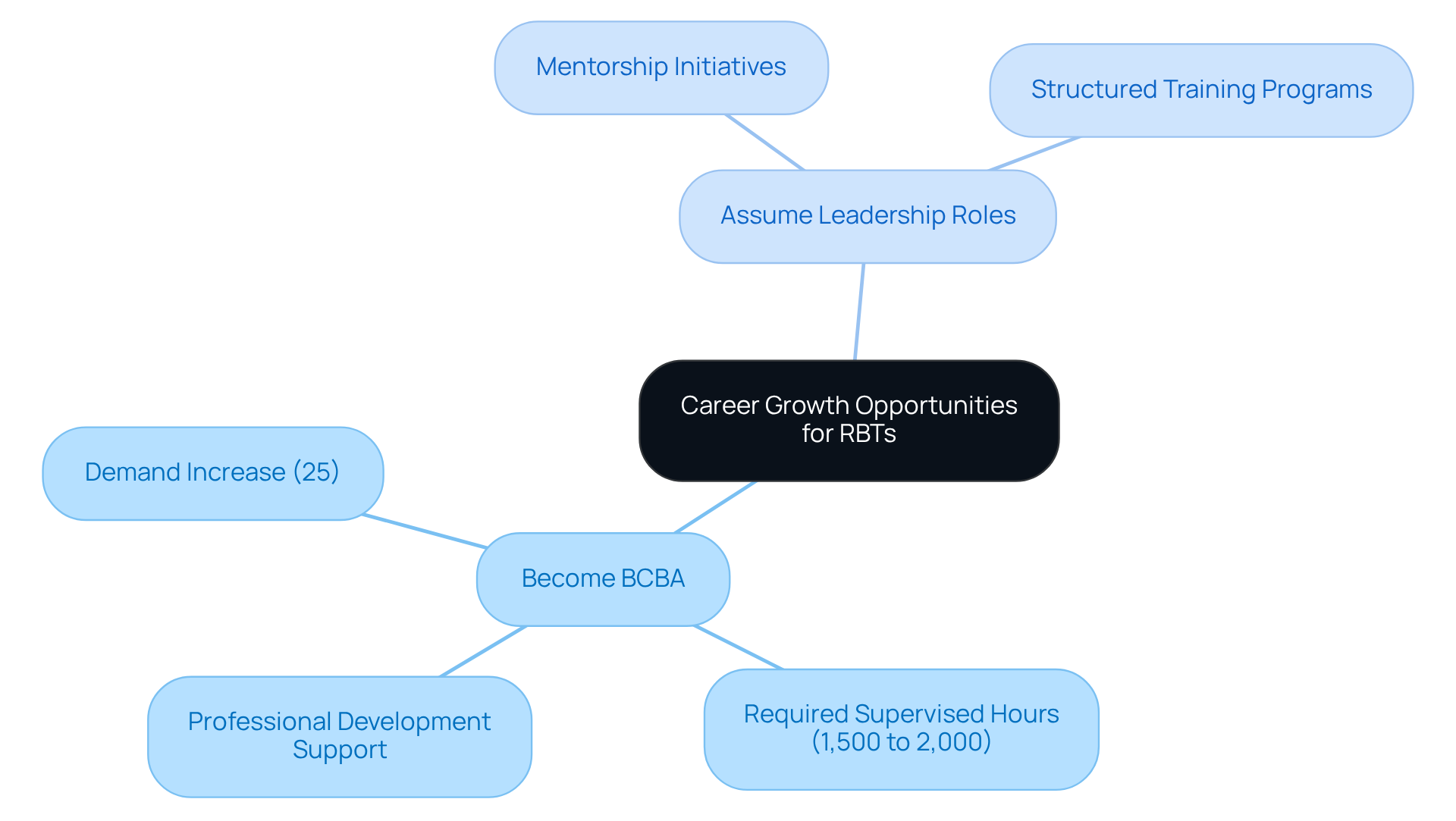
Candidates should actively explore within the organization, particularly pathways to becoming a or assuming leadership roles. Did you know that the demand for BCBAs is projected to increase by 25% over the next five years? Understanding the , such as , is crucial for assessing whether the organization aligns with their career aspirations. Aspiring behavior technicians must complete 1,500 to 2,000 hours of , which is essential for enhancing their .
Demonstrating a during RBT interview questions not only showcases ambition but also leaves a favorable impression on potential employers. Engaging in conversations about , which is essential for long-term career satisfaction and success in the booming market.
Are you ready to take the next step in your career? Explore how the right support can propel you toward your professional goals.
Candidates must prioritize inquiries regarding client , particularly focusing on how drive time is compensated and the specific policies governing travel between clients. This understanding is crucial for to effectively manage their schedules and establish realistic . Additionally, applicants should seek clarification on any assistance available for , as these elements significantly influence and job satisfaction. Feedback from underscores that effective policies can enhance their work experience, making it imperative for candidates to .

Understanding the utilized by an organization is essential for RBTs, as these systems are pivotal in and informing . Candidates must inquire about how information is recorded, analyzed, and applied within the organization. Familiarity with effective can significantly enhance an RBT's ability to track and adjust interventions as necessary.
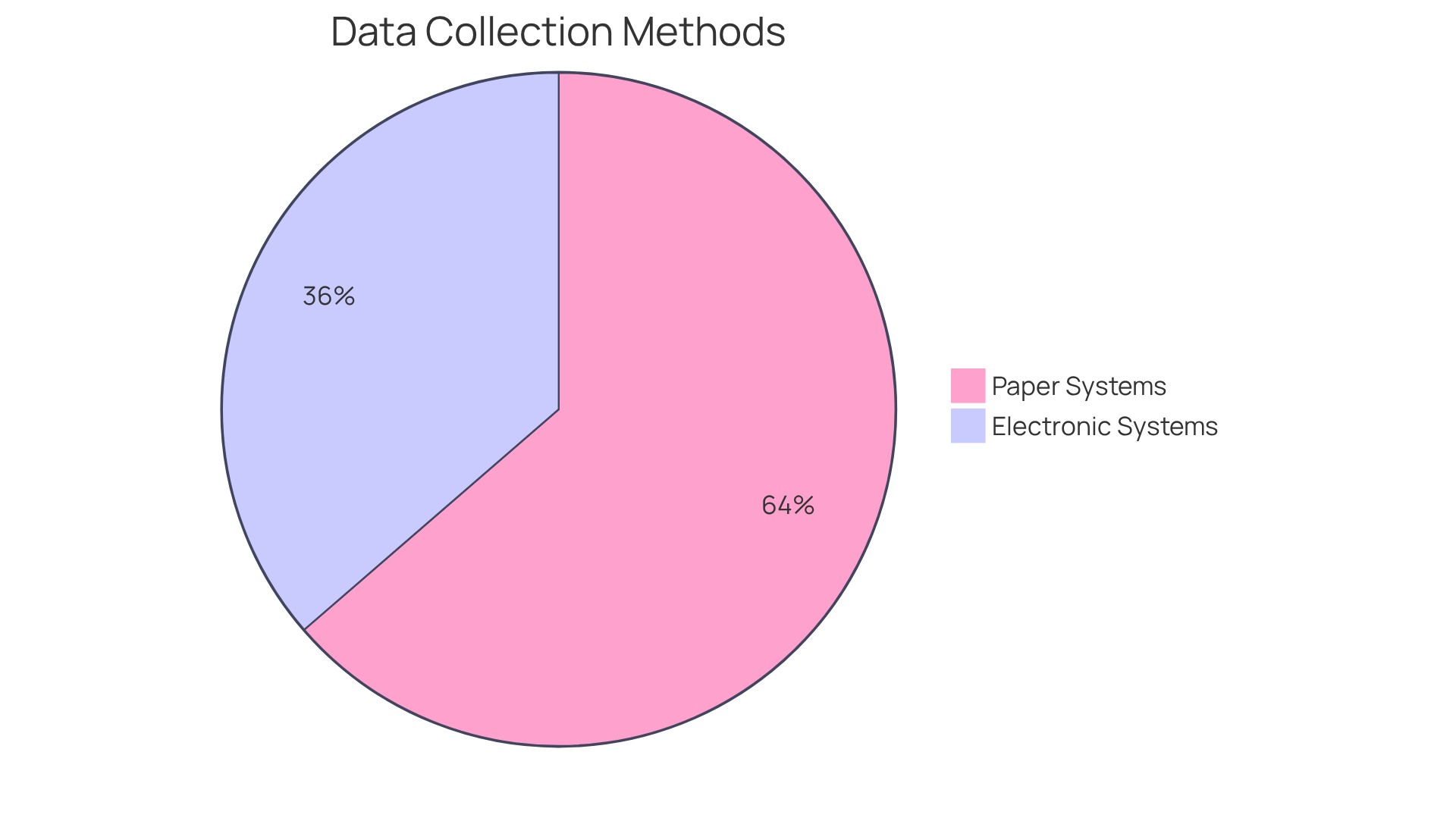
in include both electronic and paper-based systems, with 45% of participants using electronic solutions and 79% relying on paper systems. These tools not only streamline information collection but also reduce manual errors, ensuring that the data is accurate and reliable. Regular training and calibration sessions for RBTs are crucial for maintaining consistency in data collection methods, which is vital for deriving meaningful insights. Notably, 63% of refresher trainings are conducted as required, indicating a potential inconsistency that could affect data integrity.
The impact of effective information gathering on client management cannot be overstated. Objective data informs clinical decision-making, allowing behavior technicians to adjust interventions based on the success of strategies. For instance, by analyzing data collected before and after the implementation of interventions, behavior technicians can evaluate the effectiveness of specific strategies, ultimately leading to improved .
Insights from industry experts underscore the importance of . As one expert remarked, "Effective information gathering is not merely a procedural task for RBTs; it is a fundamental aspect of high-quality ." Tools that facilitate , such as those offered by Raven Health and CentralReach, enhance operational efficiency and ensure compliance with data security standards. Moreover, adhering to ethical standards and confidentiality requirements is crucial when handling information, protecting the privacy and dignity of the individuals served.
In conclusion, RBT interview questions should ensure that RBTs are well-acquainted with the employed by their organizations, as these tools are integral to effective client management and the overall success of .
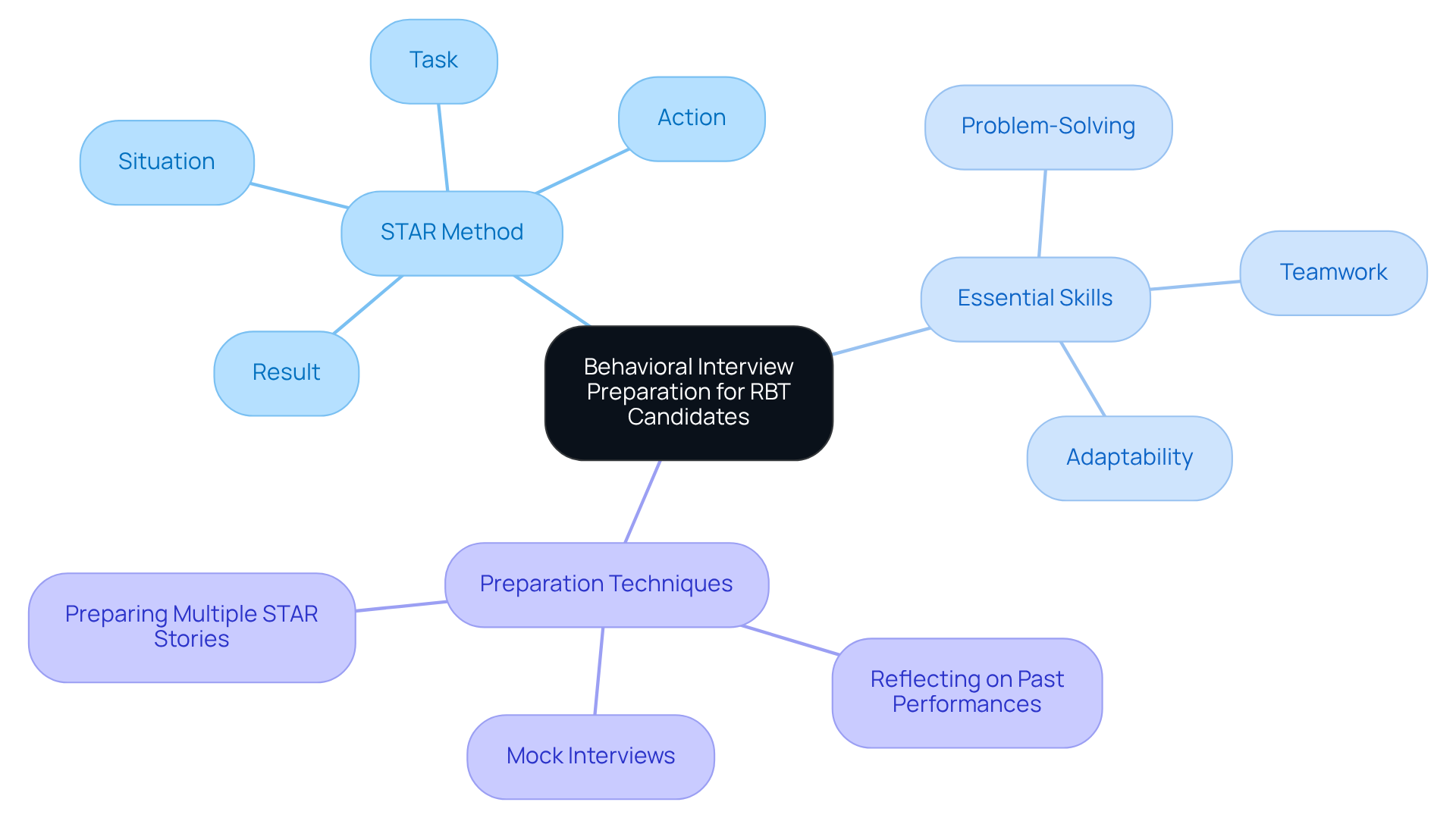
To excel in , applicants must articulate their , teamwork, and adaptability through well-. The —comprising Situation, Task, Action, and Result—serves as an effective framework for organizing answers to .
By preparing specific examples that highlight their competencies, applicants can demonstrate their alignment with the organization's values and effectively answer . This method not only clarifies responses but also , significantly impacting interview success.
Mastering the can transform nervousness into a , enabling individuals to showcase their experiences compellingly. Candidates should avoid scripting their responses to maintain authenticity during interviews.
Engaging in and reflecting on past performances can further refine their skills, ensuring they are . Additionally, preparing multiple STAR stories allows candidates to adapt their responses to various questions, thereby increasing their chances of success.
The journey to becoming a Registered Behavior Technician (RBT) is multifaceted, requiring candidates to prepare diligently for interviews by understanding critical aspects of the role. Emphasizing the importance of:
candidates can position themselves as strong contenders in a competitive job market. Mastery of RBT interview questions not only reflects knowledge but also a commitment to ongoing professional development and ethical care.
Throughout this article, key insights were provided on various topics, including the significance of a robust RBT training process, the necessity of effective supervision, and the impact of organizational policies on job satisfaction. Candidates are encouraged to engage in discussions about:
each of which plays a vital role in shaping their professional experience and the quality of care provided to clients. Furthermore, exploring career advancement opportunities can enhance long-term job satisfaction and professional fulfillment.
Ultimately, aspiring RBTs should approach their interviews with confidence, armed with knowledge and a proactive mindset. By prioritizing preparation and understanding the nuances of the RBT role, candidates can not only secure positions but also contribute meaningfully to the field of Applied Behavior Analysis. The demand for qualified professionals continues to grow, making now the perfect time to embark on this rewarding career path.
What does the RBT training process entail?
The RBT training process includes a combination of coursework, supervised fieldwork, and a competency assessment. Candidates must complete a 40-hour training course and pass a competency assessment conducted by a BCBA.
Why is it important to understand the RBT training guidelines?
Familiarizing oneself with the RBT training guidelines helps applicants effectively articulate their training experiences during RBT interview questions, enhancing their chances of success.
What is the first-time pass rate for successful RBT training programs?
Successful RBT training programs, such as those offered by the University of Kansas, have a first-time pass rate of approximately 95%.
How can specialized training or certifications impact job prospects for RBT candidates?
Candidates who demonstrate specialized training or certifications can stand out in a competitive job market, especially given the rising demand for qualified professionals in the field.
What are the main factors contributing to high turnover rates among RBTs?
High turnover rates among RBTs are primarily driven by burnout and insufficient support within organizations.
What strategies can organizations implement to reduce RBT turnover?
Organizations can reduce turnover by implementing mentorship initiatives, providing opportunities for ongoing professional development, prioritizing work-life balance, and encouraging regular breaks.
How often should RBTs receive supervision?
RBTs should receive a minimum of 5% of their service hours supervised each month, which equates to at least two supervision sessions.
What should supervision sessions for RBTs include?
Supervision sessions should include direct observation of the RBT with a participant at least once a month and constructive feedback to promote professional growth.
Why is effective supervision important for RBTs?
Effective supervision enhances RBT performance, provides ethical guidance, and ensures high-quality client care, making it a crucial aspect of ABA therapy.
Our expert recruitment strategies and AI-driven sourcing ensure that you receive top-notch candidates quickly, without compromising on quality. Whether you’re looking for BCBAs, Clinical Directors, or RBTs, we’ve got you covered.


