


Thank you! Your submission has been received!
Oops! Something went wrong while submitting the form.
September 25, 2025

Understanding the intricacies of inter-response time (IRT) is essential for practitioners in the field of Applied Behavior Analysis (ABA). IRT serves as a key indicator of learning dynamics and behavioral patterns. By delving into the various applications of IRT, behavior analysts can uncover valuable insights that enhance skill acquisition, behavior modification, and overall therapeutic effectiveness.
However, how can practitioners effectively implement these techniques to maximize outcomes for their clients? This article explores ten compelling examples of IRT in practice, offering strategies and insights that can transform the way behavior analysts approach their interventions.
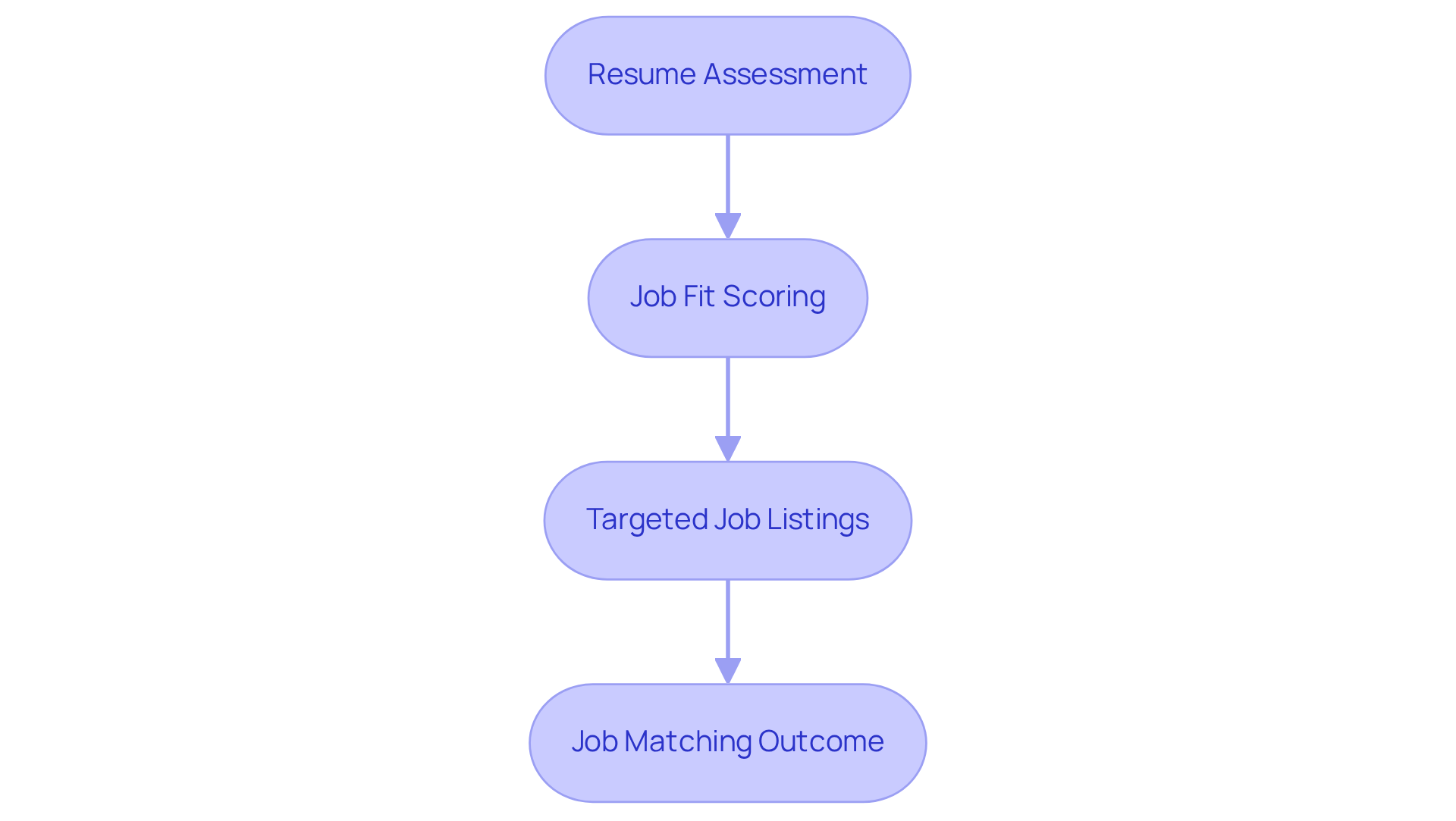
In today's competitive landscape, the demand for continues to soar, highlighting the need for . Hire ABA is a tailored specifically for BCBAs, addressing the unique demands of the ABA field through . By streamlining the , it enables qualified professionals to efficiently find positions that align with their skills and career aspirations.
Our dedicated team meticulously assesses each resume, employing advanced job fit scoring to identify opportunities that resonate with candidates' skills, preferences, and desired locations. With a user-friendly interface and , the platform significantly enhances the experience for both job seekers and employers. Have you faced challenges in your hiring process? Consider .
This tailored approach not only improves but also fosters the broader growth of the ABA profession. Join us in shaping the future of ABA recruitment—experience the difference with Hire ABA today.
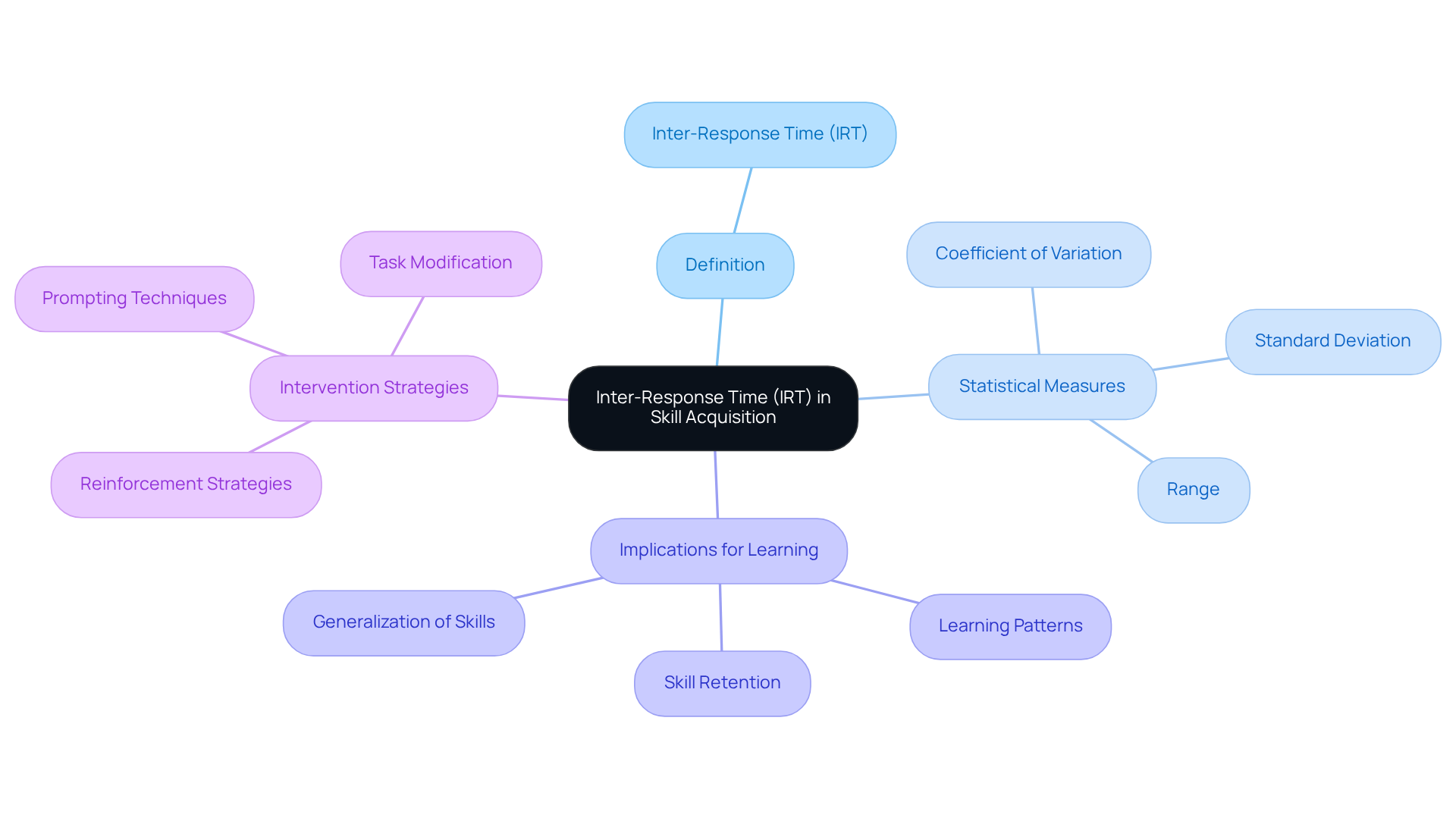
Assessing the in is crucial for understanding the dynamics of learning. IRT, or , refers to the interval between consecutive occurrences of an action, as illustrated by the of the time it takes for a child to lift their hand in class from one moment to the next.
enables practitioners to identify learning patterns and adjust interventions accordingly, ensuring efficient skill acquisition. Statistical measures such as:
can be utilized to analyze IRT variability, offering deeper insights into the consistency and dispersion of response times. For instance, lower variability in IRT during maintenance phases suggests that a child has retained learned skills, while consistent and shorter IRTs may indicate improved fluency and automaticity in responses.
Furthermore, allows analysts to evaluate the generalization of skills across various contexts, thereby enhancing the overall effectiveness of the therapy. Ongoing assessment and monitoring are vital for optimizing IRT, empowering practitioners to based on gathered data.
By implementing reinforcement strategies and prompting techniques, practitioners can enhance IRT, facilitating quicker learning and mastery of skills, particularly in children with autism and developmental disorders. This approach not only fosters skill development but also supports the maintenance of preferred actions over time, considering the that may influence IRT.
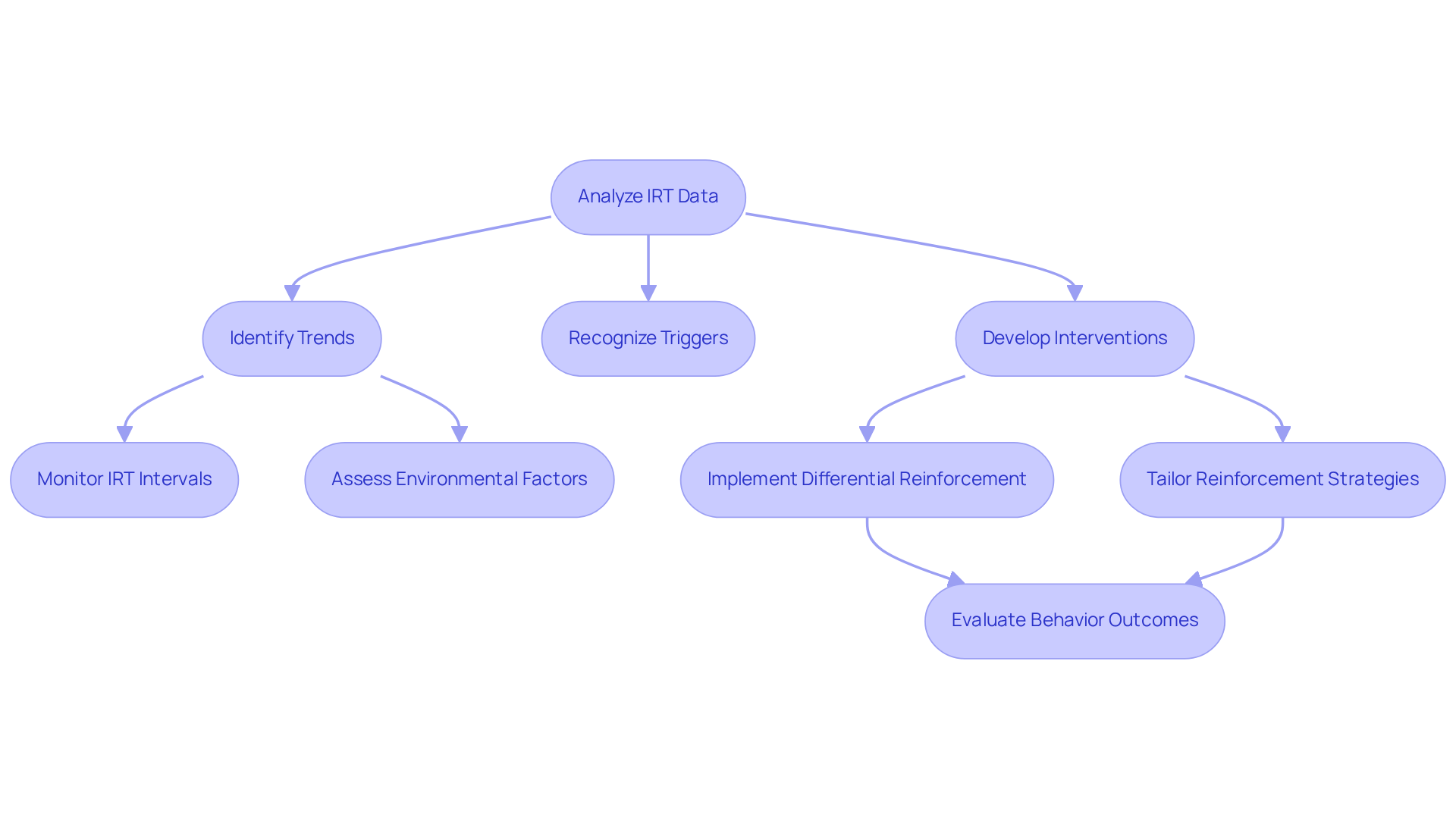
Inter-response time (IRT) is a crucial metric in reducing challenging actions, as shown in the , enabling practitioners to of such conduct. By identifying trends and triggers through the analysis, analysts can develop .
For instance, if a child exhibits aggressive actions at consistent intervals, comprehending the IRT can guide strategies designed to extend the duration between these occurrences. Brief IRTs may indicate attention-seeking conduct, while extended IRTs might suggest avoidance of a challenging task.
Methods such as can effectively extend IRT, thereby reducing the occurrence of unwanted activities. Additionally, employing tailored to the individual’s needs can optimize IRT, leading to .
Studies demonstrate that can decrease reaction duration and enhance efficiency in ABA interventions. Environmental factors, such as distractions, can also affect the time between responses, underscoring the need for a comprehensive approach.
Moreover, IRT data is an essential component of a thorough , elucidating the connection between actions, their antecedents, and consequences. Successful applications of the in have shown significant improvements in engagement and compliance, highlighting the importance of this metric in shaping effective behavior modification strategies.
As Isaac Siegfried noted, "When communication breaks down in , progress can stall. But when it flows freely between families, therapists, and everyone else in a child's world, real growth happens.
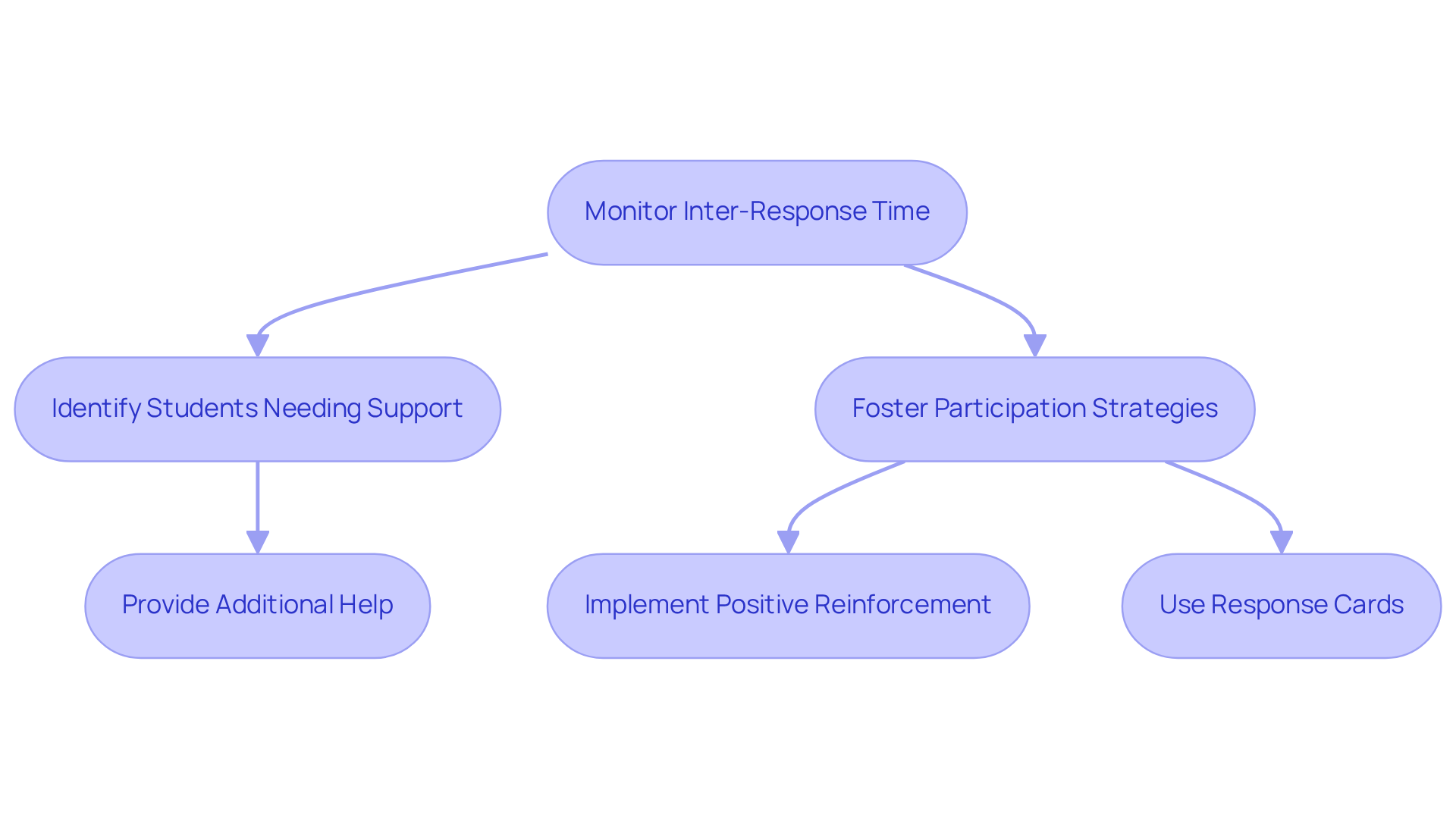
In classroom settings, the utilization of stands as a pivotal factor in . Assessing the between a student's hand raise to ask a question and their subsequent hand raise provides valuable insights for educators. This monitoring empowers teachers to identify students who may need additional support or encouragement to engage more actively.
As highlighted by Vanderbilt University, this practice not only increases but also elevates the quality of contributions to classroom discussions. Implementing strategies such as positive reinforcement for quicker responses fosters a more dynamic and engaging learning atmosphere.
Research indicates that shorter s correlate with and comprehension, ultimately leading to improved . Conversely, longer IRTs may signal confusion or difficulty, indicating a need for further assistance.
By cultivating an environment that encourages participation, including the use of , educators can significantly enhance the overall learning experience.
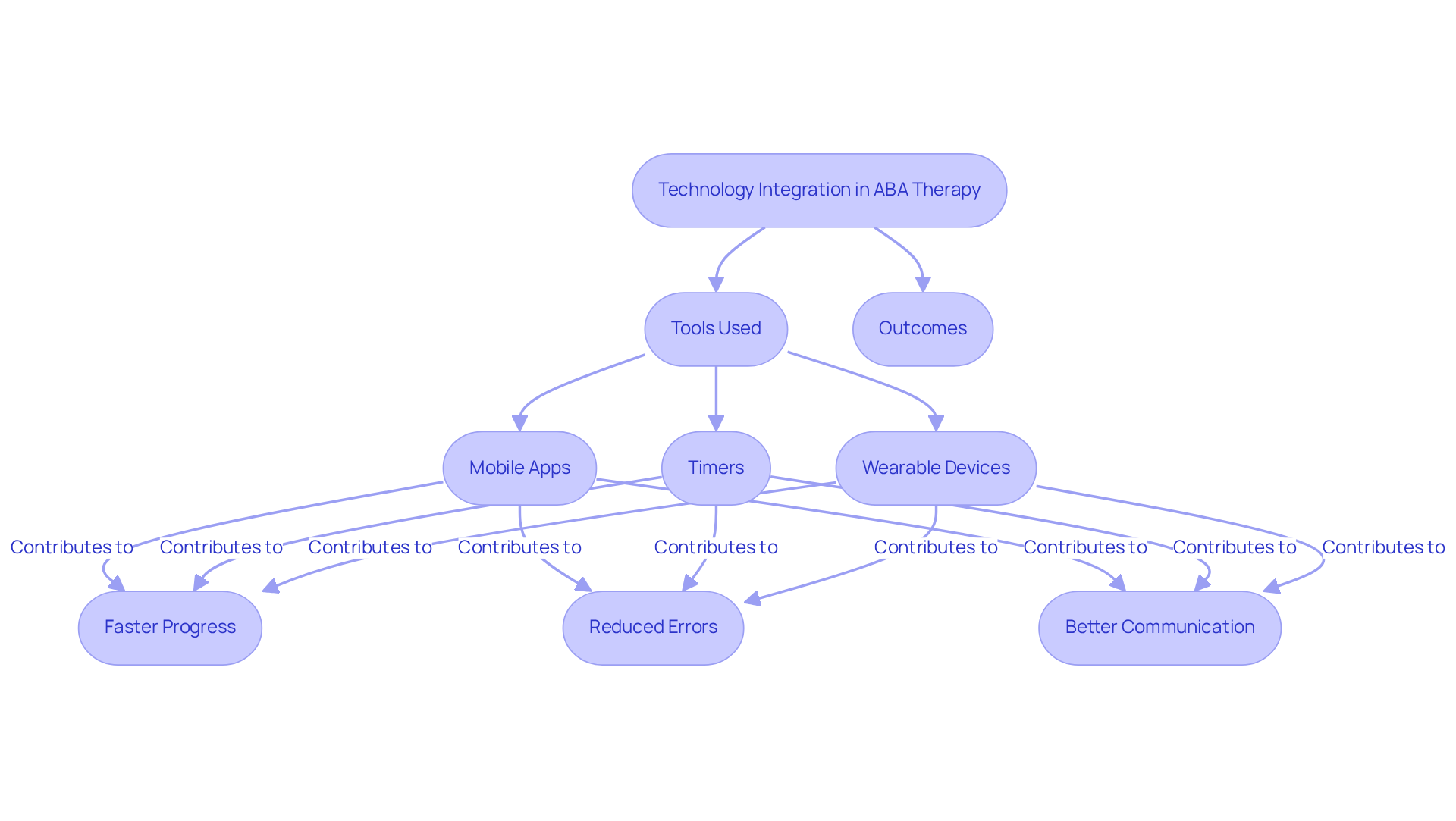
Incorporating technology into the assessment of serves as an that significantly enhances both precision and effectiveness in . Tools such as , timers, and wearable devices streamline IRT tracking. This allows practitioners to focus more on direct interventions rather than merely gathering information. An is , providing real-time data that enables immediate adjustments to interventions based on observed .
Organizations that implement report measurable improvements across various operational metrics. Studies indicate that consistent digital methods can result in 35% faster progress toward behavioral objectives compared to traditional approaches. Furthermore, during therapy sessions, thereby enhancing intervention effectiveness. The introduction of intuitive interfaces in these applications has been shown to reduce input errors by 35%, underscoring the importance of .
While the latest tools for simplify the data collection process, it is essential to acknowledge the challenges posed by variability from extraneous factors. Nevertheless, these tools promote better communication between practitioners and families, nurturing a collaborative environment that supports effective therapy. As the field of ABA continues to evolve, embracing these technological advancements is crucial for optimizing practice and achieving meaningful outcomes.
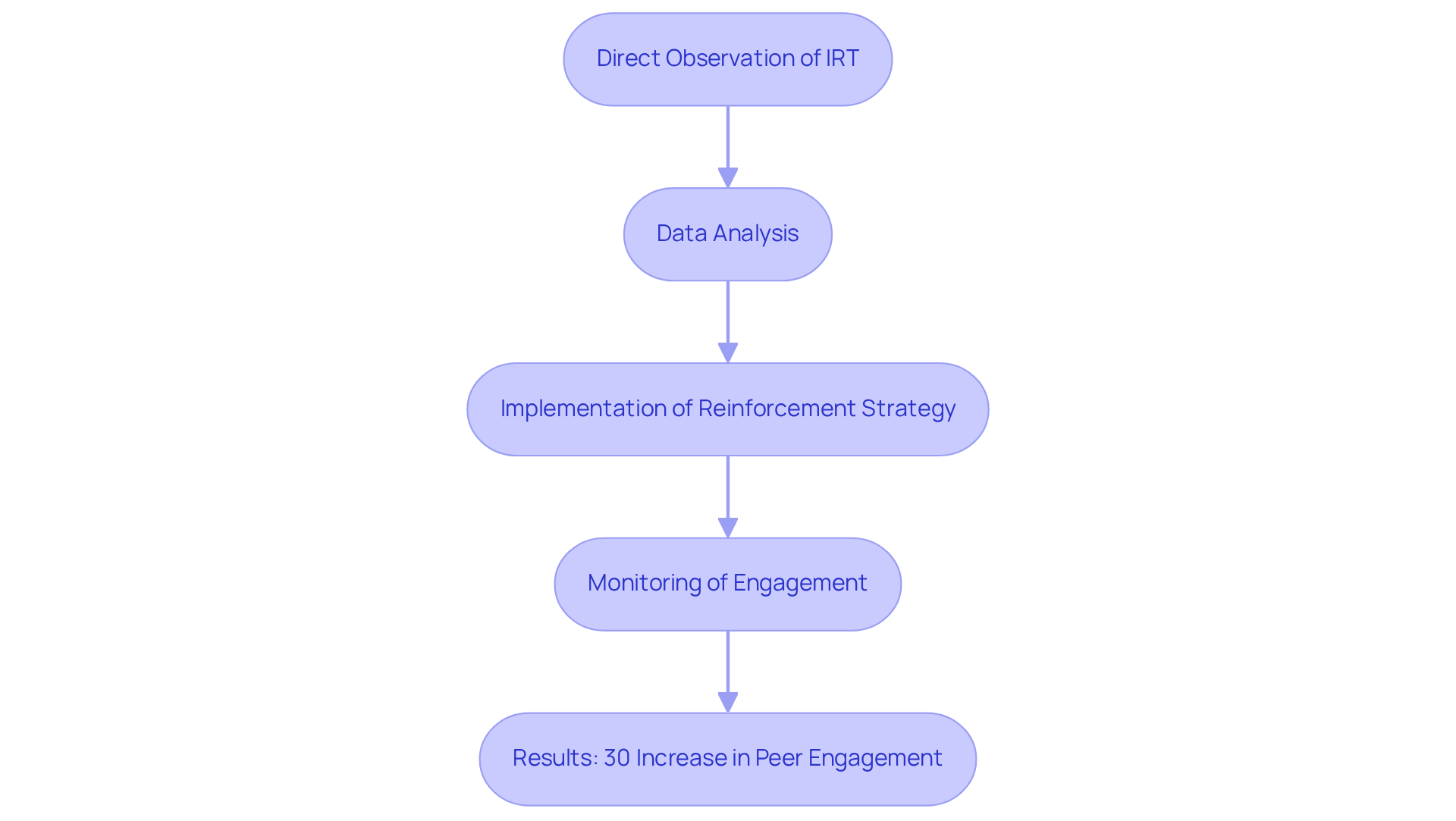
A compelling case study involving a child with autism illustrates the effective application of in promoting . During group activities, therapists utilized direct observation and specialized software to meticulously document the IRT between the child's initiations of interactions with peers.
Analyzing this data revealed that the child needed prompts to engage more frequently. By implementing a that rewarded shorter IRTs, therapists noted a significant improvement in the child's social interactions, culminating in a 30% increase in peer engagement compared to baseline data.
This case underscores the critical importance of to tailor interventions that foster , ultimately contributing to the child's overall development. Furthermore, understanding antecedent variables, such as the presence of peers and task complexity, was essential in shaping the child's engagement. This highlights the necessity for a application.
Are you considering how such strategies can enhance your practice? The insights gained from this case study could be pivotal in refining your interventions.
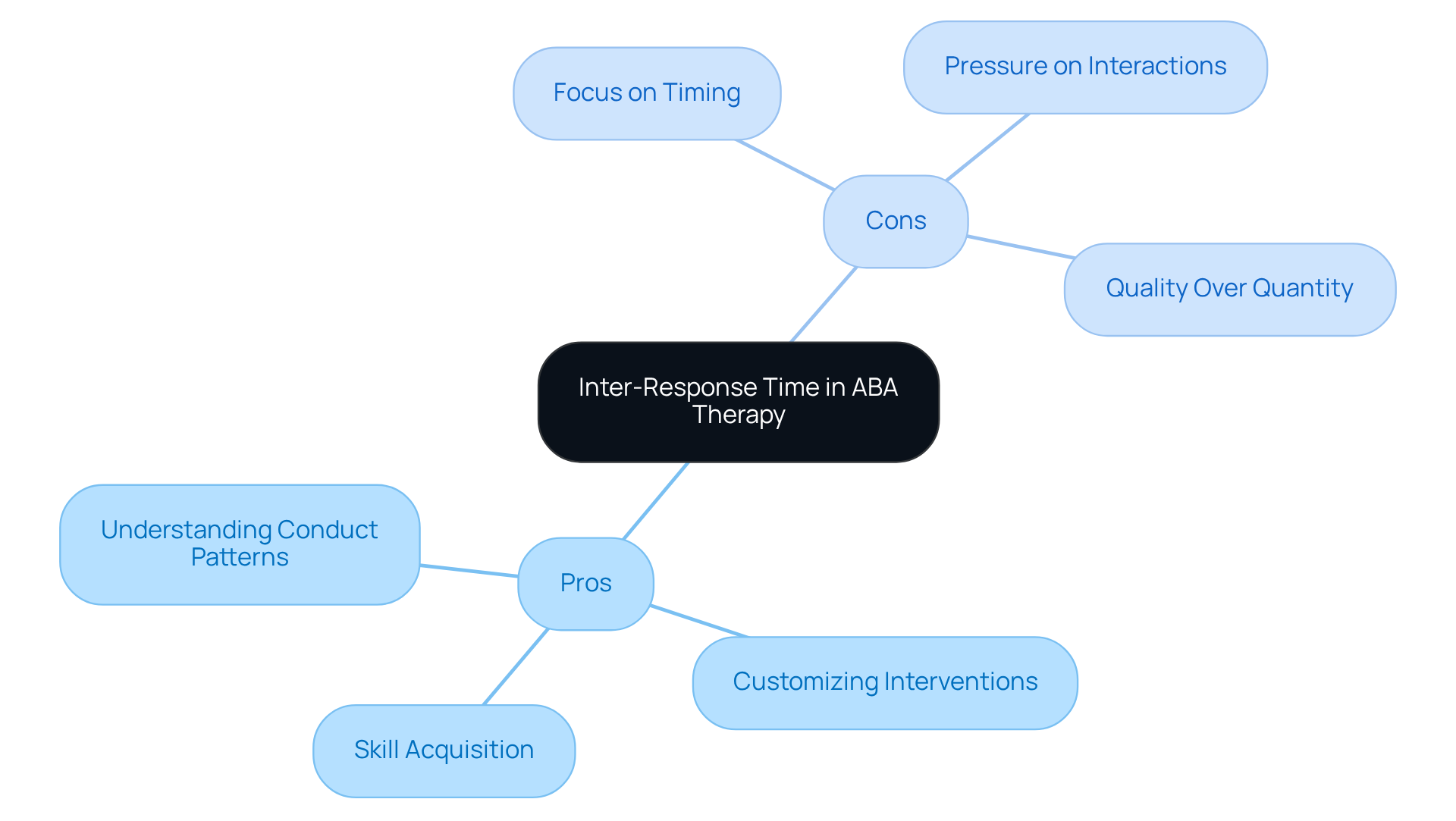
The evaluation of (IRT) aba example in therapy reveals a complex interplay of benefits and challenges. On the positive side, the serves as an , enabling practitioners to that align with individual needs. For instance, shorter IRTs often indicate greater familiarity with tasks, suggesting effective skill acquisition. in enhancing IRT by customizing interventions to target the root causes of actions.
However, an overemphasis on IRT can lead to a focus on timing at the expense of the . If practitioners prioritize IRT without considering the context of client responses, it may inadvertently create pressure, hindering natural behavior and engagement. Statistics show that clinicians are increasingly dependent on information to guide their practices, making for optimizing IRT.
Yet, it is crucial to maintain a that values both timing and the quality of therapeutic interactions. Additionally, understanding the can further enhance intervention strategies. Striking this balance is crucial for and ensuring positive outcomes for clients.
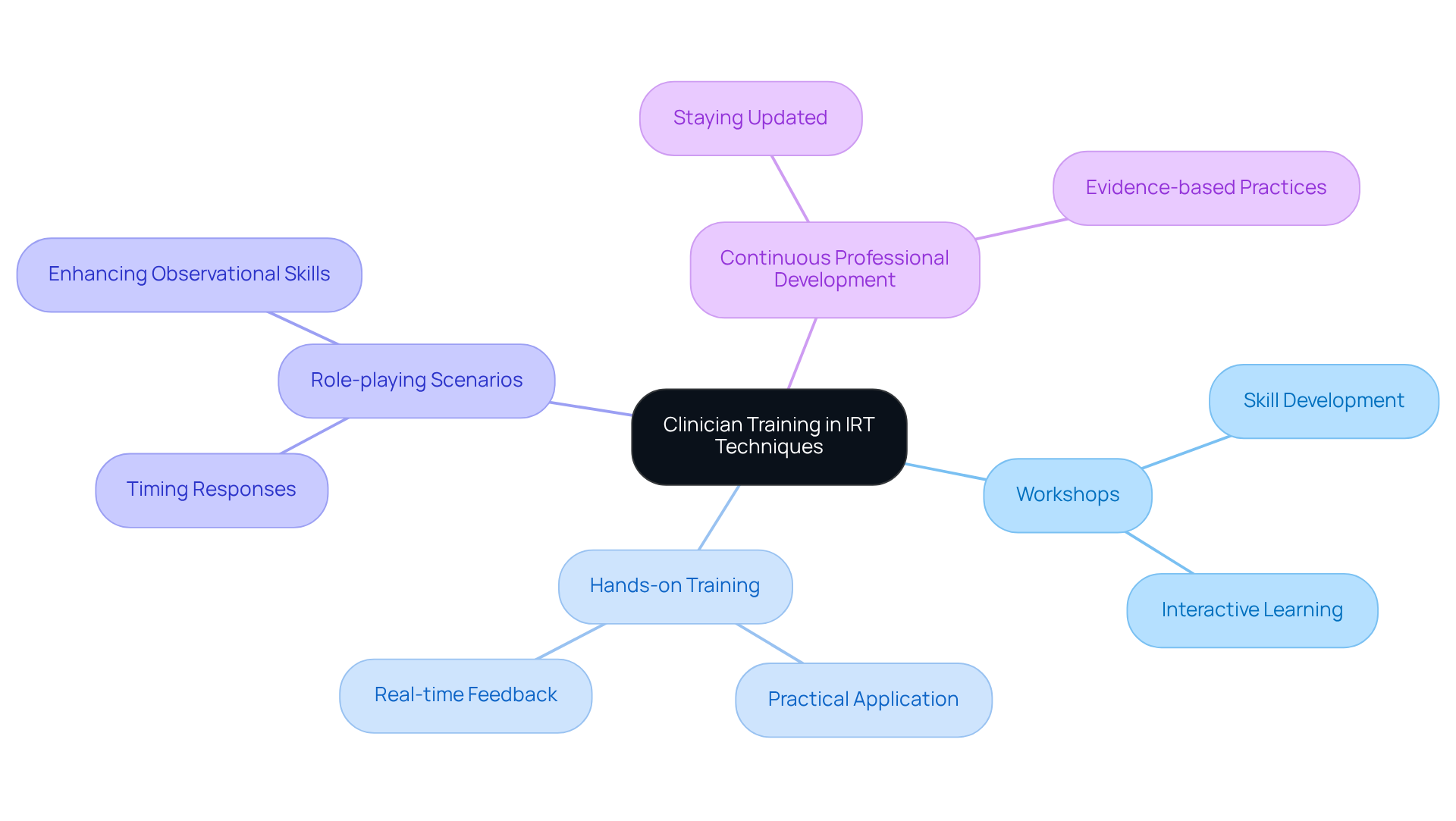
Training clinicians in is essential for the successful implementation of the . Engaging workshops and hands-on training sessions provide practitioners with the necessary skills to accurately measure and analyze using the .
Have you considered how these could ? For example, an of role-playing scenarios allows clinicians to practice timing responses in real-time, significantly enhancing their observational skills.
in this area is crucial. It ensures that clinicians remain proficient in utilizing IRT to inform their interventions and improve client outcomes.
Are you ready to elevate your with ?
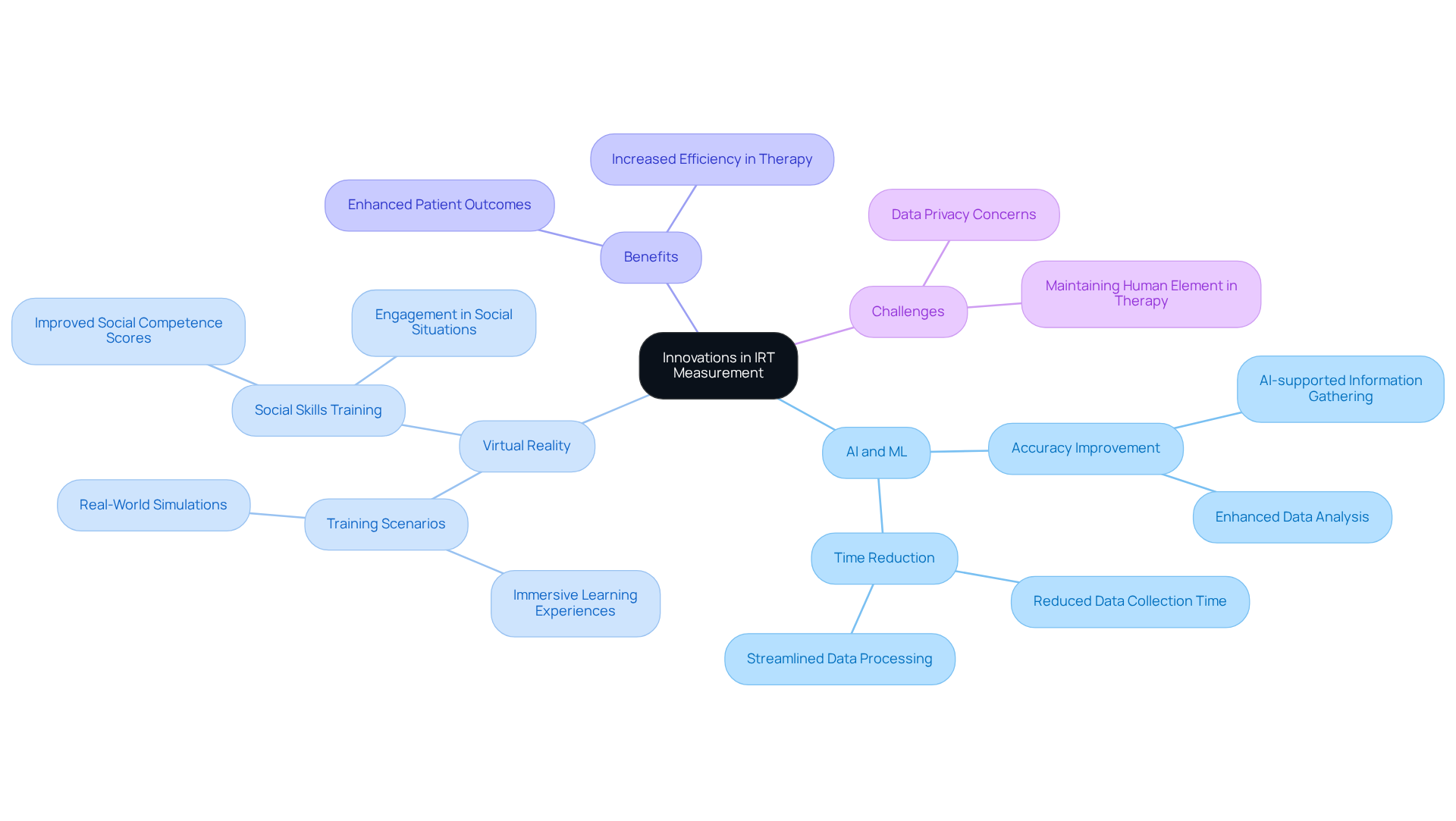
Upcoming trends in , such as the IRT ABA example, are poised to be significantly influenced by . The integration of (AI) and machine learning (ML) is revolutionizing the precision of IRT tracking, facilitating a more detailed analysis of behavior patterns. Remarkably, studies indicate that can enhance accuracy by as much as 85% compared to traditional manual techniques, while simultaneously reducing collection time by approximately 60%.
Furthermore, the incorporation of in training scenarios provides clinicians with immersive experiences to practice across diverse contexts. Research reveals that VR-based social skills training can elevate social competence scores by an average of 23% compared to conventional methods.
However, it is crucial to remain cognizant of the in , such as safeguarding data privacy and preserving the essential human element in therapy, as illustrated by the IRT ABA example. Staying informed about these innovations and challenges is vital for practitioners aiming to and enhance patient outcomes in ABA therapy.
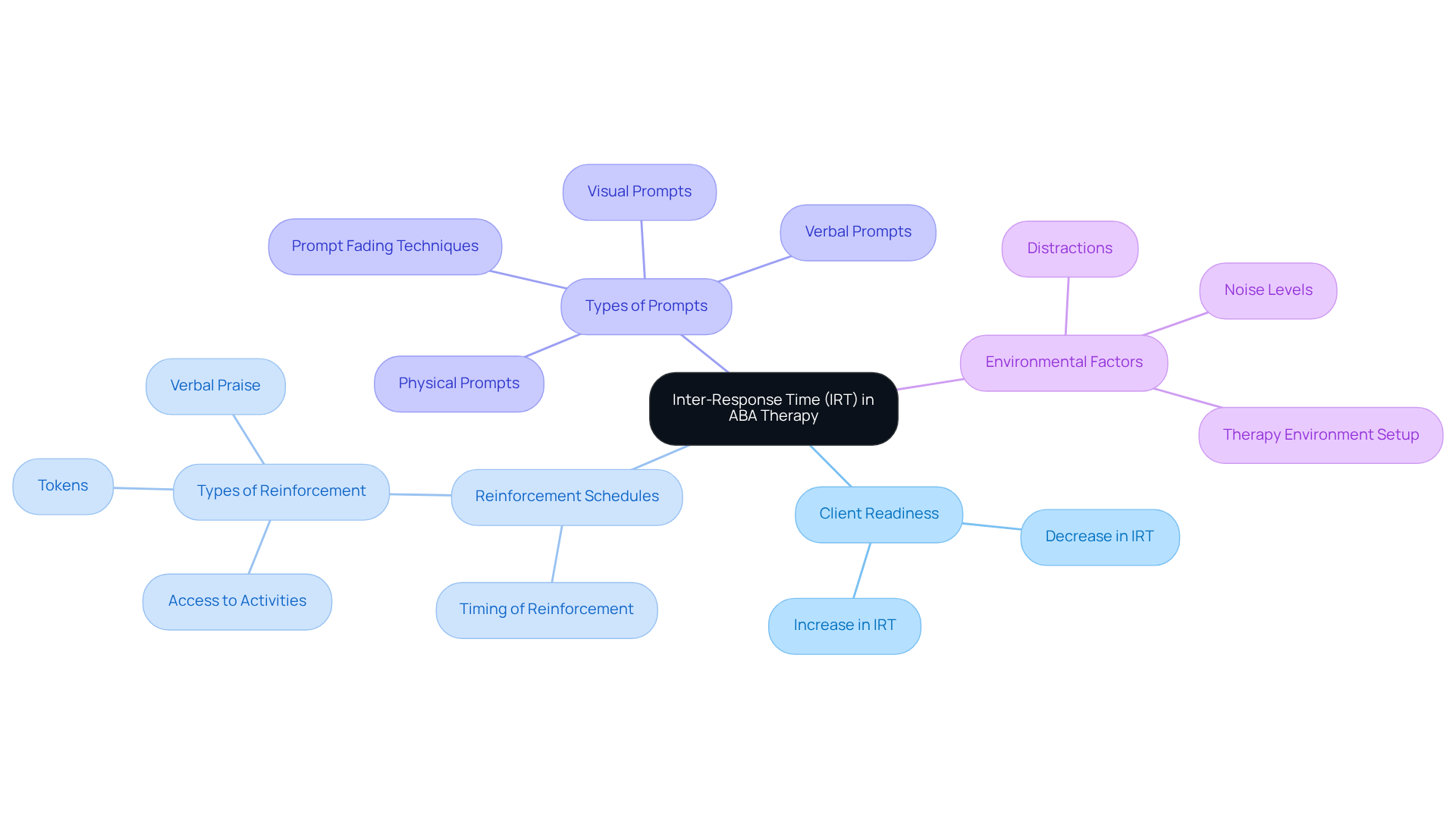
(IRT) serves as a crucial metric in shaping interventions within the . By meticulously analyzing the , practitioners can discern , determining when a client is prepared for more challenging tasks or requires additional support.
For instance, a consistent decrease in IRT during a specific skill suggests that the client is ready to tackle more complex tasks, while an increase may indicate the necessity for intervention adjustments. Additionally, , as they dictate when and how often reinforcement is provided, thereby affecting the rate of responding.
This nuanced understanding of the allows for a responsive and , enhancing the effectiveness of interventions. Moreover, various types of prompts—such as verbal, visual, or physical—can be employed based on individual needs, promoting independence and reducing reliance on external cues.
aids analysts in evaluating the generalization of skills, ensuring that clients can apply acquired actions consistently. Environmental variables, including noise levels and distractions, can also impact IRT, making it essential to create conducive therapy environments.
By leveraging IRT data, practitioners can develop that align with each client's unique needs, ultimately fostering more effective .
Inter-response time (IRT) is a pivotal element in Applied Behavior Analysis (ABA), providing critical insights for skill acquisition and behavior modification. Effectively measuring IRT allows practitioners to tailor interventions that align with individual needs, ultimately enhancing the learning and development of clients, particularly those with autism and developmental disorders. This article highlights the multifaceted applications of IRT, illustrating its significance in various contexts, from classroom settings to the integration of technology in behavioral therapy.
Key insights discussed include:
The article emphasizes the benefits of utilizing technology for precise IRT tracking, as well as the potential future trends that may revolutionize how behavior analysts approach therapy.
Ultimately, understanding and applying inter-response time can transform the effectiveness of ABA interventions. Practitioners are encouraged to embrace these techniques and insights to foster a more responsive and individualized approach to therapy. By investing in training and utilizing innovative tools, behavior analysts can significantly enhance their practice, leading to improved outcomes for clients and a more profound impact on their development.
What is Hire ABA and what does it offer?
Hire ABA is a recruitment platform specifically designed for Board Certified Behavior Analysts (BCBAs). It provides specialized recruitment solutions by offering personalized resume assessments and streamlining the job matching process to help qualified professionals find positions that align with their skills and career aspirations.
How does Hire ABA enhance the job matching process for BCBAs?
Hire ABA enhances the job matching process by employing advanced job fit scoring to assess resumes, identifying opportunities that resonate with candidates' skills, preferences, and desired locations. The platform features a user-friendly interface and targeted job listings to improve the experience for both job seekers and employers.
What are inter-response times (IRT) and why are they important in skill acquisition?
Inter-response time (IRT) refers to the interval between consecutive occurrences of an action. It is important in skill acquisition as it helps practitioners understand learning dynamics, identify learning patterns, and adjust interventions to ensure efficient skill acquisition.
What statistical measures can be used to analyze IRT variability?
Statistical measures such as standard deviation, coefficient of variation, and range can be utilized to analyze IRT variability, providing insights into the consistency and dispersion of response times.
How can IRT monitoring improve skill acquisition?
Monitoring IRT variability allows analysts to evaluate the generalization of skills across various contexts, enhancing the effectiveness of interventions. It helps practitioners refine strategies based on gathered data and supports quicker learning and mastery of skills.
What role does IRT play in behavior reduction techniques?
IRT is crucial in reducing challenging behaviors by allowing practitioners to analyze the intervals between instances of such conduct. Understanding IRT helps in developing targeted interventions to extend the duration between unwanted behaviors.
How can reinforcement strategies impact IRT?
Reinforcement strategies can optimize IRT by decreasing reaction duration and enhancing efficiency in ABA interventions, leading to improved behavior outcomes. Tailored reinforcement strategies can help extend IRT, thereby reducing the occurrence of unwanted actions.
What is the significance of IRT data in Functional Behavior Assessments (FBA)?
IRT data is essential in FBAs as it elucidates the connection between behaviors, their antecedents, and consequences. Analyzing IRT helps in shaping effective behavior modification strategies and improving engagement and compliance.
Our expert recruitment strategies and AI-driven sourcing ensure that you receive top-notch candidates quickly, without compromising on quality. Whether you’re looking for BCBAs, Clinical Directors, or RBTs, we’ve got you covered.


