


Thank you! Your submission has been received!
Oops! Something went wrong while submitting the form.
October 16, 2025

In the ever-evolving realm of Applied Behavior Analysis (ABA), the demand for effective techniques has reached unprecedented levels, especially as the number of Board Certified Behavior Analysts (BCBAs) continues to surge. This article explores ten fundamental ABA methods that every BCBA must be well-acquainted with, showcasing their practical applications and advantages in therapeutic environments. With a myriad of approaches at their disposal, practitioners are often left wondering: how can they discern which techniques will deliver the most favorable outcomes for their clients?
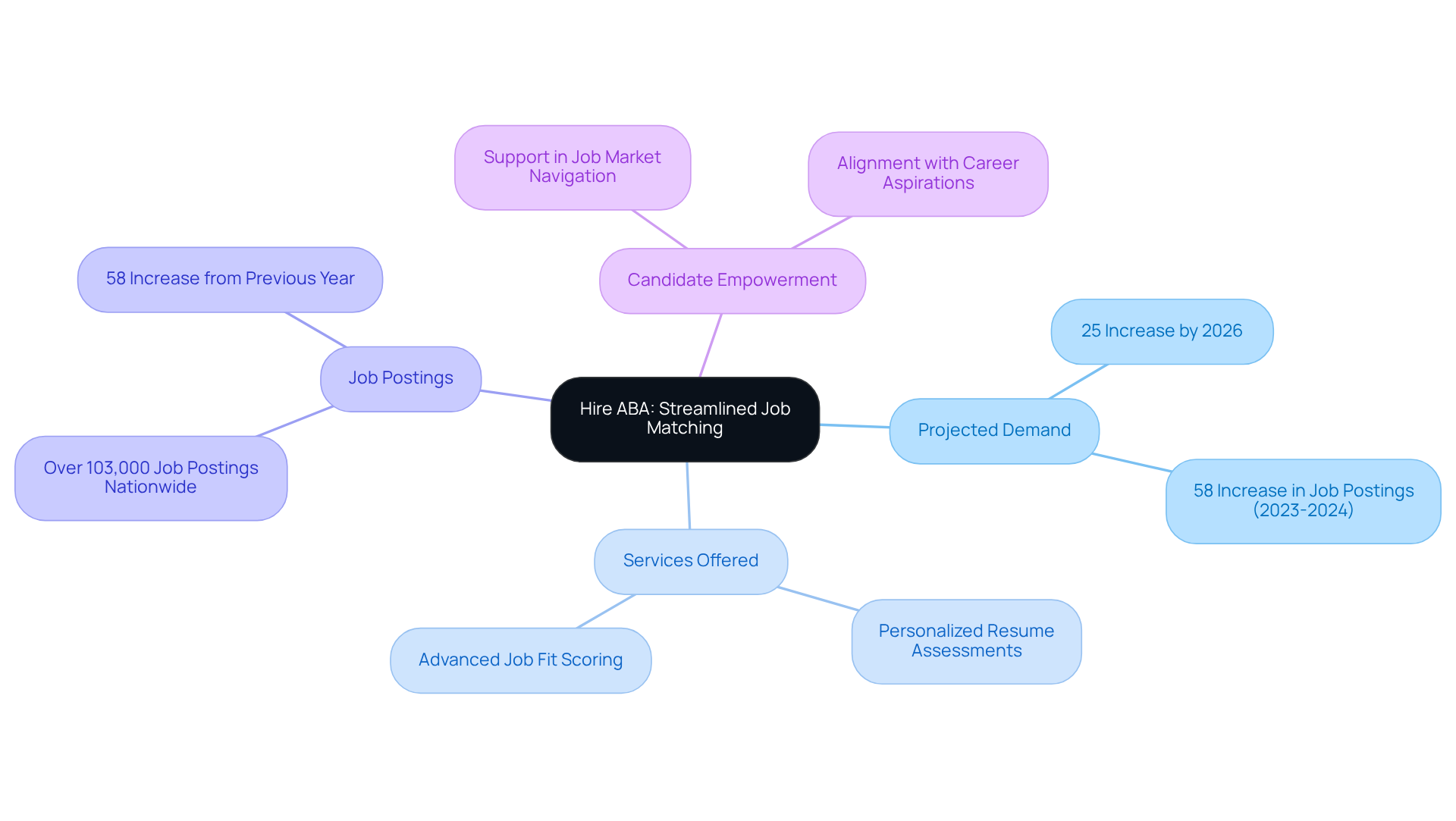
The is projected to surge by 25% by 2026. In this , Hire ABA serves as a dedicated recruitment platform connecting BCBAs with . As the need for qualified professionals intensifies, Hire ABA streamlines the hiring process, enabling candidates to easily find positions that align with their expertise and career aspirations.
Our allow candidates to submit their resumes for evaluation. Our team meticulously assesses their experience and career objectives, ensuring that each candidate is well-prepared for the job market. By utilizing advanced job fit scoring, we identify opportunities that match their abilities, preferences, and desired locations. This comprehensive support empowers candidates to , securing roles that not only advance their careers but also contribute to the growing demand for ABA services.
As of 2024, there are over 103,000 job postings for BCBAs nationwide, reflecting a remarkable 58% increase from the previous year. Hire ABA is strategically positioned to facilitate successful job matches in this thriving market. Industry leaders recognize the escalating demand for BCBAs, highlighting the in addressing this pressing need.
To maximize your chances of finding the right position, we encourage candidates to take advantage of our . Stay proactive in your job search and let Hire ABA guide you toward a fulfilling career in the essential field of ABA therapy.
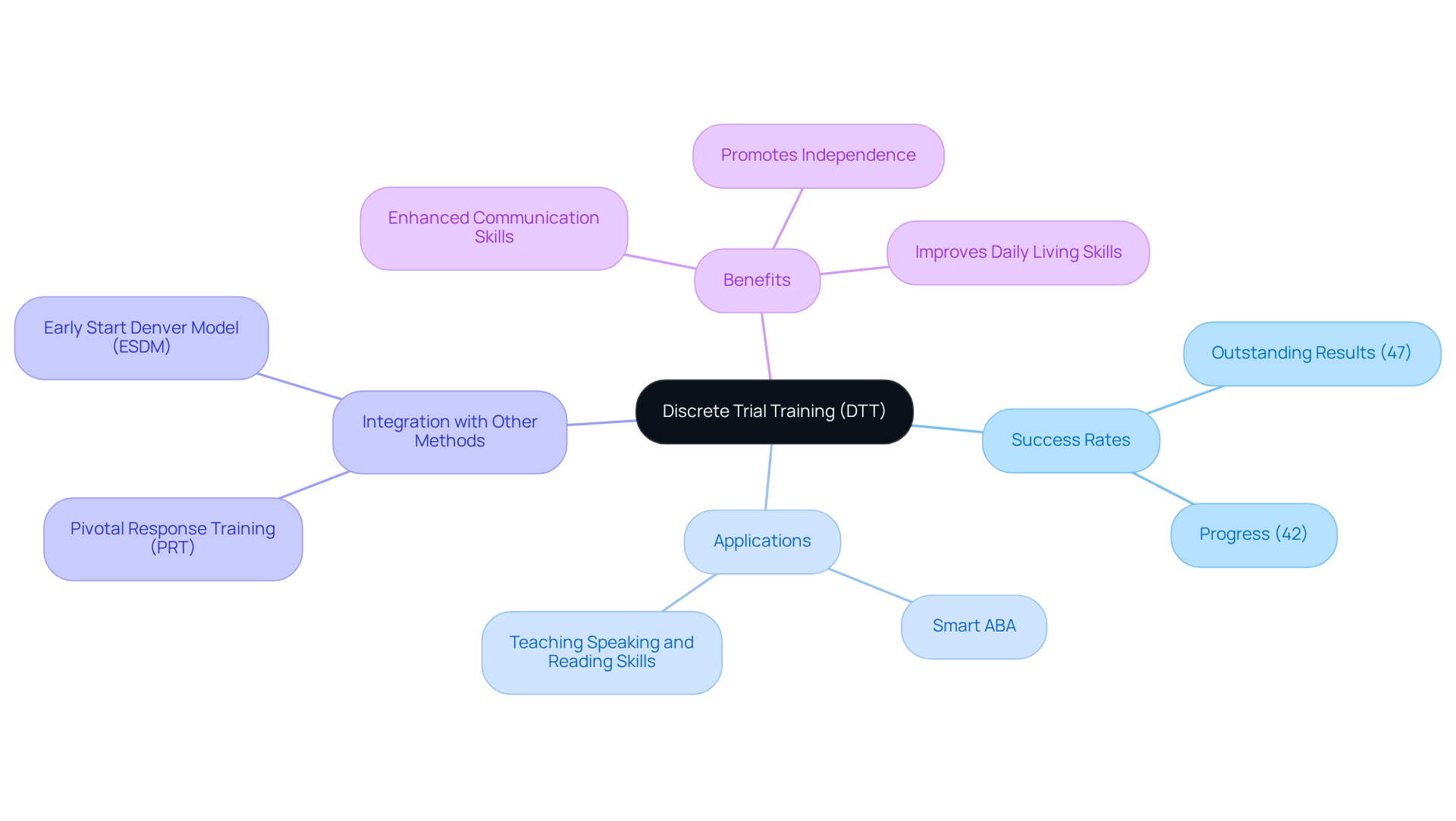
serves as a pivotal teaching method within , providing by systematically breaking down tasks into small, manageable components. Each skill is taught through a series of structured trials, where the therapist delivers clear instructions, prompts the desired responses, and with immediate feedback.
This method has shown remarkable success rates; research indicates that:
Notably, to enhance their verbal and non-verbal communication skills compared to peers in non-ABA programs. recognize DTT's effectiveness in teaching essential skills, particularly in language development, social interactions, and academic competencies.
DTT is frequently integrated with other ABA methodologies, such as Pivotal Response Training (PRT) and the Early Start Denver Model (ESDM), highlighting its versatility across diverse therapeutic contexts. Recent case studies, which serve as applied behavior analysis examples, include the in teaching speaking and reading skills to non-verbal children with Autism Spectrum Disorder, exemplifying DTT's practical applications.
By incorporating DTT into their therapeutic practices, professionals can deliver and significantly enhance the overall learning experience for individuals with autism.
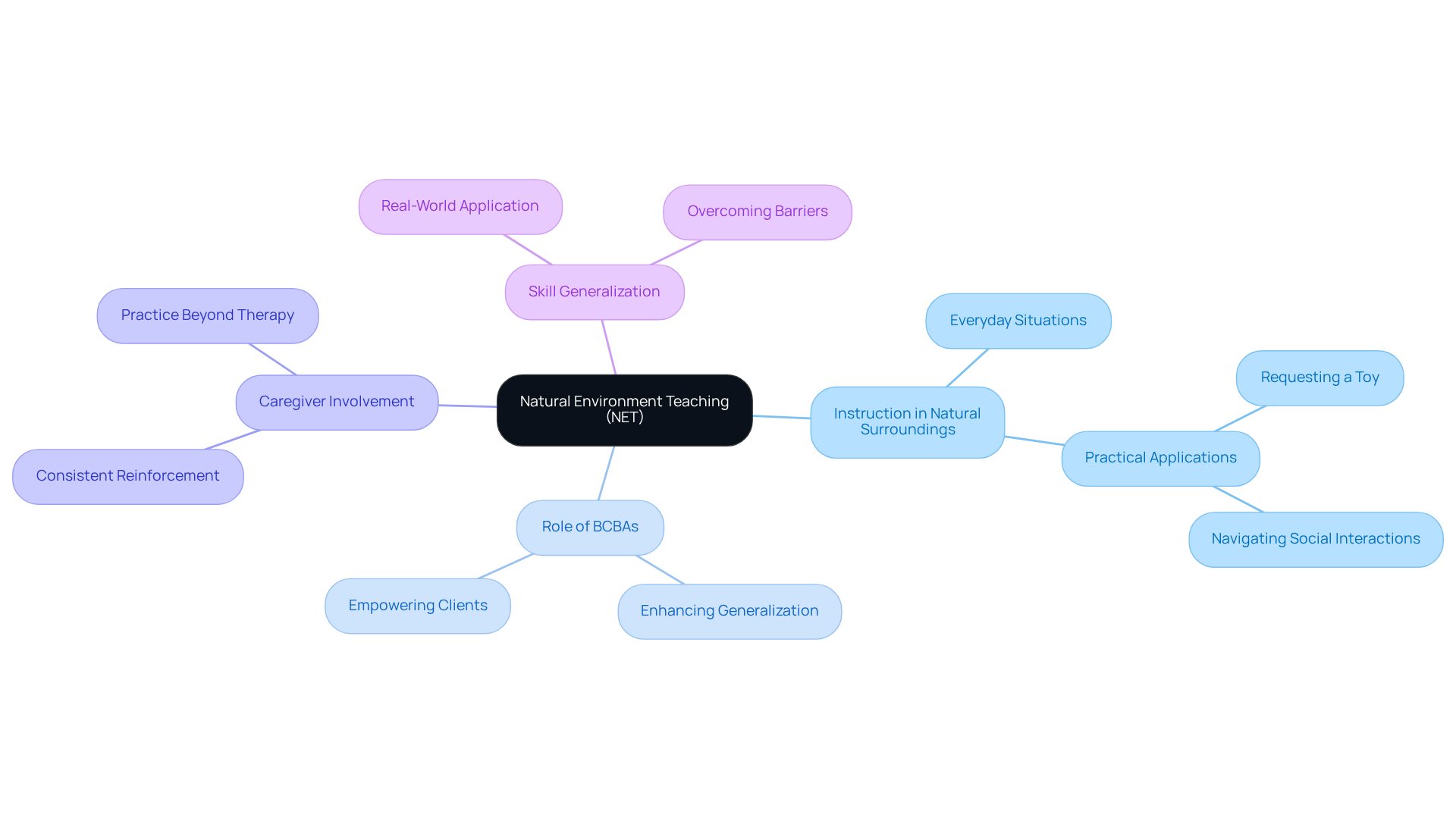
serves as a pivotal method in , focusing on the instruction of skills within the learner's natural surroundings. This approach capitalizes on everyday situations to forge , rendering the process not only relevant but also engaging for individuals. By weaving teaching opportunities into daily routines, can markedly enhance the likelihood of generalization, empowering clients to effectively apply their learning in real-world contexts. This methodology not only cultivates independence but also amplifies motivation and engagement throughout the learning journey.
Consider a scenario where a BCBA prompts a young child to request a toy during playtime. This simple interaction serves to strengthen communication skills in a familiar environment. Such practical applications of NET are [applied behavior analysis examples](https://pmc.ncbi.nlm.nih.gov/articles/PMC9458805) that exemplify its efficacy in bolstering retention and the transfer of skills, as children learn to navigate social interactions and daily tasks with greater autonomy. Additionally, BCBAs recognize that fostering is crucial for promoting independence among individuals with autism, as it enables them to utilize learned competencies across diverse settings.
The active participation of caregivers is equally vital, ensuring consistent reinforcement of skills beyond the therapy environment. As noted, " from therapy to daily life in ABA by ensuring consistent reinforcement and practice of skills outside the regulated therapy setting." By engaging families in the learning process, BCBAs can enhance the application of therapeutic techniques in daily life, as shown in applied behavior analysis examples, ultimately leading to more successful outcomes for children with autism. Furthermore, it is essential to acknowledge that limited opportunities for practice can impede [skill generalization](https://supportivecareaba.com/statistics/how-aba-therapy-helps-with-the-generalization-of-skills-across-environments), making NET an indispensable strategy for surmounting these challenges. In summary, the integration of these components underscores the critical role of NET in fostering enduring learning outcomes.
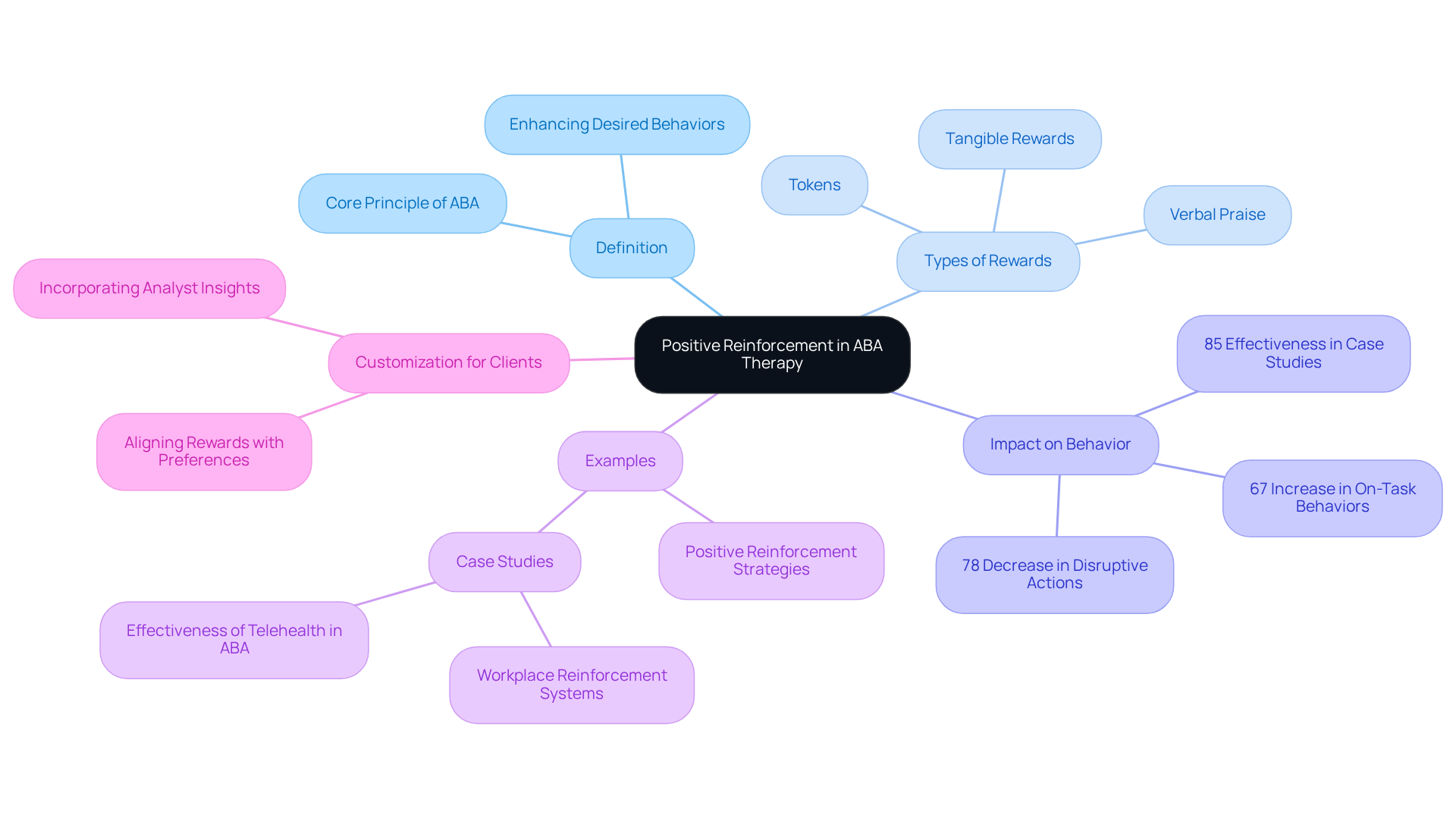
Positive reinforcement is a cornerstone of , with applied behavior analysis examples showing following desired actions to significantly enhance the likelihood of their recurrence. This approach manifests in various forms, including verbal praise, tokens, and tangible rewards. According to the Behavior Analyst Certification Board, . Notably, studies indicate that environments employing and a 78% decrease in disruptive actions.
By consistently implementing these methods, cultivate a that inspires clients to engage in and maintain preferred actions, ultimately resulting in more . The successful application of positive reinforcement, as shown in applied behavior analysis examples, not only enhances individual conduct but also elevates overall therapeutic effectiveness, as evidenced by a study revealing that reinforcement-based interventions have proven effective in 85% of published case studies.
To maximize the impact of positive reinforcement, BCBAs should consider to align with individual preferences, ensuring that the incentives resonate deeply with clients. Furthermore, incorporating insights from analysts can provide additional perspectives on effective reinforcement strategies.
For healthcare employers, understanding the types of rewards utilized in positive reinforcement and their effects on behavioral changes in children is crucial. By adopting these strategies, organizations can create an environment conducive to positive .
is a pivotal method in that dissects , facilitating a structured learning process. This method allows to instruct abilities efficiently, enabling clients to understand and excel in each element before advancing to the next. For instance, when teaching a child to brush their teeth, the task can be broken down into distinct steps:
This systematic breakdown not only simplifies the learning process but also and fosters independence.
Recent studies highlight the effectiveness of task analysis, demonstrating that by 60-75% compared to conventional teaching methods. Furthermore, abilities practiced a minimum of two times per week are shown to have an 80% retention rate, underscoring the significance of regular practice in preserving acquired competencies.
BCBAs have noted that are crucial for successful task analysis. Incorporating modern technology, such as smartphone apps and digital data collection tools, can further streamline the process, making it more accessible and effective. As one expert aptly stated, 'Task analysis represents one of the most powerful and evidence-based strategies in the .'
There are abundant applied behavior analysis examples in the real-world applications of task analysis in . For example, applied behavior analysis examples for teaching adolescents with intellectual disabilities to make a bed involve breaking down the process into observable and measurable actions, which allows for daily tracking of progress. Similarly, applied behavior analysis examples can effectively manage the teaching of grocery shopping skills to adults with developmental disabilities through a detailed task analysis that outlines each step from reviewing a shopping list to checking out.
Involving families, teachers, and other team members in the is essential for creating comprehensive and practical breakdowns that meet the learner's needs. This collaborative approach not only enhances the effectiveness of the task analysis but also promotes consistency across different environments, ultimately leading to better outcomes for individuals in ABA therapy.
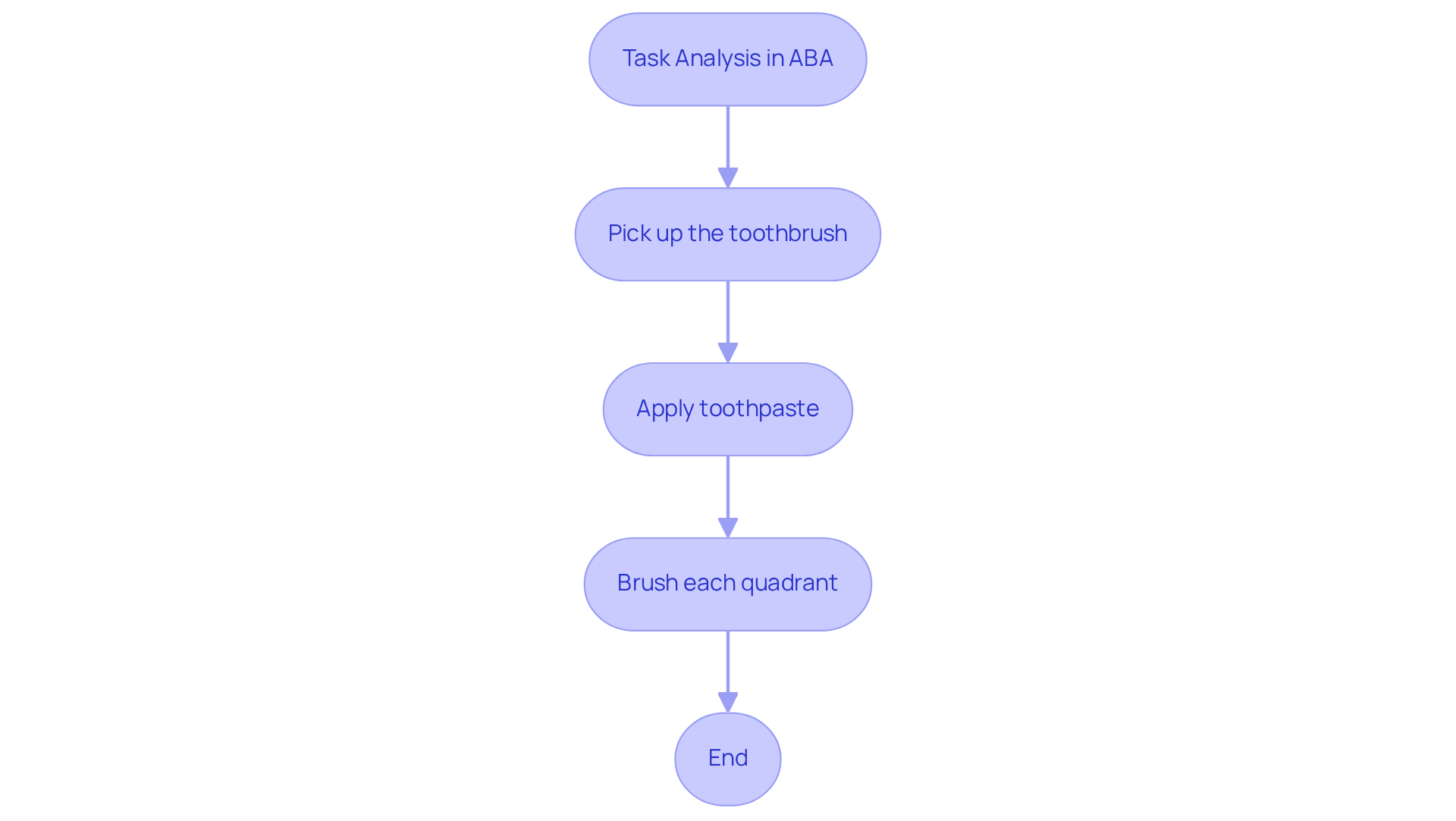
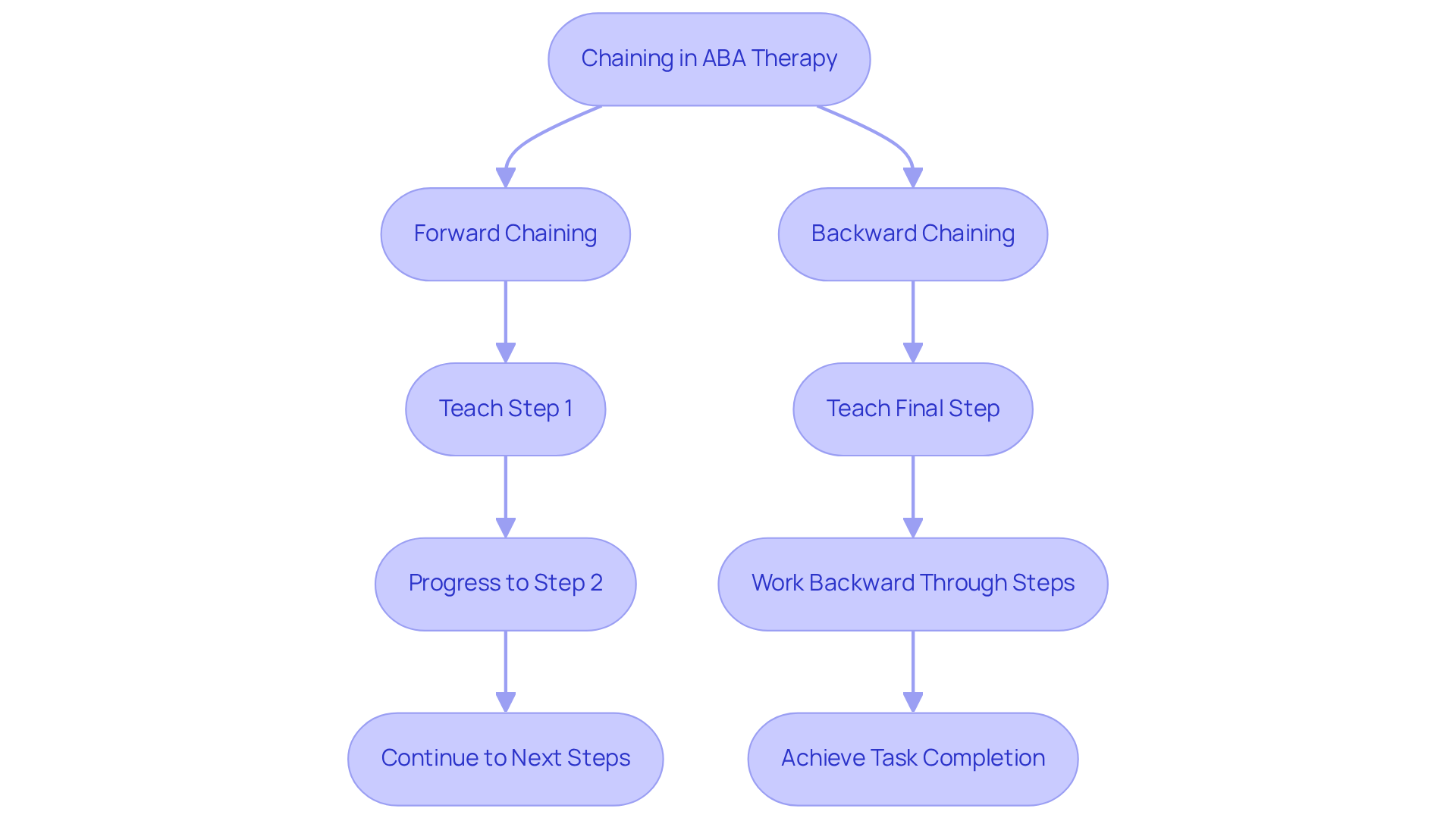
in that facilitates the instruction of complex actions by deconstructing them into smaller, manageable steps. The two primary types of chaining are .
Research demonstrates that both chaining methods can lead to , with studies indicating that backward chaining often results in fewer trials to mastery for tasks such as handwashing and tea preparation. For instance, a study involving a 17-year-old participant with moderate intellectual disability and autism revealed that participants achieved mastery in washing hands with soap at 100% accuracy over a two-month period using backward . Additionally, a case study involving children with autism showed that through Lego construction, where participants learned to assemble structures step-by-step, underscoring the adaptability of these methods across different contexts.
Behavior analysts underscore the necessity of tailoring the chaining approach to the individual needs of the learner. Recent findings indicate that the choice between forward and backward chaining can significantly impact the effectiveness of skill acquisition, with some individuals displaying a preference for one method over the other based on their unique learning profiles. This flexibility illustrates the practical applications of chaining in , providing applied behavior analysis examples that allow professionals to implement these strategies to enhance the learning experiences of youth with autism and other developmental challenges. To effectively utilize these chaining techniques, practitioners must , ensuring that the selected method aligns with their individual needs.
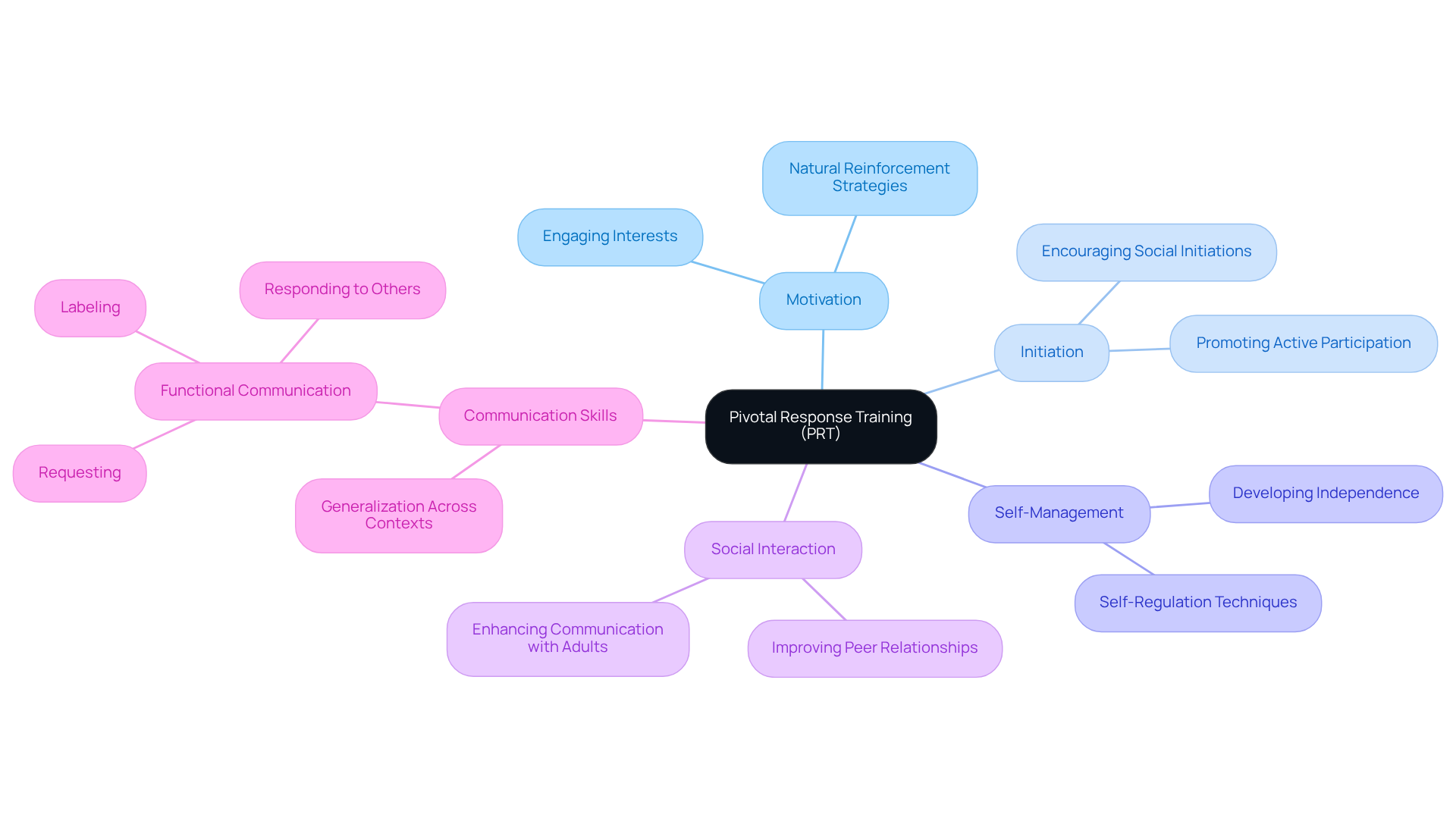
(PRT) stands as a crucial play-based intervention designed to enhance vital developmental aspects, including . By focusing on these key areas, PRT aims to improve overall and in learning activities. This approach empowers young people to engage in their education, promoting autonomy and enriching their interactions with both peers and adults.
Recent studies underscore the effectiveness of PRT in advancing [social communication skills](https://pmc.ncbi.nlm.nih.gov/articles/PMC8830537) among individuals with autism spectrum disorder (ASD). Research indicates that youth who undergo PRT demonstrate significant improvements in functional communication, encompassing skills such as requesting, labeling, and responding to others. Notably, these advancements are not only sustained over time but also generalize across various social contexts, highlighting the robust applicability of PRT in real-world scenarios.
In educational and therapeutic settings, (BCBAs) can implement PRT by cultivating motivating learning environments that leverage natural reinforcement strategies. This involves recognizing and responding to young people's interests, thereby enhancing . As one BCBA aptly noted, "Engaging youngsters through their interests is key to fostering motivation and enhancing their learning experience."
Nevertheless, it is essential to recognize that some studies, including those reviewed by Boudreau et al., found that none of the assessed peer-mediated PRT studies fulfilled the criteria for promising or established evidence-based practices aimed at improving social communication impairments. Furthermore, a systematic review by Ona et al. revealed low-quality evidence for communication outcomes in PRT studies, underscoring the necessity for further research to fortify the evidence base.
The key developmental areas targeted by PRT encompass social interaction, communication, and self-management skills. By addressing these domains, PRT not only supports the immediate learning objectives of children but also lays a solid foundation for their .
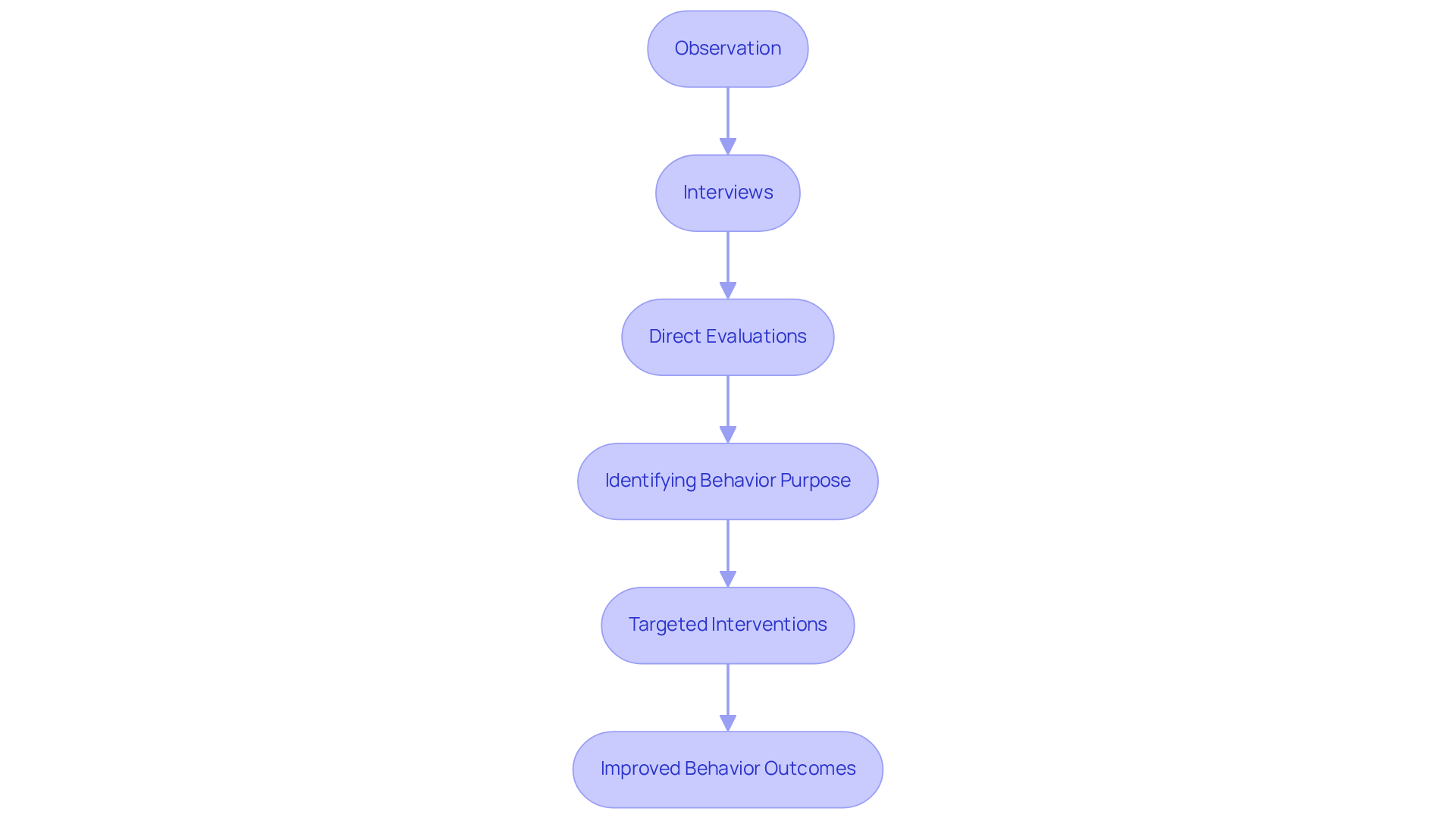
is a systematic method aimed at revealing the underlying causes of difficult actions. By utilizing a mix of observations, interviews, and direct evaluations, can precisely determine the purpose of an action, which is essential for creating targeted interventions. For instance, if a child shows disruptive conduct to obtain attention, the FBA process will uncover this motivation, allowing the BCBA to apply that instruct the child on more suitable ways of seeking attention.
Research indicates that interventions based on FBA data are 2.5 times more likely to be effective than those lacking this foundation. Furthermore, BIPs based on multi-source data collection are 65% more likely to result in , underscoring the importance of . Classrooms that employ thorough prevention strategies, which are more effective than reactive methods, experience a 50% decrease in difficult actions, emphasizing the essential role of FBAs in promoting positive conduct outcomes.
Frequent assessments and adjustments of BIPs according to FBA data guarantee continued efficiency, rendering FBAs crucial instruments in the creation of . As Dr. Temple Grandin states, 'Different, not less,' highlighting the significance of to guide effective interventions.
Are you facing challenges in ? Consider the benefits of utilizing a recruitment platform that specializes in connecting you with top talent in the field. With the right support, you can ensure that your team is equipped to , ultimately leading to improved outcomes for those you serve.
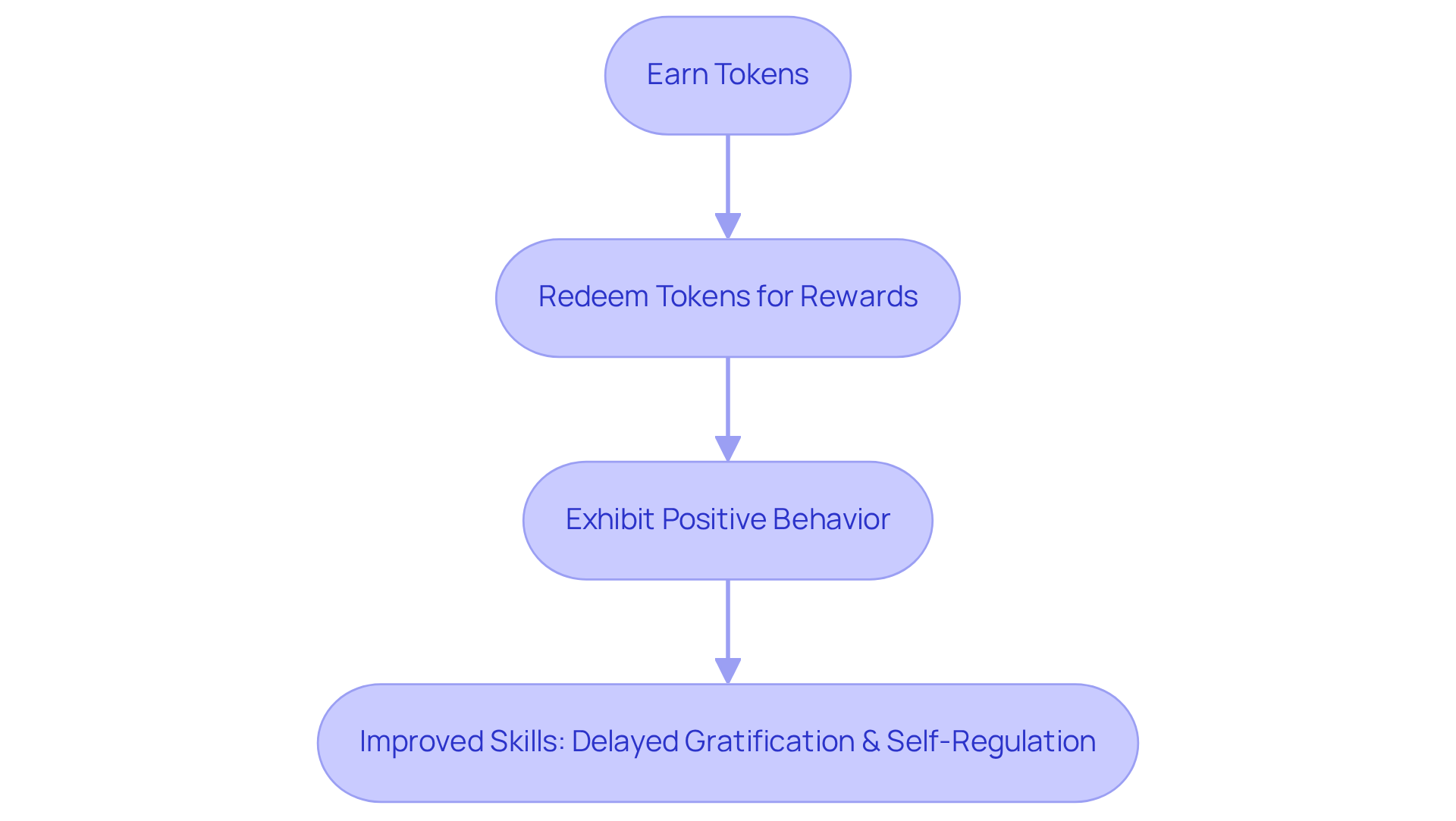
A token economy represents a as a form of currency to promote . Clients earn tokens by demonstrating desired actions, which they can later exchange for rewards or privileges. This approach not only incentivizes participation in but also fosters skills in and self-regulation.
For example, a child might earn tokens for completing homework, redeemable for extra playtime.
Research underscores the effectiveness of as examples in , including educational and therapeutic environments. These systems can be tailored to meet individual client needs, ensuring that reinforcement strategies are both effective and engaging.
Success stories from schools reveal and classroom dynamics following the implementation of token economies, highlighting their versatility and significant impact in .
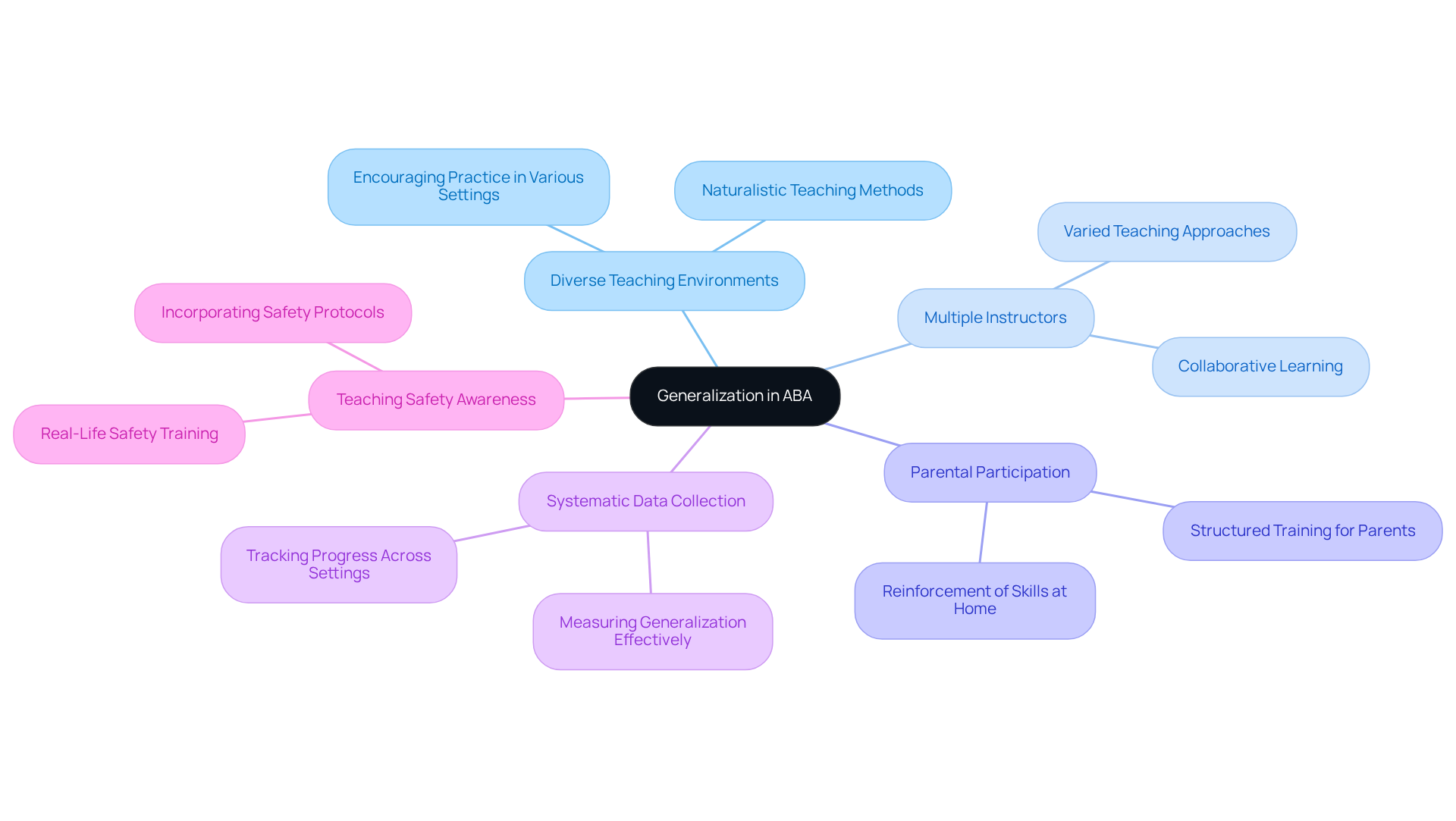
is the capacity of a learner to apply abilities gained in one context to different situations, individuals, or environments. In therapy, using is essential for encouraging clients to generalize their newly acquired abilities in daily life. can enhance generalization by employing , incorporating multiple instructors, and utilizing naturalistic teaching methods. For example, if a young person learns to ask for assistance during therapy, the BCBA should also encourage practice of this ability in various environments, such as at home or in school, to strengthen its use in real-life situations.
Recent research indicates that children who receive multiple exemplar training demonstrate 67% better compared to those who experience single-exemplar training. This statistic underscores the to ensure abilities are not only acquired but successfully applied across various environments. Moreover, on improving generalization results; research indicates that parents who underwent organized training in ABA methods demonstrated 58% better retention of abilities.
across multiple settings is also essential for measuring generalization effectively. Real-life instances, including applied behavior analysis examples like instructing children to acknowledge family at home and classmates at school, illustrate how generalization can be systematically incorporated into therapy, promoting independence and practical life abilities. Additionally, incorporating strategies for and emotional regulation can further enrich the practical applications of generalization in ABA therapy.
As Mojgan Gitimoghaddam states, "Generalization in ABA refers to the ability to apply learned skills and behaviors across different settings, people, materials, and situations." To enhance practice, BCBAs should consider integrating parent training and systematic data collection into their approaches.
The demand for Board Certified Behavior Analysts (BCBAs) is on the rise, highlighting the critical need for effective Applied Behavior Analysis (ABA) techniques in intervention and skill development. These diverse strategies, ranging from Discrete Trial Training to Natural Environment Teaching, are essential in enhancing the learning experiences of individuals with autism spectrum disorder. By mastering and implementing these methods, BCBAs can significantly improve client outcomes, addressing unique needs and fostering independence.
Consider the impact of:
Each of these strategies underscores the necessity of tailored interventions that resonate with individual preferences and contexts.
As the field of ABA continues to grow, driven by the increasing demand for BCBAs, it is imperative for professionals to remain informed about best practices and innovative strategies. Engaging with platforms like Hire ABA not only facilitates job matching but also supports career advancement in this vital sector.
How are you currently addressing your hiring challenges? By embracing these applied behavior analysis techniques and advocating for their implementation, practitioners can create a more supportive and effective environment for individuals with developmental challenges, ultimately enhancing their quality of life. Take action now—leverage the resources available through Hire ABA to elevate your practice and make a meaningful difference.
What is Hire ABA and what services does it provide?
Hire ABA is a dedicated recruitment platform that connects Board Certified Behavior Analysts (BCBAs) with job opportunities in the field of Applied Behavior Analysis (ABA) therapy. It offers personalized resume assessments and uses advanced job fit scoring to help candidates find positions that align with their skills and career goals.
How is the demand for BCBAs expected to change in the coming years?
The demand for Board Certified Behavior Analysts (BCBAs) is projected to surge by 25% by 2026, with over 103,000 job postings for BCBAs nationwide in 2024, reflecting a 58% increase from the previous year.
What are Discrete Trial Training (DTT) and its significance in ABA?
Discrete Trial Training (DTT) is a teaching method in Applied Behavior Analysis that breaks down tasks into small, manageable components, teaching skills through structured trials with clear instructions and immediate feedback. It has shown high success rates in improving communication skills and is recognized for its effectiveness in language development and social interactions.
How does DTT compare to other ABA methodologies?
DTT is often integrated with other ABA methodologies such as Pivotal Response Training (PRT) and the Early Start Denver Model (ESDM), showcasing its versatility in various therapeutic contexts.
What is Natural Environment Teaching (NET) and its purpose?
Natural Environment Teaching (NET) is a method in ABA that focuses on teaching skills within the learner's natural surroundings, using everyday situations to create meaningful learning experiences. This approach enhances skill generalization and promotes independence by allowing clients to apply their learning in real-world contexts.
Why is caregiver involvement important in NET?
Caregiver involvement is crucial in NET as it ensures consistent reinforcement of skills beyond the therapy environment, improving the transfer of learned competencies to daily life and leading to more successful outcomes for children with autism.
What challenges does NET address in skill generalization?
NET addresses the challenge of limited opportunities for practice, which can impede skill generalization. By incorporating teaching into daily routines, NET enhances the likelihood that individuals will apply their skills across various settings.
Our expert recruitment strategies and AI-driven sourcing ensure that you receive top-notch candidates quickly, without compromising on quality. Whether you’re looking for BCBAs, Clinical Directors, or RBTs, we’ve got you covered.


