


Thank you! Your submission has been received!
Oops! Something went wrong while submitting the form.
June 27, 2025

The field of behavior analysis is witnessing unprecedented growth, with an astonishing 58% increase in job postings for Board Certified Behavior Analysts (BCBAs) projected for the upcoming year. This surge underscores the critical demand for professionals armed with specialized knowledge in behavioral science, presenting a unique opportunity for individuals pursuing a behavior analyst degree.
Yet, as this demand escalates, so too does the challenge of ensuring that graduates not only fulfill certification requirements but also possess the practical skills essential to excel in diverse settings.
How can aspiring behavior analysts navigate this evolving landscape and strategically position themselves for success in a thriving job market?
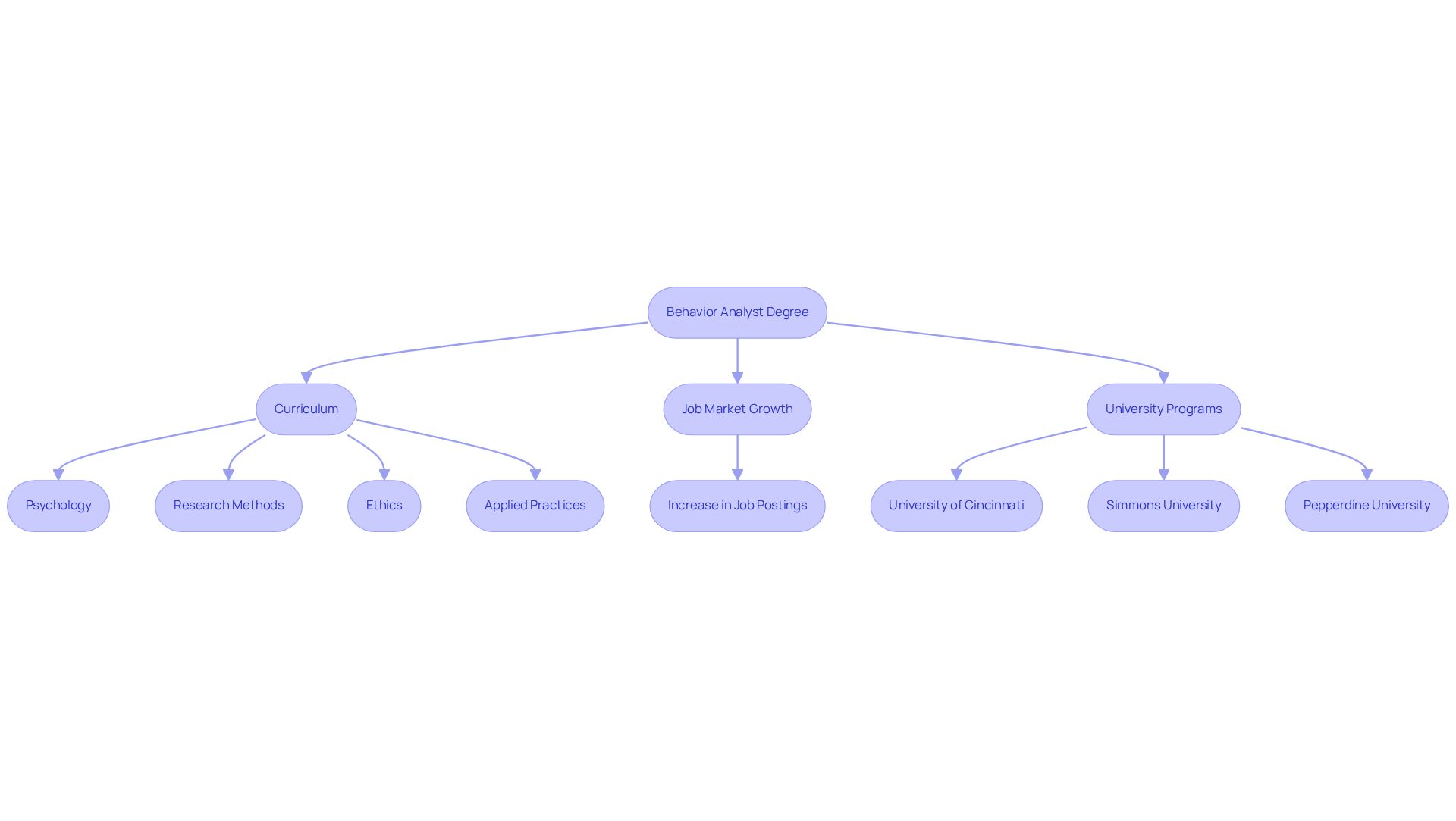
The demand for is surging, with a staggering 58% increase in from 2023 to 2024. A typically encompasses an extensive examination of behavioral science, concentrating on the principles and methods employed to assess and alter actions. This is typically pursued at the master's level and culminates in the . The curriculum includes coursework in psychology, research methods, ethics, and applied practices in modifying actions.
Graduates are equipped to evaluate actions, create intervention plans, and execute strategies to encourage positive changes across various environments, including healthcare, education, and social services. In 2025, in conduct assessment, underscoring the growing acknowledgment of the discipline's significance. For instance, the University of Cincinnati Online offers a robust array of graduate-level programs, preparing students for .
The curriculum is meticulously designed to ensure that graduates not only meet certification requirements but also acquire practical skills applicable in real-world settings. Case studies further emphasize the success of these programs; Simmons University, for example, provides an online master's credential in behavioral science that can be completed in just 20 months, enabling students to enter the workforce swiftly. Additionally, Pepperdine University’s program can be finished in as little as 12 months, addressing the urgent need for skilled analysts.
Overall, the comprehensive nature of a behavior analyst degree, along with the —evidenced by a dramatic rise from under 1,000 job postings in 2010 to over 103,000 by 2024—underscores the essential role of education in shaping the future of behavior analysis. Are you ready to navigate the challenges of hiring qualified BCBAs? Consider , ensuring you attract the best talent in this vital field.
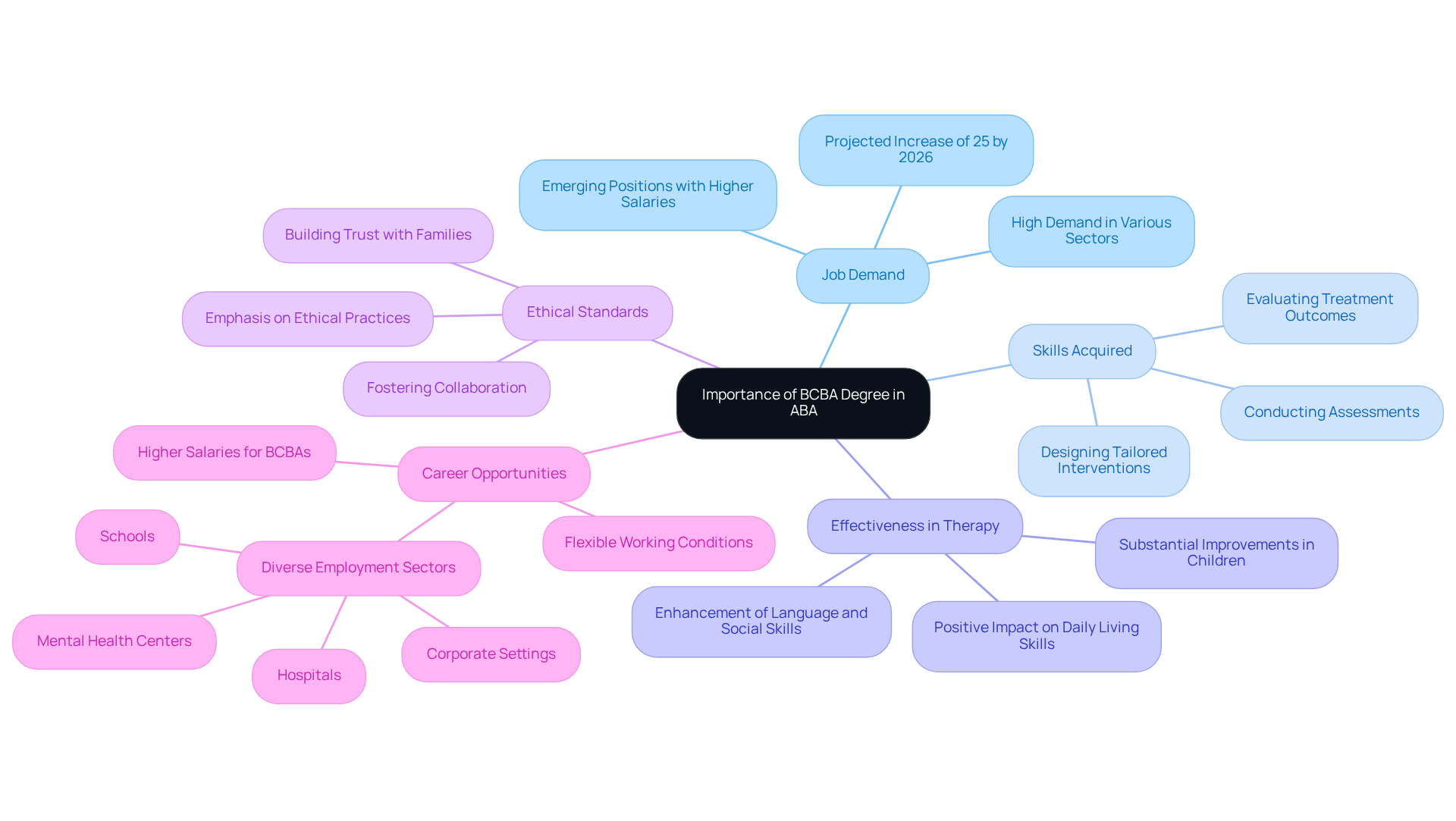
The demand for is projected to rise by an impressive 25% by 2026, underscoring the in the field of (ABA). This equips professionals with the essential skills needed for conducting assessments, designing tailored interventions, and evaluating treatment outcomes. Graduates are not only prepared for direct client interactions but are also positioned as leaders in the development of that significantly enhance therapeutic outcomes.
Research consistently shows that children receiving intensive demonstrate , highlighting the effectiveness of this approach in autism treatment. Moreover, the curriculum's strong emphasis on ethical standards ensures that graduates contribute positively to the field, fostering trust and collaboration with families and clients alike.
As the market continues to expand, new high-demand positions are emerging, often accompanied by . Are you staying informed about these opportunities for ? If you're interested in exploring these roles, be proactive and submit your resume to be among the first to learn about the latest openings in this thriving field.
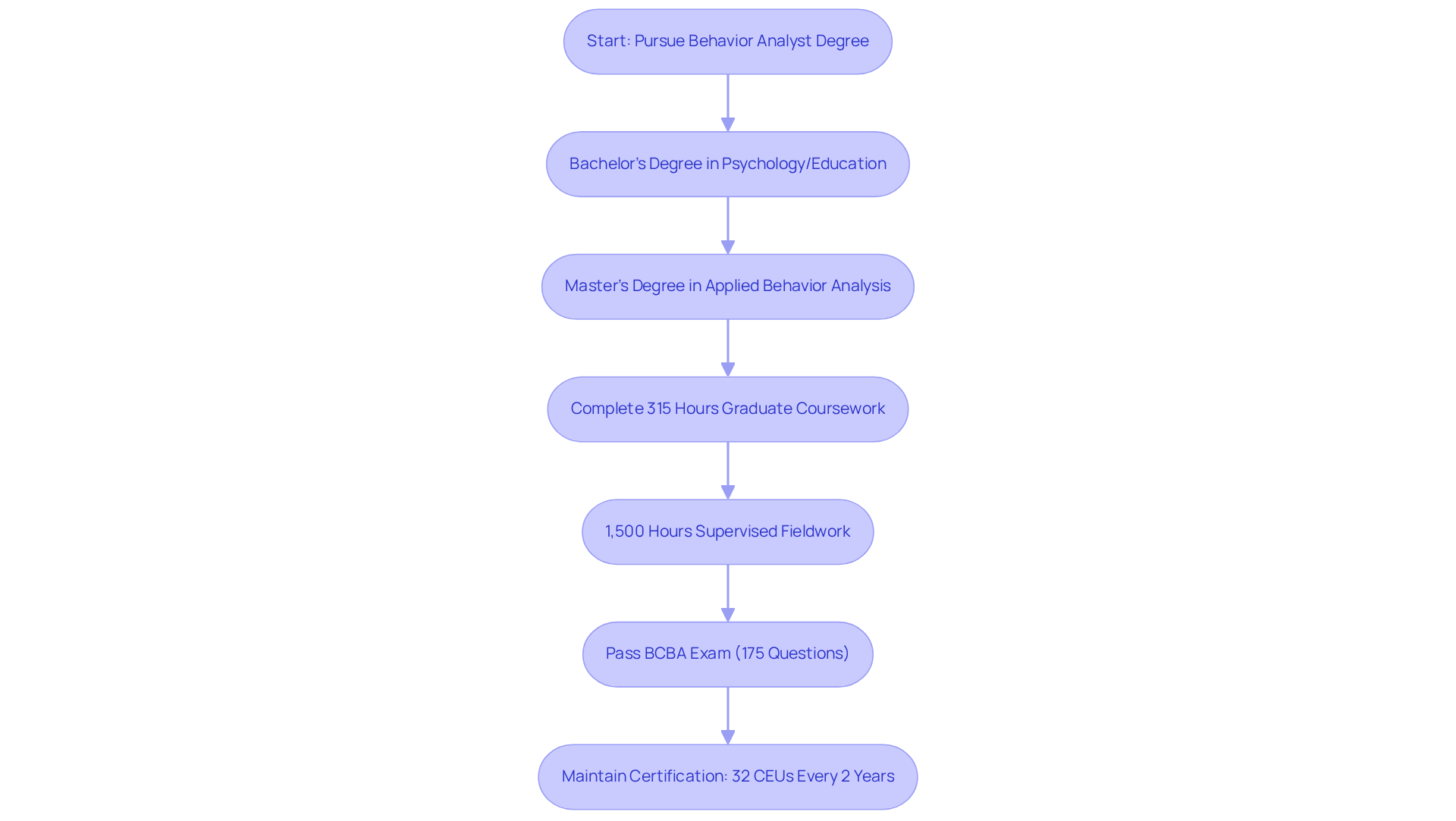
The demand for is projected to rise by 25% by 2026, making this a pivotal time to consider a career in this field. To attain BCBA status, individuals must pursue a as part of their well-defined educational journey. This journey typically begins with acquiring a bachelor's degree in psychology, education, or a related area, followed by a master's degree in or a . It is crucial that the master's program is accredited by recognized bodies to ensure compliance with the requirements. Specifically, candidates must complete at least 315 hours of graduate coursework in behavior evaluation to qualify for the .
After completing the required coursework, candidates must accumulate at least 1,500 hours of , which is essential for gaining practical experience in behavior modification techniques. This fieldwork must be conducted under the supervision of a qualified BCBA or other certified professionals, ensuring that candidates are thoroughly prepared for real-world challenges.
The final step in the certification process involves passing the ination, which consists of 175 multiple-choice questions designed to assess candidates' knowledge in key areas of behavior analysis. This rigorous examination process, combined with the extensive educational and practical experience requirements, ensures that BCBAs are equipped to uphold the and effectively address the needs of their clients.
Becoming a BCBA involves , including a $245 certification application fee and a $125 examination appointment fee. Furthermore, BCBAs must complete 32 every two years, with 4 focused on ethics, to maintain their certification. The dedication to this pathway not only enhances personal career opportunities but also plays a crucial role in the expanding domain of . The entire process to become a BCBA can take between 6 to 10 years, reflecting the long-term commitment required in this profession.
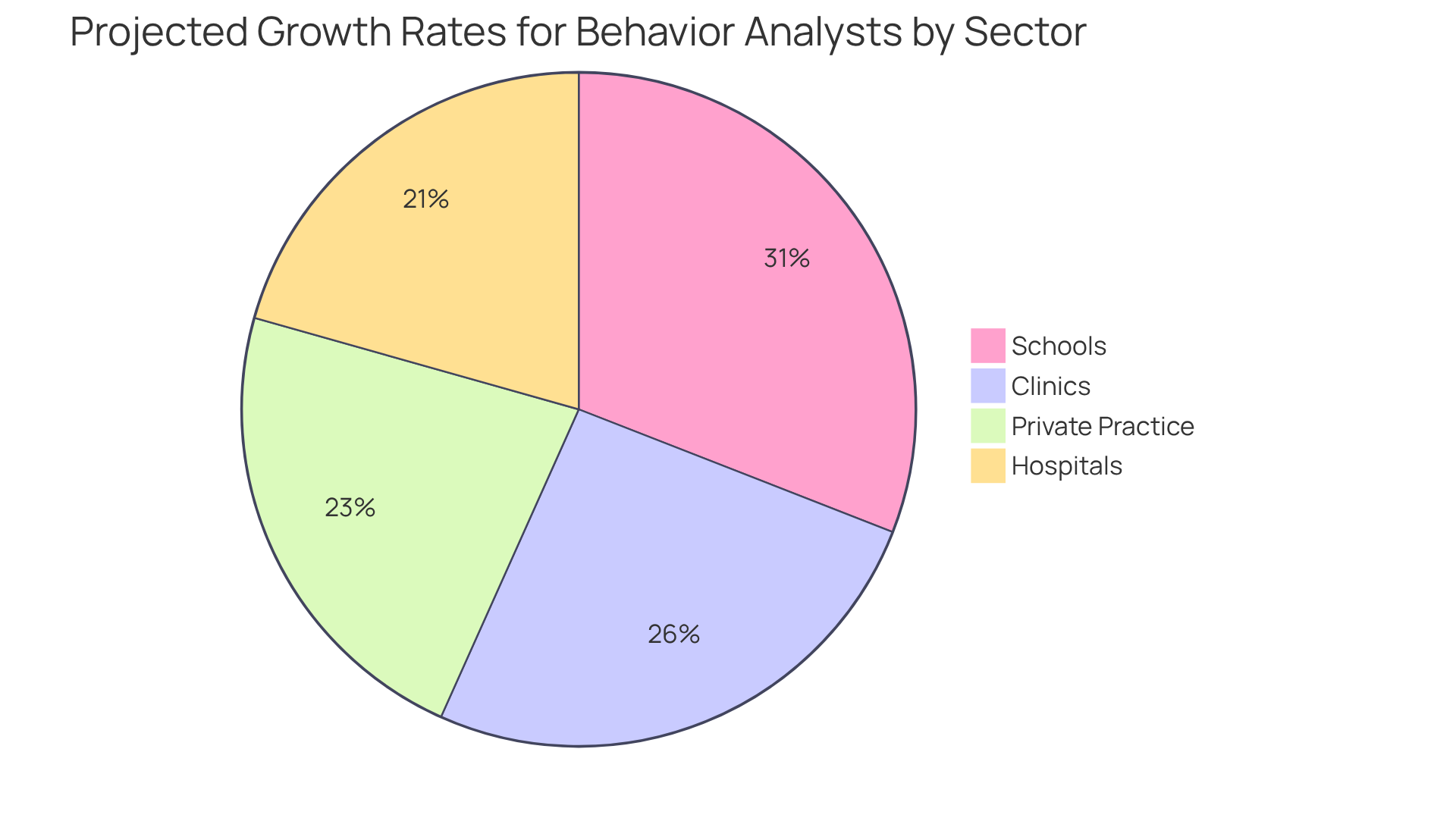
Graduates with a are positioned at the forefront of a booming , with anticipated growth rates of:
This surge in demand underscores the critical role of in diverse sectors such as clinical settings, educational institutions, and community organizations. They not only provide direct services to individuals facing behavioral challenges but also contribute to research, policy development, and program management.
The rise in job listings for , increasing from 7,091 in 2017 to 16,109 in 2018. This qualification not only enhances professional development but also significantly boosts employment opportunities. Furthermore, the in clinical settings is approximately $78,853, with experienced professionals earning between $80,000 and $90,000. By 2030, this average salary is projected to rise to $88,573.
The (ABA) as an effective intervention method underscores the importance of a in making a meaningful impact on individuals' lives. Consider this: states like California, Massachusetts, Texas, New Jersey, and Florida account for 40% of the nationwide demand for BCBAs. Are you ready to tap into this abundant opportunity?
Utilizing can streamline your hiring process, connecting you with qualified professionals ready to make a difference. The time to act is now—embrace the future of behavioral analysis and ensure your organization is equipped with the best talent available.
The importance of obtaining a behavior analyst degree is paramount, especially given the surging demand for qualified professionals in the field of Applied Behavior Analysis (ABA). This degree provides individuals with the critical skills necessary to assess, design, and implement effective interventions that promote positive behavioral change across diverse settings, including education, healthcare, and social services. As the field of behavioral analysis evolves, pursuing this degree not only offers a pathway to a fulfilling career but also contributes significantly to improving lives.
Consider the impressive growth in job opportunities for Board Certified Behavior Analysts (BCBAs), projected to increase by 25% by 2026. The rigorous educational pathway, which entails a master's degree, supervised fieldwork, and certification, ensures that graduates are thoroughly prepared to tackle the challenges of the profession. Moreover, the focus on ethical standards and evidence-based practices highlights the vital role BCBAs play in enhancing therapeutic outcomes, particularly for individuals with autism and other behavioral challenges.
In light of the expanding job market and the growing recognition of ABA as a powerful intervention, now is the moment to reflect on the profound impact a behavior analyst degree can have on both personal and professional growth. For those eager to make a difference, exploring educational programs and certification pathways is crucial. Seize this opportunity to engage in a field that not only offers career advancement but also plays an essential role in shaping the future of behavioral health and well-being.
What is a behavior analyst degree?
A behavior analyst degree focuses on behavioral science, emphasizing the principles and methods used to assess and modify behaviors. It is typically pursued at the master's level and leads to Board Certified Behavior Analyst (BCBA) certification.
What topics are covered in a behavior analyst degree program?
The curriculum includes coursework in psychology, research methods, ethics, and applied practices for modifying behaviors.
What skills do graduates of behavior analyst programs acquire?
Graduates are trained to evaluate behaviors, create intervention plans, and implement strategies to encourage positive changes in various environments, such as healthcare, education, and social services.
How many universities offer behavior analyst programs?
As of 2025, over 130 universities provide specialized programs in conduct assessment.
Can you provide examples of universities that offer behavior analyst degrees?
The University of Cincinnati Online offers a range of graduate-level programs, while Simmons University provides an online master's in behavioral science that can be completed in 20 months. Pepperdine University has a program that can be finished in as little as 12 months.
What is the job market outlook for behavior analysts?
There is a significant demand for Board Certified Behavior Analysts, with job postings increasing from under 1,000 in 2010 to over 103,000 by 2024, indicating a robust job market.
How can organizations find qualified behavior analysts?
Organizations can consider utilizing recruitment services like Hire ABA to attract the best talent in the field of behavior analysis.
Our expert recruitment strategies and AI-driven sourcing ensure that you receive top-notch candidates quickly, without compromising on quality. Whether you’re looking for BCBAs, Clinical Directors, or RBTs, we’ve got you covered.


