


Thank you! Your submission has been received!
Oops! Something went wrong while submitting the form.
September 9, 2025

The escalating demand for qualified professionals in Applied Behavior Analysis (ABA) therapy has thrust the Registered Behavior Technician (RBT) certification into the limelight. This credential not only signifies a practitioner’s competence in implementing effective interventions but also addresses the pressing workforce challenges faced by the field. As the number of RBTs continues to surge, one must consider: how does this certification impact the quality of care and outcomes for individuals with developmental disabilities? Delving into the significance and requirements of RBT certification reveals its pivotal role in enhancing both professional standards and client success in ABA therapy.
The credential, which relates to que es rbt, is essential for individuals providing direct assistance in . This credential is crucial for paraprofessionals working under the supervision of a , ensuring practitioners possess the to implement ABA interventions effectively, que es rbt.
La calificación para RBTs incluye un proceso que comprende una capacitación exhaustiva en los principios del análisis del comportamiento, consideraciones éticas y habilidades prácticas, lo que nos lleva a preguntarnos, que es rbt, especialmente en relación con la asistencia a clientes con trastorno del espectro autista y otras discapacidades del desarrollo. Candidates must complete and successfully pass the to achieve certification. Notably, in 2023, interest surged, with 73,690 individuals taking the for the first time, reflecting a growing recognition of the credential's importance in the field.
As of 2025, the number of has reached approximately 100,000, up from 54,223 at the close of 2022. This significant increase underscores the rising demand for qualified professionals in ABA therapy. Such growth is critical, especially in light of the ongoing shortage of autism service providers, exacerbated by stagnant payer rates that fail to align with the costs of care. The not only enhances the quality of care provided but also plays a pivotal role in addressing workforce challenges within the behavioral health sector.
Furthermore, with average wages for RBTs reported at around $24 per hour, the competitive job market underscores the necessity of attracting and retaining talent in this vital field. Are you facing challenges in hiring qualified professionals? Consider how the , which is what que es rbt refers to, can elevate your team and improve service delivery. The time to act is now—strengthen your workforce with certified RBTs, which is what que es rbt represents, today.
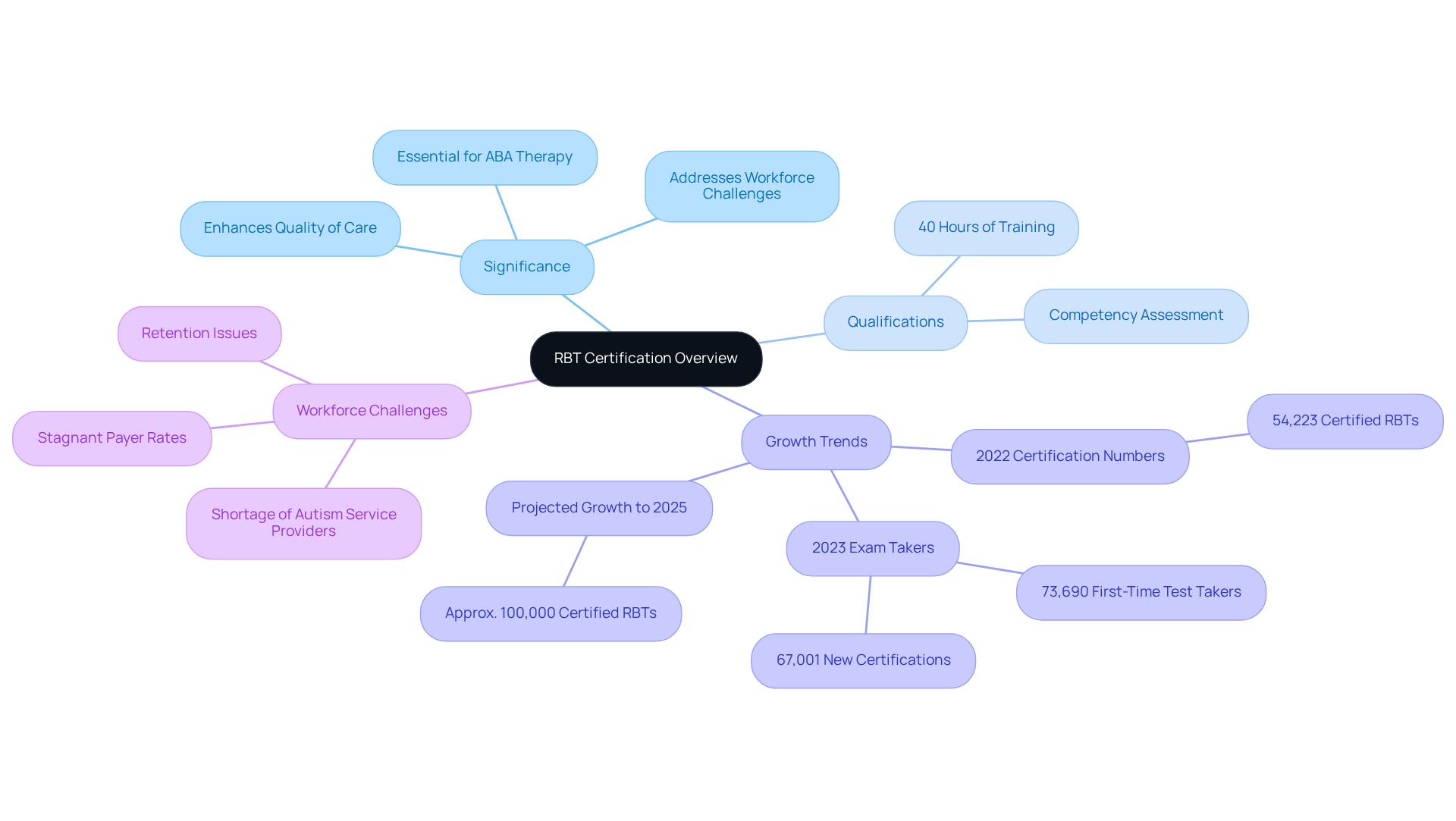
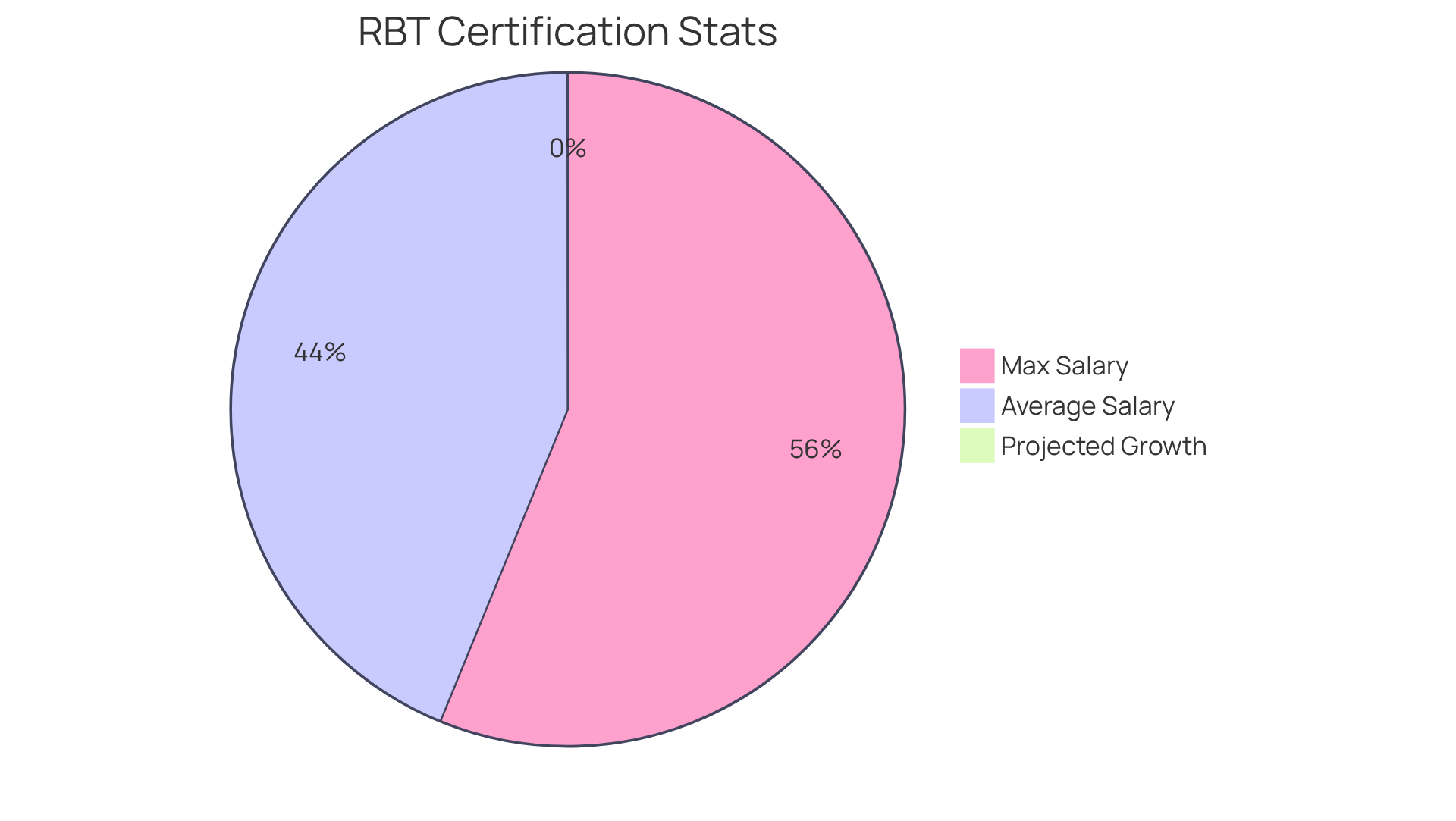
The , que es rbt, is crucial in , especially given the projected growth of by 12% to 17% in the coming years, as reported by the U.S. Bureau of Labor Statistics. This statistic underscores the increasing demand for in the field. RBTs ensure that individuals directly engaging with clients possess a robust understanding of , which is vital for implementing effective interventions. By being trained to collect data, monitor client progress, and adapt interventions to meet specific client needs, significantly enhance the .
Moreover, utilizing not only elevates a practice's credibility but also guarantees compliance with regulatory standards. Many funding sources and insurance companies require behavior technician credentials for reimbursement, making certification a necessity. The average salary for a registered behavior technician is approximately $39,000, with experienced professionals earning up to $50,000 per year. This qualification not only leads to but also fosters the professional development of practitioners in the field, which is what que es rbt represents.
With the on the rise, the presence of certified RBTs is increasingly recognized as a key factor in delivering high-quality care. Are you facing challenges in hiring qualified professionals? Consider and support your recruitment needs effectively.
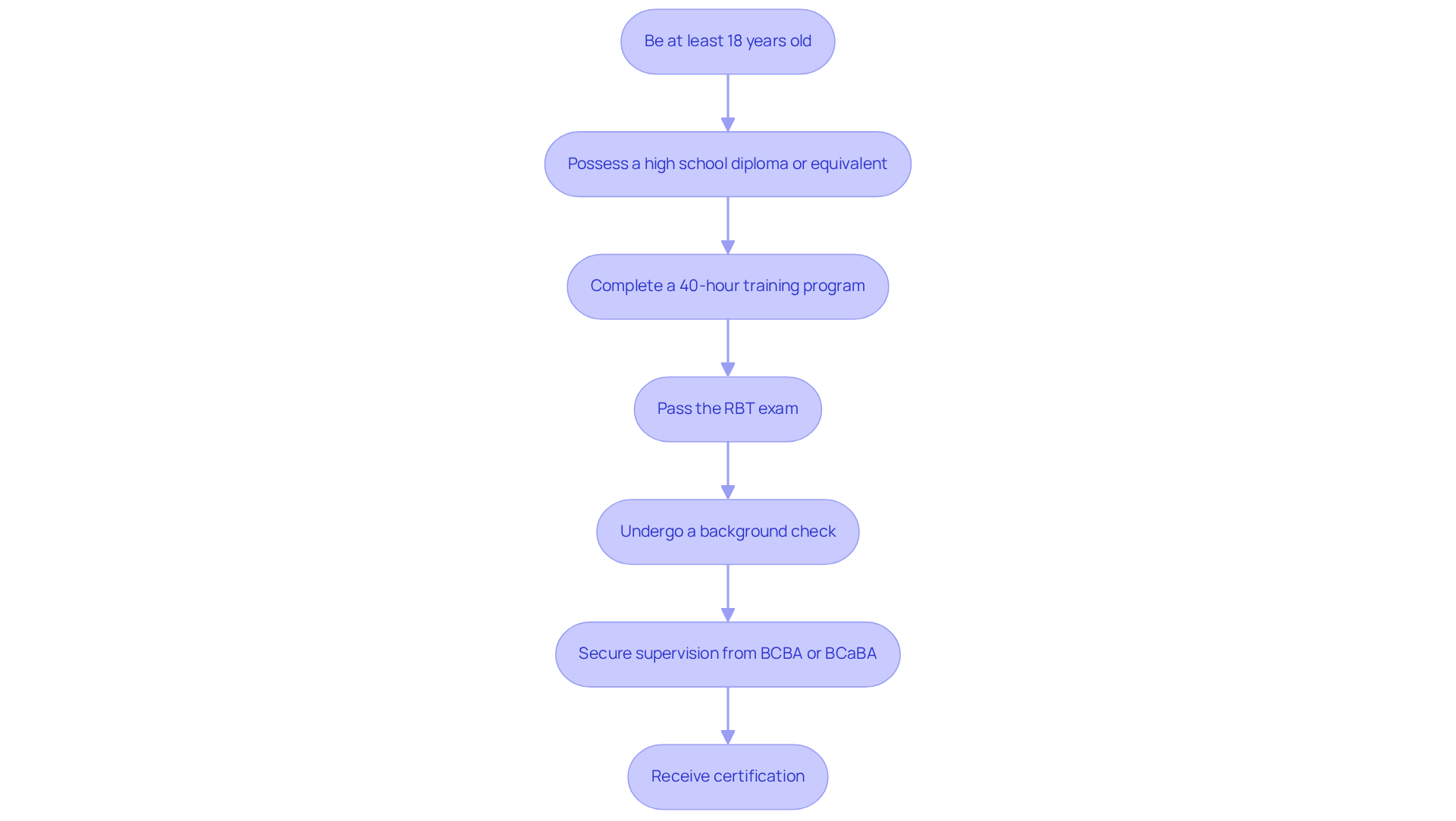
To obtain , candidates must understand and fulfill several . These requirements include:
After completing this training, candidates must pass the , , which evaluates their knowledge and understanding of ABA concepts and practices. Additionally, candidates are required to undergo a background check and secure supervision from a qualified BCBA or BCaBA.
Notably, Virginia and Maryland recognize the BACB’s RBT credential, , as the standard for behavior-technician practice. This recognition is crucial for healthcare employers, as it underscores the credential's acceptance in these regions. The entire qualification process can take anywhere from 1 to 3 months, depending on scheduling and preparation. Once certified, must complete ongoing continuing education and renew their certification annually to maintain their credentials.
This organized pathway ensures that , known as , are well-prepared to deliver high-quality ABA therapy, significantly contributing to the support of individuals with autism and related conditions. Are you ready to understand the impact of these credentials on your hiring practices?
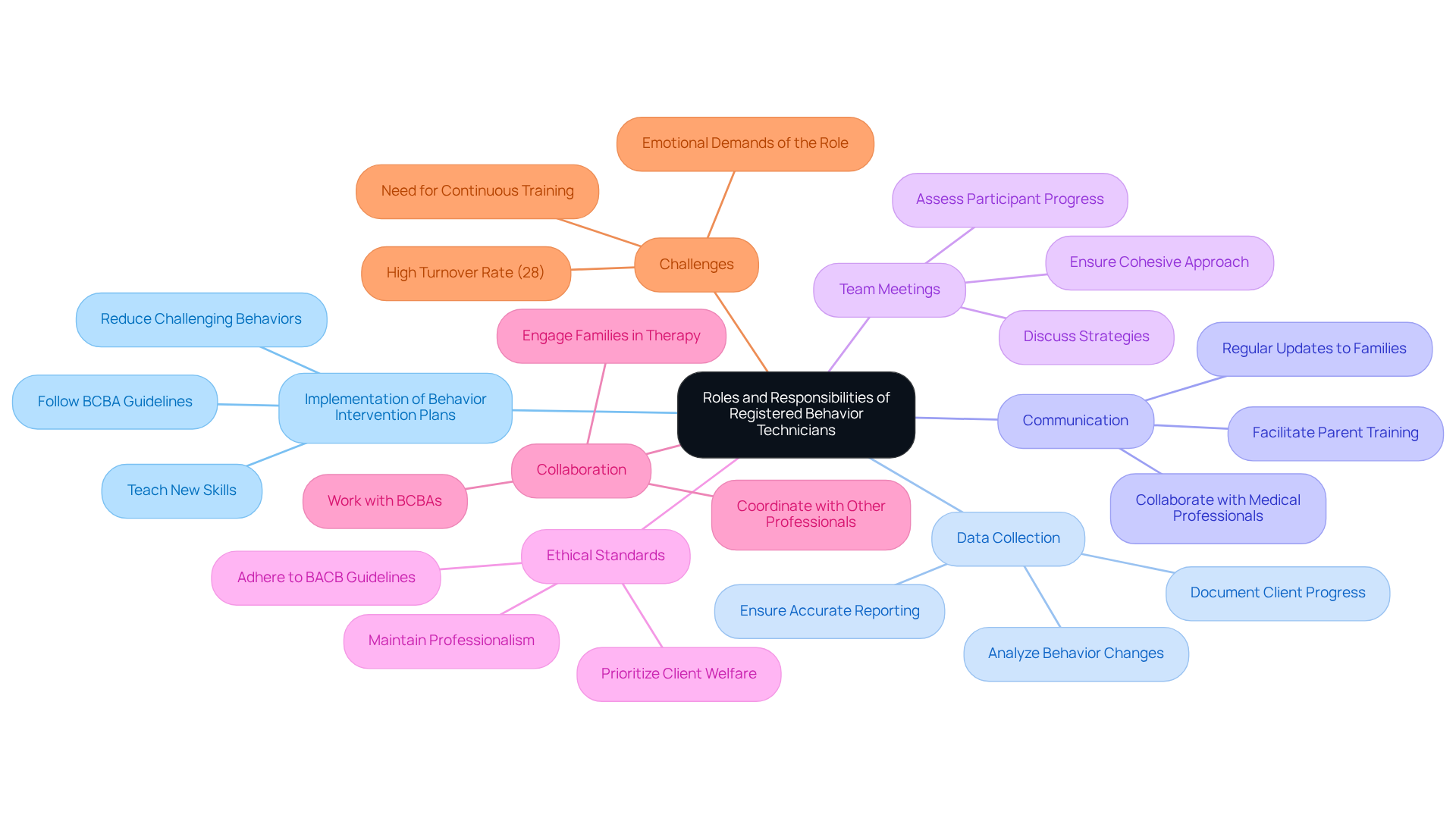
are essential to the success of therapy programs, . Their primary responsibility involves implementing , which relate to , crafted by . This critical task encompasses teaching new skills, reducing challenging behaviors, and meticulously on individual progress. RBTs also maintain accurate records and facilitate effective communication with clients and their families, which is vital for fostering trust and collaboration.
In addition to these responsibilities, RBTs participate in team meetings to assess participant progress and strategies, ensuring a cohesive approach to therapy. They adhere to stringent , prioritizing the welfare of those they serve while delivering services that comply with best practices in the field. Notably, research indicates that consistent data collection can enhance treatment outcomes by 23% compared to programs with inconsistent monitoring.
RBTs, , play a vital role as the link between theoretical knowledge and practical application in ABA therapy, making their contributions indispensable for achieving positive results in individuals' lives. Their ongoing commitment to professional growth and ethical practice further elevates the quality of care provided, ensuring clients receive optimal support on their journey toward independence and improved quality of life. However, the ABA field faces a significant challenge, with approximately 28% annual turnover among RBTs, underscoring the difficulties in maintaining continuity in therapy.
Moreover, with various professionals, including speech-language pathologists, to deliver comprehensive care, reinforcing the interdisciplinary nature of ABA therapy. Are you facing challenges in hiring qualified RBTs? Consider how can streamline your recruitment process and enhance your team's effectiveness.
The significance of RBT certification in the realm of ABA therapy cannot be overstated. This credential serves as a vital benchmark for ensuring that practitioners possess the essential skills and knowledge required to deliver effective behavioral interventions. As the demand for qualified professionals continues to rise, RBT certification stands as a crucial component in enhancing the quality of care provided to individuals with autism and related developmental disabilities.
Key insights highlighted throughout the article reveal:
The rising interest in RBT certification reflects a broader acknowledgment of its importance in addressing workforce challenges in the behavioral health sector. Moreover, the competitive salary and job market for RBTs emphasize the necessity of attracting and retaining skilled professionals in this field.
Ultimately, RBT certification not only elevates the standard of care in ABA therapy but also fosters a commitment to ethical practices and ongoing professional development. As the landscape of behavioral health evolves, investing in certified RBTs is essential for organizations seeking to improve service delivery and client outcomes. Embracing the RBT credential can pave the way for a more effective and compassionate approach to therapy, ensuring that individuals receive the highest quality of support on their journey toward independence and improved quality of life.
What is RBT certification?
The Registered Behavior Technician (RBT) certification is a credential for individuals providing direct assistance in Applied Behavior Analysis (ABA) therapy, ensuring they have the necessary skills and knowledge to implement ABA interventions effectively under the supervision of a Board Certified Behavior Analyst (BCBA).
What are the requirements to become an RBT?
To become an RBT, candidates must complete 40 hours of training in behavior analysis principles, ethical considerations, and practical skills, and they must successfully pass the RBT Initial Competency Assessment.
How many individuals took the RBT exam for the first time in 2023?
In 2023, 73,690 individuals took the RBT exam for the first time, indicating a growing recognition of the credential's importance in the field.
What has been the trend in the number of certified RBTs from 2022 to 2025?
The number of certified RBTs increased from approximately 54,223 at the end of 2022 to about 100,000 by 2025, reflecting a rising demand for qualified professionals in ABA therapy.
Why is the RBT credential important in the context of autism service providers?
The RBT credential is important because it helps enhance the quality of care provided and addresses workforce challenges within the behavioral health sector, particularly amid a shortage of autism service providers.
What is the average wage for RBTs?
The average wage for RBTs is reported to be around $24 per hour, highlighting the competitive job market and the necessity of attracting and retaining talent in this field.
Our expert recruitment strategies and AI-driven sourcing ensure that you receive top-notch candidates quickly, without compromising on quality. Whether you’re looking for BCBAs, Clinical Directors, or RBTs, we’ve got you covered.


