


Thank you! Your submission has been received!
Oops! Something went wrong while submitting the form.
July 5, 2025

Understanding the intricacies of ABA assessments is essential for anyone involved in Applied Behavior Analysis. These evaluations lay the groundwork for effective therapeutic interventions. By systematically examining an individual's behaviors, skills, and needs, ABA assessments inform personalized treatment plans and enhance the overall effectiveness of therapy.
However, with various types of assessments available, how can practitioners determine which approach best meets the unique challenges of each client? This article delves into the purpose, types, and processes of ABA assessments, offering insights that can significantly impact treatment outcomes.
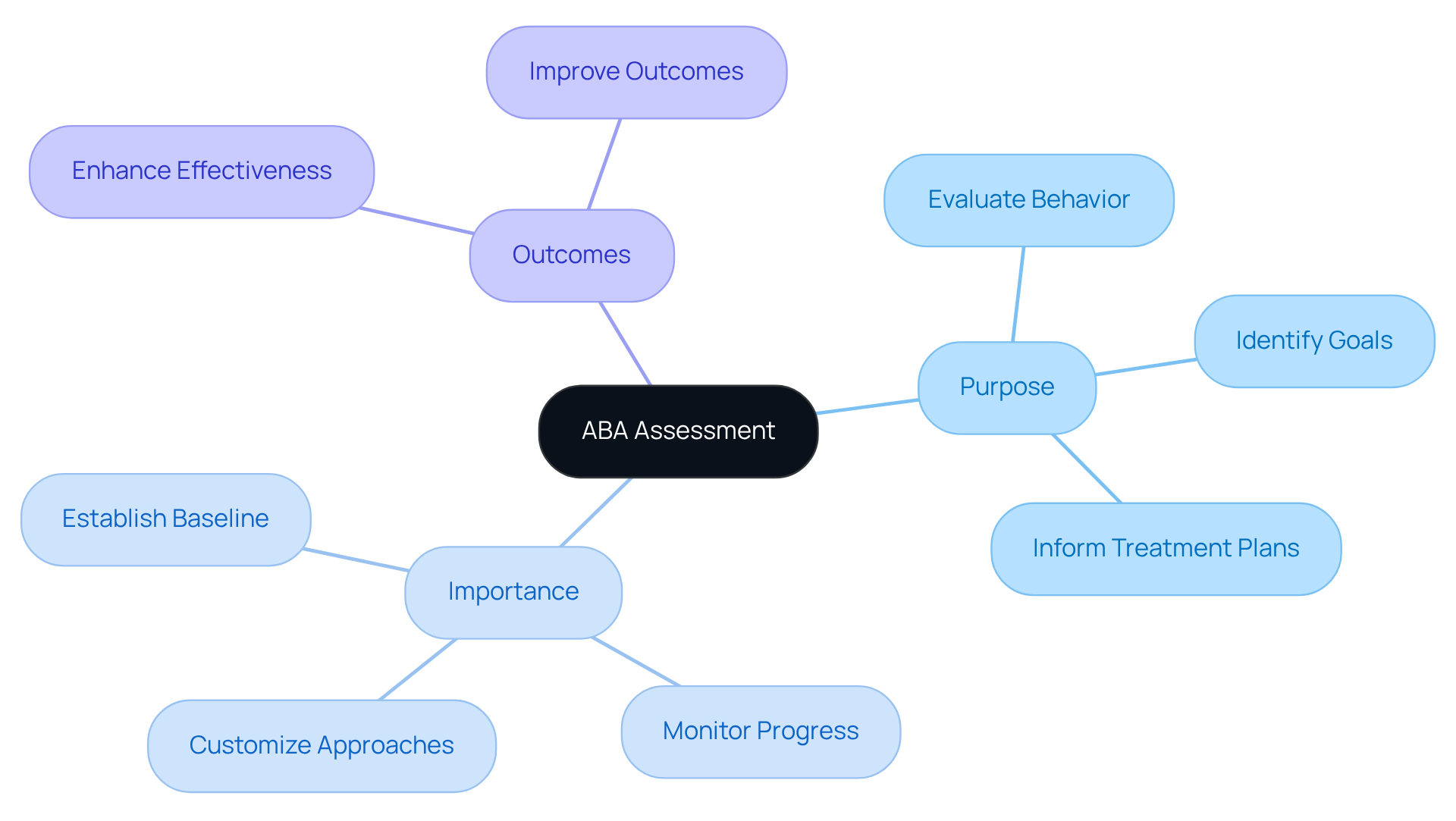
An serves as a systematic examination designed to evaluate an individual's behavior, skills, and needs within the context of . These evaluations, such as the , are crucial as they establish a baseline understanding of a person's current abilities and challenges, which in turn informs the development of . The significance of the cannot be overstated; it enables therapists to identify specific behavioral goals, monitor progress, and adjust interventions as necessary. By comprehensively understanding the unique profile of each individual, practitioners can customize their approaches, ultimately enhancing and improving outcomes.
Have you considered how an could transform your understanding of client needs? By leveraging the insights gained from these evaluations, you can ensure that your treatment strategies are not only effective but also tailored to maximize each individual's potential.
The evolution of ABA evaluations has significantly progressed since the inception of in the mid-20th century. Initially, evaluations were rudimentary, focusing primarily on observable behaviors. However, as the field has matured, it has embraced a more comprehensive approach that incorporates a variety of evaluation tools and methodologies. These now consider cognitive, emotional, and environmental factors, reflecting a deeper understanding of the complexities of behavior and the need for tailored evaluation strategies.
Today, often include:
This offers a of an individual's needs and strengths.
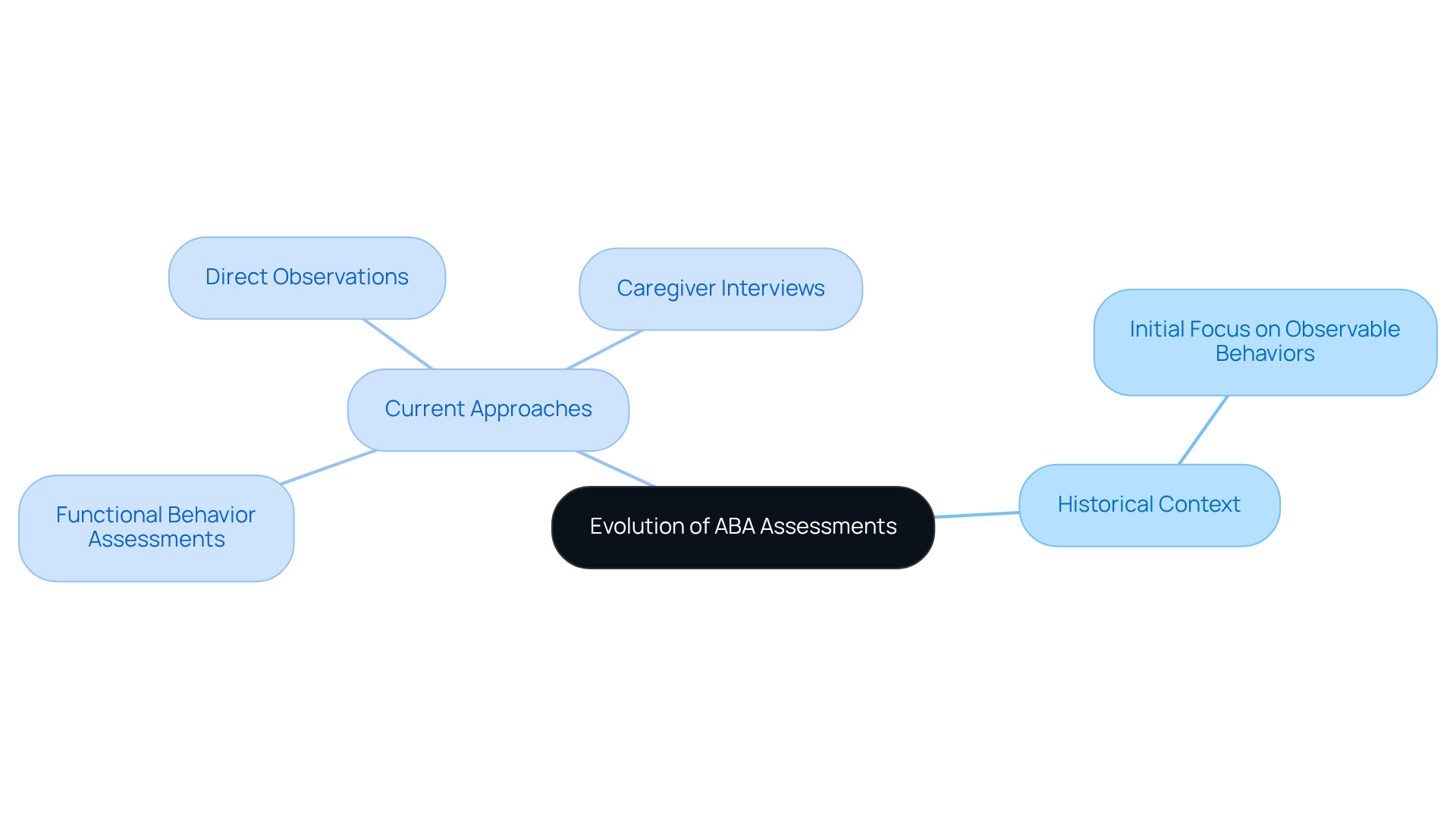
are critical components of effective , including essential elements such as:
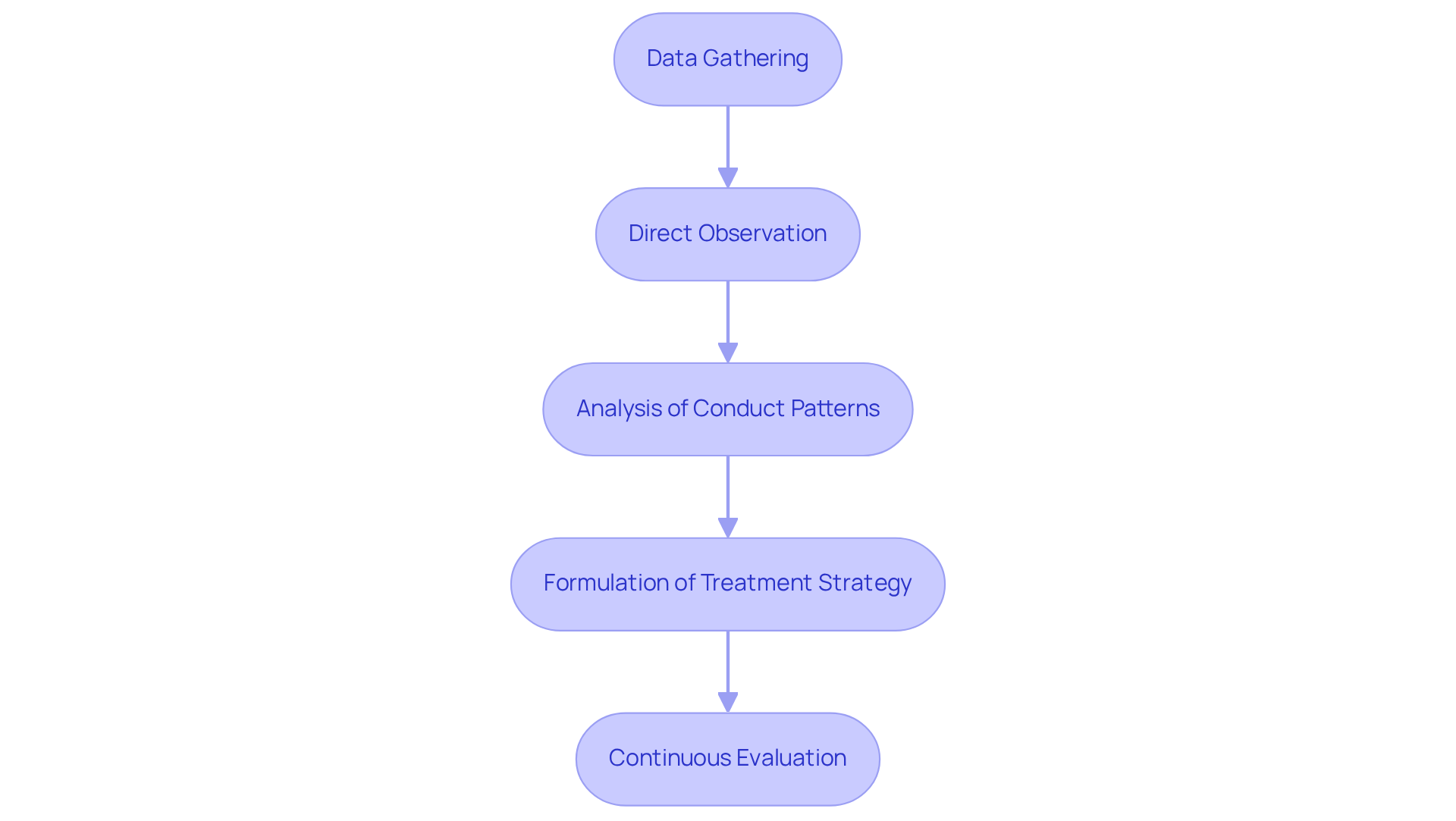
The process initiates with comprehensive information collection through caregiver interviews and meticulous review of relevant records. Following this, practitioners conduct to assess . This collected data undergoes thorough analysis during the ABA assessment to pinpoint strengths, weaknesses, and potential areas for intervention. The evaluation culminates in the formulation of a designed to address the individual's unique needs. Furthermore, continuous evaluation remains integral to the process, facilitating ongoing modifications to the treatment plan based on the individual's progress.
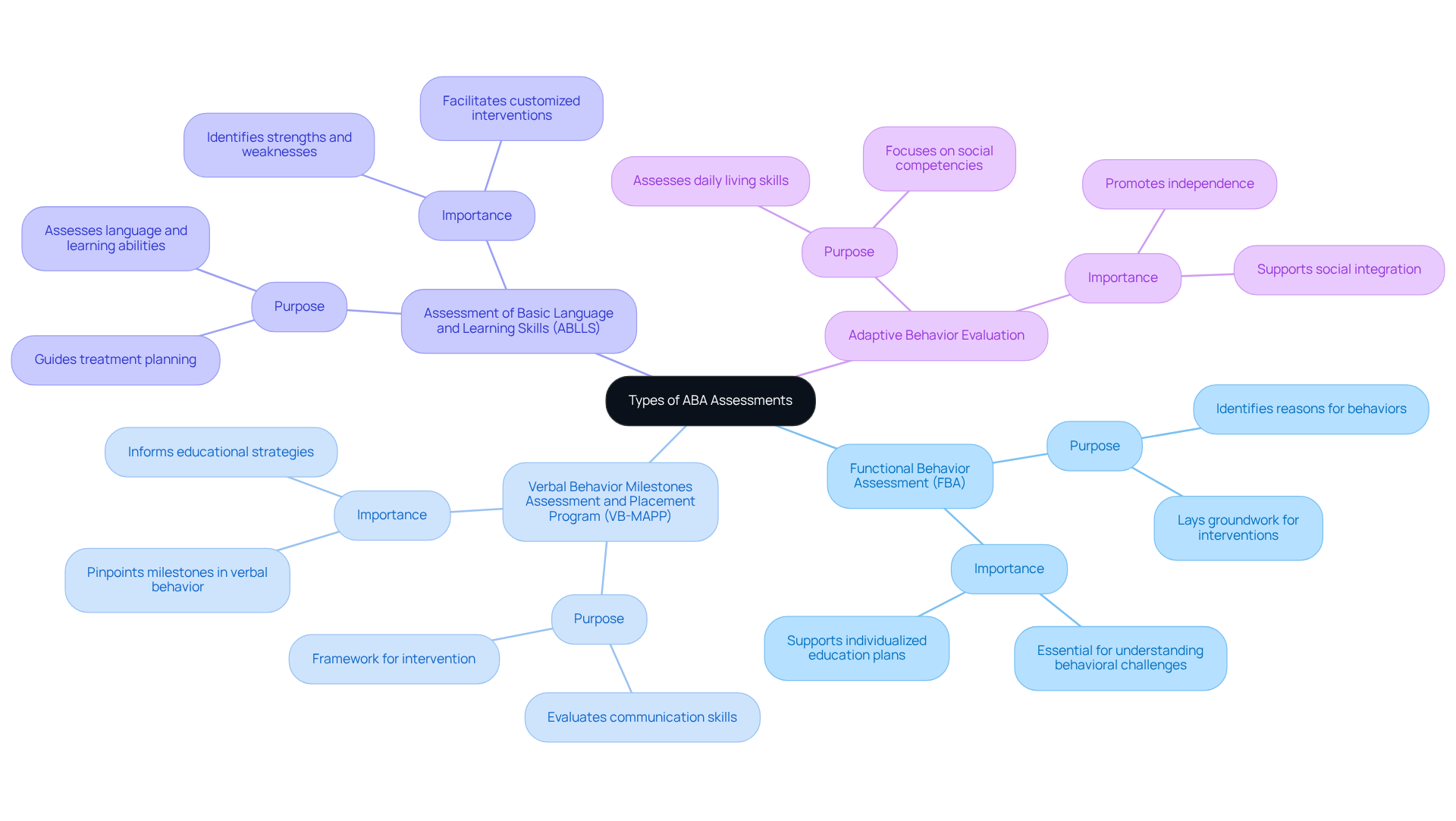
The demand for (BCBAs) is projected to surge by 25% by 2026, underscoring the critical role of s in meeting the unique needs of children. s encompass various types, each tailored to meet specific requirements for the . Key assessments include:
Each evaluation type, such as the , is instrumental in creating a comprehensive profile of the individual, enabling practitioners to tailor interventions that effectively address unique challenges and foster positive outcomes. As the demand for BCBAs rises, the relevance of in the field of Applied Behavior Analysis becomes increasingly critical.
ABA assessments are essential for understanding and addressing the unique behavioral needs of individuals, particularly within the realm of Applied Behavior Analysis therapy. These systematic evaluations not only establish a baseline of an individual's abilities and challenges but also guide the development of personalized treatment plans that significantly enhance therapeutic effectiveness and outcomes.
Key components such as data gathering, direct observation, and the analysis of behavioral patterns are critical steps in the ABA assessment process. Various types of assessments—including Functional Behavior Assessments, VB-MAPP, ABLLS, and Adaptive Behavior Evaluations—serve distinct purposes, contributing to a comprehensive understanding of an individual's needs. The evolution of these assessments reflects a deeper understanding of behavior, emphasizing the necessity of tailored evaluation strategies that consider cognitive, emotional, and environmental factors.
The significance of ABA assessments extends beyond mere evaluation; they are instrumental in fostering positive behavioral change and promoting individual growth. As the demand for Board Certified Behavior Analysts continues to rise, embracing the insights provided by ABA assessments is crucial for developing effective interventions that empower individuals to reach their full potential. Engaging with these assessments transforms treatment strategies and enriches the lives of those they serve, underscoring the profound impact of personalized behavioral analysis.
What is the purpose of an ABA assessment?
The purpose of an ABA assessment is to systematically evaluate an individual's behavior, skills, and needs within the context of Applied Behavior Analysis (ABA) therapy.
Why is an ABA assessment important?
An ABA assessment is important because it establishes a baseline understanding of a person's current abilities and challenges, which helps in developing personalized treatment plans.
How does an ABA assessment benefit therapists?
An ABA assessment benefits therapists by enabling them to identify specific behavioral goals, monitor progress, and adjust interventions as necessary based on the individual's unique profile.
What outcomes can be improved through ABA assessments?
ABA assessments can enhance therapeutic effectiveness and improve outcomes by allowing practitioners to customize their approaches to meet the specific needs of each individual.
How can insights from an ABA assessment impact treatment strategies?
Insights gained from an ABA assessment can ensure that treatment strategies are effective and tailored to maximize each individual's potential.
Our expert recruitment strategies and AI-driven sourcing ensure that you receive top-notch candidates quickly, without compromising on quality. Whether you’re looking for BCBAs, Clinical Directors, or RBTs, we’ve got you covered.


