


Thank you! Your submission has been received!
Oops! Something went wrong while submitting the form.
September 12, 2025

Crafting an effective job description for a Behavioral Technician is crucial in attracting the right candidates to this vital role in Applied Behavior Analysis (ABA) therapy. With the demand for skilled professionals at an all-time high, organizations must clearly outline the responsibilities, qualifications, and compliance standards that define this position.
However, how can employers ensure their job postings stand out in a competitive landscape and resonate with passionate candidates eager to make a difference? This article delves into the essential components of an impactful Behavioral Technician job description, offering insights and strategies to enhance recruitment efforts.
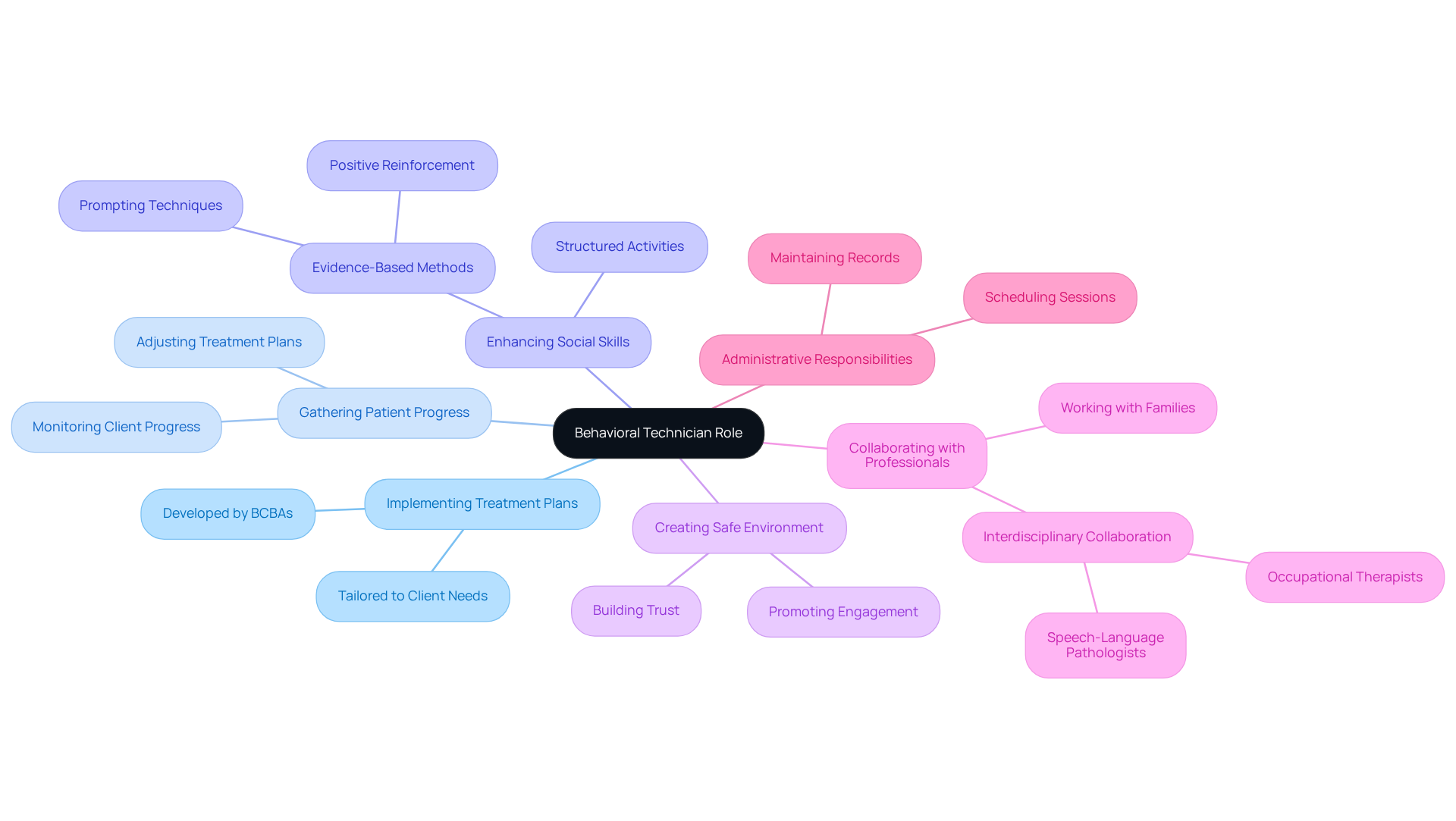
The role of a . This position is in high demand, as it directly impacts the and the well-being of clients. :
Daily responsibilities of a Behavioral Technician may involve conducting individual sessions, recording progress of individuals, and engaging in team meetings to discuss treatment objectives and strategies. Statistics indicate that Behavioral Technicians spend approximately 70% of their time directly interacting with clients. This highlights the hands-on nature of the role and underscores the importance of .
The emphasizes the importance of effective communication, organizational skills, and the ability to work collaboratively within a treatment team. Administrative duties, such as organizing sessions and keeping records, are also vital, as they guarantee the smooth functioning of ABA treatment. The provides clarity in responsibilities, which not only draws in qualified applicants but also ensures that they are well-prepared to contribute positively to the lives of individuals receiving ABA support.
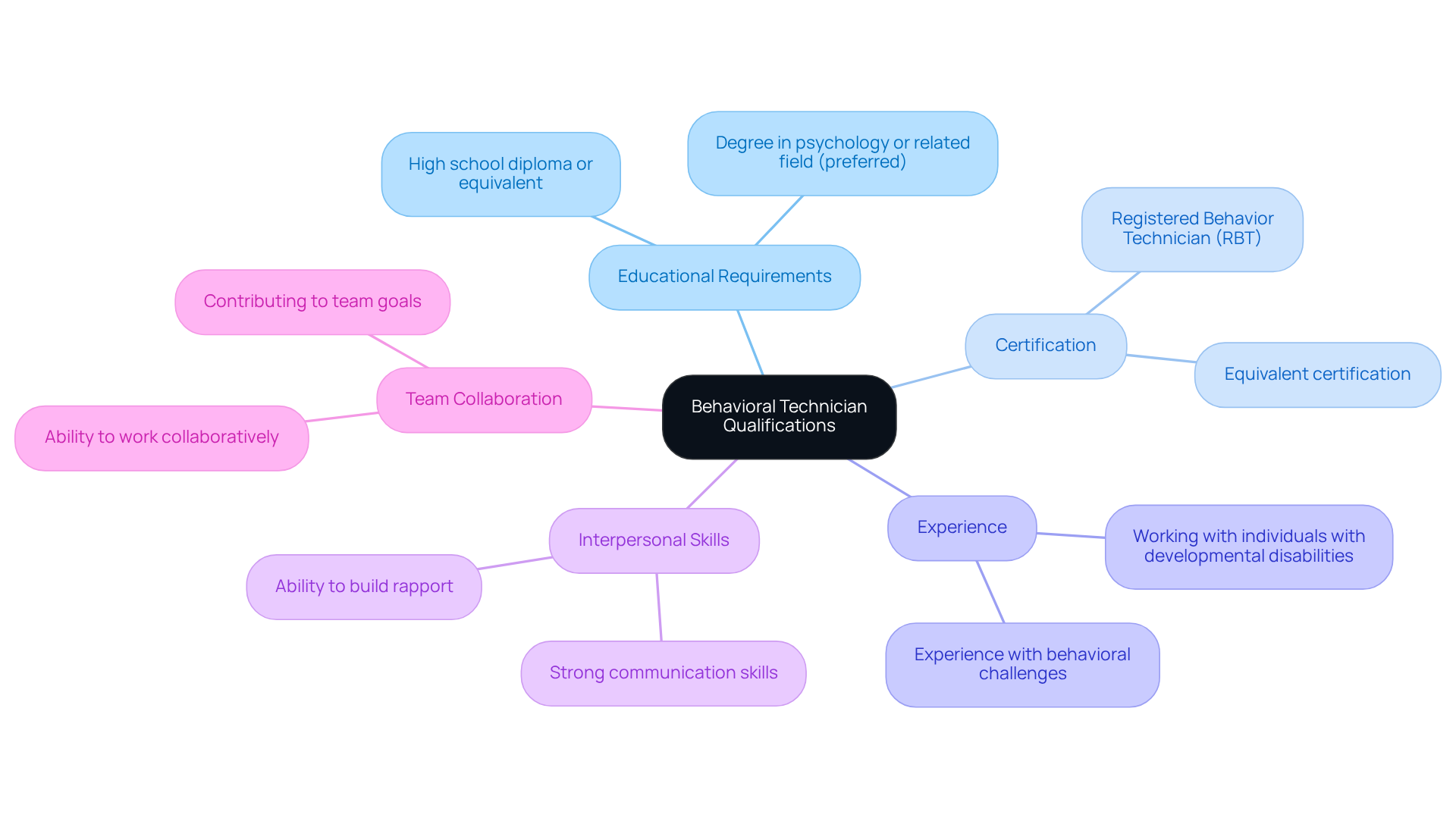
To attract candidates who are not only qualified but also passionate about the field of , it is essential to include both educational and experiential qualifications that align with the . Consider the following:
By clearly outlining the , you can ensure that your recruitment efforts are directed toward candidates who meet the necessary qualifications and are eager to contribute to the field.
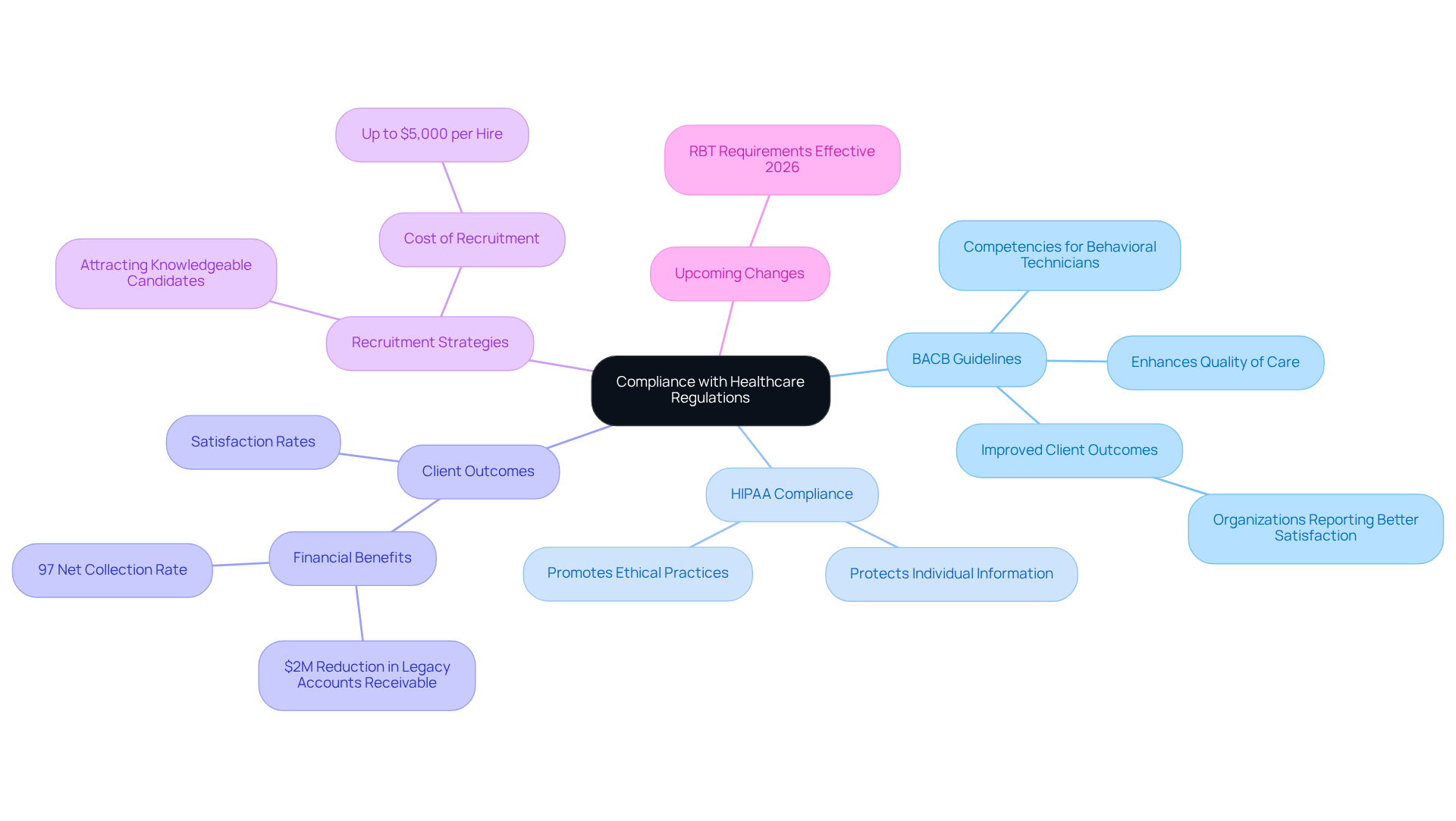
Ensuring adherence to healthcare regulations and standards is essential for organizations in the area of practice. Did you know that compliance with the significantly enhances the quality of care provided? These standards outline the competencies required for the , making adherence crucial. Additionally, , protects individual information and promotes ethical practices in service delivery. Organizations prioritizing these not only safeguard themselves legally but also attract candidates knowledgeable about the legal framework of ABA practices.
Statistics indicate that report . For instance, a $200 million ABA network partnered with Plutus Health to automate processes, resulting in a $2 million reduction in legacy accounts receivable and a remarkable 97% Net Collection Rate. By emphasizing these standards in the , employers can ensure they recruit knowledgeable professionals who are committed to ethical and compliant practices.
As we approach upcoming changes to effective in 2026, it is vital for employers to stay informed about . Are you prepared to meet these evolving demands? Leveraging platforms like can streamline your recruitment process and ensure you attract the best talent in the field.
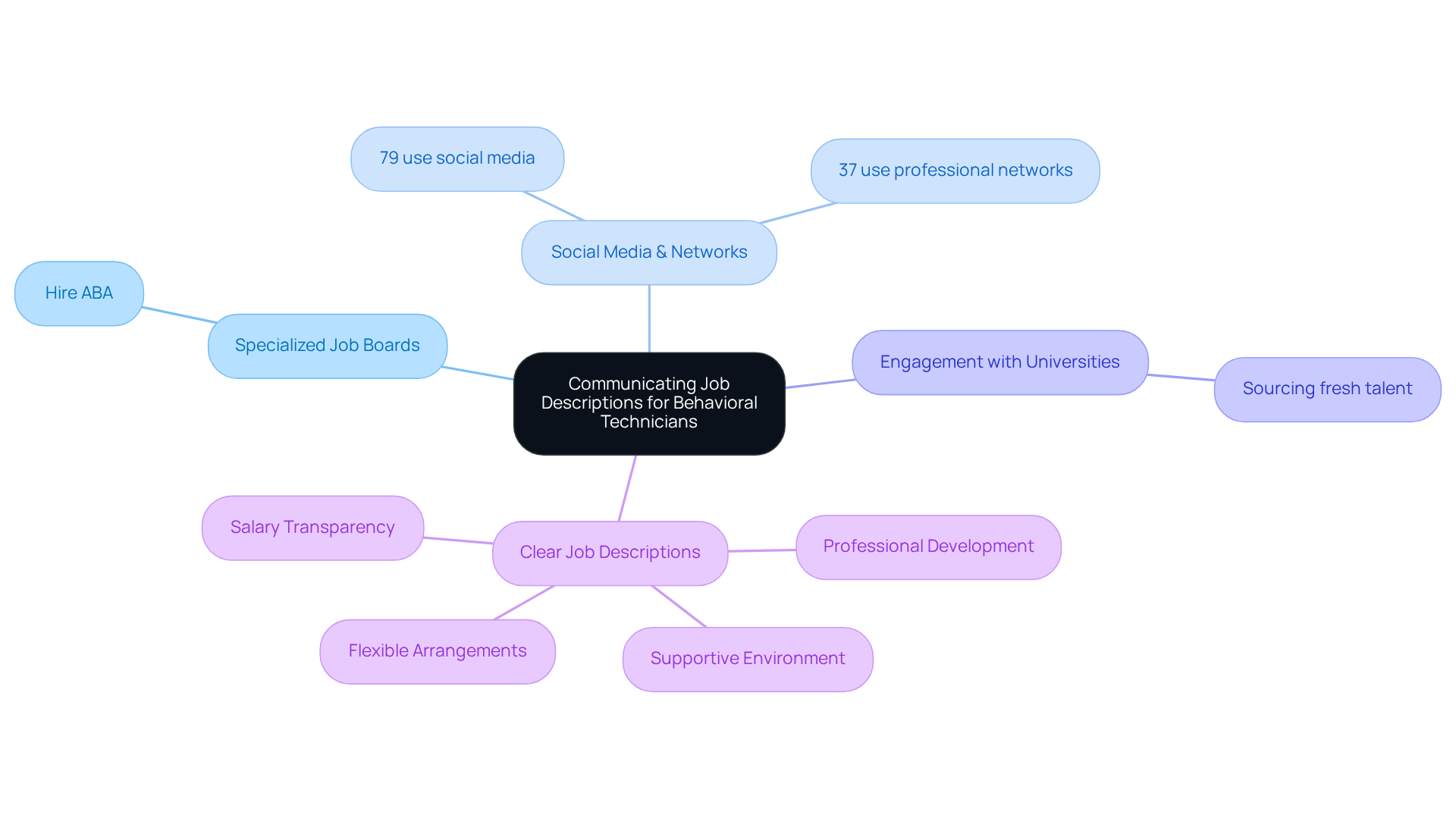
To effectively attract candidates for Behavioral Technician positions, leveraging a variety of platforms for the communication is essential. Did you know that the demand for is at an all-time high? This makes it crucial to utilize specialized job boards like , which cater specifically to BCBAs and related roles. These platforms are designed to connect employers with qualified candidates in the , ensuring you reach the right audience.
In addition, sharing job postings on social media and professional networks broadens your reach significantly. Statistics reveal that , highlighting its vital role in recruitment. Furthermore, , underscoring the importance of networking in attracting top talent.
Engaging with local universities and training programs is another strategic approach to attract recent graduates. Not only does this method help in sourcing fresh talent, but it also fosters relationships with future professionals in the field.
Ensure that the is clear, concise, and visually appealing. Utilize bullet points and headings to enhance readability, making it easier for candidates to digest the information. Highlight the benefits of working with your organization, such as:
. Moreover, consider including salary ranges upfront, as 74% of candidates want this information readily available. By focusing on these strategies, you can significantly improve your chances of attracting top talent in the competitive landscape of behavioral health.
Crafting a comprehensive and effective job description for a Behavioral Technician is crucial for attracting qualified candidates who can significantly impact the field of Applied Behavior Analysis (ABA). This role is pivotal, not only in implementing treatment plans but also in fostering a supportive environment for clients. Therefore, clarity in responsibilities and qualifications is essential for successful recruitment.
A well-rounded job description must:
Each of these components plays a critical role in attracting individuals who are not only skilled but also genuinely passionate about providing quality care in ABA therapy.
The significance of a well-crafted behavioral technician job description extends beyond recruitment; it shapes the quality of care delivered to clients and the overall effectiveness of treatment. By prioritizing clarity, compliance, and effective communication strategies, organizations can foster a robust workforce equipped to meet the evolving demands of the field. Emphasizing these best practices will enhance recruitment efforts and contribute to improved outcomes for individuals receiving ABA support.
What is the role of a Behavioral Technician?
The role of a Behavioral Technician is crucial in implementing Applied Behavior Analysis (ABA) therapy, directly impacting treatment effectiveness and client well-being.
What are the key responsibilities of a Behavioral Technician?
Key responsibilities include implementing treatment plans developed by Board Certified Behavior Analysts (BCBAs), gathering information on patient progress, supporting clients in enhancing social and communication skills, maintaining a safe and nurturing environment, and collaborating with families and other professionals.
How much time do Behavioral Technicians spend interacting with clients?
Behavioral Technicians spend approximately 70% of their time directly interacting with clients, highlighting the hands-on nature of the role.
What skills are important for a Behavioral Technician?
Important skills include effective communication, organizational skills, and the ability to work collaboratively within a treatment team.
What administrative duties does a Behavioral Technician have?
Administrative duties include organizing sessions and keeping records, which are vital for the smooth functioning of ABA treatment.
Why is the job description for a Behavioral Technician important?
The job description provides clarity in responsibilities, attracting qualified applicants and ensuring they are prepared to positively contribute to the lives of individuals receiving ABA support.
Our expert recruitment strategies and AI-driven sourcing ensure that you receive top-notch candidates quickly, without compromising on quality. Whether you’re looking for BCBAs, Clinical Directors, or RBTs, we’ve got you covered.


