


Thank you! Your submission has been received!
Oops! Something went wrong while submitting the form.
August 28, 2025

The landscape of applied behavior services is evolving rapidly, marked by a surge in innovative strategies and techniques designed to enhance therapy outcomes for individuals with autism. This article explores eight pivotal applied behavior services that not only elevate the effectiveness of ABA therapy but also empower families and practitioners alike. As the demand for skilled professionals in this field continues to grow, understanding how to implement these services effectively becomes crucial. How can these strategies be harnessed to ensure that individuals achieve meaningful progress in their development?
The demand for is surging, with projections indicating a growth rate of over 20% in . is a designed specifically to meet this demand. By simplifying the through personalized resume assessments, we help more effectively.
Candidates can submit their resumes for evaluation, allowing our team to thoroughly assess their experience and career goals. With , we pinpoint opportunities that align with their abilities, preferences, and desired locations. This streamlined method not only enables successful placements but also contributes to the stability and , which has seen an extraordinary rise in overall demand—1,942% from 2010 to 2018.
Imagine connecting with premier roles in various settings, including schools, healthcare facilities, and private practices. Employers gain access to a curated pool of skilled candidates, ensuring they find the right talent for their needs. empowers both job seekers and employers to navigate this complex landscape, ensuring that the right talent is matched with the right roles.
Are you ready to transform your hiring process? Leverage today and experience the difference in connecting with .

is a pivotal structured teaching approach within , designed to break down complex skills into smaller, manageable parts. Each skill is taught through focused trials, where instructors provide clear instructions and employ positive reinforcement for correct responses. This systematic method of is particularly , as it fosters an environment that encourages concentrated learning and skill development. By concentrating on one skill at a time, DTT significantly enhances the likelihood of successful learning outcomes.
Research indicates that children who begin DTT early, especially with intensive therapy, often achieve superior results over time. Moreover, the structured nature of DTT facilitates , allowing therapists to monitor progress and adjust teaching strategies as necessary.
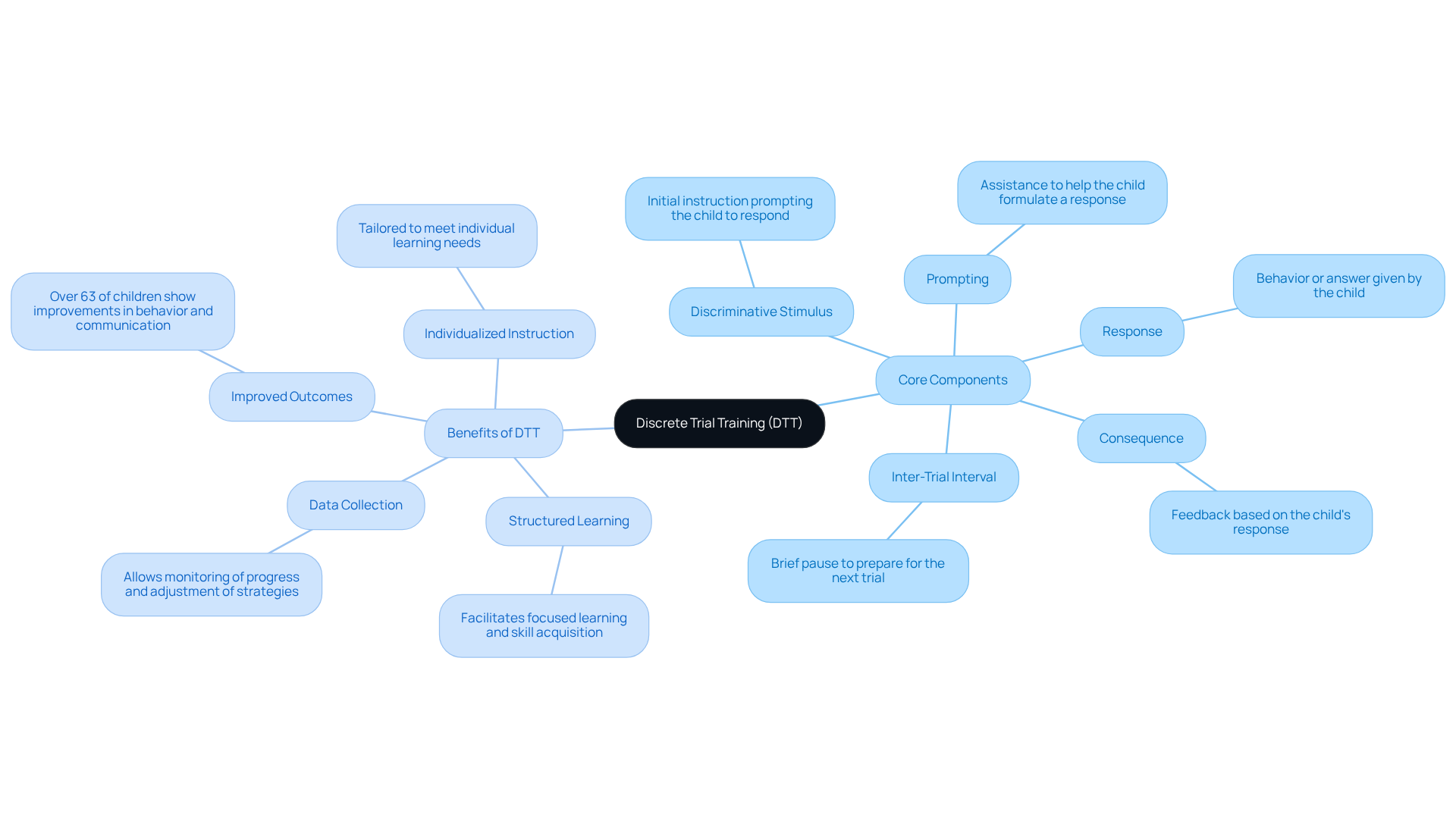
The five core components of DTT include:
These components together form a comprehensive framework for learning. Numerous success stories illustrate how DTT has transformed the lives of many , equipping them with essential skills for daily living and social interaction. Notably, over 63% of through .
As Dr. Ivar Lovaas stated, ' plays a pivotal role in the education of youth with autism by providing a .'
For healthcare employers, to implement effectively can lead to significant improvements in the skills and behaviors of .
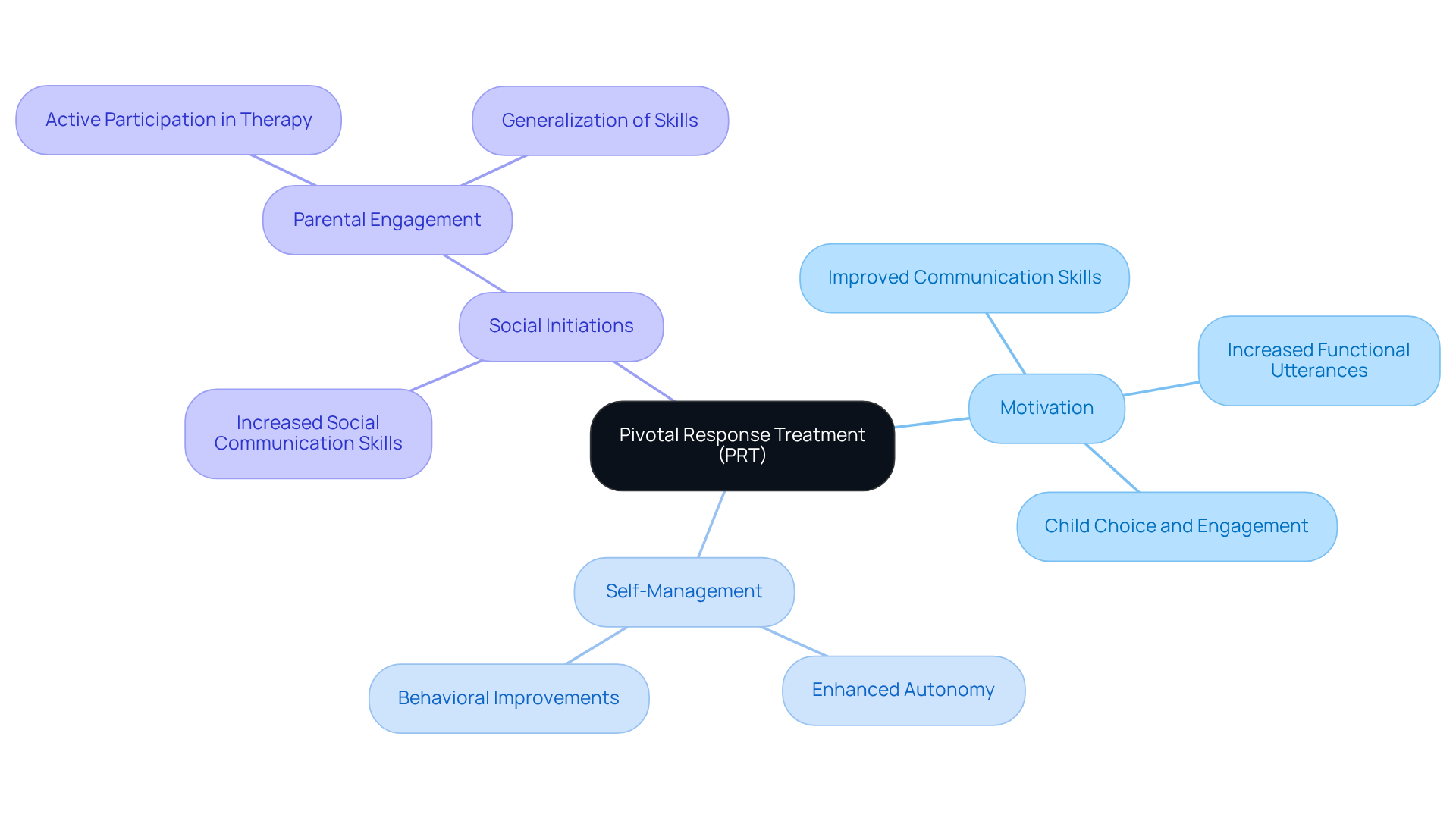
stands as a robust, of a young person's development—motivation, self-management, and social initiations. By emphasizing these essential elements, PRT significantly enhances communication abilities and promotes autonomy in . This play-based approach fosters naturalistic interactions, rendering learning both relevant and enjoyable.
Studies reveal that youngsters engaged in PRT exhibit marked , characterized by an increased frequency of functional utterances and enhanced social communication skills. Notably, those receiving PRT for 24 weeks demonstrated a higher frequency of functional utterances compared to a control group. Furthermore, PRT's emphasis on , along with active parental engagement in , not only cultivates specific abilities but also encourages , establishing it as a transformative method within .
Recognized by organizations such as the National Professional Development Center on Autism Spectrum Disorders, PRT is lauded for its comprehensive and empirically supported treatment approach. Developmental experts observe that the effectiveness of PRT lies in its ability to create consistent learning experiences, enabling youngsters to generalize skills across various environments. This ultimately empowers both these individuals and their families, affirming PRT's .
The stands out as a robust program tailored for youth with autism aged 12 to 48 months. By integrating with developmental science, ESDM provides a . This model prioritizes the enhancement of social-emotional, cognitive, and language skills through engaging, play-based activities.
Notably, studies indicate that children participating in ESDM experience remarkable , with an average IQ increase of 17.6 points and significant gains in language skills, as evidenced by receptive language scores rising nearly 18 points compared to control groups. Importantly, participants receiving ESDM intervention show an average IQ increase of 15.4 points, contrasting sharply with the mere 4.4 points observed in the control group, underscoring the model's effectiveness.
ESDM's focus on meaningful interactions not only fosters essential skills but also emphasizes the critical role of in guiding positive developmental trajectories for individuals with autism through . The model's structured yet flexible framework accommodates family preferences, facilitating that address each individual's unique needs while fostering a supportive learning environment.
Furthermore, initiating ESDM at 18 months yields a particularly , emphasizing the crucial nature of . Parent involvement is also an , enhancing the overall efficacy of the treatment.

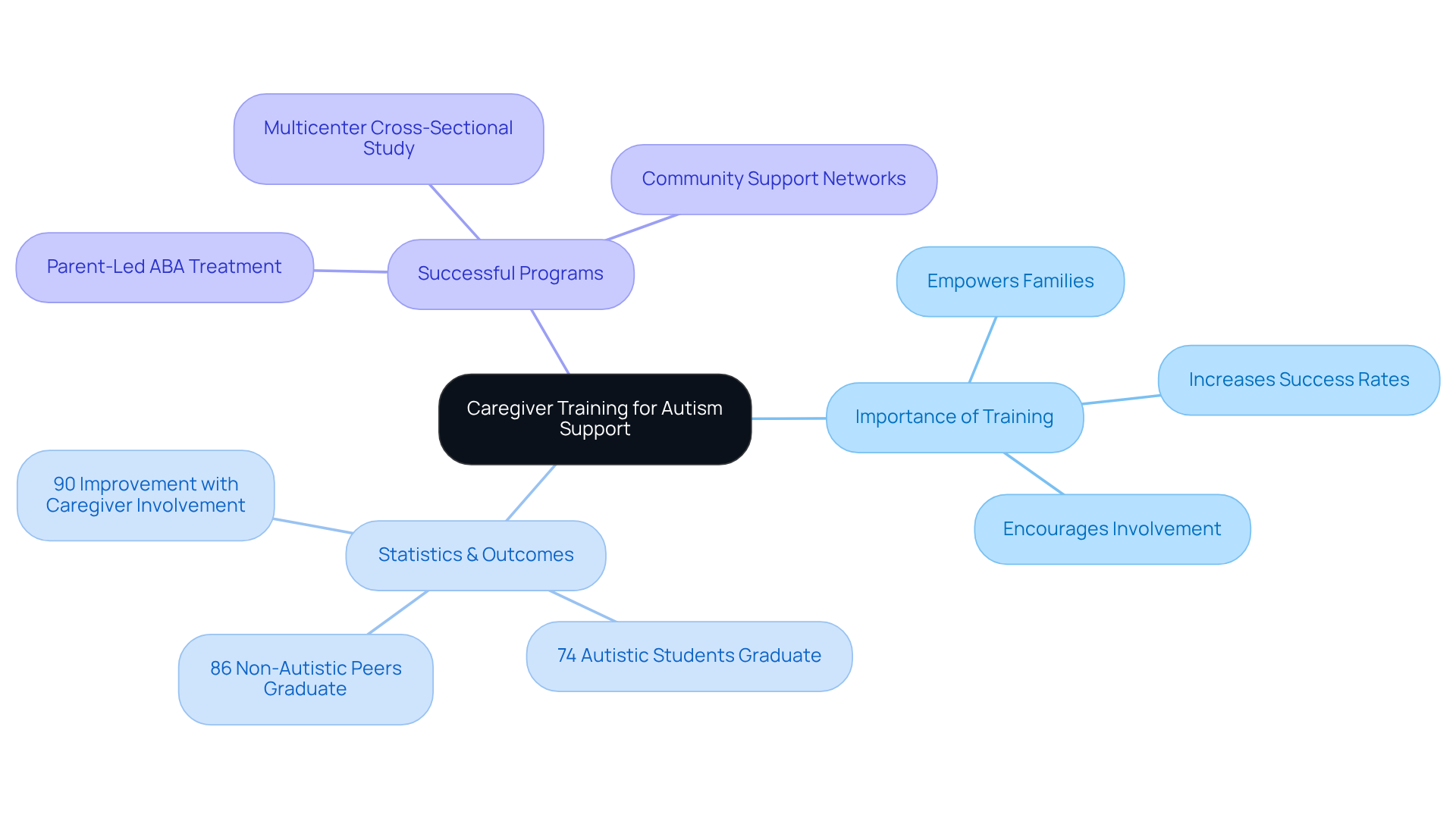
Training for parents and caregivers is crucial in , as it equips families with the to effectively support their child's development. Research indicates that when caregivers are actively involved, the likelihood of achieving increases significantly. For instance, studies show that 90% of individuals experience significant improvement when suggested hours of ABA intervention are fully implemented with active caregiver involvement. Furthermore, 74% of autistic students graduate with a diploma, compared to 86% of their non-autistic peers. This disparity underscores the , including , in achieving educational success.
This training focuses on teaching parents how to apply strategies at home, reinforcing the skills learned during therapy sessions. By empowering families, caregivers can provide consistent support and encouragement in daily situations, which is vital for the young one's development. A multicenter cross-sectional study involving 659 families emphasizes the need for a supportive network for families dealing with Autism Spectrum Disorder (ASD). This cooperative approach not only strengthens the alliance between therapists and families but also enhances the individual's progress, making it an essential component of successful autism intervention.
Successful have emerged, highlighting the importance of equipping families with to navigate the challenges of autism support. This ultimately leads to for children. As noted by Ritankar Das, parent-led ABA treatment can lead to goal achievement and improved clinical outcomes, reinforcing the argument for .
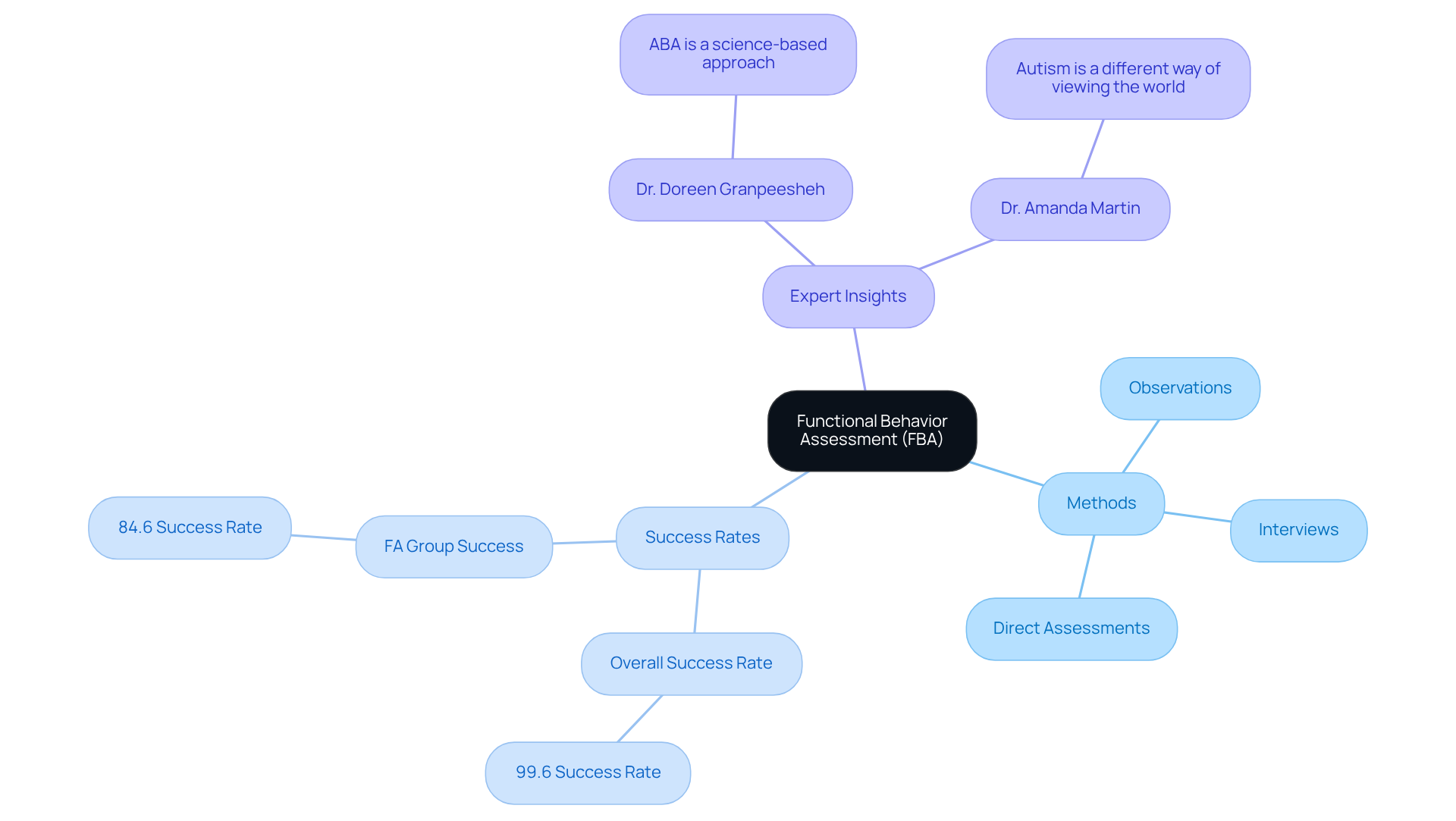
stands as a pivotal systematic process aimed at uncovering the underlying causes of challenging behaviors in individuals with autism. By employing a combination of observations, interviews, and direct assessments, practitioners can effectively identify the function of a behavior and the environmental factors influencing it. This comprehension of behavior triggers is crucial for designing targeted interventions that address root causes, ultimately leading to more effective and sustainable outcomes in .
Research indicates that can significantly reduce challenging behaviors, achieving success rates as high as 99.6% in certain instances. Notably, the FA group recorded a success rate of 84.6%, with a mean reduction in challenging behavior across all groups reaching 99.2%.
As Dr. Doreen Granpeesheh articulates, ' that seeks to understand why individuals with autism behave the way they do.' Furthermore, Dr. Amanda Martin emphasizes, 'We have to remember that autism is not an obstacle; it’s just another way of looking at the world.' This insight underscores the essential role of FBA in developing with autism to thrive.
Practitioners are strongly encouraged to implement , such as FBA, in their practice to ensure that interventions are not only effective but also respect the .
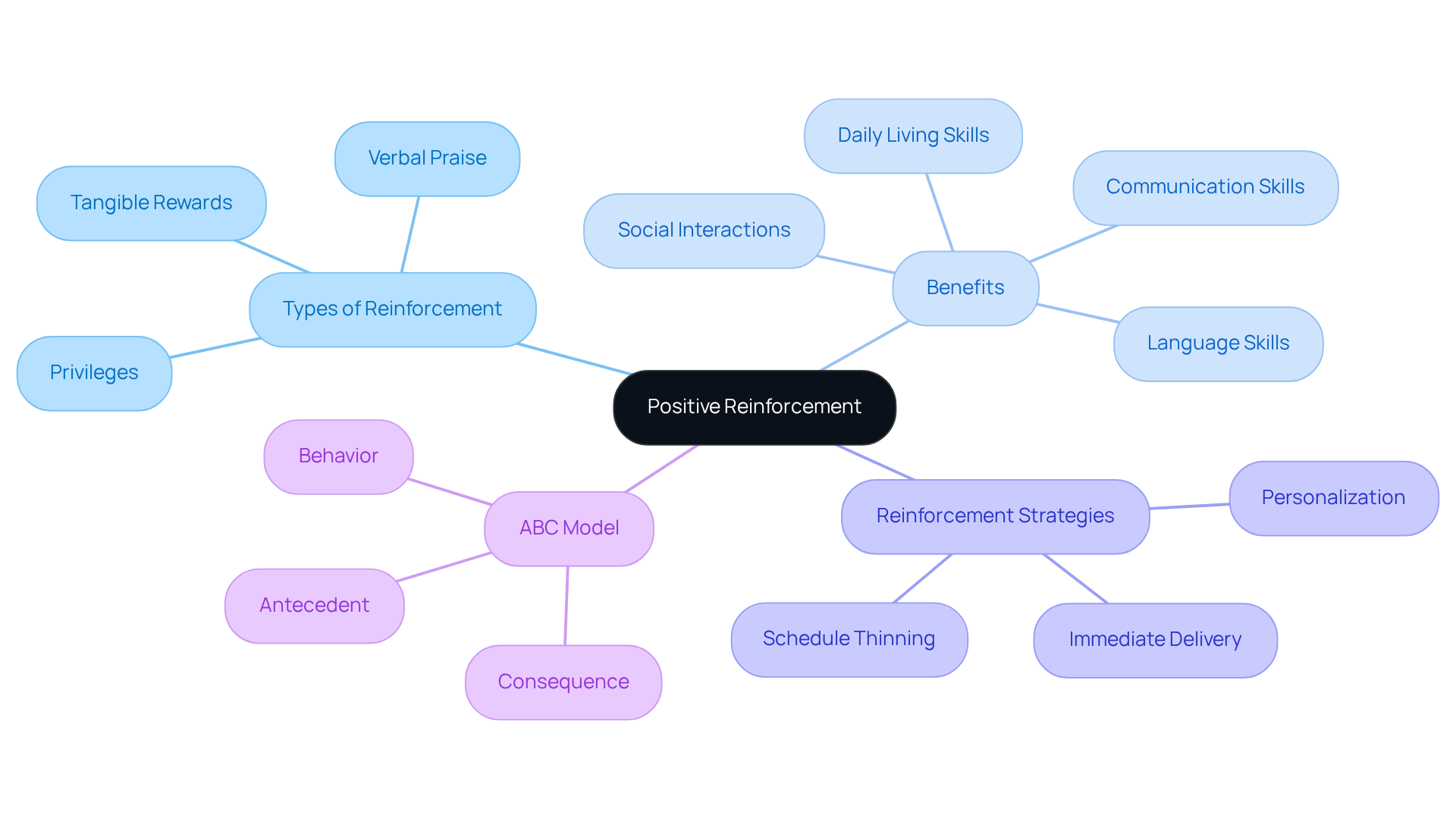
, characterized by the immediate delivery of a rewarding stimulus following a desired behavior. This method significantly boosts the likelihood of that behavior being repeated. , such as:
Research indicates that when reinforcement is —such as home, school, and community—it not only shapes desired behaviors but also fosters advancements in:
For instance, studies have demonstrated that positive reinforcement can lead to substantial improvements in age-appropriate behaviors and social abilities, with lasting effects even after the cessation of the reward system. to fortify the link between action and consequence, ensuring that individuals remain motivated and engaged.
The ABC model—Antecedent-Behavior-Consequence—illustrates how reinforcement impacts behavior, emphasizing the importance of effective antecedents to encourage desired actions. By employing (schedule thinning), practitioners can sustain motivation over time, fostering enduring behavior change and independence in individuals with autism. Ultimately, the is vital for achieving meaningful outcomes in treatment.
To implement these strategies effectively, practitioners must routinely evaluate and adapt their methods based on continuous observation.
stands as a fundamental goal in , representing the capacity of individuals to apply learned abilities across various contexts and situations. This process is crucial for ensuring that behaviors acquired during therapy are effectively . within involve:
but also generates opportunities for practice in real-world environments, significantly enhancing retention. Studies reveal that youngsters whose guardians underwent organized instruction in ABA methods demonstrated a remarkable 58% improvement in compared to those whose parents were not actively engaged.
Recent research underscores the significance of generalization, indicating that are considerably more likely to retain their abilities over time. This adaptability fosters greater independence, enabling individuals with autism to navigate daily challenges more effectively. As one practitioner aptly noted, 'Generalization is vital for individuals with autism spectrum disorder (ASD) as it nurtures the ability to perform learned skills .' Furthermore, can be categorized into three primary types:
By prioritizing generalization in treatment planning, practitioners can enhance the effectiveness of , empowering individuals to thrive in their communities and improve their overall quality of life.

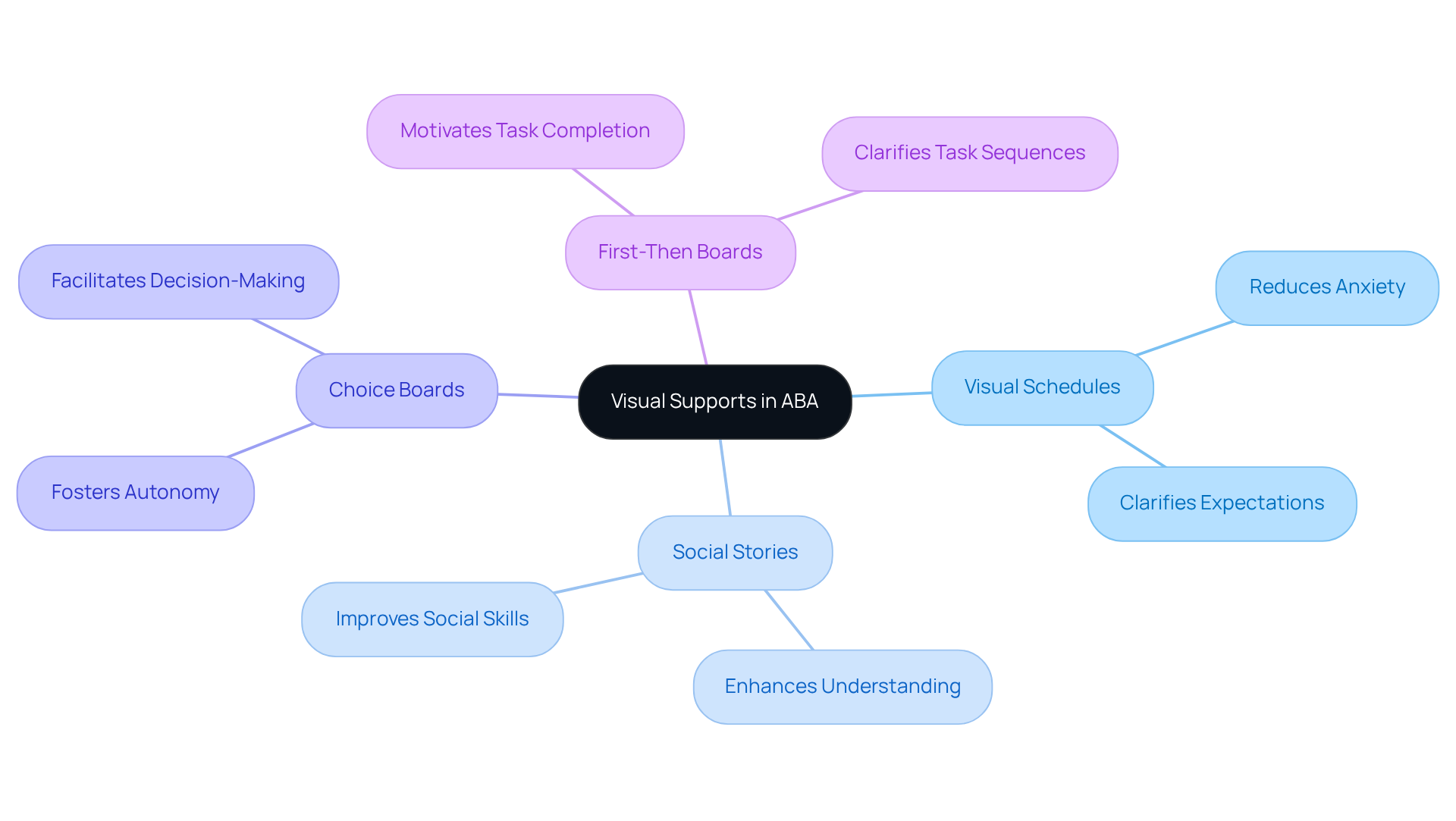
are crucial components of ABA intervention, utilizing pictures, symbols, and written information to significantly enhance for individuals with autism. Research indicates that consistent use of visual aids can lead to a remarkable 63% improvement in communication skills. These tools clarify expectations and assist individuals in grasping complex concepts.
For instance, visual schedules enable individuals to anticipate transitions, thereby reducing that promotes independence. By incorporating various , practitioners can effectively facilitate . These include:
This ultimately leads to . As Dr. Temple Grandin states, ' are vital components within , particularly for enhancing communication and reducing anxiety for individuals with autism spectrum disorder (ASD).' The integration of these has been demonstrated to , making them .
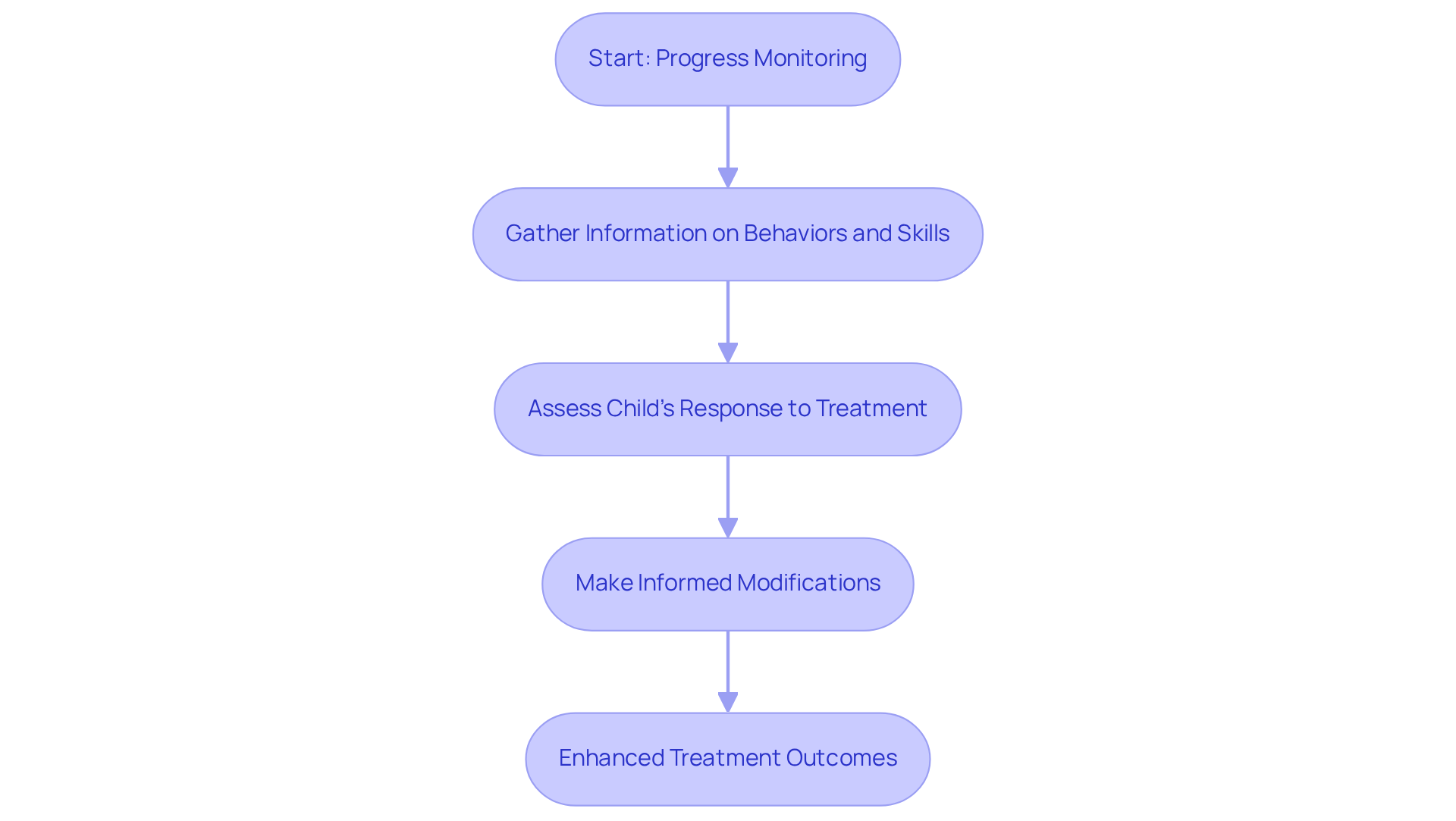
stands as a cornerstone of , systematically evaluating the effectiveness of interventions and tracking individual advancement over time. Did you know that 90% of individuals achieve remarkable progress when caregivers are actively involved? This compelling statistic underscores the necessity of diligent . By meticulously gathering information on specific behaviors and skills, practitioners can assess a child's response to treatment and make informed modifications as needed.
This not only fosters continuous improvement in treatment strategies but also ensures that care aligns with the individual's evolving needs. Regular of enhances the effectiveness of interventions, providing invaluable insights for both caregivers and practitioners. This collaborative nature of is crucial.
Utilizing advanced tools for , such as electronic documentation and automated behavior logs, facilitates real-time monitoring. This capability allows for , ultimately leading to better outcomes for children with autism. Consider how these strategies can and .
The exploration of applied behavior services underscores their vital role in enhancing the outcomes of ABA therapy. By integrating various techniques and strategies—such as Discrete Trial Training, Pivotal Response Treatment, and the Early Start Denver Model—practitioners can significantly improve the skills and behaviors of individuals with autism. These approaches not only foster effective learning environments but also empower families and caregivers to actively participate in their child's development, ensuring a comprehensive support system.
Key insights from the article highlight the importance of tailored interventions, such as Functional Behavior Assessments and the strategic use of positive reinforcement. These methods enable practitioners to understand behavior triggers and encourage desired actions, ultimately leading to meaningful behavior change. Furthermore, the emphasis on skill generalization and the use of visual supports enhances communication and understanding, equipping individuals with the tools necessary to thrive in various contexts.
In conclusion, the significance of applied behavior services in ABA therapy cannot be overstated. As the field continues to evolve, embracing these innovative techniques will be essential for maximizing the potential of individuals with autism. Stakeholders—including practitioners, families, and employers—are encouraged to adopt these strategies to create a more effective and supportive environment that fosters growth and independence. By prioritizing these approaches, the future of ABA therapy holds the promise of improved outcomes and enriched lives for those it serves.
What is Hire ABA?
Hire ABA is a specialized recruitment platform designed to connect Board Certified Behavior Analysts (BCBAs) with job opportunities in the field of applied behavior services, simplifying the job matching process through personalized resume assessments.
Why is there a demand for Board Certified Behavior Analysts (BCBAs)?
The demand for BCBAs is surging, with projections indicating a growth rate of over 20% in job opportunities over the next decade, driven by a significant rise in the need for applied behavior services.
How does Hire ABA assist job seekers?
Candidates can submit their resumes for evaluation, allowing Hire ABA to assess their experience and career goals. The platform uses advanced job fit scoring to identify opportunities that align with candidates' abilities, preferences, and desired locations.
What are the benefits of using Hire ABA for employers?
Employers gain access to a curated pool of skilled candidates, ensuring they can find the right talent for their needs, which helps in navigating the complex landscape of hiring in applied behavior services.
What is Discrete Trial Training (DTT)?
Discrete Trial Training (DTT) is a structured teaching approach within applied behavior services that breaks down complex skills into smaller, manageable parts, using focused trials with clear instructions and positive reinforcement.
Who benefits from DTT?
DTT is particularly beneficial for children with autism, as it creates an environment conducive to concentrated learning and skill development, leading to improved learning outcomes.
What are the core components of DTT?
The five core components of DTT are Discriminative Stimulus, Prompting, Response, Consequence, and Inter-Trial Interval, which together form a comprehensive framework for learning.
What is Pivotal Response Treatment (PRT)?
Pivotal Response Treatment (PRT) is an evidence-based intervention that targets key areas of development such as motivation, self-management, and social initiations, enhancing communication abilities and promoting autonomy in youth with autism.
How does PRT improve communication skills?
Studies show that youngsters engaged in PRT exhibit marked improvements in communication abilities, including an increased frequency of functional utterances and enhanced social communication skills.
What is the significance of parental engagement in PRT?
Active parental engagement in PRT not only cultivates specific abilities in children but also encourages comprehensive developmental growth, making it a transformative method within ABA therapy.
Our expert recruitment strategies and AI-driven sourcing ensure that you receive top-notch candidates quickly, without compromising on quality. Whether you’re looking for BCBAs, Clinical Directors, or RBTs, we’ve got you covered.


