


Thank you! Your submission has been received!
Oops! Something went wrong while submitting the form.
July 1, 2025

Discrete Trial Training (DTT) stands as a cornerstone of Applied Behavior Analysis (ABA) therapy, offering a structured approach that can significantly transform the learning experience for individuals with autism. This method breaks down complex skills into manageable tasks and provides immediate reinforcement, ensuring that learning remains both effective and engaging. Yet, a pressing challenge emerges: how can practitioners maximize the benefits of DTT while addressing its limitations in real-world applications? By examining practical examples and the latest research findings, this article delves into the nuances of DTT, revealing its potential to enhance skill development and improve outcomes for those in ABA therapy.
is projected to surge by approximately 22% over the next decade. This significant growth underscores the importance of . , a specialized recruitment platform, is designed specifically for BCBAs, playing a crucial role in through .
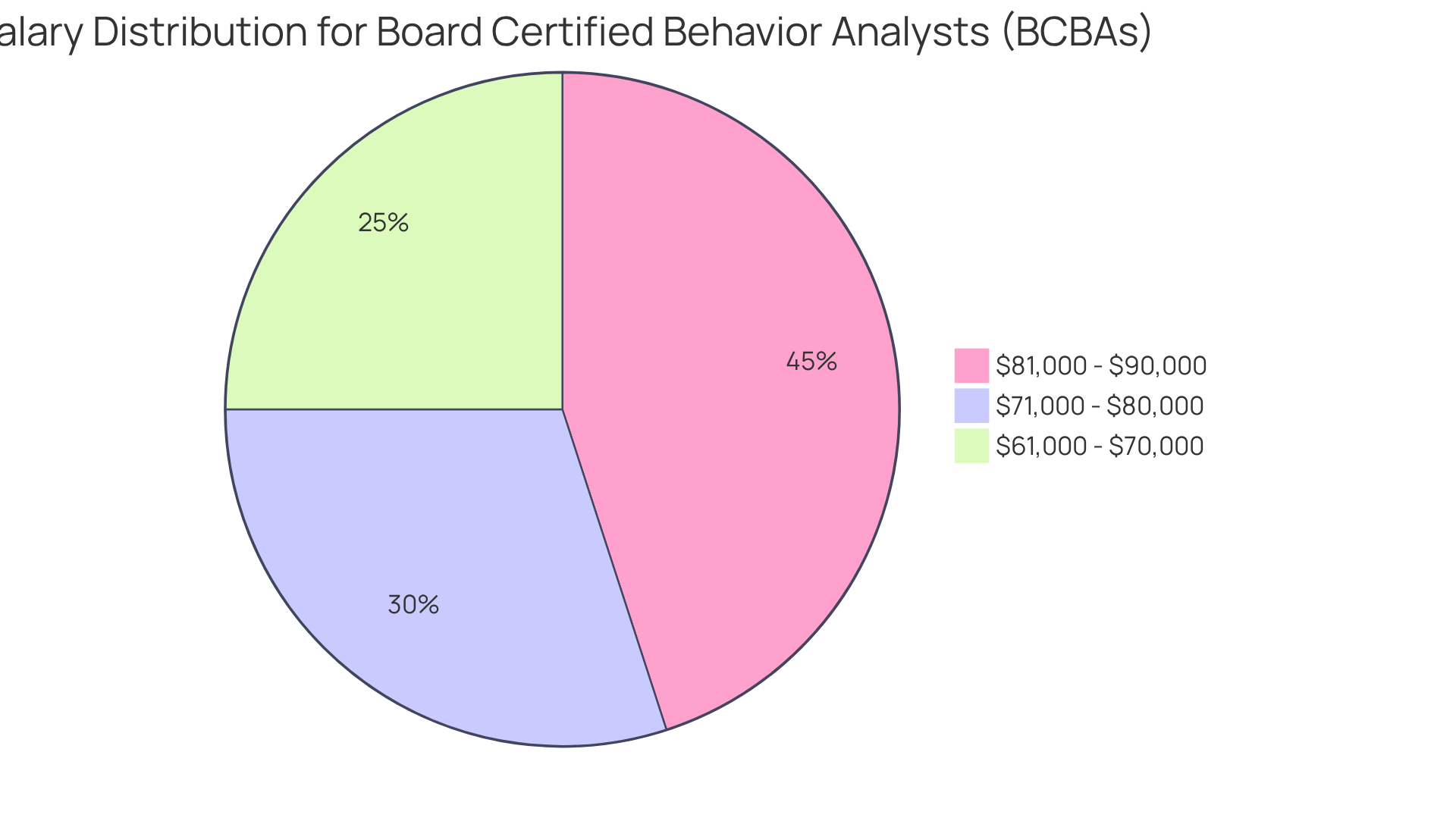
By leveraging , ensures that qualified professionals are effectively paired with top-tier job opportunities that align with their abilities, preferences, and desired locations. This tailored approach significantly benefits job seekers, granting them customized to their expertise, including competitive salaries ranging from $61,000 to $90,000.
For employers, the efficiency of translates into quicker access to the right talent. This fosters a supportive environment that promotes career advancement in ABA therapy, addressing the pressing hiring challenges many organizations face today.
With from 65,366 to 103,150 in 2024, reflecting a staggering 58% year-over-year increase, the need for effective recruitment solutions has never been more critical. stands out as an invaluable resource in this evolving job market, ready to meet the growing demands of the industry. Are you prepared to enhance your hiring strategy? Explore today.
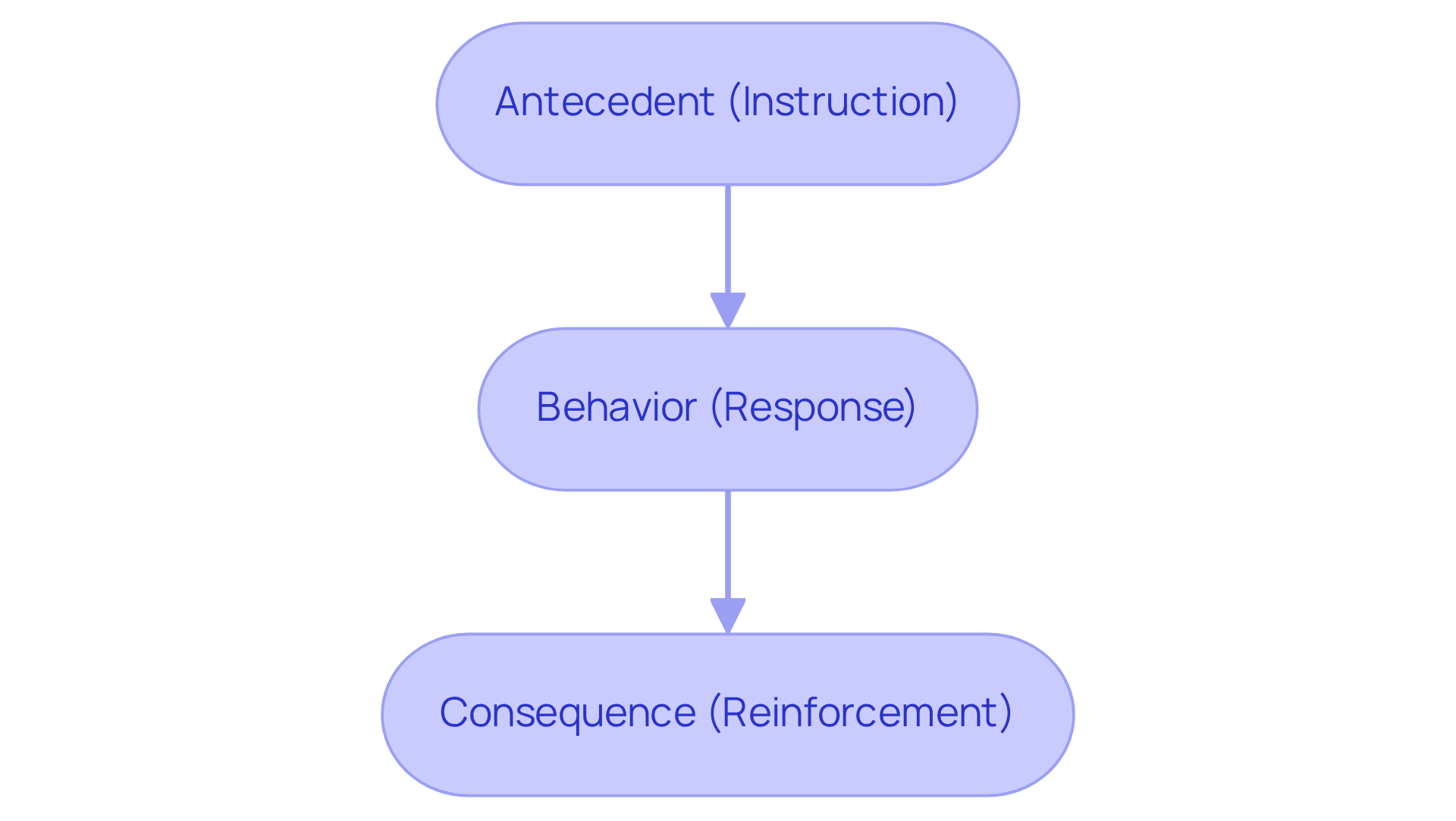
includes three fundamental components, as illustrated in :
Each trial begins with a clear instruction, prompting the learner to respond. This is followed by immediate feedback, often including . Such an organized framework not only streamlines the learning experience but also aids in the development of intricate abilities by utilizing to break them down into manageable tasks.
Research indicates that significantly enhance ability acquisition and ; studies have shown that 98 autistic children exhibited notable improvement in general target behaviors over a five-month period. DTT typically involves several hours of direct 1:1 instruction daily, emphasizing the required for effective implementation of .
The antecedent-behavior-consequence model is crucial, allowing to tailor interventions using based on individual learner needs, ensuring that each component is effectively addressed. However, a notable limitation of DTT is its potential lack of naturalness; abilities learned in structured environments may not always translate to real-life applications.
By employing this , practitioners can cultivate an environment conducive to learning with , ultimately leading to . As B.F. Skinner aptly stated, '' This highlights the in . Furthermore, integrating generalization strategies is essential to ensure that abilities acquired in organized environments can be applied in various situations.
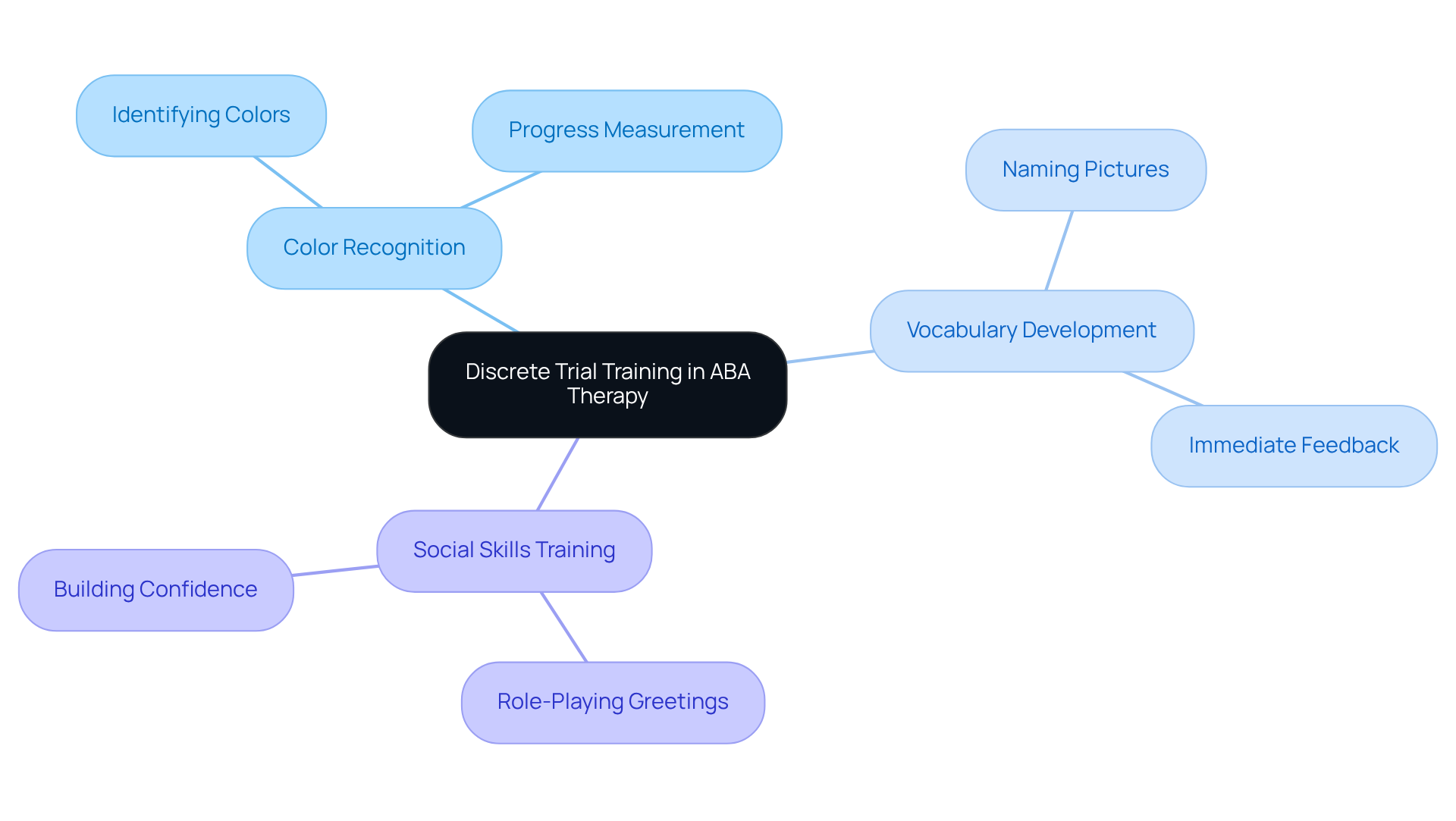
(DTT) stands as a that can significantly enhance various skills in young individuals, particularly within the framework of therapy. The demand for has surged by an astonishing 5,852% from 2010 to 2021, underscoring the growing recognition of therapy benefits for individuals with autism. Here are practical applications of DTT that illustrate its effectiveness:
Each of these examples follows the DTT framework, which emphasizes clear objectives, consistent prompts, and measurable outcomes. Research indicates that DTT boasts a high success rate in teaching various abilities, with studies demonstrating its capacity to significantly enhance communication and in youngsters with autism spectrum disorder (ASD). Experts advocate for the use of DTT in , emphasizing its effectiveness in creating structured learning environments tailored to individual needs. By leveraging DTT, practitioners can ensure that learning is not only effective but also captivating for .
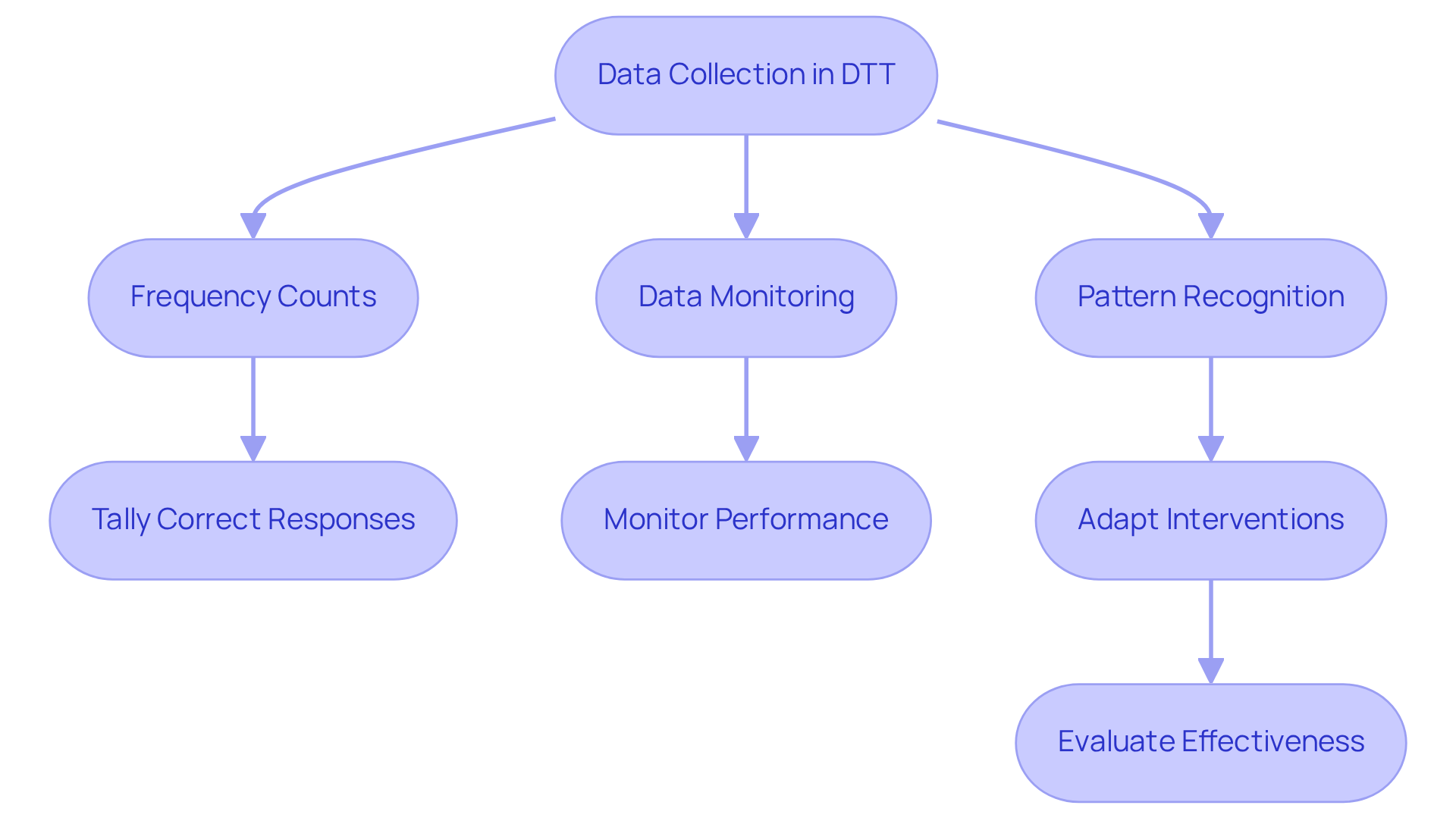
In Discrete Trial Training (DTT), meticulous is fundamental for developing . It involves the systematic recording of a learner's responses during each trial. Did you know that consistent data tracking can lead to in ? Common methods include frequency counts, which tally the number of correct responses, and discrete trial training examples that monitor performance across multiple sessions. This approach is vital for assessing the effectiveness of the training and facilitating necessary adjustments to the teaching strategy.
Research shows that youngsters can reduce aggressive behaviors from ten incidents per day to just 2-3 after implementing and verbal reminders. Moreover, the capacity to examine data over time enables therapists to recognize patterns and make . This ensures that interventions remain adaptable to each individual's changing needs.
As emphasized by experts in the field, not only enhances treatment outcomes but also empowers therapists to tailor their approaches based on objective evidence. Ultimately, this fosters for children in .
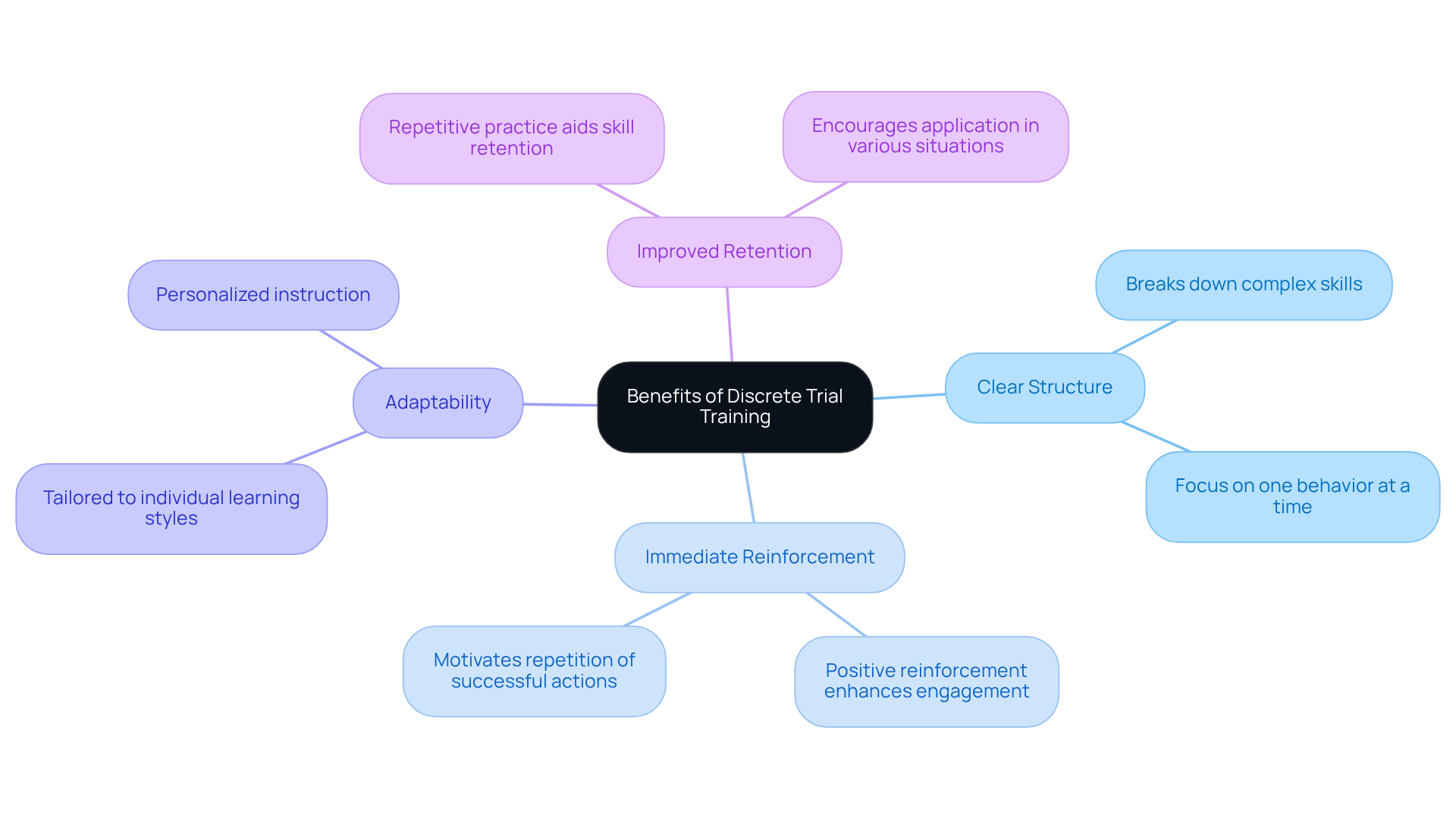
provides a that significantly aids development in individuals with autism. Its key advantages are compelling:
These advantages underscore why DTT is a preferred method in , effectively promoting the development of essential skills in individuals with autism. Developed in the 1970s by Doctor Ivar Lovaas, DTT has evolved to address critiques and now incorporates for treating Autism Spectrum Disorder (ASD). For instance, case studies have illustrated that examples enhance learning by breaking down intricate skills into manageable steps and utilizing motivation and reinforcement to engage children. As Doctor Ivar Lovaas articulated, 'DTT aims to teach new abilities through repetition and reinforcement, gradually fading prompts and increasing independence as the child progresses.' This organized method not only facilitates but also encourages generalization across diverse environments.
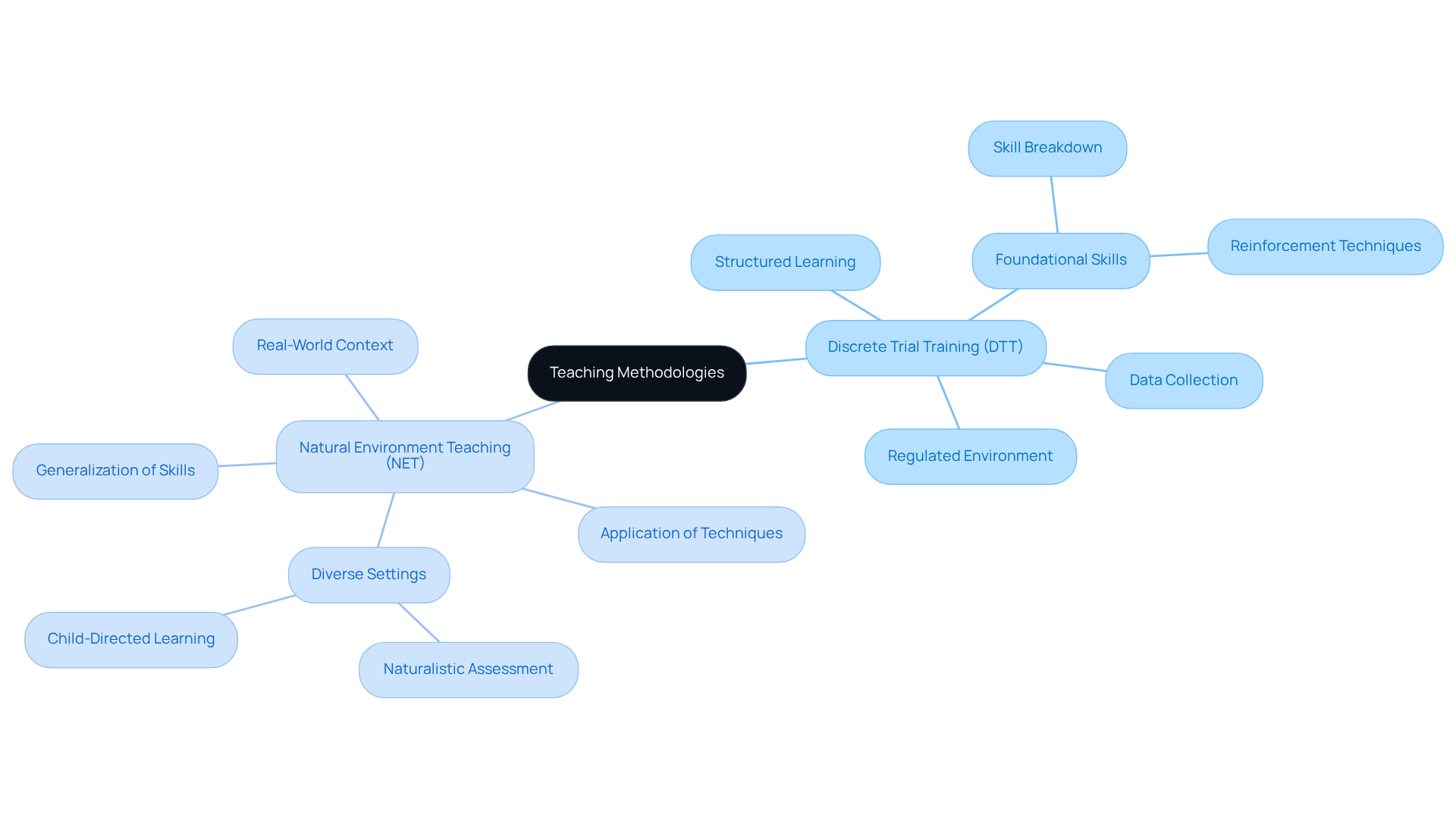
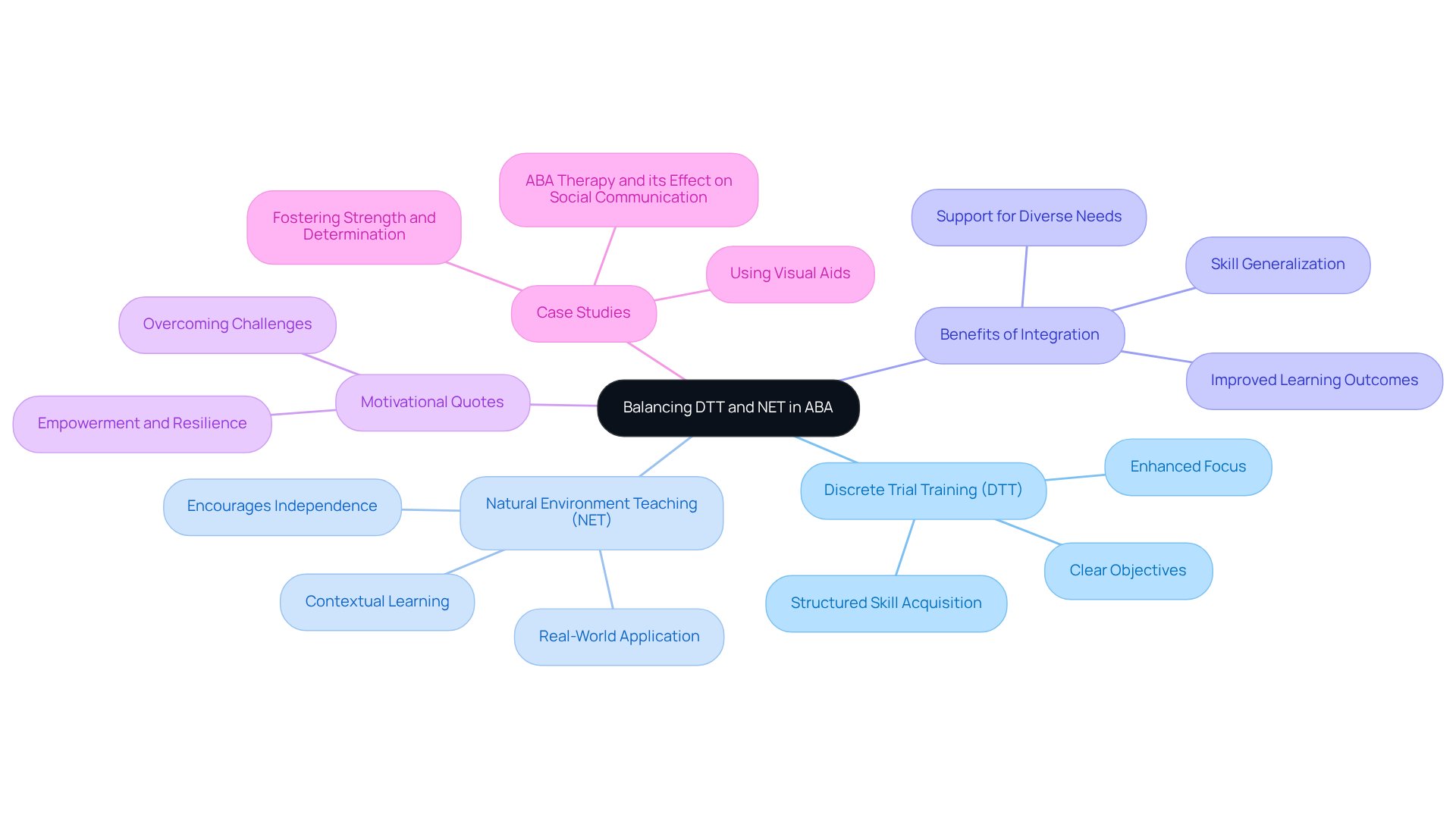
(DTT) focuses on , while (NET) emphasizes instruction in real-world contexts. DTT proves effective for foundational skills, whereas NET fosters the . is crucial for professionals aiming to integrate both methodologies, ultimately leading to a more .
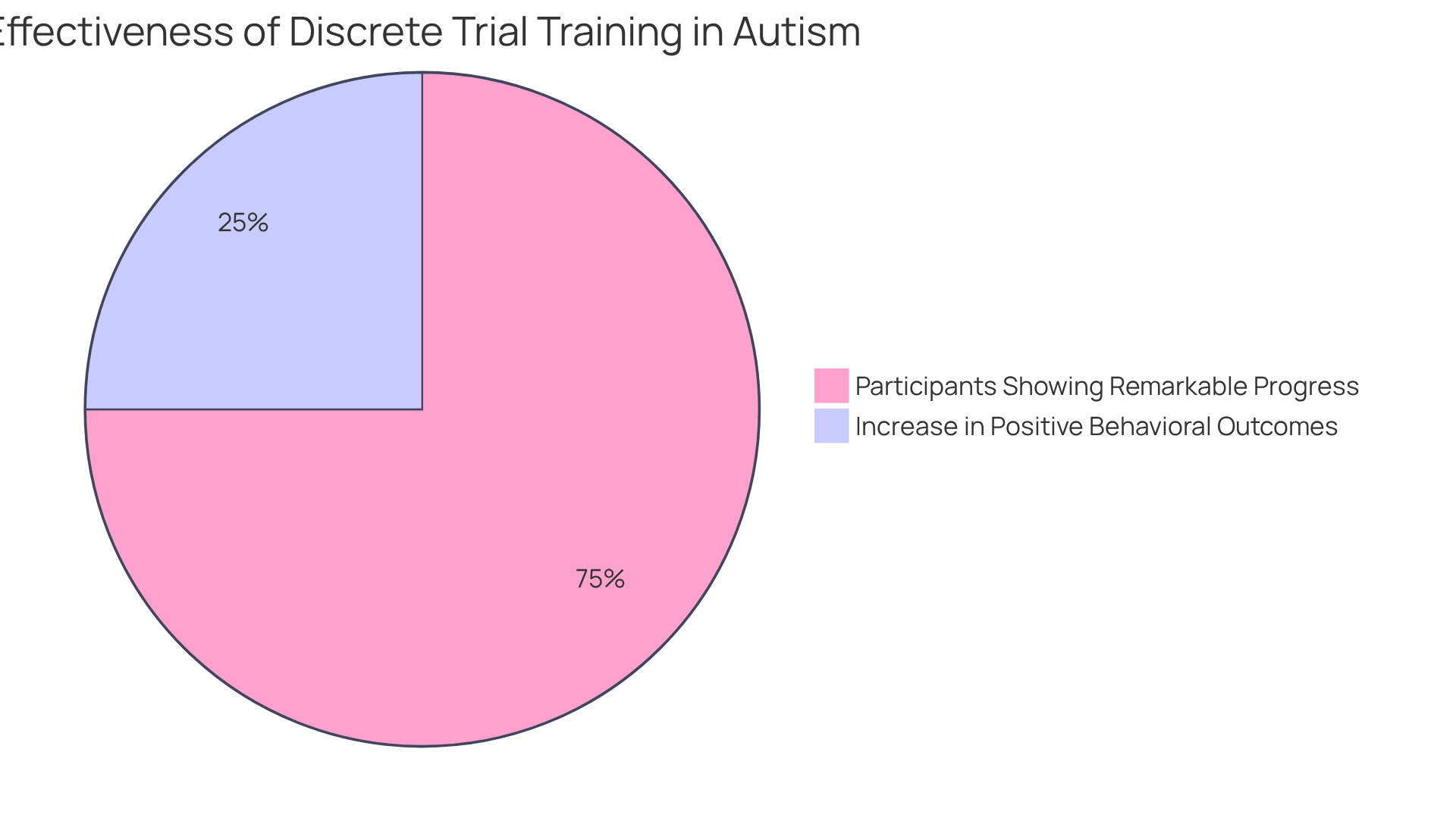
Comprehensive studies underscore the effectiveness of in in . Research indicates that implementing significantly enhances communication and social skills, with 90% of participants exhibiting in the therapy. A notable case study on highlighted substantial advancements in , further demonstrating their efficacy in skill development. Additionally, data reveals that individuals experiencing show a 30% increase in , solidifying its role as a primary teaching method in . These findings emphasize the to achieve in the lives of .
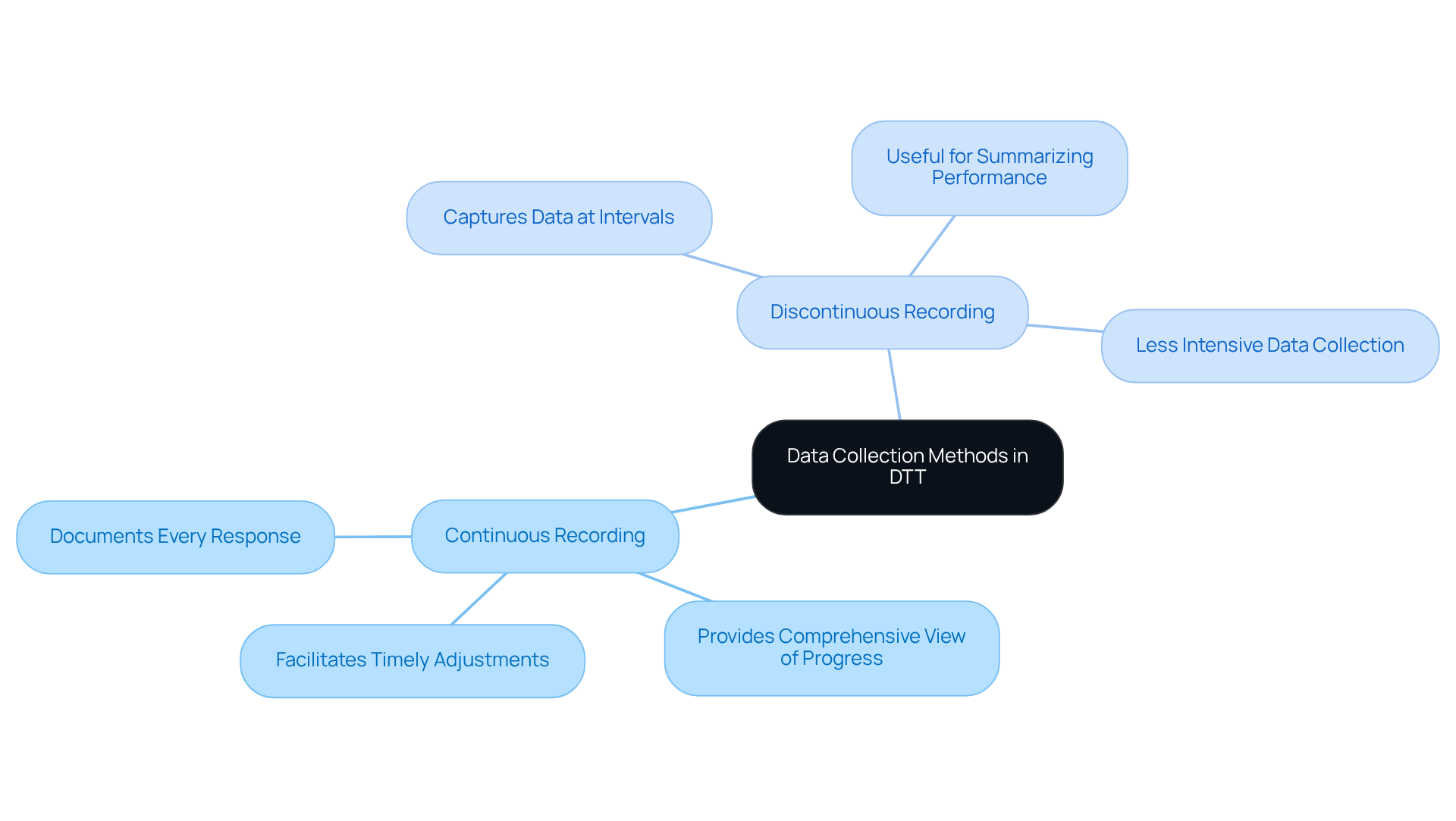
in DTT are integral to the success of , varying significantly based on specific goals. , which documents every response, and , capturing data at intervals, are among the most common approaches. These methods not only provide a but also facilitate timely adjustments to .
Furthermore, practitioners often employ to represent progress over time, making analysis more accessible and actionable. This empowers practitioners to , ensuring that are both effective and responsive to the needs of learners.
Combining with naturalistic methods such as establishes a robust teaching strategy that significantly enhances learning and generalization. DTT offers a structured framework for acquiring specific skills, while NET facilitates the application of these skills in real-world contexts. This integration not only fosters but also ensures that individuals can effectively utilize their , greatly amplifying the .
Research demonstrates that such yield superior outcomes, as they cater to the diverse needs of learners and encourage independence in daily activities. Practitioners emphasize that this balanced approach is essential for developing relevant to the learner's natural environment, ultimately supporting their growth and advancement.
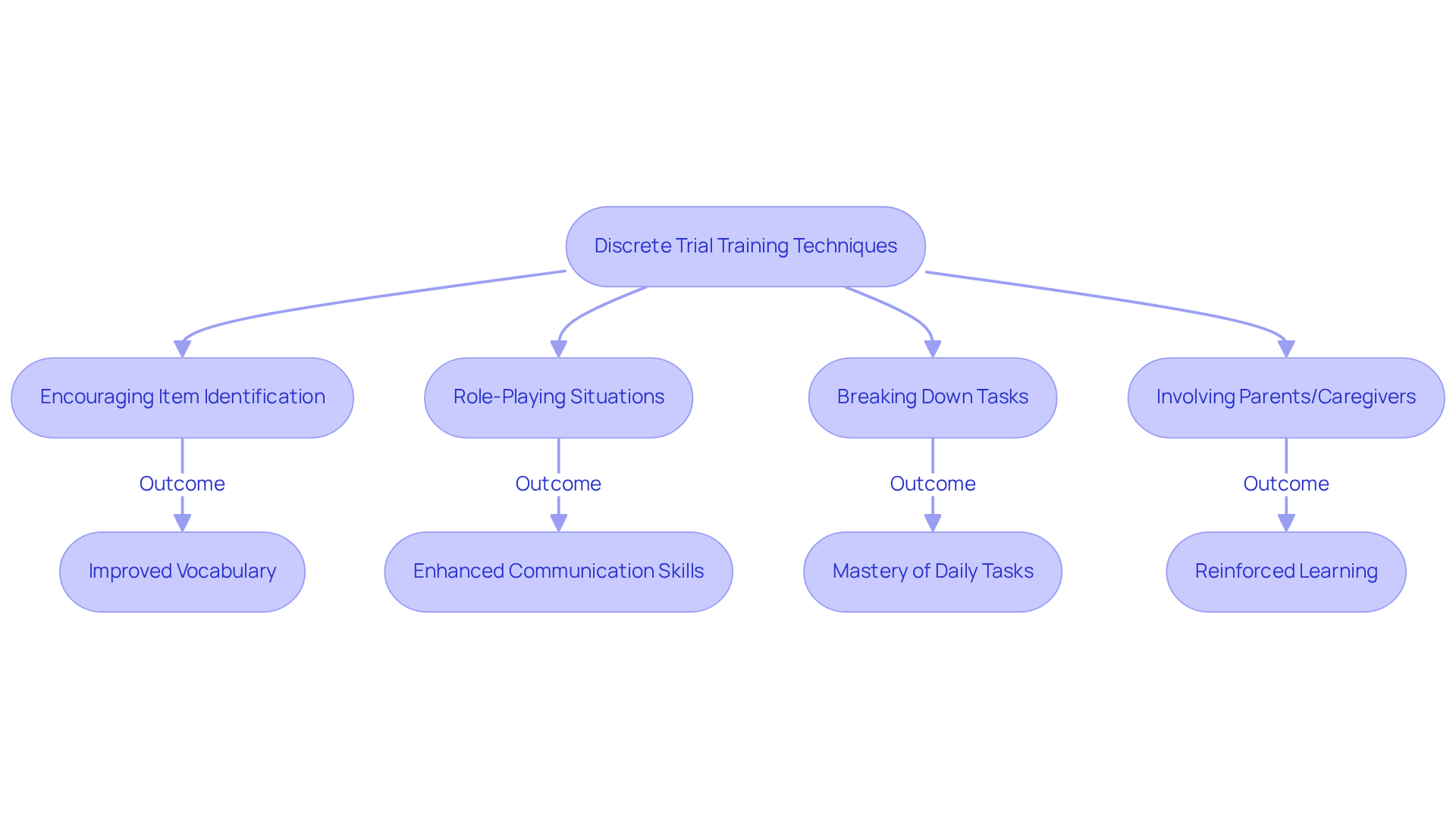
(DTT) is exemplified by examples that serve as a powerful technique for instructing a variety of . For instance, linguistic abilities can be significantly enhanced by encouraging youngsters to identify items, thus promoting .
Research suggests that has demonstrated considerable advancements in , with language development rising by an impressive 30-60%. Furthermore, social abilities are improved through , enabling youngsters to rehearse interactions in a secure setting.
Everyday activities, such as brushing teeth, are taught by breaking down each task into manageable steps, ensuring that learners can master each element before progressing. Notably, studies reveal that 90% of children who engage consistently with demonstrate remarkable strides in .
By employing examples, practitioners create a that aids in learning and encourages independence. Moreover, involving in the DTT process further enhances the effectiveness of these interventions, ensuring that skills are reinforced across various settings.
Discrete Trial Training (DTT) stands as a cornerstone in Applied Behavior Analysis (ABA) therapy, providing a structured framework that significantly enhances learning and skill acquisition for individuals with autism. By deconstructing complex skills into manageable components, DTT not only fosters understanding but also ensures mastery, enabling learners to engage effectively with their environment and develop essential abilities.
This article explored various aspects of DTT, including its fundamental components—antecedent, behavior, and consequence. Practical examples illustrated its effectiveness in teaching critical skills such as color recognition, vocabulary development, and social skills. The importance of data collection and progress tracking was emphasized, showcasing how these practices empower practitioners to refine their strategies and tailor interventions to individual needs. Furthermore, the integration of DTT with naturalistic approaches was discussed, highlighting the benefits of a balanced methodology that promotes both skill acquisition and real-world application.
As the demand for effective ABA therapy continues to escalate, understanding and implementing Discrete Trial Training becomes increasingly vital. By leveraging its structured approach, practitioners can significantly improve learning experiences and outcomes for individuals with autism. Embracing DTT not only enhances skill development but also fosters independence and confidence, ultimately enriching the lives of those who benefit from ABA therapy.
What is Hire ABA, and what does it offer?
Hire ABA is a specialized recruitment platform designed for Board Certified Behavior Analysts (BCBAs) that streamlines the hiring process through personalized job matching solutions, ensuring qualified professionals are paired with job opportunities that align with their skills and preferences.
How is the demand for BCBAs expected to change in the coming years?
The demand for Board Certified Behavior Analysts is projected to surge by approximately 22% over the next decade, highlighting the need for effective recruitment solutions in the field of Applied Behavior Analysis.
What are the salary ranges for positions available through Hire ABA?
Job seekers using Hire ABA can access positions with competitive salaries ranging from $61,000 to $90,000.
What are the benefits of Hire ABA for employers?
For employers, Hire ABA offers quicker access to the right talent, fostering a supportive environment that promotes career advancement in ABA therapy and addressing hiring challenges.
What is Discrete Trial Training (DTT) and what are its fundamental components?
Discrete Trial Training (DTT) is a structured instructional approach in ABA therapy that includes three fundamental components: the antecedent (instruction), the behavior (response), and the consequence (reinforcement).
How does DTT enhance learning outcomes for individuals?
DTT enhances learning by providing clear instructions and immediate feedback, which helps in the acquisition of skills and behavioral management. Research has shown notable improvements in target behaviors among children with autism using DTT.
What are some practical examples of DTT in ABA therapy?
Practical examples of DTT include teaching color recognition, vocabulary development, and social skills training through structured activities that provide measurable outcomes.
What is a limitation of Discrete Trial Training?
A notable limitation of DTT is its potential lack of naturalness, as skills learned in structured environments may not always translate to real-life applications.
Why is reinforcement important in DTT?
Reinforcement is crucial in DTT as it encourages correct responses and enhances the learning process, aligning with the principles of positive reinforcement in behavior analysis.
How can practitioners ensure that skills learned through DTT are applied in various situations?
Practitioners can ensure the generalization of skills by integrating generalization strategies, which help individuals apply abilities acquired in structured settings to real-world contexts.
Our expert recruitment strategies and AI-driven sourcing ensure that you receive top-notch candidates quickly, without compromising on quality. Whether you’re looking for BCBAs, Clinical Directors, or RBTs, we’ve got you covered.


